REVIEW · SORRENTO
Day Trip to Positano, Amalfi & Ravello from Sorrento
Book on Viator →Operated by IAMME IA! - Gray Line Amalfi Coast · Bookable on Viator
A coast drive that feels like cinema. You get three Amalfi Coast towns in one day, with an easy group setup and real time to wander. I also like that you’re not stuck figuring out parking, ferries, or tickets—someone else handles the route. One thing to watch: it’s a time-limited sampler, so you’ll be moving along, not lingering for hours in every stop.
Here’s why this trip works for most first-timers. You’ll start in central Sorrento, ride in an air-conditioned vehicle, and get guided context as the coast unfurls. Then you spend your time where it counts: photo stops, free walking, and key sights like Positano’s church and Amalfi’s Duomo, plus Villa Rufolo’s famous sea views in Ravello. The pace can feel brisk, especially if you’re hoping for deep museum time or long café hangs.
In This Review
- Key things to know before you go
- Meeting in Sorrento and Getting Your Bearings
- The Amalfi Coast Drive: Views, Stairs, and Reality Checks
- Positano: 90 Minutes for the Church Dome and Beach Views
- Amalfi by Boat (In Season), Then Time for the Duomo
- Ravello: Villa Rufolo, Ceramics, and a Quieter Pace
- How the Small-Group Setup Changes the Day
- Seasons, Weather, and When Plans Shift
- Price and Value: Why This Day Trip Can Be Worth It
- What to Pack and How to Spend Your Free Time
- Should You Book This Tour?
- FAQ
- How long is the day trip from Sorrento?
- Where does the tour start in Sorrento?
- How big is the group?
- Is the boat ride included?
- How much free time do I get in each town?
- What’s included in the price?
- What isn’t included?
Key things to know before you go
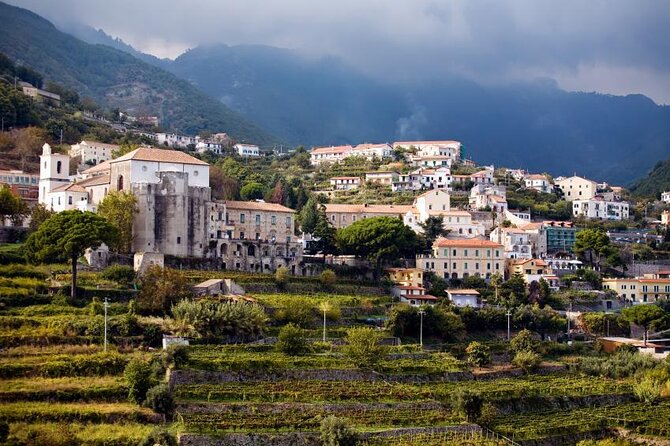
- Small-group feel (max 21): you’ll have a better shot at personal attention than on huge buses.
- Positano’s 90 minutes: enough time to get a sense of the town and enjoy the beach area.
- Amalfi from the water (seasonal): a Positano-to-Amalfi boat ride is included during warmer months.
- Ravello’s mellow contrast: fewer crowds and a quieter rhythm, especially compared with Amalfi.
- Guides bring the story: your on-board commentary can make the coastline and churches click.
- Roads are real Amalfi roads: expect tight bends; consider motion-sickness help if you’re prone to it.
Meeting in Sorrento and Getting Your Bearings
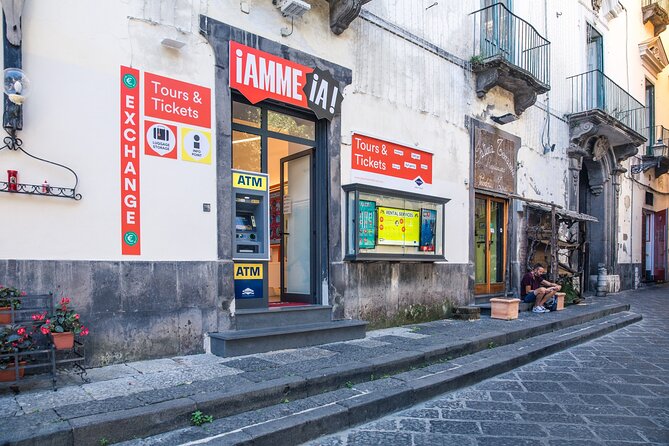
The day starts from the Iamme Ia! – Gray Line Amalfi Coast Office area, with an easy walk from Piazza Torquato Tasso and the train-station zone. That matters because, in Sorrento, you don’t want to lose time chasing the right bus or wandering with luggage.
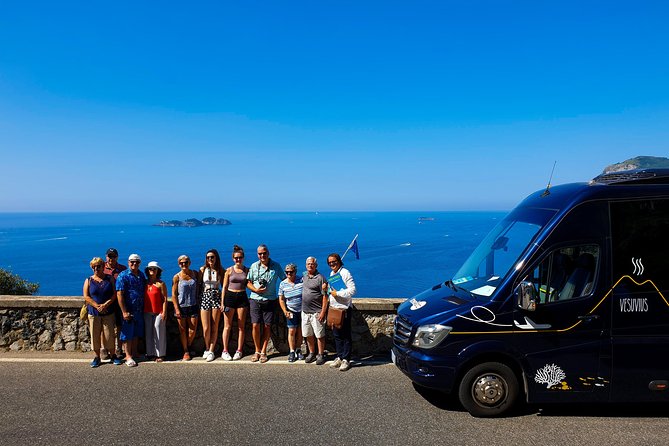
Once you’re loaded onto the air-conditioned coach, the experience shifts into “ride and learn.” For groups of six or more, you’ll get a mix of driver commentary and live guide information as you roll along the coast’s winding stretches. A nice detail: from the bus, you’ll often spot the Sirenusas (also called the Gallos), tiny islands off the coast. The islands were famously linked to Russian dancer Rudolf Nureyev, and it’s the kind of fact that makes the view feel more than just pretty.
You can also read our reviews of more tours and experiences in Sorrento



The Amalfi Coast Drive: Views, Stairs, and Reality Checks
The Amalfi Coast stretches about 50 kilometers along the southern edge of Italy’s Sorrentine Peninsula. From the road, you’ll understand instantly why this area became a postcard—and why it’s not flat. Everything is up and down, and even “free time” often includes stairs, sloping sidewalks, and that classic coastal-walk fatigue.
Also, take the route seriously if you’re sensitive to motion. Some people recommend taking motion-sickness medicine in advance for the curvy coastal driving. If you know you get carsick, don’t tough it out. A small tablet the night before can save your day.
This drive-and-stops format is exactly the value: you’re spending time seeing multiple towns without managing navigation, parking, and transport tickets on your own.
Positano: 90 Minutes for the Church Dome and Beach Views
Your first stop is Positano, the cliffside town that people picture when they think of Amalfi. You’ll get about 90 minutes of free time. That’s a fair amount for a first visit, but it’s not enough for a slow, all-day stroll with zero decisions.
What I’d prioritize in that window:
- Start with the Chiesa di Santa Maria Assunta, known for its majolica-tiled dome that dominates the area near the beach. The church also features a Byzantine-style icon of the Virgin Mary, so it’s not just architecture—it’s a cultural anchor.
- Use the town’s steep lanes strategically. The streets near the center are packed with cafés and boutiques, and you’ll quickly feel why Positano is so famous.
Practical reality: depending on where the group parks and how you enter, Positano can involve a walk down to the beach and then back up afterward. Some people describe it as a mini hike. Wear shoes that handle uneven pavement and steep steps, and you’ll enjoy it more.
If the weather is good, Positano’s sea views make every detour worth it. If it’s windy or rougher, you may feel the day is more about “see it, then move on” than “linger and relax.”
Amalfi by Boat (In Season), Then Time for the Duomo
Next comes the route to Amalfi, with a boat transfer from Positano to Amalfi during late spring, summer, and early fall. It’s about 25 minutes and is not available for private tour options. During colder months (November to March), the boat portion isn’t part of the plan—so your day shifts to other included activities.
Why this boat leg is worth caring about: it changes your perspective. Amalfi’s buildings look like they’re stacked right onto the cliffs, and you see the coastline in a way you simply can’t get from the road. The views make the transfer feel like an experience, not a commute.
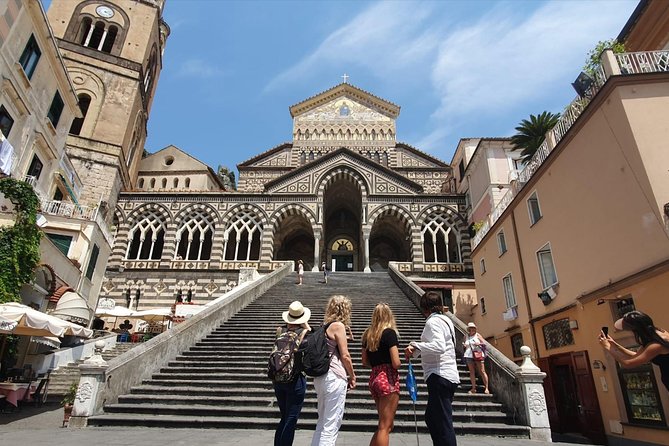
Once you arrive, you’ll have about two hours in Amalfi. This is where you can slow down a little and actually enjoy the town’s atmosphere—shops, waterfront energy, and the historic center. The standout sight is the Cathedral of Saint Andrew (Duomo di Sant’Andrea), which sits on a broad stairway from the main square. It blends Byzantine art influences and northern architectural touches.
You’ll have only short time to consider entry. The cathedral interior is possible with tickets not included, and you may need a quick decision. If you love churches, it’s a good place to spend your limited time inside. If you prefer just soaking in the square, you can still get a strong sense of Amalfi from the exterior and cathedral steps.
Ravello: Villa Rufolo, Ceramics, and a Quieter Pace

After Amalfi, you head up to Ravello, a hilltop town with a calmer vibe. This is often the “rest” stop in an otherwise packed day.
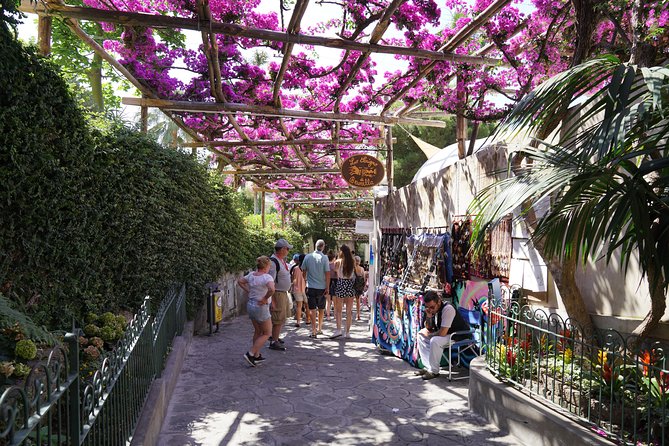
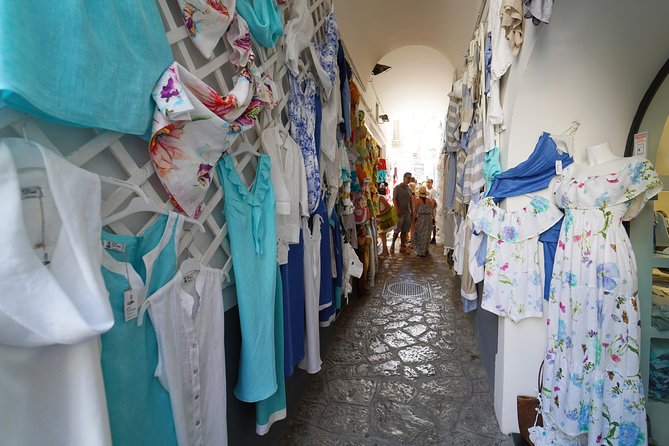
Ravello is all narrow streets, small squares, and slow-looking views over the sea. You’ll also get a chance to shop for ceramics and browse boutiques—low-pressure wandering is exactly what works here.
The main anchor is Villa Rufolo. You’ll visit the Villa Rufolo area with time for the terrace views that overlook the coast. Wagner is part of the story here: the villa is associated with composer Richard Wagner, and it’s said his inspiration fed into Parsifal. The guide can help with getting tickets, and like most major sites, admission is not included.
A few pointers for the Ravello portion:
- Plan for the fact that time is limited. If you want to linger for long photo sessions, you may have to choose between terrace time and browsing.
- Some visitors feel Ravello is quieter rather than exciting late in the day. If you’re easily bored when the day slows down, keep your priorities tight: sights first, shopping second.
- Sorrento Farm and Food Experience including Olive Oil, Limoncello, Wine tasting
★ 5.0 · 2,524 reviews





How the Small-Group Setup Changes the Day
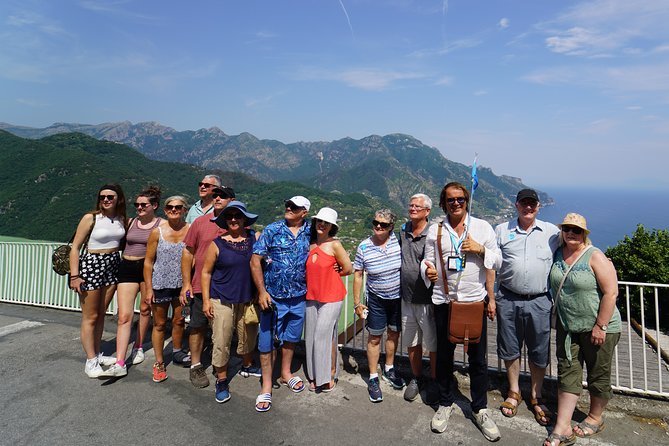
This isn’t a mega-coach takeover. The tour caps at 21 participants and is designed for a more manageable group flow. That can mean faster coordination at the meeting point and a smoother experience when getting on and off at different stops.
For groups of six or more, you’ll hear information from both your driver and guide while traveling. That’s not just trivia. It helps you connect what you’re seeing—coastline formations, town history markers, and the reasons certain churches and viewpoints matter.
Also, the free time is real free time. At each stop you’re given room to walk and browse on your own. That flexibility is what makes a day trip feel like travel instead of a checklist.
If you book the private option, you may get different inclusions and transport details, including hotel drop-off. It’s a good option if you want more control, but you still won’t escape the basic geography: Amalfi Coast towns run on stairs and hills.
Seasons, Weather, and When Plans Shift
This tour is shaped by the sea and the season. The big seasonal difference is the boat transfer. During April to October, you get the Positano-to-Amalfi boat ride (unless weather interferes). From November to March, boat transportation isn’t part of the plan, and the included activity shifts to a visit to the Arsenal of the Amalfi Republic.
Weather can also change your day. If it’s too windy, a boat transfer might not happen. The good news is that the rest of the itinerary is designed to keep the day moving so you still see the main towns.
Road closures can also force routing changes. Sometimes the return drive may take a less scenic path to keep everything on schedule. That’s not ideal, but it’s a practical trade-off when parts of the coast road need to be bypassed.
If you’re traveling around late November, be aware some shops and restaurants may be closed. You can still enjoy the scenery and the historic sights, but your shopping time may be more limited.
Price and Value: Why This Day Trip Can Be Worth It
At $131.81 per person for about 8 to 9 hours, the price isn’t just “transport.” You’re paying for:
- Round-trip transportation with an air-conditioned vehicle
- A local guide and live commentary (especially for larger groups)
- Free exploration time in each town
- Seasonal inclusion of the boat transfer (not for private options)
- A structure that prevents you from wasting your limited hours in logistics
If you were to DIY this, the hard part isn’t just the ticket cost—it’s the time cost. You’d have to coordinate local transport, manage schedules, find parking solutions for areas like Positano, and navigate between towns without losing your day. This tour bundles those problems into one service.
So, the best value is for you if:
- You want a first taste of Positano, Amalfi, and Ravello without planning overload
- You like guided context but also want time to wander on your own
- You’re okay with a fast-paced format and short bursts of free time
It’s less ideal if:
- You want a deep, slow museum-and-meal day
- You know you’ll struggle with stair-heavy towns and limited time buffers
What to Pack and How to Spend Your Free Time
Pack for a lot of walking and steps. Even if the tour includes “free time,” you’ll still cover ground uphill and downhill. I’d plan for:
- Comfortable shoes for steep lanes and stairs
- Light layers, since coastal weather shifts quickly
- Motion-sickness help if you’re prone to it on curvy roads
Spending tactics (so you don’t feel rushed):
- In Positano, aim for the church and one viewpoint, then decide if you want beach time or shopping time.
- In Amalfi, pick your Duomo approach early—either go for interior entry fast or enjoy the square and stairs.
- In Ravello, prioritize Villa Rufolo terrace views before you spend too much time wandering.
A small note: meals aren’t included. That’s normal on day tours, but it means you’ll want to plan for snacks or budget for a sit-down lunch. If you’re prone to hangingry moods after stairs, carry a quick bite.
Should You Book This Tour?
Book it if you want an organized, efficient way to see the Amalfi Coast’s big three—Positano, Amalfi, and Ravello—in one day without the stress of driving and logistics. The small-group cap helps, the guided commentary adds meaning, and the free time in each town gives you room to make it feel like your trip instead of a moving class.
Skip or consider a different option if you’re set on one town for a long time, or if you know you’ll hate time limits and stair-heavy walking. Also, if you travel in the off-season, expect different offerings (especially boat parts) and possibly quieter shopping in some areas.
If your goal is a smart first visit—views, church stops, and a sense of where you’d return next—this is a strong match.
FAQ
How long is the day trip from Sorrento?
It lasts about 8 to 9 hours.
Where does the tour start in Sorrento?
You meet at the Iamme Ia! – Gray Line Amalfi Coast Office, near Piazza Torquato Tasso (a short walk from the train station area).
How big is the group?
The tour has a maximum of 21 travelers.
Is the boat ride included?
A boat transfer from Positano to Amalfi is included from April to October (weather permitting). It’s not included for private tour options, and there’s no boat transportation in November to March.
How much free time do I get in each town?
You get about 90 minutes in Positano, about 2 hours in Amalfi, and about 1 hour in Ravello (plus a shorter stop to admire the town center).
What’s included in the price?
Included are round-trip transportation, a local guide with live commentary (for groups bigger than 6), free time to explore each town, and seasonal transfers/visits (like the boat in season or the Arsenal visit in colder months).
What isn’t included?
Food and drinks aren’t included. Optional entry tickets (like Villa Rufolo and cathedral interior entry if you choose to go inside) are also not included.
You Might Also Enjoy



More 1-Day Tours in Sorrento



More Tour Reviews in Sorrento
- Sorrento Farm and Food Experience including Olive Oil, Limoncello, Wine tasting
★ 5.0 · 2,524 reviews