REVIEW · ARCHAEOLOGICAL SITE OF HERCULANEUM
Herculaneum 2-Hour Private Guided Tour
Book on GetYourGuide →Operated by Tempio Travel Pompei Tickets · Bookable on GetYourGuide
Herculaneum hits like a time capsule. In just two hours, you walk through a Roman city that’s unusually well preserved because Vesuvius buried it fast and deeper than Pompeii. I love how the tour uses the ruins like a real teaching tool, with guides such as Daniela making the story feel human, not just dusty facts.
Two things I especially like: first, the focus on the murals and wall paintings that survived under ash and hardened material, so you’re not only looking at ruins but at color and daily life. Second, the private format means you can ask questions at your own speed, and the best guides handle kids without rushing—people mention guides like Alessia and Daniela staying patient and keeping teenagers interested.
One drawback to plan around: 2 hours can feel short, especially if you want to slow down and really take in the artwork and architecture. If you’re the type who stands and stares a lot, you’ll likely want extra time on site.
In This Review
- Key highlights you’ll feel right away
- Herculaneum: the Vesuvius city that stayed intact
- The 2-hour flow: what you’ll do on the ground
- Murals and artwork: why the colors survive
- Private guides make the ruins click
- Price and value: when private is actually worth it
- Practical tips that will save you stress
- How to make the most of only 2 hours
- Who this tour is best for
- Should you book the Herculaneum 2-hour private guided tour?
- FAQ
- How long is the Herculaneum 2-hour private guided tour?
- Where does the tour start and end?
- Is transportation to Herculaneum included?
- What’s included with the private guided tour?
- What languages are available for the guide?
- What should I bring?
- Are large bags allowed?
Key highlights you’ll feel right away
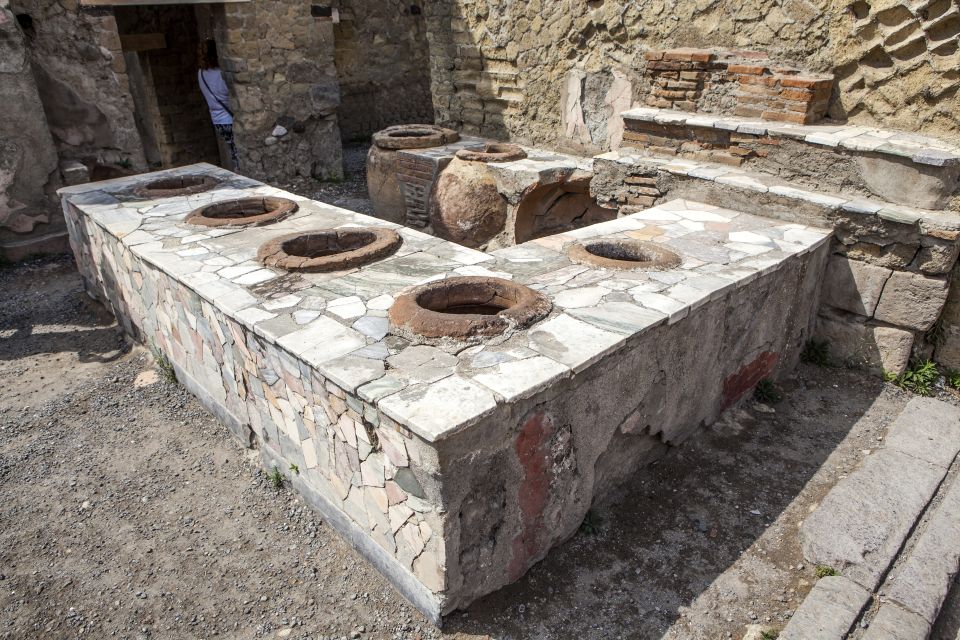
- Skip-the-ticket-line access helps you spend more of your time inside the excavations
- Murals and painted rooms stand out because the ash helped preserve color
- Eruption storytelling connects the city to what Vesuvius did, and why it mattered
- Private pacing for families, with guides willing to answer lots of questions
- Visual help with an iPad can make first-century buildings easier to picture
Herculaneum: the Vesuvius city that stayed intact
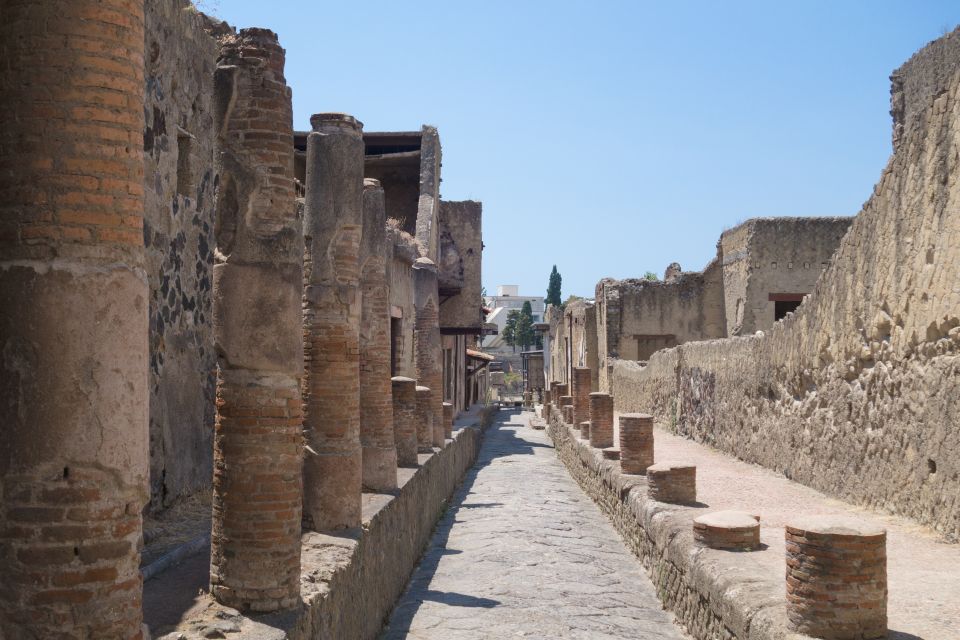
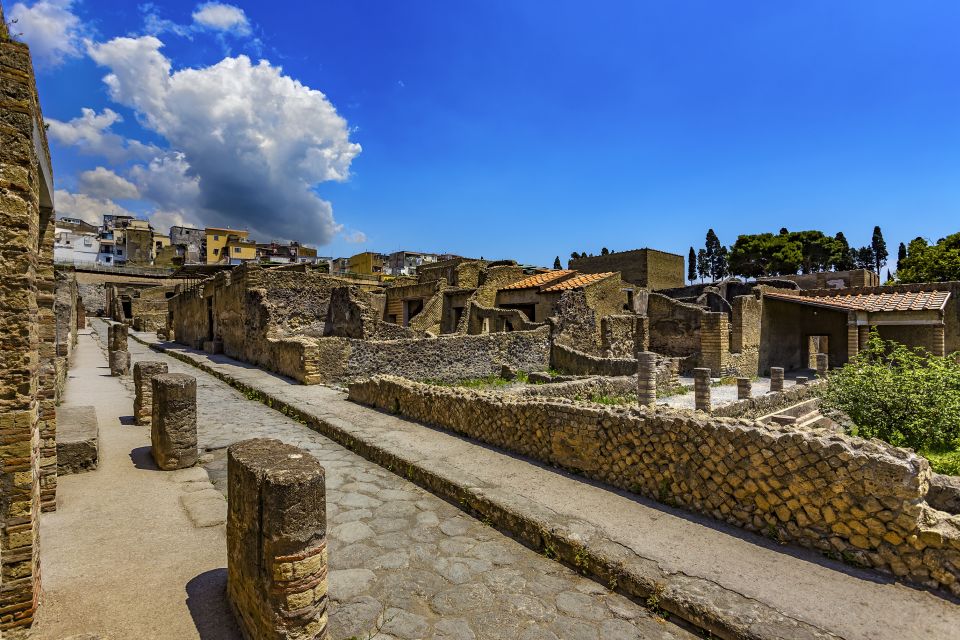
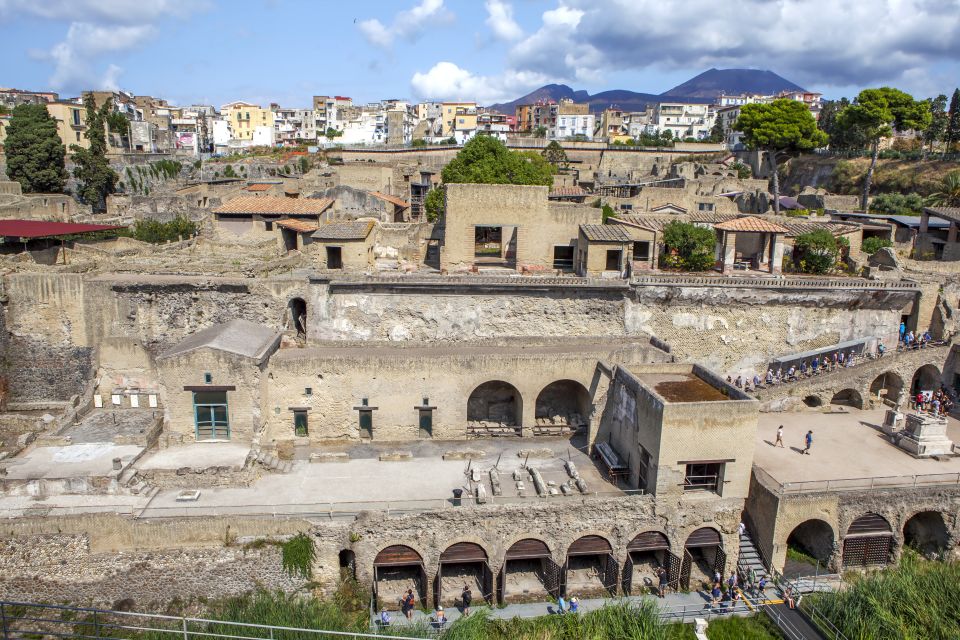
Herculaneum is part of the same eruption story as Pompeii, but it feels different once you’re walking the site. The basics are simple: both places were buried when Mount Vesuvius erupted, and both preserve daily life from Roman times. What makes Herculaneum special is the way it was covered. Herculaneum was closer to Vesuvius than Pompeii, and it was buried in a way that helped protect buildings more effectively.
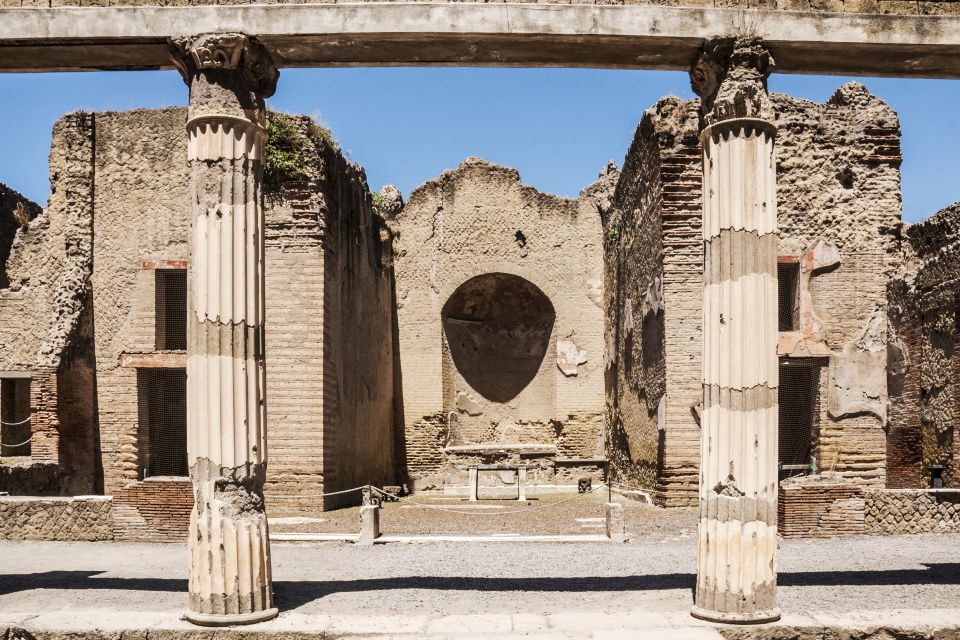
That preservation changes what you’ll see. In many ruined cities, you mostly get walls and foundations. Here, you’re more likely to notice surfaces that still tell you how rooms looked and what people cared about. It’s not just structure. It’s the feel of a lived-in place.
And because the tour is guided, that difference matters. A good guide points out what preservation actually means for you as a visitor. You’re not just seeing “old rocks.” You’re reading evidence: surfaces that endured, artwork that survived, and architectural details that let you picture Roman homes more clearly.
You can also read our reviews of more guided tours in Archaeological Site Of Herculaneum
The 2-hour flow: what you’ll do on the ground
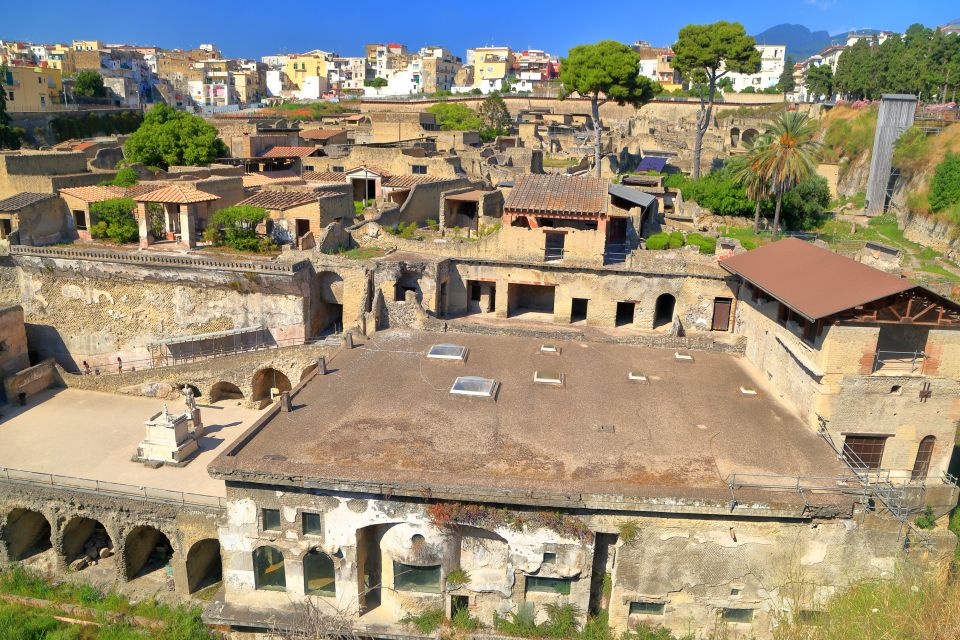
This is a private guided tour designed to work in a compact time window. You’ll meet your guide at the Herculaneum site (the exact meeting point can vary based on the option you book), then spend about 2 hours exploring with a live guide.
Here’s the pacing you can expect, in plain terms:
First, you’ll get oriented fast. Even if you know Pompeii well, Herculaneum requires a different mental map. The guide uses the ruins like a timeline—helping you understand what you’re looking at and how the eruption changed everything in a sudden moment.
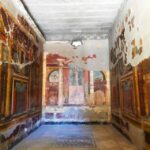
Next comes the main draw: the homes and their painted interiors. The tour highlights colorful murals and other artwork associated with wealthier Roman households. That matters because it shows Herculaneum wasn’t only surviving—it was also showing off. The guide will connect those paintings to Roman culture and daily life, so you get more than decoration. You get meaning.
Then you’ll shift into the eruption story and impact. The guide explains what happened, why Herculaneum’s location and burial method mattered, and what the ruins now tell us. This is where a private guide earns their keep: they translate a volcanic disaster into something you can understand while you’re standing inside the evidence.
Finally, you’ll finish back at the meeting point. With a site this dense, the smartest private tours don’t try to rush you through everything. They focus on key sections and use your time where it counts.
Murals and artwork: why the colors survive
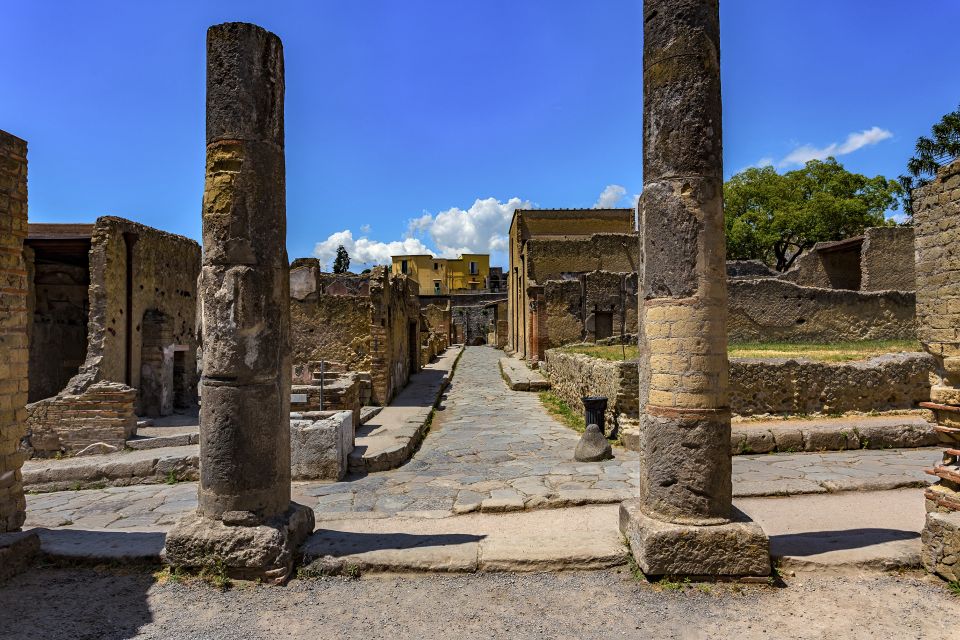
If you’re coming to Herculaneum for one thing, make it this: the chance to see painted rooms. The tour is built around the murals and artwork that were preserved by ash.
In a typical archaeological site, walls are often blank—mostly you see what’s left after centuries of weather. Here, ash helped protect surfaces in a way that lets you experience some of the original visual impact. That changes the mood instantly. You’re no longer staring at mute stone. You’re meeting the Roman eye, the Roman taste, the Roman way of filling space.
What I think is especially valuable: a guide helps you notice details you’d otherwise miss. A mural isn’t just a pretty pattern. It’s a clue to household identity, social status, and how people wanted their homes to feel. Your guide also connects the art to the broader eruption story, so the paintings aren’t isolated museum objects. They become part of the moment when life stopped.
Private guides make the ruins click
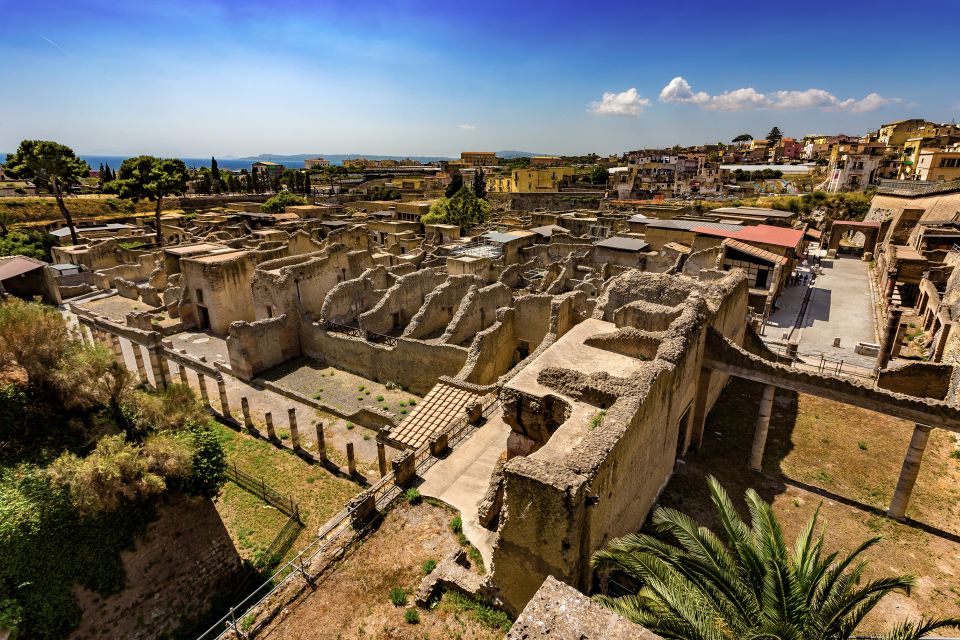
A private tour only works if the guide can handle the site and the questions. The feedback on this experience points to exactly that kind of performance.
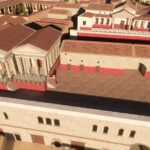
People mention guides such as Daniela, Alessia, and Teresa for doing more than reciting facts. One standout detail: Daniela reportedly used an iPad for visualizations, helping people picture what certain buildings may have looked like in the first century. That kind of tool is practical. You don’t have to be an art history student to benefit. It just helps your brain match the ruins to something human-scale.
There’s also a clear family advantage. Several comments mention guides taking time with children and staying pleasant even when questions pile up. If you’ve traveled with kids in historic places, you know the problem: many tours move too fast, and kids lose interest. Here, the format is built for flexibility, and the guides seem to know how to keep attention moving without steamrolling.
Language is another strength. This tour offers live guides in Spanish, English, French, Italian, and German. If you’re traveling with a mixed-language group, that’s a real convenience.
Price and value: when private is actually worth it
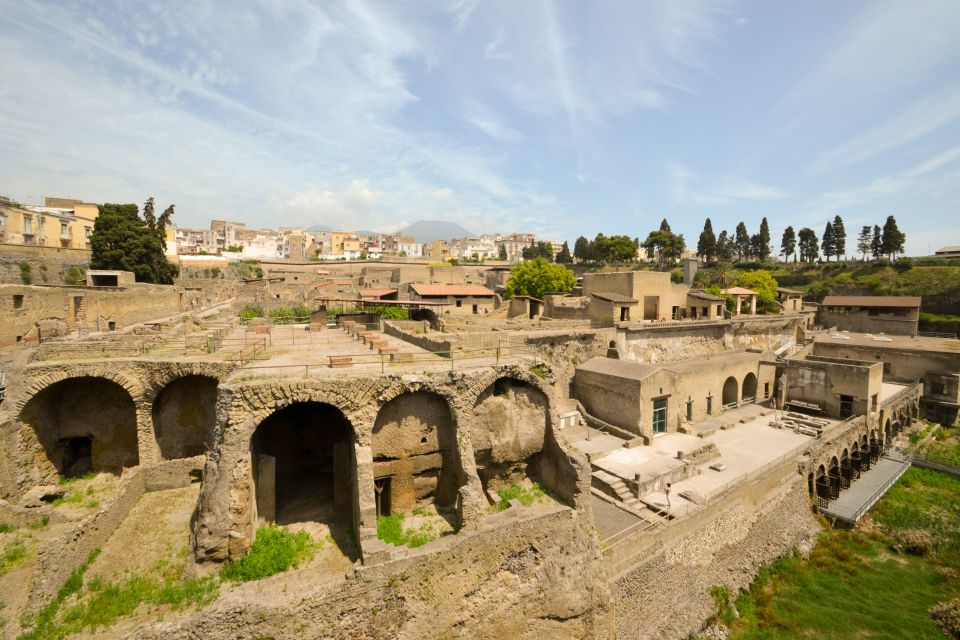
The price listed is $283.21 per group, up to 8 people. That sounds like a big number until you do the math the way it matters on vacation: time, attention, and convenience.
For a 2-hour site visit, private value usually comes from three places:
- You skip the general ticket line, so your time doesn’t vanish waiting
- You don’t waste energy figuring out what matters; your guide directs you
- You can match the pace to your group, especially with children or slower walkers
If you’re traveling solo or as a couple, you’re paying for focused access. In that case, you’ll get the best value if you’re actively curious and want the explanation in real time. If you can only manage quick sightseeing, a private guide might feel like overkill.
If you have a family (or a small group of friends), this format becomes much easier to justify. Splitting the cost across multiple people often makes it close to the price of other guided options, while still giving you control over pace and questions.
You can also read our reviews of more private tours in Archaeological Site Of Herculaneum
Practical tips that will save you stress
A smooth visit is all about small preparation, because Herculaneum is a walking site and you’ll be on your feet for the full 2 hours.
Bring comfortable shoes. This part of Italy can be hot, and you’ll want support for uneven ground.
You’ll also need ID. Bring your passport or ID card. If anyone in your group is under 18, their ID should be with them too.
Skip the big carry-ons. Luggage or large bags are not allowed, so travel light.
Here’s one more timing note worth planning around: the first Sunday of each month has free entrance, but tickets can’t be reserved ahead of time, and entry isn’t guaranteed. If you’re traveling on that day, you’re taking a bit of a gamble. A guided tour with skip-the-line helps on most days, but free-entry Sundays still depend on site conditions.
Transportation, meals, and drinks are on you. The tour covers the guide and the experience itself, so build your day around getting to Herculaneum and then fueling before or after.
How to make the most of only 2 hours
You don’t get unlimited time here, so you should show up with a plan for how you want to experience Herculaneum.
If you want the best shot at satisfaction in the 2-hour window, do this:
- Ask your guide to prioritize what you care about: murals, eruption story, or Roman daily life
- Use the murals as anchor points, not a background stop
- Don’t be shy about questions—this tour’s private structure is meant for that
- If heat is an issue, ask your guide where you can pause briefly without losing the thread
Some feedback suggests the tour can feel too short for absorbing everything. That’s not a problem with the tour—it’s a sign that Herculaneum gives you a lot to see and process. If you know you’re a slow-savor type, consider booking your visit when you can linger afterward on your own.
Who this tour is best for
This experience fits best when you want both structure and flexibility.
It’s a great pick if:
- You’re visiting with kids and want a guide who can handle questions and keep things engaging
- You want the eruption explained clearly while you’re standing in the evidence
- You appreciate art and interior details, not just stone outlines
- You’re on a schedule and need a focused 2-hour visit with private pacing
It may be less ideal if:
- You hate guided tours and prefer silent wandering
- You need a very deep, multi-hour archaeological session with lots of breaks and extra stops
Should you book the Herculaneum 2-hour private guided tour?
I’d book it if your goal is to leave with a real understanding of what Vesuvius did, why Herculaneum is preserved differently, and how the murals connect to Roman life. The combination of private guide, skip-the-ticket-line, and a strong emphasis on artwork is what makes this tour feel like more than a walk through ruins.
I’d pause only if you’re extremely time-rich and want to spend half a day studying the site at an unhurried pace. In that case, you might want a longer guided option. But for most people—especially families—the 2-hour format is a smart way to get the most important parts without turning your day into a logistics puzzle.
FAQ
How long is the Herculaneum 2-hour private guided tour?
The tour lasts 2 hours.
Where does the tour start and end?
You meet your guide at a meeting point that may vary depending on the option booked, and the tour ends back at the meeting point.
Is transportation to Herculaneum included?
No. Transportation to Herculaneum is not included.
What’s included with the private guided tour?
The tour includes a private guided tour. An entrance ticket to the Herculaneum archaeological site is included only if selected as an extra.
What languages are available for the guide?
Guides are offered in Spanish, English, French, Italian, and German.
What should I bring?
Bring your passport or ID card and wear comfortable shoes.
Are large bags allowed?
No. Luggage or large bags are not allowed.