REVIEW · ARCHAEOLOGICAL SITE OF HERCULANEUM
2-Hour Private Tour of the Ruins of Herculaneum
Book on GetYourGuide →Operated by Leisure Italy · Bookable on GetYourGuide
Ash froze a Roman city, and it still speaks. This private 2-hour tour of Herculaneum shows you daily life stopped in 79 AD, including houses with mosaic floors and frescoes and even the remains of people killed instantly by the eruption. The upside is huge, but the main drawback is simple: you are paying for a premium private experience, and the visit time can feel tight if you want to linger.
What makes this site extra rewarding is the way Herculaneum stays compact. You spend your time where the evidence is strongest, from the marina area with human skeletons to the gym and spa spaces where Roman routines still read like a routine, not a museum label.
I also like that the tour is built around expert guidance and key set pieces, not random wandering. For the price (about $167.66 per person for 2 hours), you’re really buying direction, context, and an efficient route through the major attractions—which is great for many people, but not ideal if you prefer a long, slow self-guided stroll.
In This Review
- Key highlights to look for
- Why Herculaneum Feels Different From Pompeii’s Bigger Ruins
- Getting Oriented Fast: Meeting at the Only Ticket Office
- Walking at the Bottom: What “75 Feet Deep” Changes
- The Marina Area: Where Panic Left Bones and a Boat
- House of the Albergo Gardens: Quince Apple Trees Return
- Council Hall of the Augustali: Frescoes and Hercules
- House of Neptune and Amphitrite: Mosaics You Can Read
- The Ancient Big Gym and Roman Spa Complex
- Villa dei Cervi: A Wealthy Roman’s World, Fully Illustrated
- Price and Timing: Is $167.66 per Person Worth It?
- Who Should Book This Private Tour (and Who Might Skip It)
- Should You Book This Private Tour of Herculaneum?
- FAQ
- How long is the tour of the ruins of Herculaneum?
- Is this tour private?
- What’s included in the price?
- What languages are available for the guide?
- Where do I meet the guide?
- Does the tour include skip-the-line entry?
- What should I bring?
- Are large bags or luggage allowed?
- Is this tour suitable for wheelchair users or people with mobility impairments?
- Is entrance free on the first Sunday of each month?
Key highlights to look for
- Expert private guide: stories that connect the ruins to real Roman life
- Frozen-in-time preservation: ancient houses you can approach closely
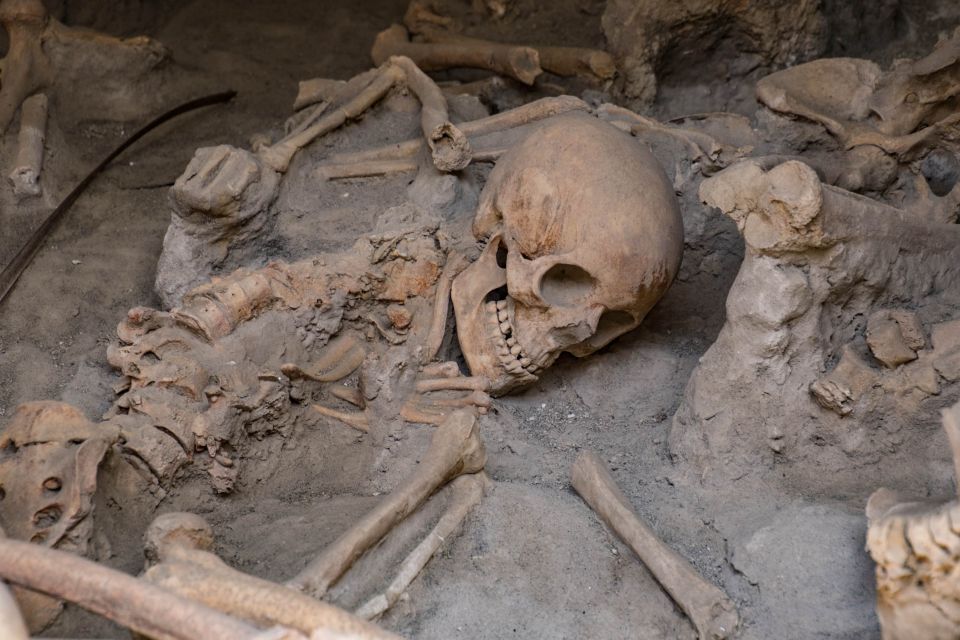
- Marina evidence: the area where 300 human skeletons were found, plus a boat on display on weekends
- House of the Albergo gardens: quince apple trees reintroduced using evidence from carbonized roots
- Grande Palestra and Roman spa areas: exercise and recovery spaces revealed under ash
- Villa dei Cervi: standout wealth, shown through mosaics, frescoes, and statuary
Why Herculaneum Feels Different From Pompeii’s Bigger Ruins
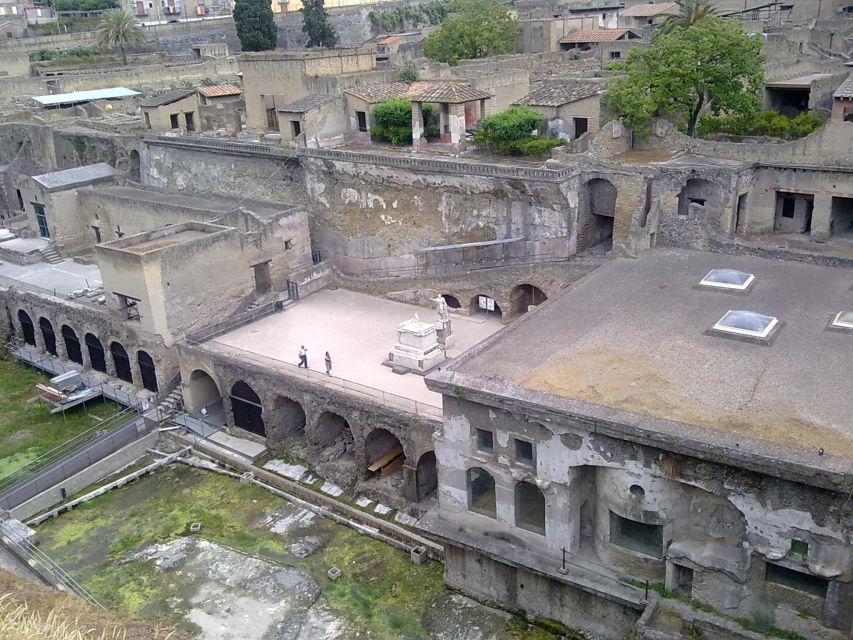
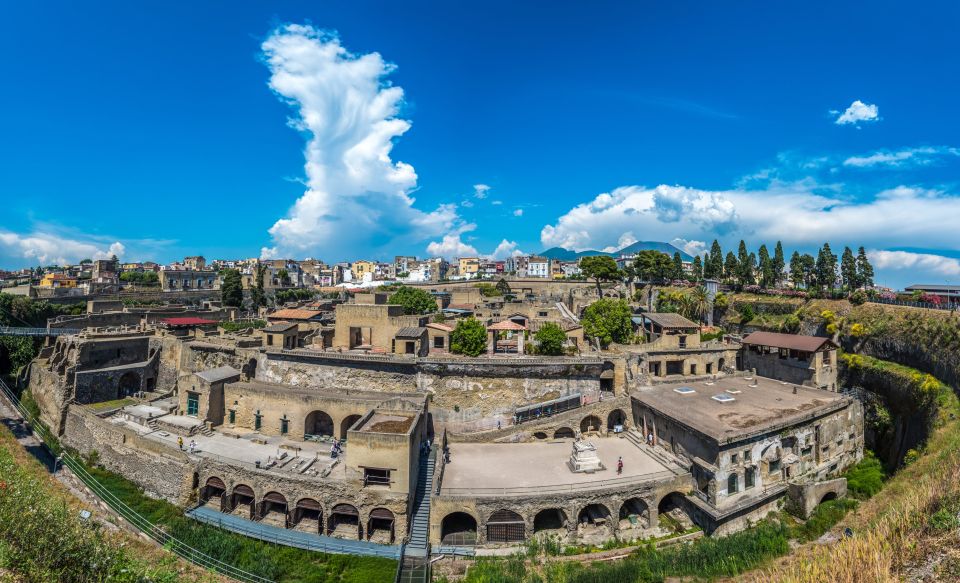
Herculaneum is the smaller sister of Pompeii, hit by the same catastrophic eruption in August 79 AD. The scale is different, but the impact is sharper: the buildings and rooms feel more intimate because you’re walking through a town that didn’t spread as far.
If you’re coming from Pompeii earlier (or you plan to after), this kind of focused visit is a smart way to compare the stories. Pompeii often feels like a large stage; Herculaneum feels like a snapshot, with details you can actually track from room to room.
Because the tour is only two hours, it also nudges you to prioritize what matters most. You’ll see the major zones that carry the best visual evidence—so you don’t burn time searching for the next “wow.”
You can also read our reviews of more private tours in Archaeological Site Of Herculaneum
Getting Oriented Fast: Meeting at the Only Ticket Office
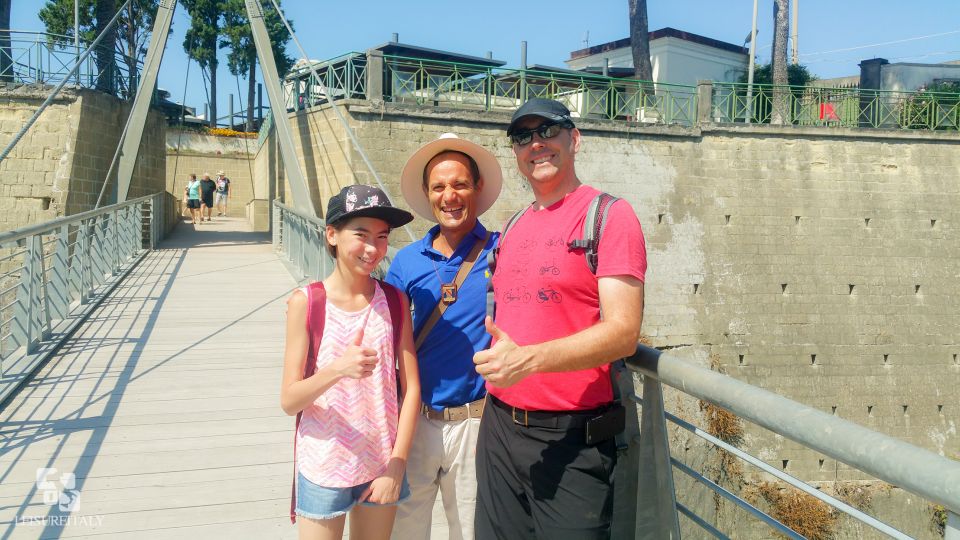
You’ll meet your guide right at the Herculaneum Archaeological Park at the ticket office area. The guide holds your name on a sign at the only ticket office, which keeps the start from turning into a scavenger hunt.
This is also where the “skip the ticket line” benefit matters. Even with a private tour, the park entrance process can slow you down, and here you’re meant to lose less time before you begin looking closely at walls, mosaics, and room layouts.
The tour is private, and it runs with a live guide in Spanish, English, French, or Italian. That matters because many of the most interesting moments here are interpretive—knowing what you’re looking at, and why it survived the way it did.
Bring comfortable shoes. The park is an archaeological site, and you’ll want solid footing for walking close to preserved areas without rushing.
Walking at the Bottom: What “75 Feet Deep” Changes
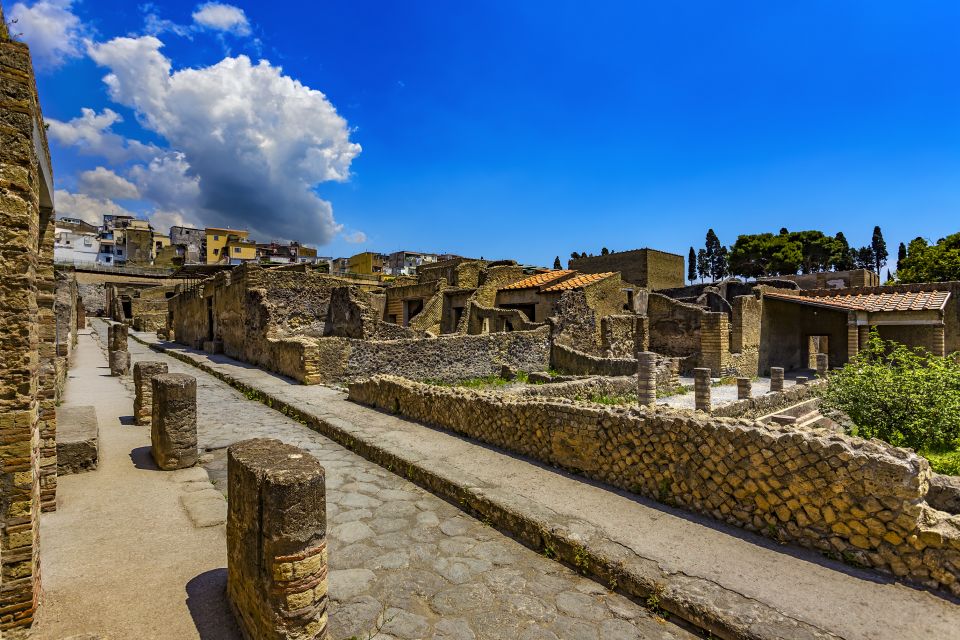
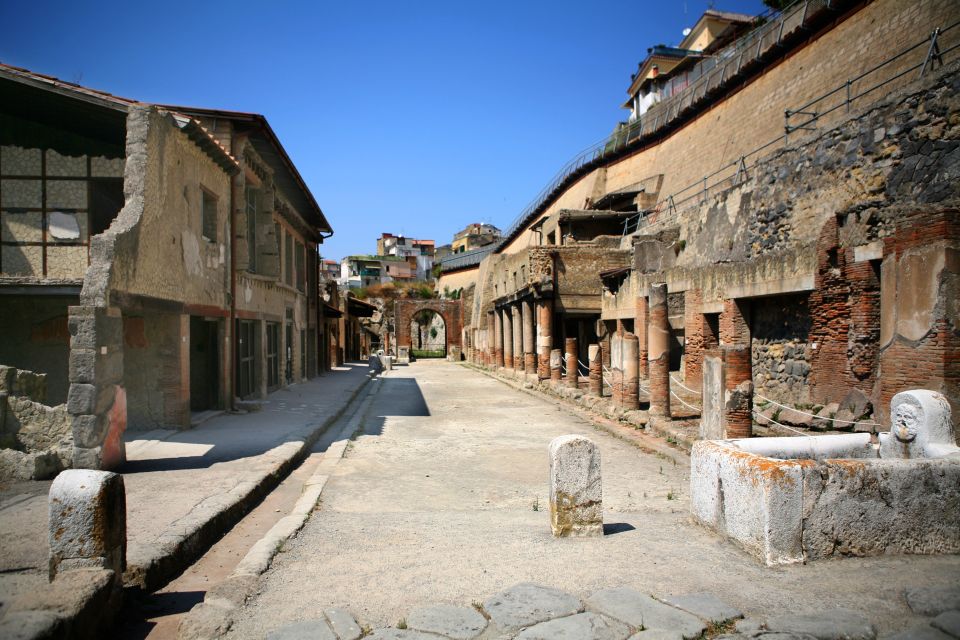
One detail sets the tone immediately: the ancient town lies at the bottom of an archaeological hole, about 75 feet deep. That means the ruins feel more controlled and enclosed than you might expect, like you’re walking through the preserved interior of a buried world.
This is where Herculaneum wins. You’re not just viewing collapsed stone from a distance; you’re seeing rooms and structures designed for people—houses, public spaces, and wealthy villas—still readable enough to understand how the Romans used them.
The tour structure is tight, so you’ll get fewer stops than a longer visit, but the stops are chosen for clear evidence. You’ll see the key attractions that let you understand the town quickly without guessing.
The Marina Area: Where Panic Left Bones and a Boat
A major stop is the marina area, where evidence of the disaster includes 300 human skeletons. It’s the kind of scene that instantly changes how you interpret everything you’ll see next—because you start thinking about the eruption as lived time, not a date in a textbook.
There’s also a boat associated with the findings. The boat is on display on weekends, so if you’re visiting on a weekday you might not see it then; in any case, you can still focus on what the location tells you about everyday life and how quickly events overwhelmed it.
I like this stop because it gives emotional weight without turning the ruins into spectacle. Your guide can connect what you’re seeing with how a Roman coastal town worked, then you move on to the domestic and public spaces.
House of the Albergo Gardens: Quince Apple Trees Return
One of the most interesting, human-scale moments on this tour is the garden of the House of the Albergo. Quince apple trees have been replanted after evidence of carbonized roots was found—proof that the eruption didn’t just bury buildings, it preserved traces of daily agriculture.
This is more than a quirky detail. It helps you visualize the town as a living system. When you see a garden evidence like this, you stop thinking only about grand villas and start imagining what was grown, harvested, and replanted.
It also gives the tour a nice rhythm shift. After heavier, darker disaster evidence, the garden feels grounded and practical—Roman life continuing in fragments, then returning in modern restoration.
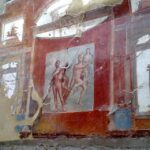
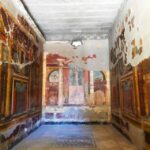
Council Hall of the Augustali: Frescoes and Hercules
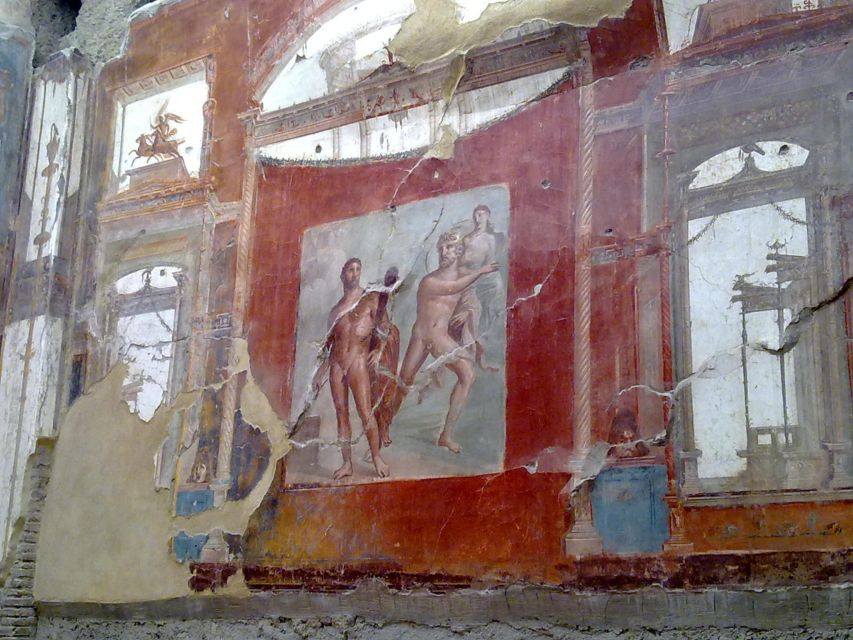
Next you’ll head to the Council Hall of the Augustali. Here, beautiful frescoes depict Hercules, giving you a direct peek at religion, identity, and symbolism in public or semi-public space.
Frescoes are one of the defining features of Herculaneum, and this kind of stop shows why the site is famous. The images aren’t just decorative; they connect to the culture and social structures of Roman communities.
In a private setting, you can ask questions about what you’re seeing and how it fits together. That flexibility is one of the best uses of paying for a guide, because you’re not stuck with a fixed script that doesn’t match your curiosity.
House of Neptune and Amphitrite: Mosaics You Can Read
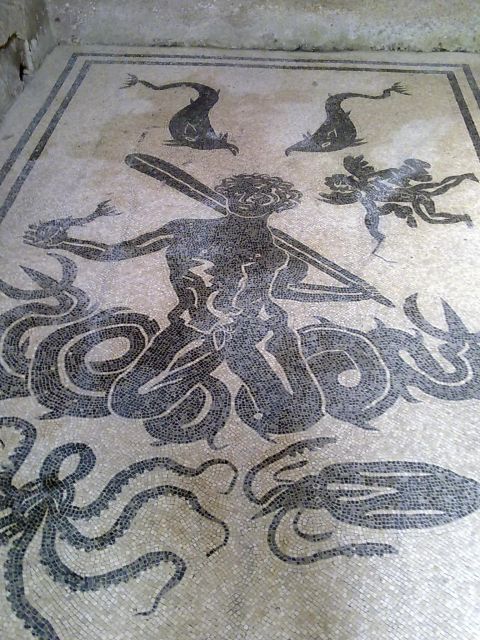
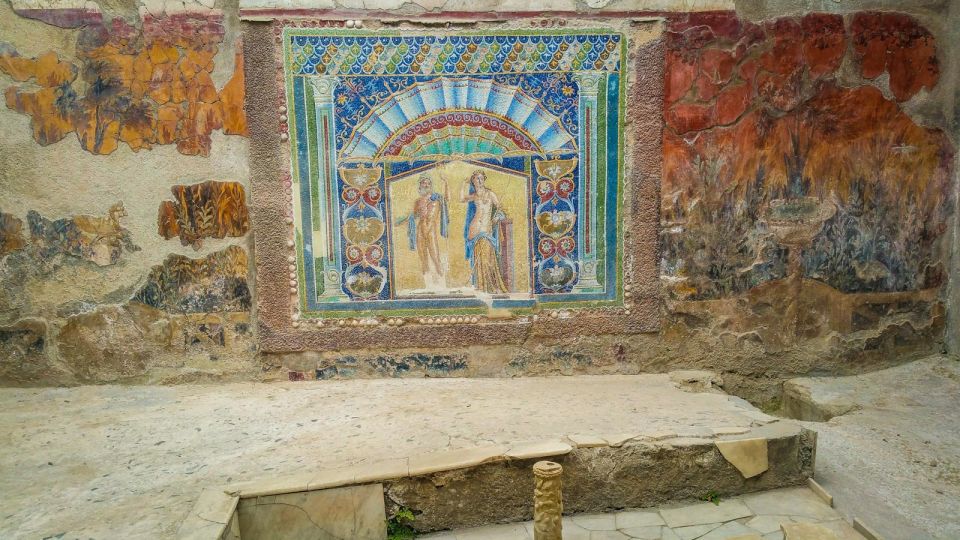
The tour’s mosaic stops are built around the House of Neptune and Amphitrite. This is where you’ll see mosaics as more than floor art. In a Roman home, mosaics often signal status and taste, and they also show how myth and daily life mixed.
You’ll also see a neighboring store area where food and wine containers are still hanging on the walls, carbonized by the volcano. It’s an arresting kind of evidence: objects preserved in place help you picture commerce and storage as an immediate, practical activity, not a distant abstraction.
I like that the guide connects the dots between decorative art and daily routines. Once you’ve seen the mosaics, the store evidence makes more sense—because both reflect Roman priorities: beauty, function, and order.
The Ancient Big Gym and Roman Spa Complex
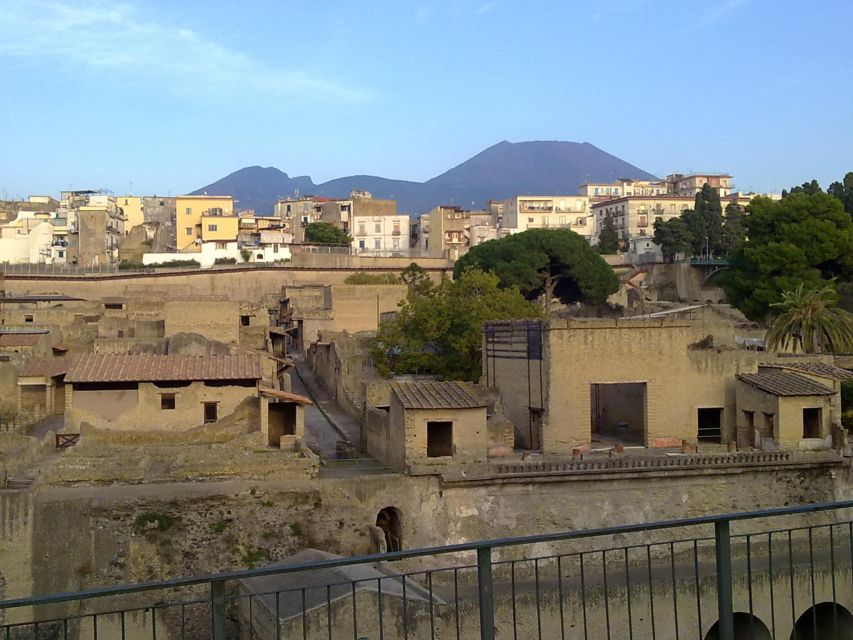
Two of the most memorable ruins here are the Grande Palestra, often called the Big Gym, and the ancient spa area. The Big Gym is a strong clue that Herculaneum wasn’t only about housing and wealth—it was also about public fitness and social routines.
This is also one of the places where you can start noticing the volcanic evidence in a more structural way. You’re looking at rooms made for movement and training, and that changes how you interpret how the eruption disrupted normal life.
After that, you’ll go to the spa area, still covered with mosaics from Roman saunas, gyms, hot rooms, and cold tubs. This stop helps you understand the Roman concept of recovery and routine: exercise, bathing, and temperature shifts within a single complex.
The mosaic coverage matters because it keeps the spa from feeling purely functional. It’s both a place to care for the body and a place that displays culture through design.
Villa dei Cervi: A Wealthy Roman’s World, Fully Illustrated
To close, the tour takes you to Villa dei Cervi, often described as the most spectacular villa at Herculaneum. It’s tied to the villas of the wealthiest citizens, and you can see that luxury through mosaics, frescoes, and statues.
This stop is where the scale of wealth becomes easiest to understand. You’re not just seeing a single room decoration; you’re seeing a full lifestyle reflected in artistic choices and the effort put into ornament and display.
And because the tour is private, you can spend a moment longer on the details you care about most. If you’re drawn to floor patterns, focus there. If you prefer figures and statuary, ask your guide to point out what to look for.
Price and Timing: Is $167.66 per Person Worth It?
At about $167.66 per person for a 2-hour private tour, the value depends on what you want out of the ruins. You’re getting a private guide plus admission, and you avoid the ticket-line hassle, which can save time and stress.
The tour length is exactly two hours. That means you will likely cover most of the major areas, especially since the site is compact compared with larger archaeological parks. It also means you might feel the clock faster than you’d like if you enjoy slow, lingering looking.
That’s the main trade-off: you’re paying for efficiency and interpretation. If you’re the type who wants to stop often, sit, and absorb at your pace, two hours can feel short. If you want a guided sweep through the most compelling evidence, this format tends to work well.
One practical tip: wear shoes you trust. When the route is efficient, you’ll want to stay comfortable so you can spend your attention on the ruins instead of thinking about your feet.
Who Should Book This Private Tour (and Who Might Skip It)
I’d book this if you want a guided route through the major attractions of Herculaneum without spending hours deciding what to see first. It’s also a great pick if you’re pairing Herculaneum with Pompeii, because the two-hour structure helps you compare sites efficiently.
You’ll also appreciate it if you like evidence-based storytelling: skeletons in context, carbonized storage in a store space, and plant restoration through carbonized roots. This isn’t only art appreciation, and it isn’t only disaster history either. It’s the overlap.
I wouldn’t book it if you need wheelchair access or have mobility impairments. The tour is not suitable for wheelchair users or people with mobility impairments, likely because of the terrain and how you move through the archaeological areas.
It’s also not ideal if you’re traveling with large bags or luggage. Luggage and large bags are not allowed, so plan to travel light.
Should You Book This Private Tour of Herculaneum?
Yes, if you want a smart, focused introduction to one of Italy’s most haunting Roman sites. The combination of mosaic and fresco rooms, the spa and gym spaces, and the marina evidence makes Herculaneum feel real fast—and a private guide helps you read what you’re seeing instead of guessing.
Book it especially if you’re limited on time and want to see the key areas in two hours with minimal friction. The guide language options (Spanish, English, French, Italian) are also a solid plus if you want smoother communication.
Skip it if you want a long, unhurried self-guided day, because the format is designed for efficiency. Also, if you’re sensitive to paying premium prices for short on-site time, treat the duration as part of the deal.
If you’re on the fence, think like this: you’re not buying extra ruins. You’re buying explanations that turn the ruins into a story you can follow.
FAQ
How long is the tour of the ruins of Herculaneum?
It lasts 2 hours.
Is this tour private?
Yes, it’s a private group tour.
What’s included in the price?
A private guide and the admission fee are included.
What languages are available for the guide?
Guides are available in Spanish, English, French, and Italian.
Where do I meet the guide?
The guide will hold your name on a sign at the only ticket office in Herculaneum Archaeological Park.
Does the tour include skip-the-line entry?
Yes, it includes skipping the ticket line.
What should I bring?
Comfortable shoes.
Are large bags or luggage allowed?
No. Luggage or large bags are not allowed.
Is this tour suitable for wheelchair users or people with mobility impairments?
No, it’s not suitable for wheelchair users or people with mobility impairments.
Is entrance free on the first Sunday of each month?
Yes, entrance is free on the first Sunday of each month, but tickets cannot be reserved ahead of time, so entry is not guaranteed.