REVIEW · SORRENTO
The Three Tenors in Sorrento: Opera Arias, Naples and Songs
Book on GetYourGuide →Operated by Opera e Lirica srl · Bookable on GetYourGuide
A small concert hall, then three powerful voices. I loved the close-up sound and the way the evening shifts from classic opera to street-corner Naples energy. There’s one thing to consider: you’re in a compact room, so if you’re sensitive to heat or bright phone screens, plan for that.
The show is staged in the Correale Museum of Sorrento (via Correale 50), where you can walk through museum halls and the garden before the performance. You’ll hear the big-name arias people actually recognize—then a second half packed with Neapolitan songs and iconic Italian hits, with a bit of humor and audience participation.
This is also a practical pick for a short visit. With a total duration of about 80 minutes (including a 10-minute break), it’s an evening outing that doesn’t swallow your whole night—yet it still feels like a real Sorrento experience.
In This Review
- Key things to know before you go
- The Correale Museum of Sorrento turns opera into something personal
- Arrival and pre-concert garden time (this is part of the show)
- The first half: opera arias with instant recognition
- Meet the cast: the tenors and musicians behind the sound
- The second half: Neapolitan songs and the Naples energy you can feel
- The full program, in plain English: how to follow along
- Price and value: why about $71 can make sense here
- Comfort notes that actually affect your enjoyment
- Who should book this Three Tenors concert (and who might not)
- Should you book the Three Tenors in Sorrento?
- FAQ
- How long is the concert?
- How much are tickets, and what’s included?
- Where does the concert take place?
- Is the venue wheelchair accessible?
- Are pets allowed?
- Can I get a refund if my plans change?
Key things to know before you go
- Correale Museum setting: a museum concert space that makes voices feel unusually present
- Two-part program: famous opera arias first, then Neapolitan songs and popular Italian favorites
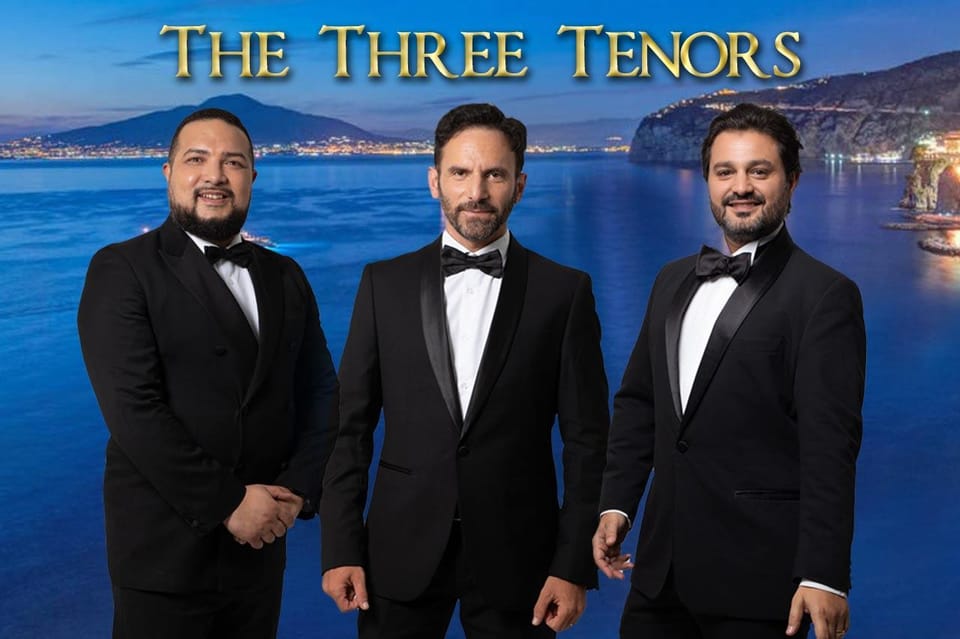
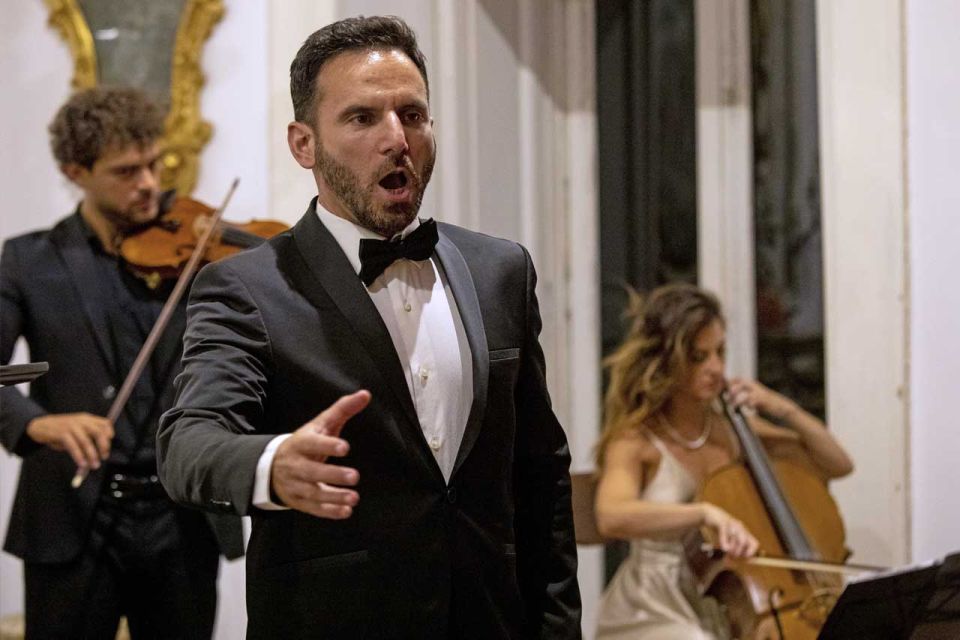
- Three tenors, full sound: Francesco Fortes, Alessandro Fortunato, Stefano Sorrentino plus string quartet and piano
- Pre-concert time: stroll the museum and garden before the show
- Interactive and funny: expect more than passive listening
- Intimate hall: the audience space is small, so phones and heat can matter
The Correale Museum of Sorrento turns opera into something personal
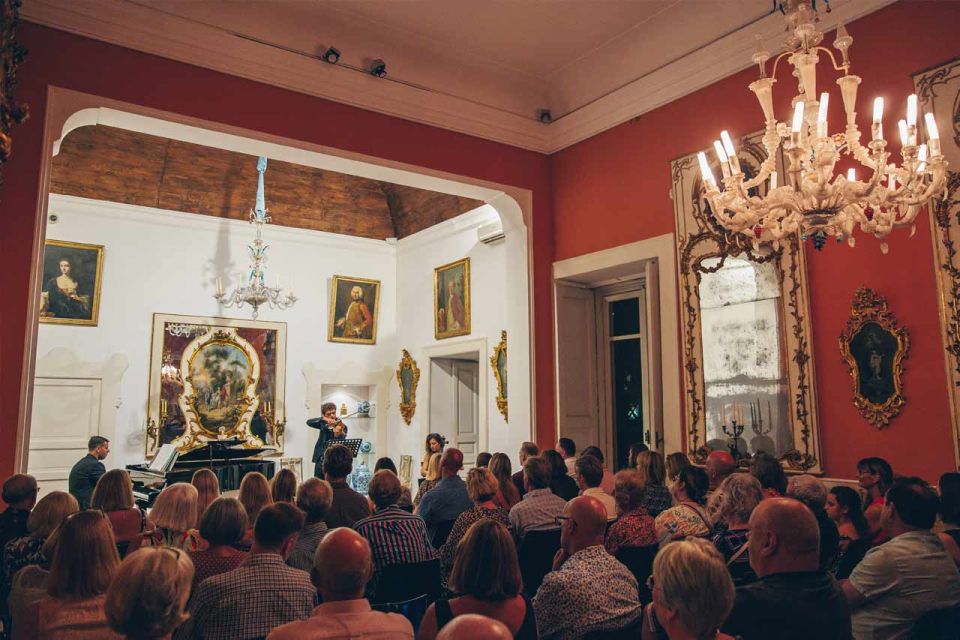
If you think opera has to be formal and far away, this concert challenges that idea fast. The evening happens at the Museo Correale di Sorrento in a dedicated concert hall inside the museum complex, so you’re not looking at performers from the back row of a theater. You’re close enough that you can track what’s happening musically—breath control, phrasing, and how the singers shape emotion.
What I like about this venue is the way it balances two worlds at once. On one side you have classic repertoire: Tosca, Rigoletto, Turandot. On the other you have a museum atmosphere—stone-and-history feels, garden strolls, and a calm start before the sound begins. One guest even described the room as extremely intimate, around 100 people, and that small scale is exactly why the acoustics get such a strong reaction.
Possible drawback: even with air conditioning listed, small indoor rooms can still feel warm in peak seasons. I’d dress in light layers so you’re comfortable no matter what the weather is doing outside.
You can also read our reviews of more tours and experiences in Sorrento.
- Sorrento Farm and Food Experience including Olive Oil, Limoncello, Wine tasting
★ 5.0 · 2,524 reviews


Arrival and pre-concert garden time (this is part of the show)
Your meeting point is straightforward: make your way to the Correale Museum of Terranova at via Correale 50, Sorrento. Plan to arrive with time to settle in, because the event isn’t only “take your seat and wait.”
A big plus here is the chance to walk through the museum halls and garden before the concert. That time matters more than you might think. It turns a ticket into an evening. You’ll get a quick dose of Sorrento’s culture and atmosphere, and then you transition naturally from strolling to listening.
This is also where you might see informal drink service. At least one review notes buying a glass of white wine for around €5 in the garden area before the concert. Food and drinks are not included in the ticket price, so if you want refreshments, budget separately.
Practical tip: if you’re sensitive to distractions, aim for seats where you won’t have to look past someone else’s phone.
The first half: opera arias with instant recognition
The concert is built like a two-act story. The first part is opera arias from some of the most famous works in Italian repertoire. Even if opera isn’t your default music, this section works because it leans on melodies you’ve probably heard before—at least in fragments.
Here’s the arc you’ll experience:
- The show opens with Jules Massenet – Thais: Meditation, a softer start that lets the hall settle into the singers’ control.
- Ruggero Leoncavallo – Vesti la giubba brings intensity and drama early on.
- Ernesto De Curtis – Non ti scordar di me shifts the mood toward romance and nostalgia.
- Giacomo Puccini – Tosca: E lucevan le stelle is emotional weight on a stage that stays intimate enough for that emotion to land.
- Pietro Mascagni – Cavalleria Rusticana: Intermezzo gives you a musical breather where strings carry the feeling.
- Then you hit big public favorites: Verdi – La donna è mobile and Puccini – Turandot: Nessun dorma.
- The first half closes with Verdi – La Traviata: Libiam nei lieti calici, which feels like a celebratory release after all that drama.
Why this matters for you: this isn’t “opera for opera people only.” It’s opera set up to be understood. The choices are famous because they’re recognizable, and that recognition lowers the barrier to enjoying the performance—even if you don’t know the plot details.
Possible drawback: because these are famous pieces, the crowd energy can rise fast. If you prefer quiet, focused listening, you may need to manage expectations for audience involvement.
Meet the cast: the tenors and musicians behind the sound
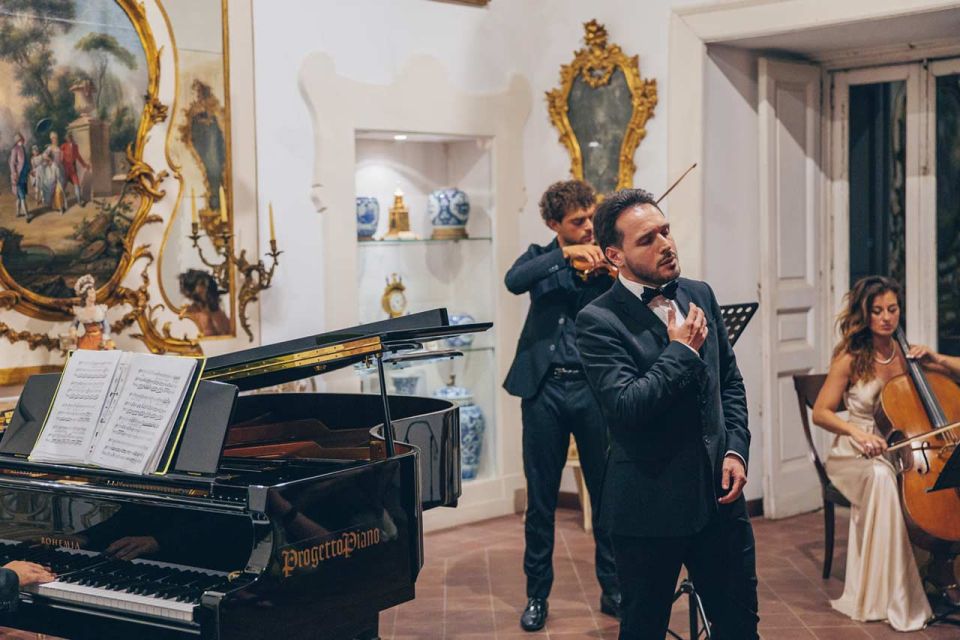
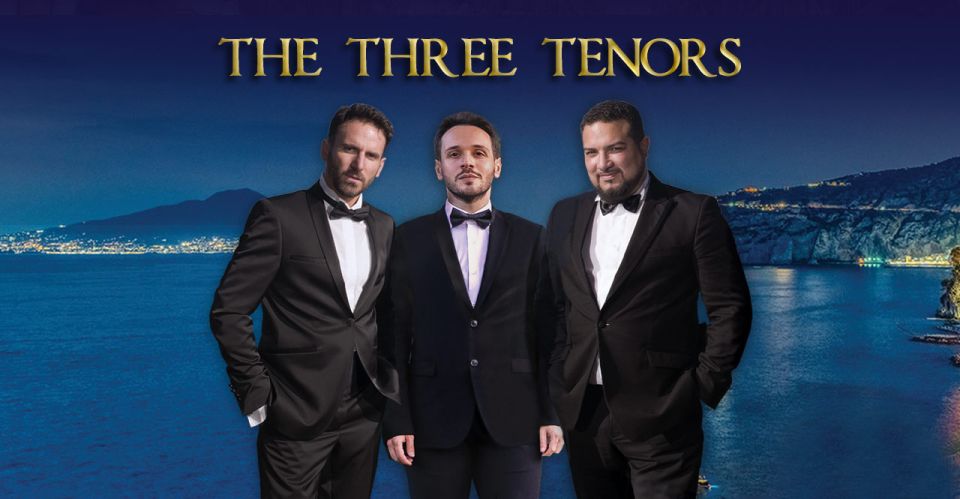
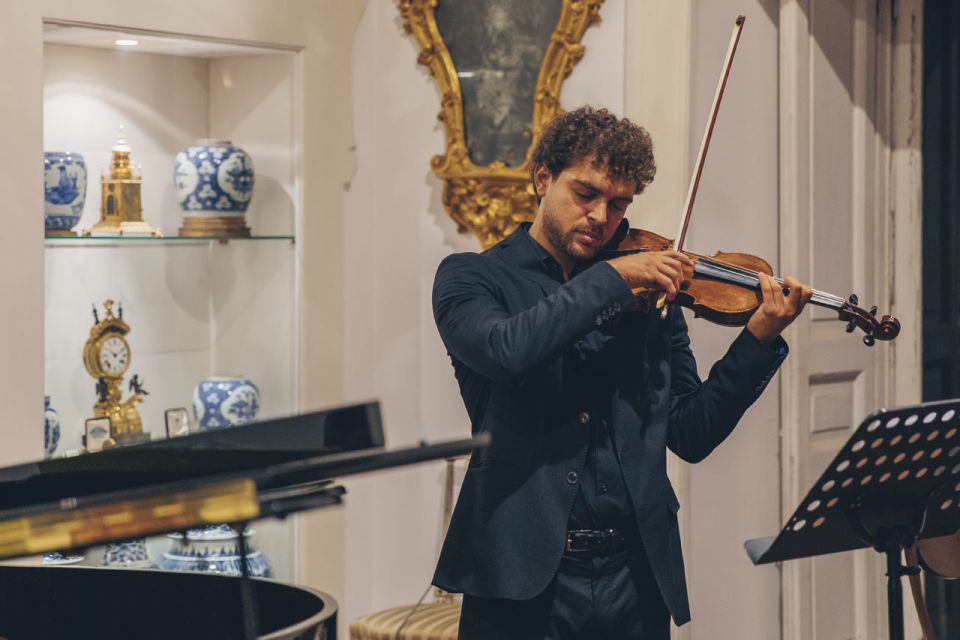
The “Three Tenors” idea here is literal. You’ll hear Francesco Fortes, Alessandro Fortunato, and Stefano Sorrentino. That trio is supported by a small chamber setup: piano (Davide Cesaranovi), violin (Andrea Montellacello), and cello (Norma Ciervo), with additional strings included as part of the full ensemble.
What stood out to me in a setting like this is how the voices don’t just project—they interact. In a bigger theater, you can hear singing but lose the fine details. In a museum hall, the blend becomes clearer. When the tenors trade lines or harmonize, you can feel the shape of the music rather than only hearing the volume.
It also helps that the instrumentation is agile. The violin and piano don’t bury the singers. They underline the emotion and keep the rhythm moving so the program doesn’t sag.
If you’re a music fan who likes to listen for texture, you’re in good hands: even the non-vocal parts get enough space to feel purposeful.
The second half: Neapolitan songs and the Naples energy you can feel
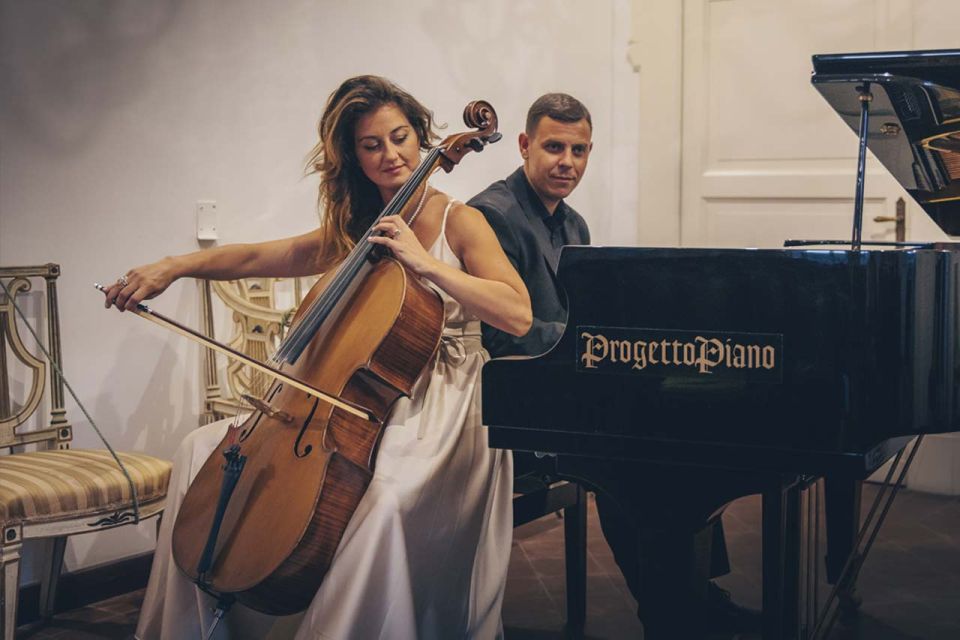
Act two flips the mood in the best way. After the 10-minute break, the concert moves into a medley of canzoni napoletane—Neapolitan songs—and a few beloved Italian hits that many people instantly connect with.
The listed set includes:
- Vincenzo D’Annibale – ’O paese d’ ’o sole
- Cesare Bixio – Parlami d’amore Mariù
- Enrico Cannio – ’O surdato ’nnamurato
- Eduardo di Capua – ’O sole mio
- Domenico Modugno – Nel blu dipinto di blu
- Lucio Dalla – Caruso
- Ernesto De Curtis – Torna a Surriento
- Luigi Denza – Funiculì funiculà
- Plus Andrea Bocelli – Con te partirò added to the mix
This second half works because it’s not just “songs from Naples.” It’s an attitude: nostalgia, romance, swagger, and a bit of theater. Reviews repeatedly point to the performers’ chemistry and the lively feel, and that makes sense here. The melodies are singable, the themes are emotional, and the pacing keeps the hall awake.
Practical tip: if you want to fully enjoy this act, loosen your expectations a little. You don’t need to know the lyrics. The rhythm and delivery do a lot of the emotional work.
- Sorrento Farm and Food Experience including Olive Oil, Limoncello, Wine tasting
★ 5.0 · 2,524 reviews



The full program, in plain English: how to follow along
You’ll have an easier time enjoying the show if you know what’s coming. Think of the evening as moving from “big opera moments” to “classic Italian sing-along emotions.”
- Opening (Meditation + drama): quiet control, then sudden intensity
- Middle (romance + intermezzo): songs that tug at the heart, plus a musical reset
- High points (La donna è mobile + Nessun dorma): the kind of arias people come to recognize
- Shift to Naples (break, then medley): the energy changes from stage tragedy to local warmth
- Closer (Sorrento + party favorites): the finish is built for satisfaction, not for silence
Also note the tone: the concert is described as having both funny moments and emotion that can hit hard. That blend is exactly why this experience often feels like more than a “concert ticket.” It’s an evening with a story arc and real performer energy.
Price and value: why about $71 can make sense here
At $71 per person for an 80-minute concert, you’re paying for several things at once:
- Big-name style casting (three tenors)
- Live chamber ensemble (piano, strings, and more)
- A venue upgrade (the museum hall + garden time)
- A focused format that doesn’t require a half-day commitment
If you’re comparing this to a typical “evening out” in a major city, $71 might feel like a bargain when the hall is intimate and the voices fill the room. It’s not a long production with a massive cast, so it stays efficient. You’re getting a concentrated hit of Italian music—opera icons first, then the Naples song tradition.
One consideration: because food and drinks aren’t included, you might spend extra if you want wine, water, or a pre-show glass. Still, that optional add-on is easy to manage since the core experience is already built into the ticket.
Comfort notes that actually affect your enjoyment
A concert can be perfect on paper and annoying in real life if your comfort is off. Here are the practical points that matter most in this specific setting:
- Heat: even with air conditioning listed, warm weather can still feel intense in small rooms. Light layers help.
- Phones: in an intimate hall, any bright screen can cut through everything. If you can, keep your phone in your pocket and enjoy the sound.
- Seat visibility: because the room is small, try to choose seats where you have a clear view without leaning or craning.
On the positive side, the venue is repeatedly praised for acoustics. That’s the kind of detail you care about when you’re choosing between experiences. In this kind of hall, good acoustics mean you hear the words and the musical nuance, not just volume.
Who should book this Three Tenors concert (and who might not)
This is a great fit if you want a memorable Sorrento night without over-planning. You’ll probably love it if:
- you enjoy Italian opera arias and want the famous ones performed live
- you’re curious about Neapolitan songs like ’O sole mio and Funiculì funiculà
- you like performances with personality, not stiff formal delivery
- you want a small-room concert in a beautiful museum setting
You might think twice if:
- you only want music that’s strictly opera, no song medleys
- you hate interactive moments and audience energy
- you’re very heat-sensitive or easily distracted by other people recording
Should you book the Three Tenors in Sorrento?
Yes—if you’re in Sorrento for a short stay and want one high-impact music experience, I’d book it. The combination of three tenors, a real chamber ensemble, and the two-part program makes this feel like you get two evenings in one: opera recognition up front, then Naples song tradition to finish.
The value is especially strong because the whole experience is about 80 minutes. You’re not committing to a long evening with uncertain payoff.
Go in with the right mindset: enjoy the performance, treat it like an evening out, and let the music do the talking. This one is built to be emotional, a little funny, and very easy to like.
FAQ
How long is the concert?
The concert is about 80 minutes in total, and it includes a 10-minute break.
How much are tickets, and what’s included?
The price is listed as $71 per person, and your ticket is included. Food and drinks are not included.
Where does the concert take place?
You should make your way to the Correale Museum of Terranova at via Correale 50, Sorrento.
Is the venue wheelchair accessible?
Yes, the venue is listed as wheelchair accessible.
Are pets allowed?
No, pets are not allowed.
Can I get a refund if my plans change?
You can cancel up to 2 days in advance for a full refund.
You Might Also Enjoy

More Tour Reviews in Sorrento
- Sorrento Farm and Food Experience including Olive Oil, Limoncello, Wine tasting
★ 5.0 · 2,524 reviews