REVIEW · SORRENTO
Tour in the ruins of Cuma with an archaeologist.
Book on Viator →Operated by Svelaria guided tours · Bookable on Viator
Cuma is small, but stories hit hard. A private archaeologist-led tour at Cuma Archaeological Park turns ancient fragments into something you can actually follow, with time to ask questions.
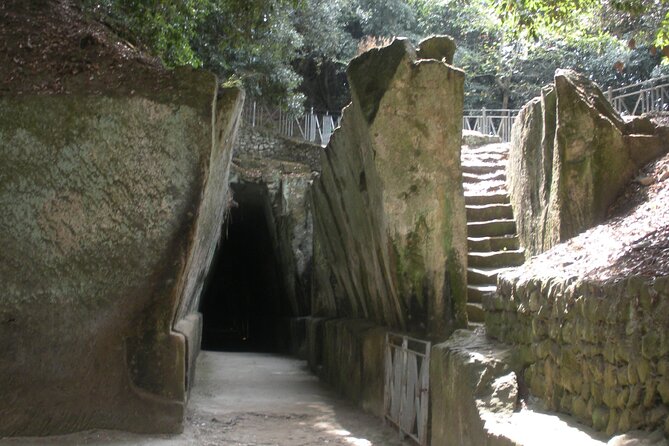
I love the official guide style—clear explanations instead of name-only facts. I also like the way the tour spotlights headline areas such as the Sybil cave and nearby temples, linking what you see to the wider Naples region.
One consideration: the €5 per person entrance ticket is not included, and the tour runs about two hours, so you’ll want to pick your photo spots wisely.
In This Review
- Key highlights you can plan around
- Cuma Archaeological Park With an Archaeologist: What You Do in Two Hours
- The Sybil Cave and Temples: Why the Guide’s Focus Is the Whole Point
- Private English Tour Logistics: How to Get More From the Same Site
- Price and Ticket Math: Is $276.95 Per Group Good Value?
- Getting There: The Meeting Point at Cuma Archaeological Park (SP 164)
- How to Prepare: Heat, Footing, and Getting the Most Out of the Ruins
- Booking Smart: When You’ll Want to Lock In Your Date
- Quick Practical FAQ
- FAQ
- How long is the Cuma Archaeological Park tour?
- Is the entrance ticket included?
- Is the tour private?
- What language is the tour offered in?
- Where do we meet?
- Is the tour suitable for people with moderate fitness?
- Should you book the Cuma ruins archaeologist tour?
Key highlights you can plan around
- Private format (up to 10 people), so the pace and questions are in your hands
- English-speaking archaeologist guide focused on making the site understandable
- Sybil cave and temples get practical, story-first explanations
- Two hours on site gives you a focused visit without turning it into an all-day march
- Mobile ticket for easy entry with less fuss
- Small entrance ticket add-on (€5 per person), worth budgeting for early
Cuma Archaeological Park With an Archaeologist: What You Do in Two Hours
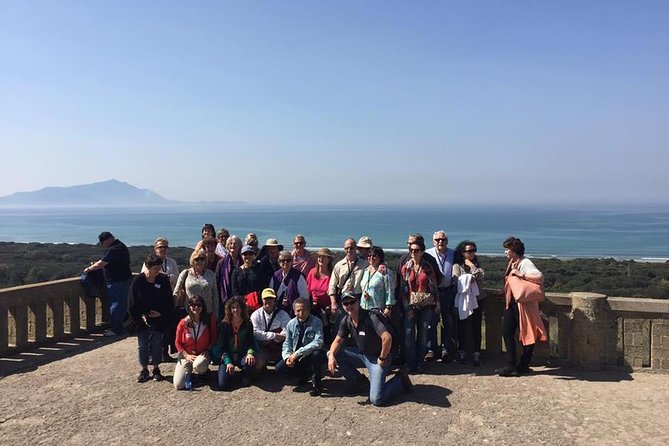
Cuma Archaeological Park is the kind of place where the difference between an okay visit and a great one is interpretation. This tour is built for that. You spend about two hours on site with an archaeologist guide who can point out what you’re looking at and connect it to what it means in the larger story of the area.
Because this is a private tour, the time doesn’t get eaten by waiting for other groups or hearing the same explanation half a dozen times. You’ll get a tighter flow, and if you’re the type who asks questions (I am), this format helps you keep momentum.
The tour is centered on one stop: Cuma Archaeological Park. That’s actually a good thing. Instead of a checklist of places, you get a real chance to understand the main features while you’re there, when they’re still in front of you.
You can also read our reviews of more tours and experiences in Sorrento.
- Sorrento Farm and Food Experience including Olive Oil, Limoncello, Wine tasting
★ 5.0 · 2,524 reviews



The Sybil Cave and Temples: Why the Guide’s Focus Is the Whole Point
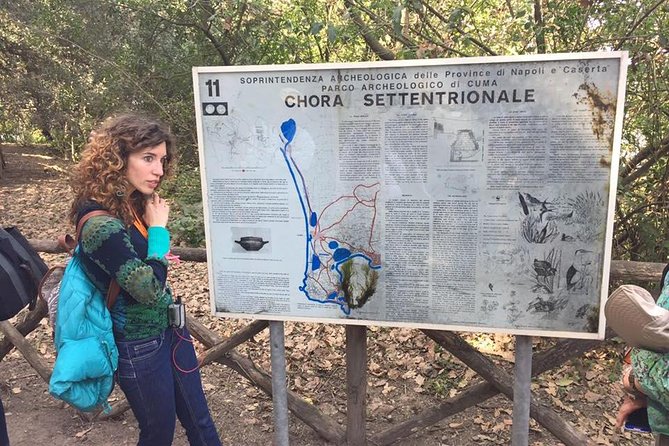
The most praised part of this experience is how the guide explains the Sybil cave and temples. That matters because ruins can look like disconnected stonework if you don’t have someone translating the shapes and layout into meaning.
On this tour, you’re not just walking around and hoping something clicks. You get guided context in a way that ties what you’re seeing back to the history of Naples, so the visit feels more connected rather than random. One guide name that comes up in this tour’s feedback is Ilaria, and the takeaway is consistent: strong knowledge plus genuine enthusiasm make the explanations land.
Also, pay attention to what the guide does with pacing. Even when it’s hot, the tour is structured enough that you can stay engaged instead of feeling like a human burden being dragged from one angle to the next. For you, that means less mental fatigue and more real learning during the 2-hour window.
Private English Tour Logistics: How to Get More From the Same Site
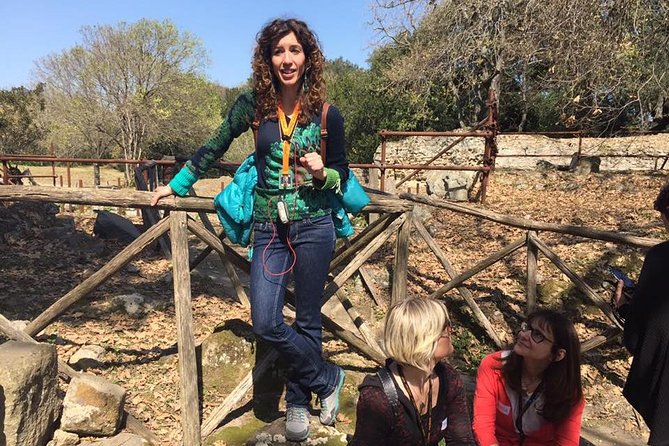
This experience is offered in English, and it’s a private tour/activity. That sounds like a marketing line until you feel what it changes. With a private group (up to 10 people), the guide can tailor explanations to how your group responds: quicker if you want the highlights, slower if you want to understand the details.
You also benefit from the “only your group” setup. That means you’re not competing for attention at the same time other groups are doing the exact same thing. It’s a small difference, but it can make the whole visit feel calmer and more personal.
One practical perk: it ends back at the meeting point. You don’t have to figure out a complicated follow-up plan right after the tour. You can keep the rest of your day simple and decide where to go next on your own.
Price and Ticket Math: Is $276.95 Per Group Good Value?
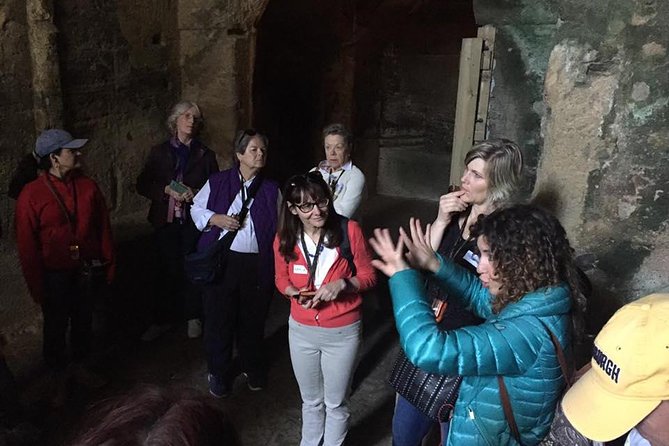
The price is $276.95 per group (up to 10) for about two hours. That’s not cheap if you’re thinking per person—but it can be very reasonable if you’re splitting it with friends or family.
Here’s the value math in plain terms:
- If you fill the group near 10 people, the guide cost comes out to about $27.70 per person before the entrance ticket.
- If you book as just 2 people, you’re closer to $138 each before the entrance ticket.
Then add the one known extra: entrance tickets are €5.00 per person and are not included. So your true total will depend on group size. But the private, archaeologist-led aspect is exactly what justifies paying for a group package rather than buying a basic admission ticket and wandering.
If you’re traveling solo, consider whether you’d rather pay more for one-on-one interpretation. If you’re a pair or a small group, this tour starts to feel like a smart upgrade—especially if you care about understanding what you’re seeing.
Getting There: The Meeting Point at Cuma Archaeological Park (SP 164)
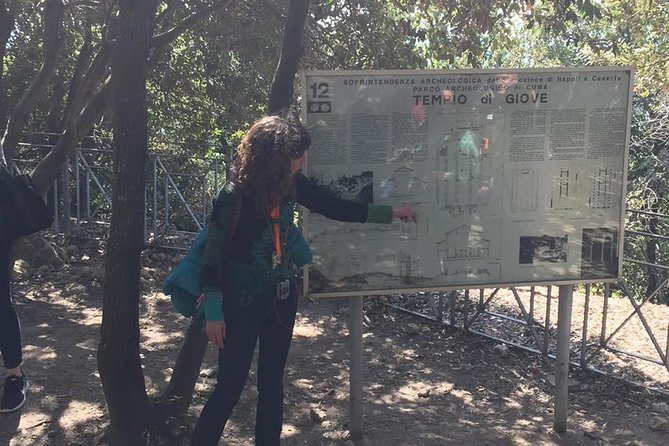
The meeting point is Cuma Archaeological Park, SP 164, 1, 80078 Pozzuoli NA, Italy. Since the tour ends back at the meeting point, treat that location as your anchor for the day.
A couple of practical tips to make this smooth:
- Give yourself buffer time to arrive at the exact meeting point. When tours start, they don’t wait for long.
- Plan your route so you’re not sprinting at the last minute. The site visit is only about 2 hours, so arriving stressed eats into what you came for.
If you’re basing your day around Sorrento, you’ll likely be making this a short outing to the Pozzuoli area. That’s fine. The tour is concentrated, so you’re not spending half the day just commuting—assuming you manage the travel time.
- Sorrento Farm and Food Experience including Olive Oil, Limoncello, Wine tasting
★ 5.0 · 2,524 reviews



How to Prepare: Heat, Footing, and Getting the Most Out of the Ruins
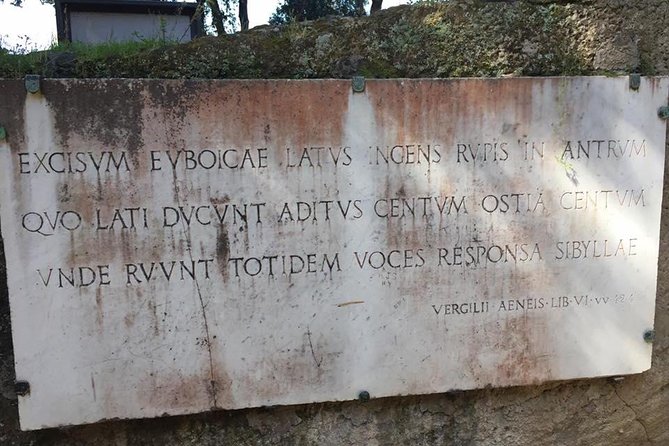
The tour info says you should have a moderate physical fitness level. In ruins, that usually translates to some walking and uneven ground. So for you, the big move is simple: wear supportive shoes and dress for real outdoor conditions.
One review detail that’s worth taking seriously: the guide’s explanations stayed engaging even during sweltering heat. That’s a good sign for hot months, but it also tells you to plan like an adult. Bring water, wear sun protection, and consider timing your visit earlier in the day if that’s an option for you.
Also, think about your attention span. With only two hours, you’ll likely get the best results if you come ready to listen, not just photograph. If you’re someone who loves slow wandering, you might feel a little pulled along—but that’s also how you end up understanding more.
Booking Smart: When You’ll Want to Lock In Your Date
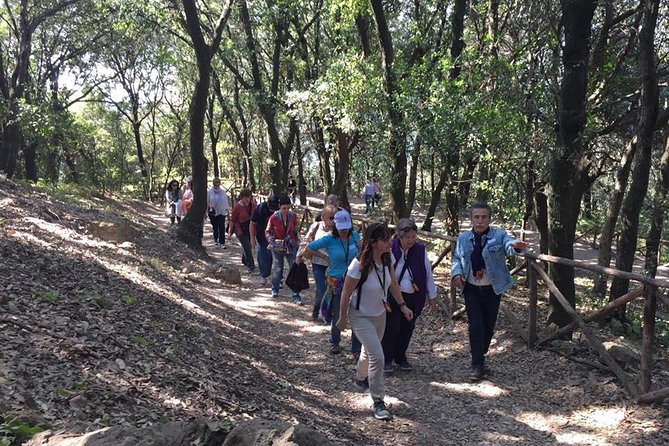
On average, this tour is booked about 78 days in advance. That’s a strong hint that dates can tighten up, especially in busy seasons.
If your travel dates are fixed, I’d start checking availability early. If you’re flexible, you still want to grab something soon after you decide, because private archaeologist tours can fill without much notice.
Confirmation happens within 48 hours of booking, subject to availability. So once you book, you’re not left in limbo for weeks.
And yes, you’ll get a mobile ticket, which makes the day-of process simpler. Less time hunting for paperwork, more time at the site.
Quick Practical FAQ
FAQ
How long is the Cuma Archaeological Park tour?
It’s listed at about 2 hours.
Is the entrance ticket included?
No. You’ll pay €5.00 per person for entrance tickets separately.
Is the tour private?
Yes. It’s a private tour/activity, and only your group participates.
What language is the tour offered in?
The tour is offered in English.
Where do we meet?
The meeting point is Cuma Archaeological Park, SP 164, 1, 80078 Pozzuoli NA, Italy. The activity also ends back at this meeting point.
Is the tour suitable for people with moderate fitness?
The tour notes a moderate physical fitness level requirement, and it allows service animals.
Should you book the Cuma ruins archaeologist tour?
If you want a meaningful visit and not just a wander among stones, I think this is a strong choice. You’re paying for interpretation—especially around the Sybil cave and temples—and the private English format helps the guide keep things understandable and focused.
Book it if:
- you’re going as a small group (so the per-person math feels sane),
- you like asking questions,
- and you’d rather understand one site well than skim several.
Pass if:
- you only want casual photos and zero listening,
- or you’re trying to keep costs strictly low once entrance fees are added.
For most people who care about seeing Cuma with context, this setup feels like a smart, efficient way to get the most out of a two-hour stop in the Naples area.
You Might Also Enjoy




More Tours in Sorrento



More Tour Reviews in Sorrento
- Sorrento Farm and Food Experience including Olive Oil, Limoncello, Wine tasting
★ 5.0 · 2,524 reviews