REVIEW · AMALFI
Wine tasting at the Apicella winery
Book on Viator →Operated by Unique Experience Tour Operator · Bookable on Viator
A pergola vineyard walk beats the usual tasting room. At Cantine Apicella you get the story from grape growing to bottled wine, and you sample the kind of Tramonti wines that come from keeping production traditional. I also love how the tasting is paired with classic local bites, not just pours in a vacuum. One watch-out: the experience depends on good weather, so plan a little flexibility on your Amalfi Coast day.
This is a private experience in English that runs about 2 hours, with the group staying together from start to finish back at the meeting point. You start at 11:30, then you walk a short distance to the historic vineyard and come back for a hands-on look at how white and red wines are made. The only drawback I’d flag for some people is the price: at about $101.27 per person, it’s best when you’re genuinely interested in both wine and how it’s made, not just collecting glasses.
In This Review
- Key things to look for before you go
- From Tramonti grapes to bottled wine at Cantine Apicella
- Your 11:30 start at Via Castello Santa Maria (and why the timing helps)
- Stop 1: A’ Scippata prephylloxera vineyard walk (the short leg that adds meaning)
- The cellar explanation: fermentation, stabilization, and aging in plain language
- The tasting itself: wines in production with classic Tramontini bites
- The family story behind the labels: why Apicella’s timeline feels personal
- Price and value: is $101.27 per person worth it?
- How to fit this into an Amalfi Coast day (without ruining your schedule)
- Who this wine tasting is best for
- Should you book Apicella for your Amalfi Coast trip?
- FAQ
- What time does the Apicella wine tasting start?
- How long is the wine tasting at Apicella?
- Where does the tour begin and end?
- Is the tour offered in English?
- What’s included during the tasting?
- What happens if the weather is bad?
Key things to look for before you go
- Historic A’ Scippata prephylloxera vineyard: a short walk, but with real vintage gravitas built into the plants.
- A grape-to-bottle explanation: you’ll hear how fermentation, stabilization, and aging fit together for both reds and whites.
- Tasting wines in production: you’re not only judging finished bottles; you’re learning what’s happening along the way.
- Tramontini pairings: cheeses, cured meats, and toasted bread are served alongside the pours.
- Family succession story: you’ll pick up how the family evolved the business, from earlier table wine to their own label.
- Schedule at 11:30: it’s a mid-morning start, which can be great—or a squeeze—depending on your day plan.
From Tramonti grapes to bottled wine at Cantine Apicella
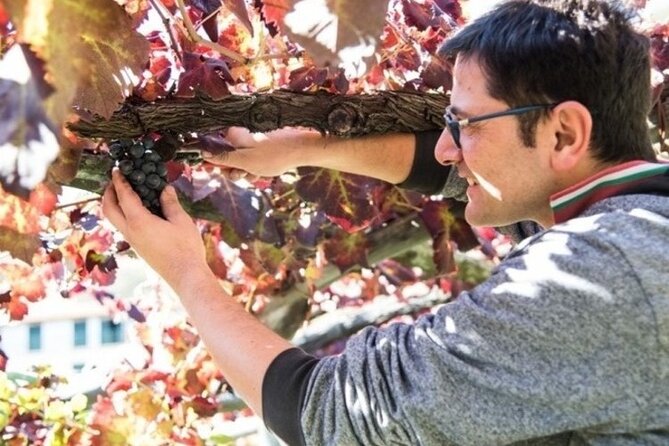
If you’re on the Amalfi Coast and you keep doing only coast views and seafood, this kind of stop is a smart switch. Tramonti is where the inland slopes do their own thing, and Apicella has long been part of that identity. This family operation dates back generations, and the shift is part of the charm: up until the early 1970s, they were producing excellent table wine. Then Giuseppe decided to create his own label and bottle what his land was already producing.
That bottle-first mindset matters because it shapes the style you taste. Apicella is described as a historic viticulture brand on the Amalfi Coast—one of the first to bottle wine in Tramonti. In practical terms, that means you’re not only drinking; you’re learning how a local agricultural landscape turns into a recognizable wine style.
You’ll also hear a timeline that gives the tasting context. The first vintage marketed was 1977, with around 3,000 bottles of Tramonti red. That launch is basically the start of the Giuseppe Apicella winery story as it’s known today, followed by decades of ongoing success. If you like wine that feels tied to place—not just a product—this framing is exactly the right setup.
You can also read our reviews of more food & drink experiences in Amalfi


Your 11:30 start at Via Castello Santa Maria (and why the timing helps)
The experience begins at 11:30am at Cantine Apicella, Via Castello Santa Maria, 1, 84010 Tramonti SA, Italy. It ends back at the same meeting point. That might sound basic, but it’s useful: you don’t have to plan a complicated second pickup, and you can slot it into the middle of the morning.
Why does the 11:30 start work? Because it gives you a window before late-afternoon crowds and before your Amalfi Coast plan gets messy. It’s also a good time to taste wines without the day dragging on. Two hours is tight enough to keep the rest of your day open, but long enough that you’ll actually move through the vineyard and the cellar explanation—not just stand around while someone pours.
One more practical note: you get a mobile ticket, and you’ll receive confirmation at booking. Service animals are allowed, and it’s described as suitable for most travelers. Also, since it’s a private activity, your group goes through together rather than getting blended into a large tour wave.
Stop 1: A’ Scippata prephylloxera vineyard walk (the short leg that adds meaning)
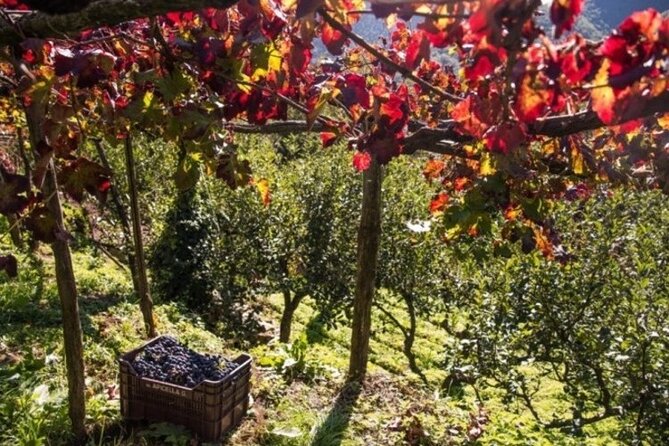
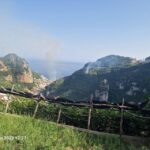
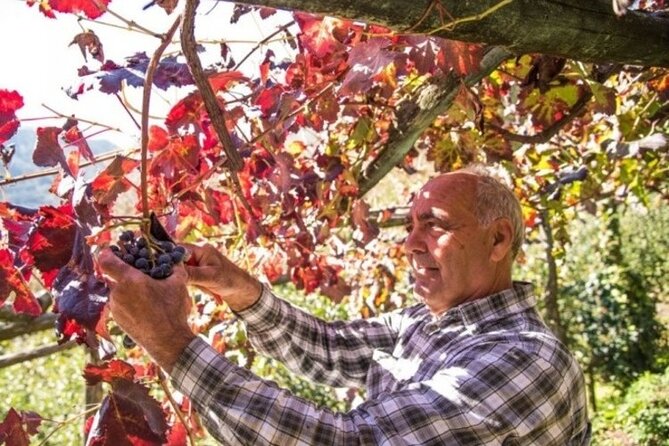
After starting at the winery, the first major moment is a visit to the historic A’ Scippata prephylloxera family vineyard. You head to a pergola about 5 minutes away on foot. It’s short—don’t expect a long hike—but that short walk is important because it sets the tasting up in the right order.
A prephylloxera vineyard isn’t trivia for wine nerds only. It’s a reminder that viticulture here wasn’t always about modern shortcuts. In areas like Tramonti, that kind of vineyard story tends to come with a focus on how the land is protected and how plantings survive over time. The experience frames Apicella as an agricultural lung and a biodiversity safeguard for the area, which is the kind of line that doesn’t just sound poetic. You can often feel it in the way the vineyard setting is described: as a living system, not a factory.
If you’re the type who forgets vineyard details the moment you’re back inside, take one small habit with you: look at the vineyard setting first, then listen to how the vines connect to the wine style you’ll later taste. The walk is brief, so the payoff comes from paying attention for those minutes.
Potential drawback here: because there’s an outdoor component, good weather matters. If conditions are poor, the experience can be canceled and you’ll either be offered a different date or a full refund. In practice, that means you should avoid booking this as your only plan if you’re locked into a strict transfer schedule.
The cellar explanation: fermentation, stabilization, and aging in plain language
Once you’re back, the focus shifts from the land to the tank. The cellar visit is set up as a production walkthrough, with an explanation of the process and how different stages affect the final taste.
Here’s what you can expect to hear about:
- Fermentation of red and white wines
- Stabilization
- Ageing
Even if you’re not technical, these terms matter because they control flavor and texture. Fermentation is where the basic character gets formed. Stabilization is where winemakers manage what might change later. Ageing is where the wine develops (or softens) into something more complete.
What I like about this kind of explanation is that it makes the tasting more than a guessing game. Instead of just asking which glass you like most, you start asking what stage might explain that difference. That turns the tasting into a mini lesson you can actually use later when you buy wine.
The tasting itself: wines in production with classic Tramontini bites
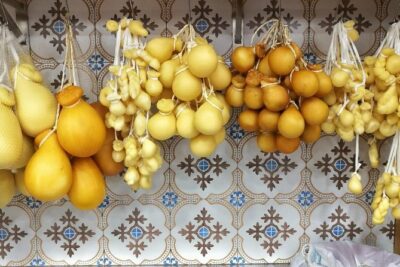
After the production explanation, the experience moves into the tasting. The tasting includes wines in production, with pours paired with typical Tramontini products. The pairing list is straightforward and very Amalfi-adjacent in spirit: cheeses, cured meats, and toasted bread.
Why that matters: cheese and cured meats often spotlight acidity, salt, and fat. Toasted bread helps you reset between wines. So you’re not stuck tasting on dry palate alone. You get a chance to notice how the wine handles food—because most real drinking happens with snacks, meals, or at least something in your hand.
Also, the pairing is not presented as fancy theatre. It’s more like local logic: this is what people eat, and this is what tends to work. You’ll get a much better experience if you slow down and take a breath between pours. It’s easy to rush when you’re excited, but the food pairing is the tool that helps you taste with intention.
A small bonus you’ll likely appreciate: the experience is described as having a welcoming, friendly host and a strong educational tone. That kind of hospitality changes the whole feel of wine tasting. When someone can answer your questions without talking over you, you come away feeling like you learned something—without feeling lectured.
You can also read our reviews of more wine tours in Amalfi




The family story behind the labels: why Apicella’s timeline feels personal
One of the most praised parts of this experience is the human side of it. You’ll hear it as a family business, not just a winery with a marketing script. The family evolution is part of the setup: an earlier generation involved the work, and then leadership passed through Giuseppe and the next wave, including father, sons, and daughter.
That matters for you because family-led wineries often make different choices than big industrial producers. You can taste the difference when the style stays consistent and when production decisions feel grounded in local tradition. Apicella’s long run—starting with that first marketed vintage in 1977—suggests they didn’t just chase a trend and move on. They built something and kept building.
In other words: you’re not just tasting wine. You’re tasting decisions made over decades, then explained back to you in a way that connects to what’s in your glass right now.
Price and value: is $101.27 per person worth it?
At around $101.27 per person, this isn’t a budget stop. But it’s also not priced like a luxury-only experience. The value is in what you get for the time: about 2 hours, a short vineyard walk, a cellar production explanation, and wine tastings paired with local food.
If you like wine casually and you mainly want a quick scenic break, this might feel pricey for what’s essentially a structured tasting. If you’re the type who enjoys understanding how red and white wines differ in fermentation and then wants to connect those details to what you’re drinking, this becomes a better deal.
Also consider that it’s private. Private doesn’t always mean personal in a good way, but the experience is described as warmly hosted and very informative. When your group isn’t competing with a large crowd for attention, you tend to get more out of the explanation part.
How to fit this into an Amalfi Coast day (without ruining your schedule)
Because the tour starts at 11:30am and lasts about 2 hours, it works best if you plan one thing in the morning, then give yourself the rest of the day for Amalfi-area wandering. Tramonti also tends to pair well with coastal plans because you get a change of scenery: sea views vs inland slopes.
Two practical tips:
- Wear shoes you can walk in. Even if the vineyard leg is only about 5 minutes, you’ll feel it more if your shoes aren’t stable on uneven ground.
- Eat light beforehand, but not so light that you’re starving. You’ll have cheeses, cured meats, and toasted bread, but you’ll still enjoy the wines more if you’re not starting the tasting absolutely empty.
And because weather can force a cancellation, have Plan B in mind. If the experience has to be rescheduled, you’ll thank yourself for keeping your afternoon flexible.
Who this wine tasting is best for
This is a great match if you:
- Want Tramonti wine culture, not just a general Amalfi Coast wine stop
- Like learning how wine is made, including fermentation and ageing basics
- Enjoy food pairings with tasting rather than only sipping
- Prefer a private format with a host who can answer questions
It’s less ideal if you:
- Only want a fast, low-cost drink break
- Are trying to fit your entire day into tight transfers with no flexibility
- Get cranky when weather changes outdoor plans (this one needs good conditions)
Should you book Apicella for your Amalfi Coast trip?
I’d book it if you’re curious about how a historic local brand shaped its own label and style, and you want that story backed up by a real production explanation. The combination of a historic prephylloxera vineyard walk, a cellar lesson on fermentation/stabilization/aging, and Tramontini pairings is exactly the sort of structured experience that makes you feel like you understood what you tasted—without turning it into a formal classroom.
If you’re on the fence because of the price, treat it like a focused activity rather than a souvenir. You’re paying for time, access, and context. For the right traveler, that’s where the value comes from.
If you want to taste wines in the Amalfi region and actually learn why they taste the way they do, this is the kind of stop that can turn into one of the memorable parts of your trip.
FAQ
What time does the Apicella wine tasting start?
The experience starts at 11:30am.
How long is the wine tasting at Apicella?
It runs for about 2 hours.
Where does the tour begin and end?
It begins at Cantine Apicella, Via Castello Santa Maria, 1, 84010 Tramonti SA, Italy, and it ends back at the same meeting point.
Is the tour offered in English?
Yes, the experience is offered in English.
What’s included during the tasting?
You’ll visit the historic A’ Scippata vineyard, tour the cellar with an explanation of red and white winemaking (fermentation, stabilization, and ageing), and taste wines paired with typical Tramontini products like cheeses, cured meats, and toasted bread.
What happens if the weather is bad?
The experience requires good weather. If it’s canceled due to poor weather, you’ll be offered a different date or a full refund.