REVIEW · POSITANO
Hands-On Pasta and Tiramisu Class in Positano with Local Family
Book on Viator →Operated by Cesarine: Cooking Class · Bookable on Viator
Cooking pasta in someone’s home beats a classroom kitchen. This Positano experience is a real, family-run cooking lesson where you learn fresh pasta shapes and build a classic tiramisu step by step. It’s held in a carefully selected home, so you get more than recipes; you get how the Amalfi Coast family cooks actually work.
I love the small group setup (max 12), because it stays practical and you can ask questions while your hands are busy. I also love that the food is built for sharing: you cook, then you eat with your hosts and your group, often with homemade touches like bread and wine. One thing to consider: the experience may involve going from Positano to a nearby home (some people report Praiano), so double-check the exact address details before you leave.
In This Review
- Key Things to Know Before You Cook
- Why Positano’s Pasta-and-Tiramisu Setup Feels Different
- Getting to the Right Kitchen in and Around Positano
- Meet the Cesarine: Warm Welcome, Then Real Cooking
- The Hands-On Pasta Session (Fresh Dough and Shaping Time)
- Tiramisu From Scratch: The Dessert Part That Actually Matters
- What You Eat: Family-Style Meal, Drinks, and Local Extras
- Price and Value: Is $203.95 Actually Worth It?
- Who This Class Fits Best (And Who Might Be Happier Elsewhere)
- Should You Book This Positano Pasta-and-Tiramisu Class?
- FAQ
- How long is the hands-on class?
- How big is the group?
- What dishes will I learn to make?
- Is the class offered in English?
- Where do I meet for the experience?
- Is there a mobile ticket?
- Is it near public transportation?
- Do I eat during the class?
- Can I cancel for free?
- How far in advance is it typically booked?
Key Things to Know Before You Cook
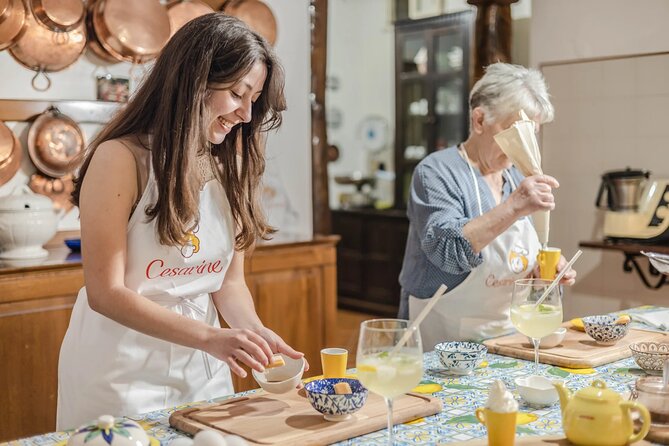
- A max of 12 people means less waiting and more hands-on time
- Fresh pasta plus tiramisu are the core focus, not just an observation tour
- Cesarine hosts teach from their family process, not a one-size-fits-all script
- You eat what you make family-style in the home after cooking
- Many guides include local extras like homemade bread, wine, and sometimes herb liqueur
Why Positano’s Pasta-and-Tiramisu Setup Feels Different
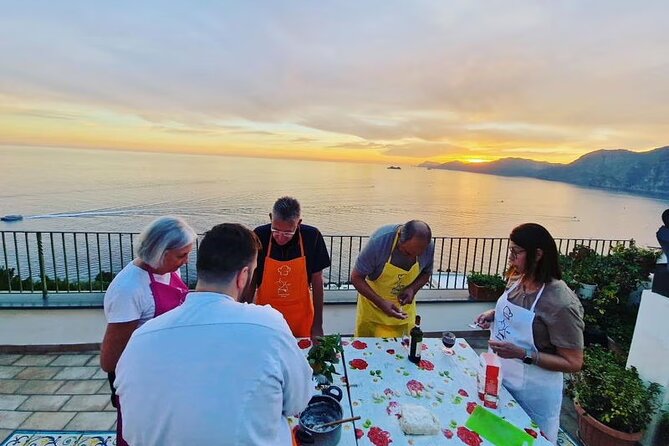
Positano is famous for views, but this class brings you straight into the food side of the coast. The goal is to show how local cooking practices shape what ends up on the table. You’re not just learning Italian cooking in general; you’re learning an Amalfi Coast version of it.
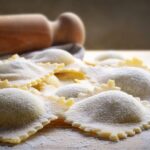
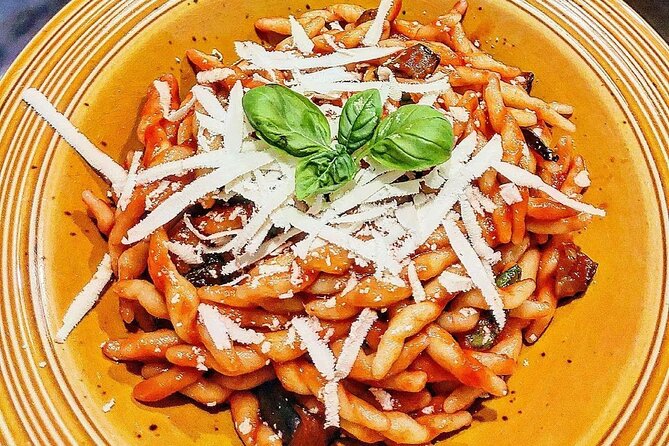
Your menu centers on fresh pasta and then tiramisu. Depending on the host and what’s typical that night, you might make pasta options like paccheri, gnocchi, scialatielli, ravioli, or maccaroncelli. That variety matters because each shape changes how the dough behaves, how you portion it, and how you finish it.
And here’s the part that makes it feel worth the time: the evening is designed around group energy. You’re working together, eating together, and learning from people who cook this way at home. Even when a recipe is classic, the family version tends to feel personal.
You can also read our reviews of more tours and experiences in Positano
Getting to the Right Kitchen in and Around Positano
Most people start at 84017 Positano, SA, Italy, and the class ends back near the meeting point. The big “heads up” is that these are private home kitchens, which usually means the exact location details matter more than usual. Some guests report the experience being in nearby Praiano, using a short bus ride, so build in a little flexibility.
A few practical tips that help:
- Take a screenshot of the exact address and any host contact info you receive.
- Plan to arrive a bit early. If you’re late, the whole schedule can tighten because cooking is time-sensitive.
- If you’re relying on public transportation, your meeting area is described as near public transportation, but the home itself may be up a slope or outside the main drag.
Also, because this runs through a provider and then a local host, you should keep an eye on the details you get after booking. When everything lines up, it’s smooth. When it doesn’t, it becomes a scramble fast.
Meet the Cesarine: Warm Welcome, Then Real Cooking
Cesarine hosts are the heart of the experience. You’ll be welcomed like part of the family, not like a customer in a restaurant. In real terms, that means the teaching style is more personal: they adjust pacing, show you what to feel for with the dough, and help if your hands are new to pasta.
Hosts named Rocco and Carla come up again and again for hospitality and teaching. People describe them as welcoming, accommodating (including with kids), and proud of their local traditions. Other names that show up include Antonio, Sergio, Andrea, Rubina and Valeria, and Emily and her family. The common thread isn’t the surname; it’s the family-kitchen vibe.
When you arrive, you’ll typically get set up in the home and start cooking right away. Expect the kitchen flow to be practical: someone demonstrates, you copy the steps, and you keep moving. It’s not a long lecture.
The Hands-On Pasta Session (Fresh Dough and Shaping Time)
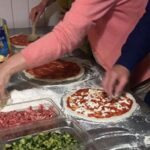
The pasta portion is where your hands do the work. You’ll learn how to make fresh pasta, and then you’ll shape it into one of the featured types. If you get gnocchi, for example, you’ll likely get a lesson in portioning and getting the texture right. If you get ravioli, you’ll spend time assembling and sealing. With shapes like paccheri or scialatielli, expect more focus on form and cutting/portioning.
One useful thing to know: the class is called a pasta-and-tiramisu class, but the exact depth of sauce-making can vary by host. Some people have said the focus stays heavily on pasta rather than a full sauce walkthrough, and that the session can feel more like assembling a meal around what you’re learning. In practice, you should go in expecting a practical pasta-making lesson first, not a restaurant-style “how to plate five sauces” masterclass.
A big plus of the small group size is that you’re not stuck watching others. With a max of 12, you’re more likely to get corrections while your dough is still workable. That’s the difference between getting a fun souvenir dish and actually coming home understanding what makes the dough behave.
Also, your hosts may include small local touches during the process. Some classes include homemade bread and wine, and a few hosts are known for making herb-based liquors or other regional extras. Even when those aren’t the main focus, the meal tends to feel like a real night at home, not a staged event.
Tiramisu From Scratch: The Dessert Part That Actually Matters

Then comes tiramisu. And not the store-bought version that only needs assembly. The class is built around making tiramisu in the home, which means you’ll learn how the cream and layers come together.
Tiramisu is also a timing lesson. It’s one thing to mix ingredients, but another thing to build layers correctly without turning it into a watery mess. You’ll get guidance on texture and how to handle it while it’s still easy to work with.
Some hosts also highlight the celebratory side of the dessert. For example, one guest noted a birthday candle moment, which tells you the hosts know how to make the evening feel special. Even if it’s not your birthday, that kind of small attention to detail is part of why the experience stands out.




What You Eat: Family-Style Meal, Drinks, and Local Extras
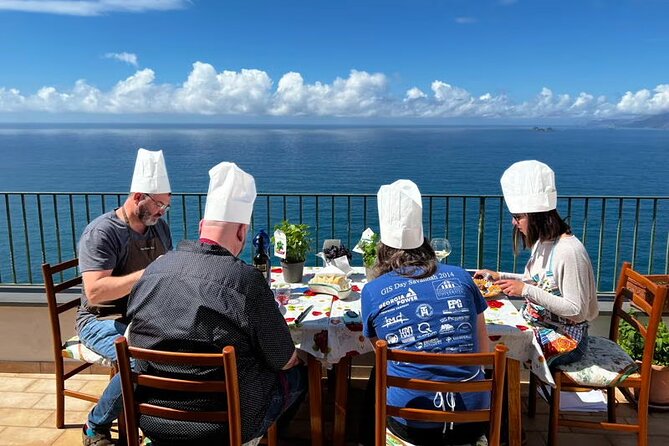
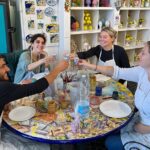
In this class, the cooking leads into the eating. You’ll enjoy your creations family-style with your host and your group. That matters because it keeps you from feeling like you spent three hours cooking just to get a tiny tasting.
From what you might experience in practice, the meal commonly includes:
- The pasta dish(s) you made
- Tiramisu as dessert
- Homemade bread in many cases
- Wine during the meal
- Sometimes additional homemade or local items (like herb liquor or limoncello-style touches, depending on the host)
This is one reason the price can make sense. Many food tours in Italy focus on tasting. Here, you’re producing the food with your hands and then eating it like it was made for the table. That’s a different kind of value.
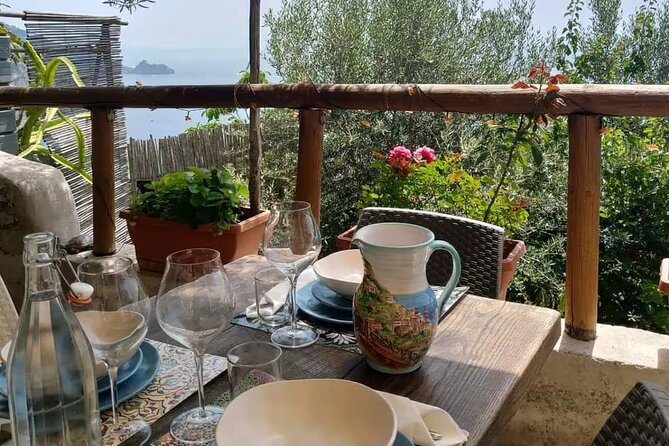
Views can also be part of the evening. Some guests mention lovely views from the kitchen or patio, and a few mention rooftop settings nearby. So if you’re hoping for that Amalfi Coast “we’re actually here” feeling, there’s a decent chance you’ll get it in the background while you cook.
Price and Value: Is $203.95 Actually Worth It?
At $203.95 per person for about three hours, this isn’t a budget activity. But value comes from what’s included and how it’s delivered.
Here’s how I’d judge whether it’s worth your money:
- You get hands-on cooking in a real home (not a demo you watch from across the room).
- Your group is small (max 12), which generally means more teaching time per person.
- You eat what you cook, so the experience is both educational and meal-based.
- Many sessions add drinks and bread, which turns it into a full evening event rather than a quick snack.
If you compare the class to paying for a nice dinner alone, you’re not just buying food. You’re buying instruction and the chance to learn pasta techniques you can repeat at home. That’s the value lever.
That said, a small number of guests felt the experience didn’t match their expectations about what they’d cook. So if you specifically want a long, sauce-heavy pasta workshop, you may want to be clear-eyed: this is structured around fresh pasta and tiramisu, and your exact hands-on scope depends on the host and the menu that night.
Who This Class Fits Best (And Who Might Be Happier Elsewhere)
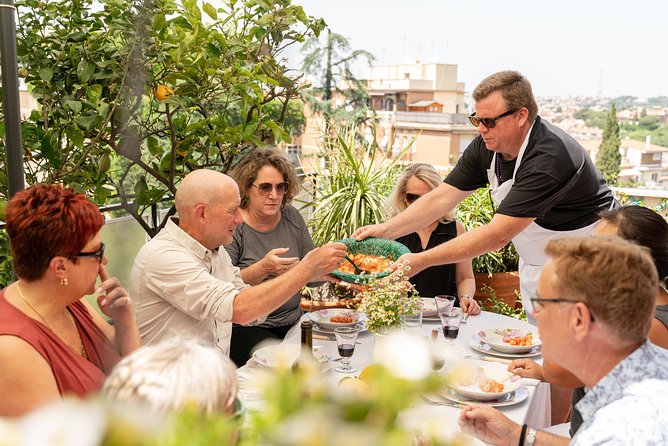
This is a great pick if you:
- Want an authentic family-home meal experience in the Amalfi area
- Enjoy cooking with your hands and learning by doing
- Like small-group formats where you can ask questions without waiting in line
- Want a night activity that’s social but still structured
It may be less ideal if you:
- Need perfectly smooth logistics with no flexibility (private homes can mean more variables)
- Prefer a larger group or a more “show” style lesson
- Are hoping for a sauce-focused workshop rather than pasta-and-tiramisu
If you’re traveling as a couple or as a family, the hosts often seem comfortable with different ages. People specifically mention being kind and accommodating, including when kids were part of the group. If you’ve got a child, it’s a good idea to keep the pace gentle and follow the host’s cues.
Should You Book This Positano Pasta-and-Tiramisu Class?
Book it if you want a true Amalfi Coast food evening: hands-on, small group, and designed so you eat like family instead of just tasting. The best version of this experience is when the host’s teaching style clicks and you arrive on time with the correct address.
Before you go, do two things:
1) Confirm the exact location details you’re given after booking, because private homes are less forgiving than public venues.
2) Set your expectations around fresh pasta shaping and tiramisu, not a deep restaurant-style sauce masterclass.
If that sounds like your kind of trip, this is one of those “I’ll actually remember this” experiences you can bring home.
FAQ
How long is the hands-on class?
It runs for about 3 hours (approx.).
How big is the group?
The class has a maximum of 12 travelers, so it stays small.
What dishes will I learn to make?
You’ll focus on fresh pasta (with options like paccheri, gnocchi, scialatielli, ravioli, or maccaroncelli) and tiramisu.
Is the class offered in English?
Yes, it’s offered in English.
Where do I meet for the experience?
The meeting point is 84017 Positano, SA, Italy.
Is there a mobile ticket?
Yes, you’ll have a mobile ticket.
Is it near public transportation?
Yes, the experience is described as near public transportation.
Do I eat during the class?
Yes. You eat your creations family style with your host and group.
Can I cancel for free?
You can cancel for a full refund up to 24 hours before the experience starts.
How far in advance is it typically booked?
On average, it’s booked about 35 days in advance.