REVIEW · POSITANO
Ravioli & Tagliatelle Cooking Class at a Local’s Home in Positano
Book on Viator →Operated by Barba Angela · Bookable on Viator
Pasta night in Positano. This class feels like being invited into a real home, not lined up at a restaurant station. I love the hands-on pasta making (ravioli plus tagliatelle) and I love how much of the meal is built around their garden-fresh ingredients. One thing to consider: you’re heading up from the beach area to a hillside home, so you’ll want to plan transport and comfy shoes.
The hosts, including Emily and Gennaro, teach in English and keep the pace friendly, with family stories woven into every step. I also like the full meal flow: you start with an aperitif, then build your pasta, then finish with tiramisu made from an old family recipe. Just don’t expect a quick, tidy “factory” class—this is relaxed, and it helps if you’re ready to slow down and work with dough.
In This Review
- Key things to know before you go
- Why a Family Home Kitchen Works So Well in Positano
- Garden-to-Dough: Your 3 Hours of Ravioli, Tagliatelle, and More
- Montepertuso and Li Galli Stops: How the Setting Adds Value
- The Real Teaching: How Ravioli and Tagliatelle Get Made Here
- Ravioli: stuffing and sealing without fuss
- Tagliatelle: hand-rolled pasta that tastes like effort
- The Menu You’ll Eat: Aperitif, Caprese, Garden Vegetables, and Wine
- Hosts and Atmosphere: Emily, Gennaro, and the Family Story Method
- Price and Value: What You’re Paying For (and Why It’s Not Just Tuition)
- Getting There From Positano: Meeting Point and Real-World Logistics
- Who Should Book This (and Who Might Pass)
- Should You Book This Ravioli and Tagliatelle Class in Positano?
- FAQ
- What recipes will I make?
- How long is the cooking class?
- Where does the experience start and end?
- Is it offered in English?
- What is the group size?
- What kind of food and drinks are included?
- Do I get to pick ingredients?
- Is this class suitable for children?
- What’s the cancellation policy?
- Does weather affect the class?
Key things to know before you go

- A small group max of 14 means you’re not shouting over a crowd.
- You make two fresh pastas: ravioli and tagliatelle, plus tiramisu for dessert.
- Garden-to-plate ingredients: you’ll pick some items together, then use them in what you cook.
- Family-hosted vibe: stories from grandmother onward, with plenty of laughter during the process.
- Food comes with local drinks like prosecco and family limoncello, plus wine with the meal.
Why a Family Home Kitchen Works So Well in Positano
Positano is famous for views and steep streets. What’s rare there is a cooking class that doesn’t feel like a tourist performance. This one happens in a family home, with the hosts welcoming you like you’re joining their day. The energy is warm and practical: you learn how the dough behaves, how fillings should feel, and how to handle the little sticky parts without panicking.
I also like that the teaching isn’t just “here’s how to cook.” It’s “here’s how we cook here.” That’s why the emphasis on tradition matters. You’re making dishes that come from the family’s approach to local recipes, including the kinds of vegetables and ingredients you can grow on that property.
The other big reason this works is the meal at the end. You don’t just stand by your cutting board and hope. You sit down together and eat what you made, paired with local wine selection. That’s where the class becomes a proper Positano evening, not a stop-and-run activity.
You can also read our reviews of more cooking classes in Positano
Garden-to-Dough: Your 3 Hours of Ravioli, Tagliatelle, and More
The session runs about 3 hours. In that time, you’ll do three clear “wins”: starter + two pasta mains + dessert. The flow is built so you’re never waiting around for long stretches.
Here’s how the teaching and eating typically feel:
First, you get an aperitif-style welcome with local products. Expect things like salami, tarallucci, local cheese, olives, and a good glass of prosecco. The idea isn’t to fill you up; it’s to get everyone relaxed and talking before flour starts flying.
Next comes the main event: making pasta from scratch. You’ll make fresh ravioli together with a choice of fillings, including ricotta plus either vegetables or meat. Then you’ll move to handmade tagliatelle, using fresh ingredients from the garden. This second pasta matters because it teaches a different technique—rolling, cutting, and handling strips rather than stuffing.
Finally, dessert is tiramisu. It’s not presented as a random “Italian sweet.” It’s tied to a family recipe that’s been passed down (including the grandmother connection), which makes the steps feel grounded instead of generic.
A practical note: pasta dough is touchy. If you’ve only cooked from boxes before, this may be new. That’s not a downside; it’s the value. You learn what to adjust with feel, not just measurements.
Montepertuso and Li Galli Stops: How the Setting Adds Value
The itinerary includes stops at Montepertuso and Li Galli. The booking info doesn’t spell out a long sightseeing lecture at each stop, but the overall experience is clearly tied to Positano’s cliffside setting.
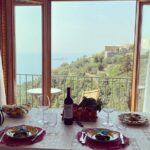
In plain terms: you’re not doing this in a flat room. The family villa location comes with major views, including the balcony view people rave about. That matters because your meal is part of the scenery. Sitting down after rolling dough while looking out at the coast is exactly the kind of memory Positano earns.
One consideration: if you get motion-sensitive, keep an eye on how you’re getting to the home base. This experience starts at Piazza Cappella and ends back there, but the home itself is farther from the main beach area, based on how guests describe the pickup challenge and the need for taxis or shared cabs.
The Real Teaching: How Ravioli and Tagliatelle Get Made Here
This is a class about process, not just outcomes. The hosts talk you through the “why” behind the steps—how to shape, how to seal, and how to keep the pasta tender rather than chewy.
Ravioli: stuffing and sealing without fuss
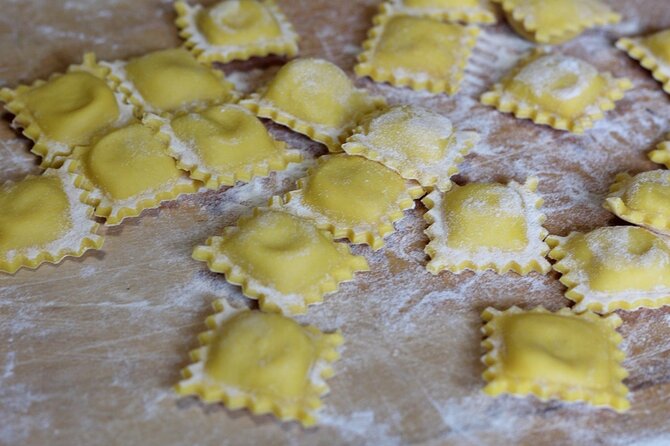
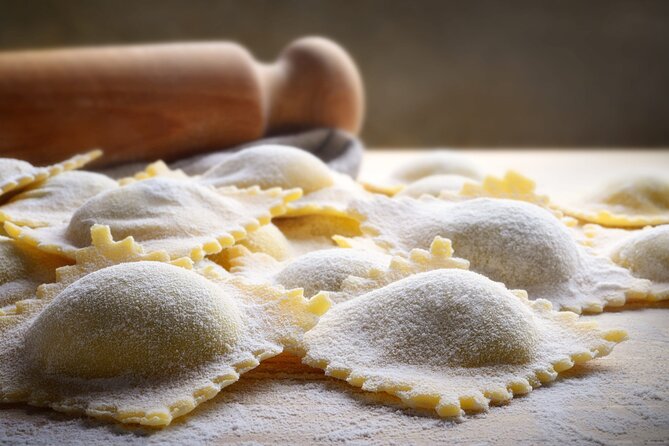
You’ll work on fresh ravioli using ricotta plus ingredient options you choose together (vegetables or meat). The fun part is the group effort: you’re stretching dough, filling, and sealing, and you quickly realize why ravioli is a teamwork food in Italy. The experience is also a good reminder that ravioli quality is about consistency—how much filling goes in and how well you seal.
You can also read our reviews of more tours and experiences in Positano
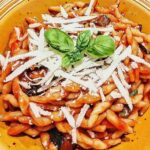


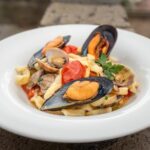

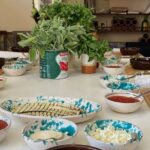
Tagliatelle: hand-rolled pasta that tastes like effort
Then you shift to tagliatelle—handmade fresh pasta with ingredients from the garden. Tagliatelle teaches a different skill: cutting and handling long strips. It’s also a good “confidence builder” because once you get the rhythm, you feel yourself improve fast.
If you want one reason to do this over a generic pasta lesson, it’s this combination: ravioli teaches precision and filling technique, while tagliatelle teaches dough handling. By the end, you’ve built two useful skill sets.
The Menu You’ll Eat: Aperitif, Caprese, Garden Vegetables, and Wine
This class is built around a full sit-down meal with local flavors. That makes it feel like you’re learning and celebrating at the same time.
From the starters, expect a welcome appetizer lineup that can include salami, tarallucci, local cheese, and olives. You may also get a caprese-style course with local mozzarella and fresh tomatoes from their garden, plus rocket and grilled vegetables gathered from the property.
The main dishes are the pastas you made:
- Ravioli (with ricotta plus vegetables or meat options)
- Tagliatelle (handmade fresh pasta with garden ingredients)
Dessert is tiramisu, made using an old family recipe.
Drinks are also part of the point. The experience includes good local wine selection and is described as having plenty of wine, prosecco, and even family limoncello. That’s not just a perk; it’s how the evening becomes a shared meal instead of a short lesson followed by a quiet exit.
If you like food with a social rhythm—talking while eating, laughing while cooking—this class delivers.
Hosts and Atmosphere: Emily, Gennaro, and the Family Story Method
What makes this more than a cooking demo is the family element. The teaching isn’t only instructions; it’s context. The hosts share family history and grandmother-inspired cooking approaches while you work.
Names you’ll likely meet include Emily and Gennaro, and guests also mention their mum participating in the experience. That generational dynamic shows up in how the steps are taught. It’s patient. It’s not rushed. And it tends to feel funny in the best way—dancing, singing, and plenty of relaxed group energy.
This “family story method” matters because you remember flavor decisions better when you understand why they exist. If you want to recreate this at home, having the story behind the recipe helps you avoid turning it into a bland copy-paste.
Price and Value: What You’re Paying For (and Why It’s Not Just Tuition)
At $181.41 per person for about 3 hours, you’re paying restaurant-class prices, but you’re not getting a restaurant format. You’re getting:
- a small group (up to 14)
- full meal components (aperitif, starters, two fresh pastas, and tiramisu)
- garden-to-plate ingredients
- instruction in English
- local wine selection, plus prosecco and limoncello mentioned
- recipes provided afterward (guests note a PDF and extra recipes)
In many cities, a cooking class is mostly a hands-on workshop with a light snack. Here, the food is the center of the experience. You cook, then you eat what you made, with drinks. That’s why the price can feel fair rather than just expensive.
Still, do the math for your own style. If you’re the type who hates mess, hates dough, or just wants a quick meal, this may feel like too much effort. If you enjoy cooking and want a memory you can recreate, it’s a strong value.
Getting There From Positano: Meeting Point and Real-World Logistics
Start is Piazza Cappella, 84017 Positano SA, Italy, and the activity ends back at the meeting point. The listing says it’s near public transportation, which helps.
But the reality of Positano is steep and spread out. People describe the home as a little ways from the main beach, and some mention arranging taxis or shared cabs to make the uphill trip easier. If you’re traveling with heavy bags or you hate climbing, plan transport early.
For timing, aim to arrive a few minutes early so the group can settle in with the aperitif. Once you start cooking, you’ll want your energy.
And check the weather. This experience requires good weather, and if the day is canceled for poor weather, you’ll be offered a different date or a full refund.
Who Should Book This (and Who Might Pass)
This class is a great match if you want:
- authentic local cooking in a real home setting
- hands-on pasta skills you can use later
- an evening that includes eating, drinking, and conversation
- a small group feel over a large tour bus vibe
- a family-style atmosphere with English instruction
It’s also said to be suitable for children, which can make it a fun option when you want something different from museums.
You might consider skipping if:
- you prefer quiet, structured, no-laughter classes
- you’re not comfortable with physical work like rolling dough and shaping pasta
- you strongly dislike hills and uphill transfers
Should You Book This Ravioli and Tagliatelle Class in Positano?
If you want one Positano experience that’s practical, tasty, and genuinely local, I’d book it. This isn’t just about learning recipes. It’s about doing it the way a family does it—picking ingredients, making fresh pasta, eating together, and ending with grandmother-style tiramisu.
The only “real” downside is location and weather. If you can handle a short uphill ride and you’re booking for a stable weather window, this is the kind of evening that turns into a story you’ll tell for years.
If your schedule allows, it’s worth making it a highlight, not an afterthought.
FAQ
What recipes will I make?
You’ll prepare ravioli, tagliatelle, and tiramisu as dessert.
How long is the cooking class?
The class runs about 3 hours.
Where does the experience start and end?
It starts at Piazza Cappella, 84017 Positano SA, Italy and ends back at the same meeting point.
Is it offered in English?
Yes, the experience is offered in English.
What is the group size?
The experience has a maximum of 14 travelers.
What kind of food and drinks are included?
You’ll have a welcome aperitif with local products (such as salami, tarallucci, local cheese, olives, and prosecco), then the food you cook. Local wine selection is included, and limoncello may be served.
Do I get to pick ingredients?
Yes. You’ll taste and work with ingredients that you pick together in the garden.
Is this class suitable for children?
Yes, it’s listed as suitable for children.
What’s the cancellation policy?
You can cancel for a full refund up to 24 hours before the experience start time. If you cancel less than 24 hours before, the amount paid is not refunded.
Does weather affect the class?
Yes. The experience requires good weather. If it’s canceled due to poor weather, you’ll be offered a different date or a full refund.