REVIEW · SORRENTO
Mt Vesuvius and Pompeii Tour by Bus from Sorrento
Book on Viator →Operated by Goldentours International · Bookable on Viator
Pompeii and Vesuvius in one packed day. This bus tour from Sorrento pairs a guided walk through Pompeii with time to climb Mount Vesuvius, plus skip-the-line tickets so your day starts moving instead of waiting. It’s a classic “big wow” itinerary, built for people who want major sights without wrestling trains, tickets, and timing.
I like how the day is structured so you can get real context fast, especially in Pompeii where a guide keeps you focused on the key monuments and neighborhood-scale details. I also like that the Vesuvius side isn’t just a drive-by: you get to hike up toward the crater area, then decide how far you want to go once you’re there. One consideration: lunch isn’t included, and depending on conditions you may spend a lot of the day outside, so plan for heat (and bring the right shoes).
In This Review
- Key things that make this tour work
- From Sorrento to Pompeii: how the morning sets you up
- Pompeii’s two-hour guided walk: what you’ll actually enjoy seeing
- A note on free time
- Lunch timing: what to do with the no-lunch-included setup
- Mount Vesuvius National Park: the hike, the crater, and how to prepare
- Gear tips that actually matter
- The value mix: transport, tickets, guide energy, and small savings
- What you should know about the bus ride and comfort
- Who this tour suits best (and who might want a different plan)
- Packing list for Vesuvius and Pompeii heat
- Should you book this Pompeii and Vesuvius bus tour?
- FAQ
- What time does the tour start?
- How long is the tour?
- Is the tour offered in English?
- How much does it cost?
- Is lunch included?
- What is included for Pompeii entry and listening?
- Can I access the Vesuvius crater?
- What should I bring for the Vesuvius climb?
- How many people are on the tour?
- What happens if the weather is poor?
Key things that make this tour work

- Skip-the-line admissions mean less time stuck at ticket gates in peak hours
- Two hours in Pompeii with a guide helps you see more than the obvious highlights
- Headsets in Pompeii keep you from craning your neck or losing the guide mid-walk
- Crater access is ticket-based and handled with local volcanological guidance
- Small-group cap (45 people) makes it easier to hear, follow, and move at a human pace
- Drive-first logistics saves time on a day that’s otherwise all about travel
From Sorrento to Pompeii: how the morning sets you up
The day starts with an 8:15 am departure and pickup from your accommodation or the nearest meeting point. Then you’re on the road along the Sorrento Coast, looking out toward the Bay of Naples as you head toward Pompeii. It’s a good way to get your bearings without losing time figuring out transport.
Because you’re on a bus, the stress drops. You don’t have to time trains, line up for entry, or worry about missing a stop. The tradeoff is you’re commuting for a chunk of the day, and the roads are curvy in both directions—great for views, not so great if you’re prone to motion sickness. If that’s you, pack your usual meds and keep some water handy.
I also like the practical pacing: Pompeii comes first, when your energy is usually highest. Once you’ve seen the city, the drive up Vesuvius lands differently, like the volcano suddenly explains the ruins instead of just adding another stop.
You can also read our reviews of more tours and experiences in Sorrento.
- Sorrento Farm and Food Experience including Olive Oil, Limoncello, Wine tasting
★ 5.0 · 2,524 reviews



Pompeii’s two-hour guided walk: what you’ll actually enjoy seeing
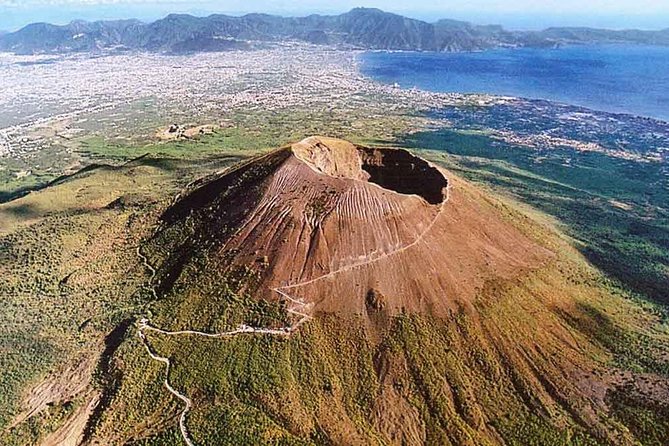
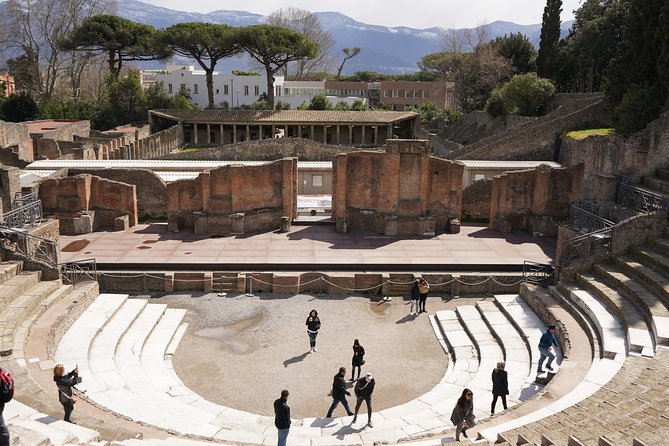
Pompeii is huge. Without a plan, you can spend your time sprinting from one “must-see” to the next and still feel like you missed the point. Here, you get a guided visit of about two hours focused on the main public monuments and some of the homes inside the archaeological park.
What makes this approach valuable is the selection. The best Pompeii tours don’t try to cover everything—they help you understand what you’re looking at. You’ll get context that turns scattered walls into a functioning town: how public spaces worked, what people valued, and why certain areas survived.
You also benefit from the setup inside Pompeii. You’re given headsets, so you can walk without clustering too close. That matters because Pompeii can get crowded, and it’s easy to lose the story if you’re constantly adjusting where you stand.
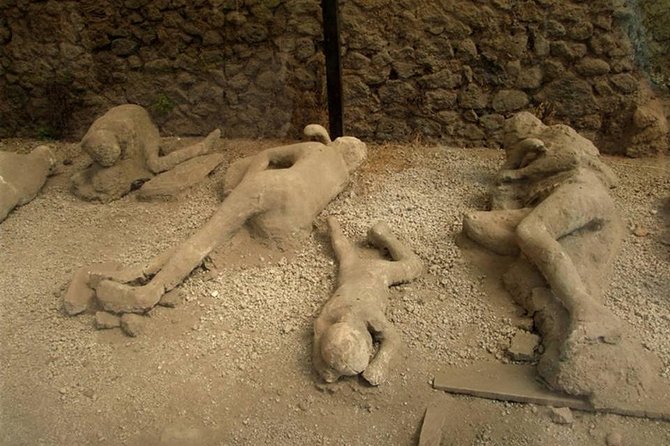
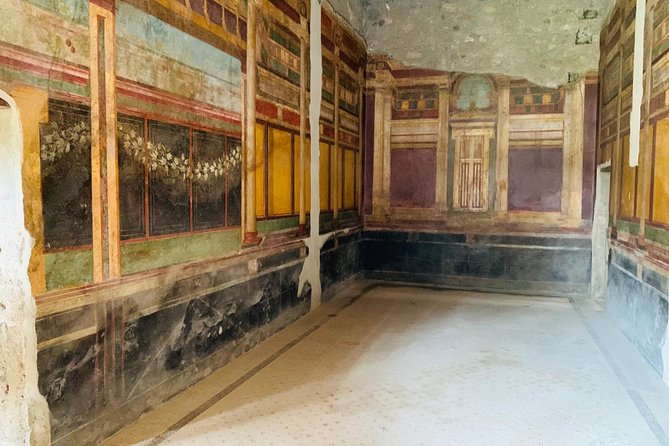
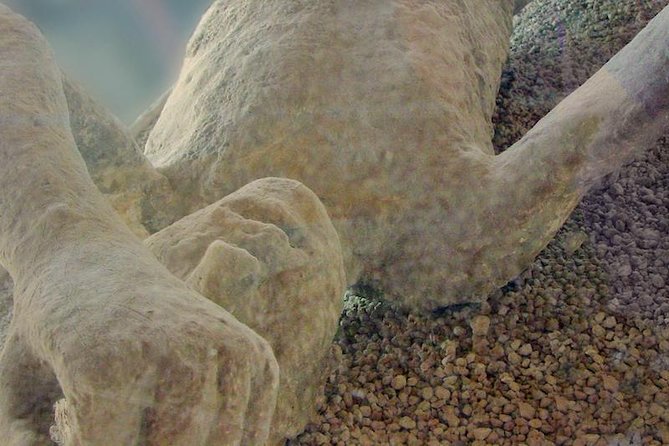
If you care about the details, this kind of guided route hits the highlights people remember: preserved frescoes, small domestic spaces, and the powerful way Pompeii shows everyday life. One of the frequent “wow” moments is seeing how artworks and casts bring the scale of the eruption into focus.
A note on free time
After the guided portion, you get free time to handle lunch before moving on to Vesuvius. This is your window to rest, use the facilities, and reset your pace. If you want extra photos, this is the time to do it—Pompeii rewards a slow walk, but your schedule is designed around a crater climb later.
Lunch timing: what to do with the no-lunch-included setup
This tour builds in time for lunch, but lunch itself isn’t included by default. So you should treat meal planning as part of your prep rather than an afterthought.
The good news is that you won’t be rushed immediately after Pompeii. You’ll have a chunk of time to eat and regroup. If you prefer sit-down meals, this is when to choose them. If you want something quicker, plan for a grab-and-go style stop so you still feel ready for the hike at Vesuvius.
Here’s the practical thing to watch: Pompeii lunch options are often limited to what’s nearby and what’s open in the middle of the day. If you have dietary needs, you’ll want to be extra sure you can eat what’s available where your group stops. Since lunch isn’t guaranteed as part of the base package, I’d also keep a bit of flexibility in your budget and expectations.
Mount Vesuvius National Park: the hike, the crater, and how to prepare
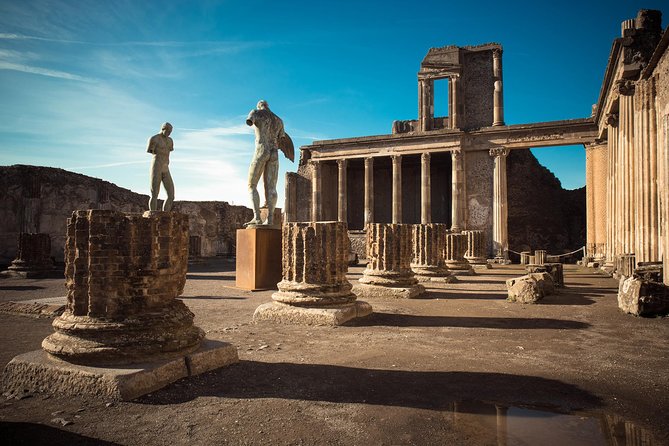
After lunch, you drive to Vesuvius National Park, reaching about 1,000 meters. From there, the plan is straightforward: you have time to climb the volcano at your own pace. The access to the crater is allowed, but only if you buy the ticket for that part of the experience and go accompanied by the local volcanological guides.
This crater context is what makes Vesuvius more than a viewpoint. You’re not just standing above history—you’re walking toward a cavity that’s over 300 meters deep, with a crateral rim circumference of about 500 meters. With that kind of scale, binoculars can be a real help, and a camera is useful even if you think your phone already does everything.
The hike itself is where you’ll feel the day. You’ll be on rocky terrain and steep sections, and the altitude can make you work a little harder than you expect. Comfortable shoes aren’t optional here. I’d also strongly consider bringing traction-friendly footwear and taking it slow, especially if you’re not used to uneven ground.
- Sorrento Farm and Food Experience including Olive Oil, Limoncello, Wine tasting
★ 5.0 · 2,524 reviews



Gear tips that actually matter
Based on what the tour recommends, pack for the essentials: suitable equipment for altitude and comfortable shoes, plus sunglasses and camera. If you tend to get tired on steep climbs, trekking poles can help reduce strain on your knees. And because this is a crater area with sun and wind shifts, a light layer can be smart—some top viewpoints can feel cooler than you expect.
Also, be ready for the weather to change the vibe fast. Clear views can make the whole hike feel worth it instantly. Cloud cover can reduce visibility, so it’s smart to go with the mindset that you’re doing the climb as much as you’re chasing the photo.
The value mix: transport, tickets, guide energy, and small savings
This is a bus tour, not a DIY day. What you’re paying for is a bundle of time-saving and energy-saving elements.
You get:
- An air-conditioned bus
- An authorized English-speaking tour guide
- Skip-the-line ticket handling included for both Pompeii and Mount Vesuvius
- Headsets in Pompeii
- Admission tickets included for Pompeii and Vesuvius
That doesn’t just mean fewer lines. It means your day is less likely to unravel if you’re delayed at one point. Skip-the-line access can be the difference between a relaxed Pompeii walk and a day that suddenly turns into speed-watching.
I also like the guide commentary style this format tends to produce. Pompeii isn’t a place where raw motivation is enough—you need help connecting what you see to what happened. In practice, good guides keep you moving at a pace that matches the heat and still make the ruins feel understandable instead of random.
You’ll notice the impact of that focus in the way the Pompeii route feels: you come away knowing why certain areas matter, and you spend your time seeing things instead of searching for meaning.
What you should know about the bus ride and comfort
The bus gets you there, but comfort depends on your own tolerance. The day includes driving both to Pompeii and then up the winding road toward Vesuvius. If you’ve ever felt queasy on twisty roads, it’s worth planning ahead with your preferred motion-sickness solution.
Air-conditioning is included, which helps, but once you step outside, the Mediterranean heat will hit immediately at Pompeii and on the climb. If you run hot, dress in breathable layers and stay realistic about your pacing. This tour works best when you treat it like an active day, not a casual stroll.
And remember: the itinerary is timed. That’s good for efficiency, but it also means you won’t have the kind of free-roam day you’d get if you were completely on your own schedule.
Who this tour suits best (and who might want a different plan)
This is a solid fit for:
- First-timers to Pompeii who want a guided orientation fast
- People who want a crater hike but don’t want to plan public transport and tickets
- Visitors who value a structured day over a slow, self-directed exploration
- Travelers with only one day on the Amalfi Coast area who need major sights without logistics stress
You might choose something else if you:
- Want to spend half a day or more deep inside Pompeii’s most niche areas
- Prefer a flexible schedule where you can linger for hours in one section
- Have very specific needs around meals and dietary restrictions, since lunch isn’t included in the base setup
Also, note the tour is meant for people with moderate physical fitness. You don’t need to be an athlete, but you should be ready for steep, rocky walking at Vesuvius.
Packing list for Vesuvius and Pompeii heat
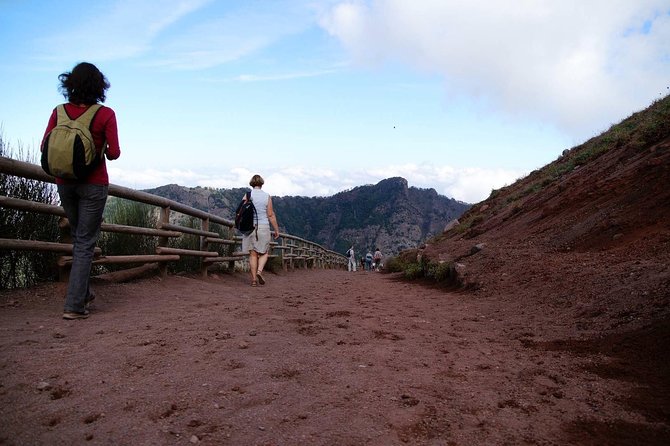
If you want this day to feel smooth, pack for what you’ll actually do: walk a lot and climb.
Bring:
- Comfortable, grippy shoes for rocky ground
- Sunglasses and sunscreen (Pompeii sun can be unforgiving)
- Water and a way to carry it
- A light layer for changing breezes near the volcano summit
- Camera and, if you like details, binoculars
- A small first-aid or blister kit if your shoes aren’t new
- Motion-sickness meds if you’re sensitive to winding roads
It also helps to plan your footwear and socks based on comfort. A crater hike punishes the wrong choice fast.
Should you book this Pompeii and Vesuvius bus tour?
Book it if you want a high-impact day with minimal logistics. The combo of guided Pompeii highlights, skip-the-line admissions, headsets in Pompeii, and a real climb toward the crater is the core value here. You’ll save time that you can spend understanding what you’re seeing.
Think twice if you hate long days or if your comfort needs are very specific, especially around lunch. Since lunch isn’t included by default, you’ll want to plan meals confidently before you go, not after you’re already hungry.
If you like practical sightseeing—clear routes, guided context, and the big payoff of standing near Vesuvius—this is an easy yes.
FAQ
What time does the tour start?
The start time is 8:15 am.
How long is the tour?
The duration is about 8 hours.
Is the tour offered in English?
Yes, the tour is offered in English.
How much does it cost?
The price is $149.65 per person.
Is lunch included?
No, lunch is not included.
What is included for Pompeii entry and listening?
Skip-the-line tickets are included for Pompeii, and you’ll have headsets during the Pompeii visit.
Can I access the Vesuvius crater?
Crater access is allowed if you buy the ticket for that part and go accompanied by the local volcanological guides.
What should I bring for the Vesuvius climb?
Bring suitable equipment for altitude and wear comfortable shoes. Sunglasses, binoculars, and a camera are recommended.
How many people are on the tour?
The tour has a maximum of 45 travelers.
What happens if the weather is poor?
This experience requires good weather. If it’s canceled due to poor weather, you’ll be offered a different date or a full refund.
You Might Also Enjoy




More Tours in Sorrento



More Tour Reviews in Sorrento
- Sorrento Farm and Food Experience including Olive Oil, Limoncello, Wine tasting
★ 5.0 · 2,524 reviews