REVIEW · SORRENTO
Sorrento: Guided Walking Tour & Limoncello Tasting
Book on GetYourGuide →Operated by M.a.UrbanTrekking&More · Bookable on GetYourGuide
Limoncello here comes with real context. This Sorrento walking tour pairs classic historic-center sights with a lemoncello tasting that explains what makes Amalfi lemons matter, from the valley of mills to the hilltop viewpoints. I love how the route feels slow enough to actually look up and take photos, especially at Vallone dei Mulini—and I like that you learn about Sorrento inlay and lemon production, not just where to take a picture. One drawback: it’s not a good match if you want minimal steps or a low-effort stroll through the seaside strip.
What makes it work best is the guide. Mario, who’s from Sorrento and leads in English, keeps the pace friendly, answers questions, and ties the buildings and traditions together so the town makes sense while you’re walking it.
In This Review
- Quick Reasons This Tour Hits the Mark
- Why This 2-Hour Sorrento Walk Feels Like a Smart Use of Time
- Starting at Piccadilly Pub: The Meeting Point You Should Not Miss
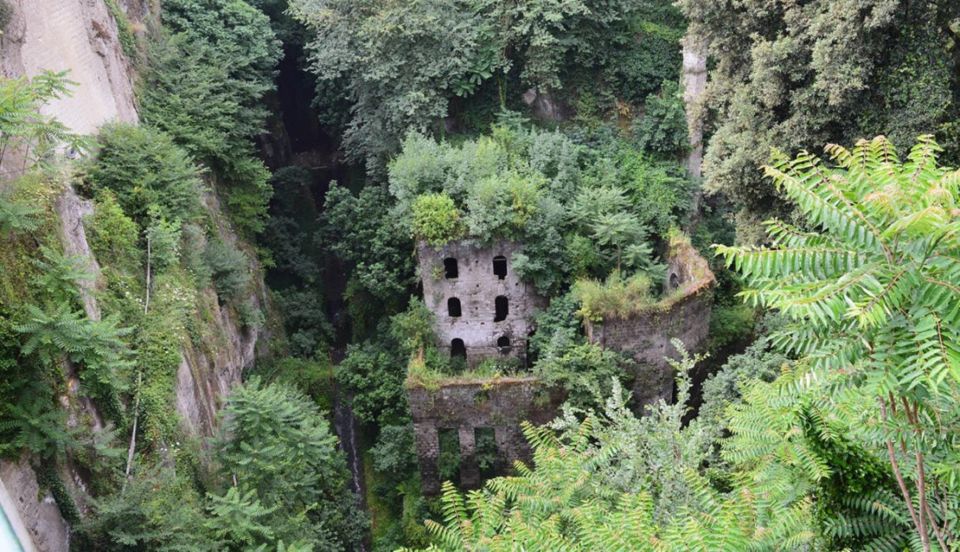
- Vallone dei Mulini: The Valley of Mills and the Best “How Is This Town Built?” Moment
- Via San Cesareo and Sant’Antonino Square: The Old Streets Where Sorrento Feels Real
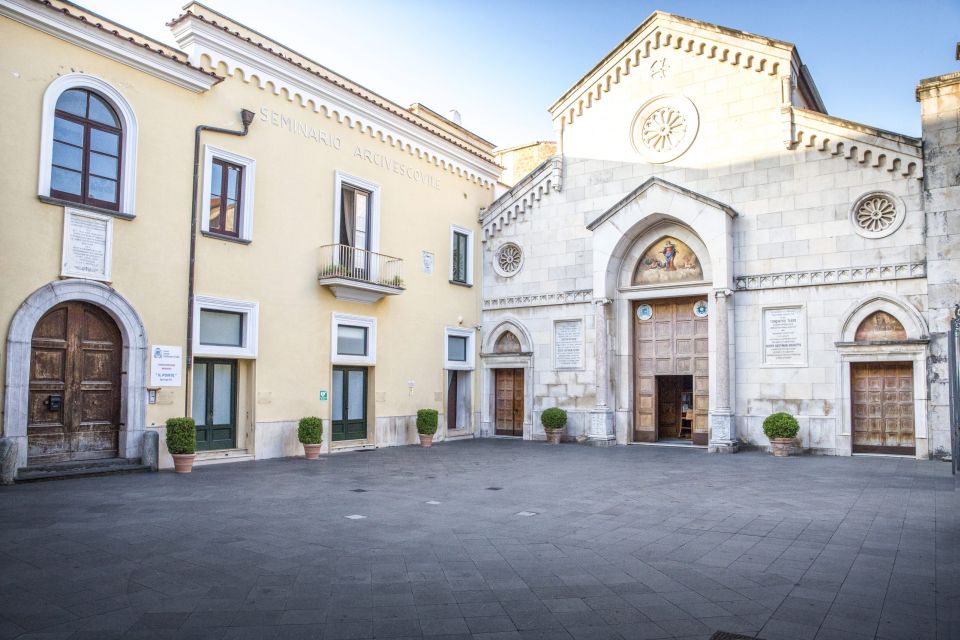
- Chiostro di San Francesco: A 13th-Century Breather From the Noise
- Sedil Dominova: Ancient Civic Power You Can Still See
- Villa Comunale Overlook: Bay of Naples Views With Less Guesswork
- Sorrento Inlay: The Craft That Makes Souvenirs Worth Looking At
- Lemon Garden and Certified Organic Lemons: Where the Limoncello Story Starts
- Limoncello Tasting at the Partner Shop: What You’ll Try and How to Approach It
- Included Extras: When Food and Olive Oil Come Along
- Pacing, Weather, and What to Bring So You Stay Comfortable
- Who This Tour Fits Best (And Who Might Want Another Option)
- Should You Book This Sorrento Guided Walking Tour & Limoncello Tasting?
- FAQ
- How long is the Sorrento guided walking tour?
- Where is the meeting point?
- Is hotel pickup included?
- What’s included in the price?
- How much walking is involved?
- What should I bring for the walk?
- Is the tasting only limoncello?
- What if it rains?
- What if I arrive late to the meeting point?
Quick Reasons This Tour Hits the Mark
- Vallone dei Mulini views: a panoramic valley tied to old mill history and Sorrento’s terrain
- Old town orientation: you get placed in the geography without needing a map
- 13th-century Chiostro stop: the Franciscan cloister is a standout break in the route
- Sorrento inlay explained: you’ll understand the craft before you shop for souvenirs
- Organic lemoncello lesson: a lemon garden visit plus a tasting that’s about quality
- Photo-friendly pacing: pauses built in, so you’re not sprinting between sights
Why This 2-Hour Sorrento Walk Feels Like a Smart Use of Time

For $41 per person, you’re buying three things: a guided orientation of the historic center, a clear lesson on the lemon-to-liquor story, and a tasting that ends the tour in a relaxed way. Two hours also helps if you only have limited time in Sorrento but still want to understand what you’re looking at on your own later.
I like that this isn’t framed as a “rush, tick boxes, move on” outing. You cover around 3 km at an easy, rather slow pace with pauses for explanations, so the history sticks instead of bouncing off while you’re on the move.
The main “consideration” isn’t the schedule—it’s your comfort level with Sorrento’s hills and steps. It’s easy walking overall, but you will deal with uneven streets and some incline.
You can also read our reviews of more walking tours in Sorrento



Starting at Piccadilly Pub: The Meeting Point You Should Not Miss
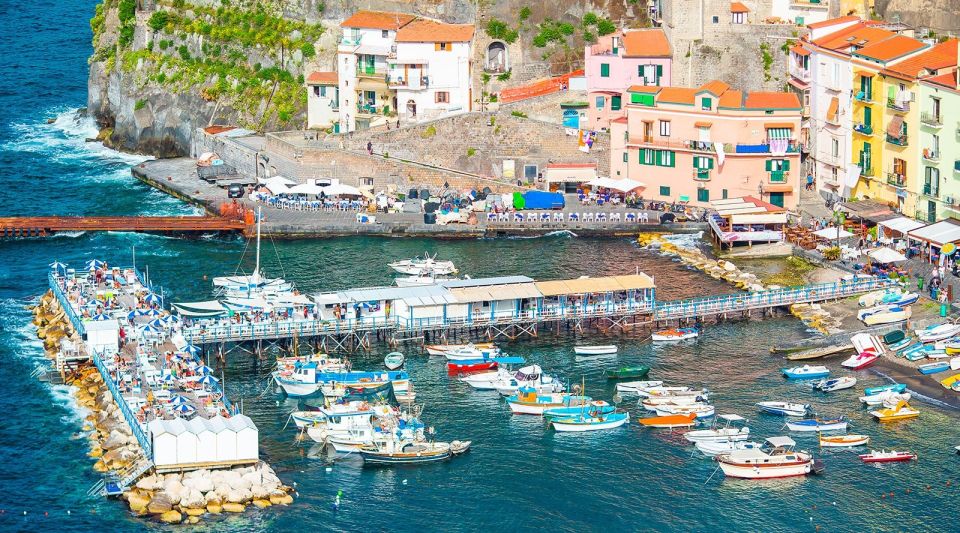
Your start is at Piccadilly Pub, Via Fuorimura n°1, right in front of the entrance. The guide is easy to find: look for a red sports cap. Arrive a few minutes early, because the guide starts exactly at the scheduled time and the group moves on if you’re late.
This matters more than it sounds. A tour that stays on pace for photos and explanations depends on everyone lining up on time. If you’re running behind by more than 10 minutes, you may not be able to join because the group keeps moving.
Once you’re together, the guide sets the tone with a quick city intro so the rest of the walk feels connected—not random.
Vallone dei Mulini: The Valley of Mills and the Best “How Is This Town Built?” Moment
One of the first big stops is Vallone dei Mulini, and it’s easy to see why it gets attention. It’s a surprising valley that combines views with a story about how Sorrento’s terrain shaped old life there.
You’ll get talking points about the area’s formation and the presence of ancient mills, which turns the scenery into something more than a backdrop. I like this kind of stop because it helps you understand why streets, views, and buildings sit the way they do.
Drawback? It can be a bit exposed depending on weather, so bring what you need for sun or rain.
Via San Cesareo and Sant’Antonino Square: The Old Streets Where Sorrento Feels Real

After the valley, the tour shifts into the historic-center feel—narrow passages, older streets, and the kind of small details you usually miss when you’re self-guided.
Via San Cesareo is described as the city’s oldest street, with tight alleys and local artisan shops. It’s the sort of street where you can pause and look without feeling lost, because the guide helps you connect what you see to why it matters.
Then comes Sant’Antonino Square, dedicated to the city’s patron saint. It’s not just a pretty stop: you’ll hear about the history of his life and miracles, which adds meaning to the square beyond “here’s another church area.”
If you’re the type who likes towns with character over big-ticket monuments, these parts are the heart of the tour.
Chiostro di San Francesco: A 13th-Century Breather From the Noise

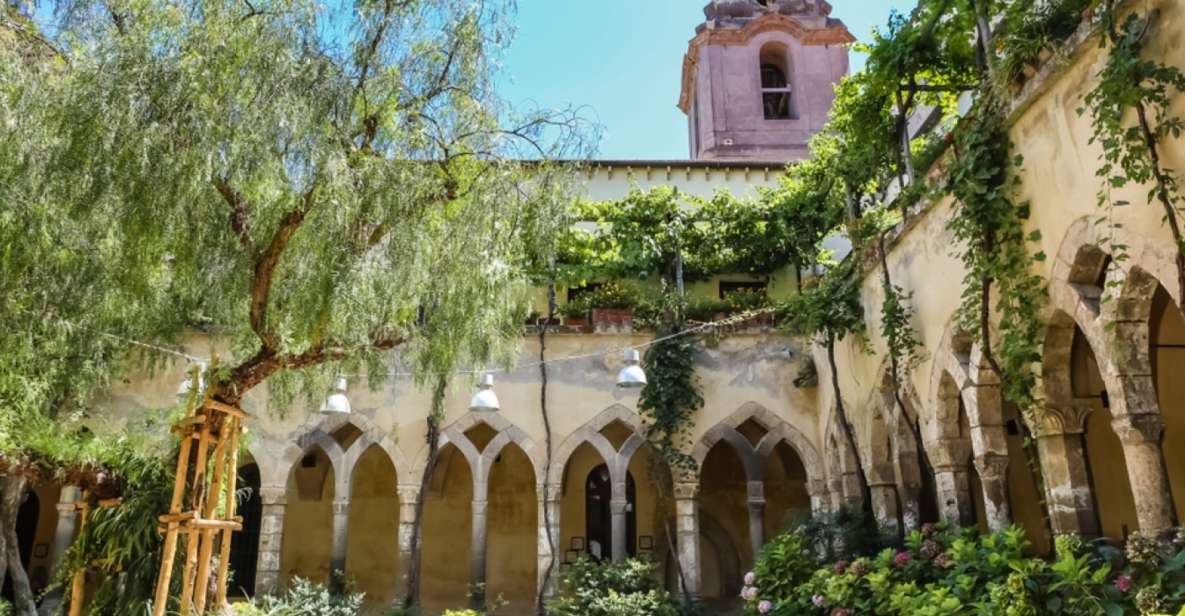
One of the calmer, visually memorable stops is the Chiostro di San Francesco—a convent from the 13th century. This is a genuine change of pace from street-walking, and it’s designed to feel like an architectural pause while you keep moving.
Cloisters like this often make cities click. They show how religious communities shaped urban life over centuries, and they give your photos a different mood than the sea-facing viewpoints.
The time here is short (about 15 minutes), so you won’t feel trapped. You’ll simply get the basics—why it’s old, why it’s important, and what to look for.
You can also read our reviews of more food & drink experiences in Sorrento
- Sorrento Farm and Food Experience including Olive Oil, Limoncello, Wine tasting
★ 5.0 · 2,524 reviews






Sedil Dominova: Ancient Civic Power You Can Still See
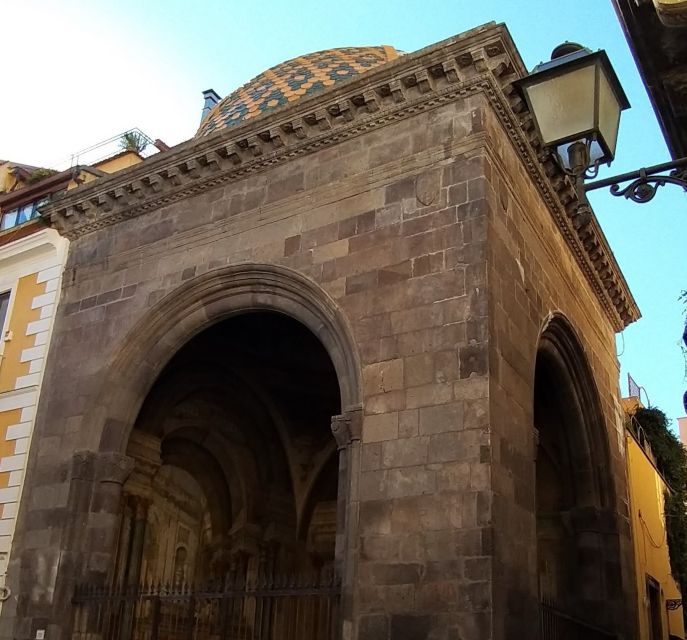
Next up is Sedil Dominova, the city’s ancient parliament and one of Sorrento’s oldest and most iconic buildings. This is a great stop if you like civic history—how communities organized themselves, not just who built churches.
Because the guide ties it back into the broader city story, you’re more likely to notice details instead of treating it like a wall you walk past. The stop is brief (around 10 minutes), but it leaves you with a clearer sense of how Sorrento operated long ago.
If you’ve ever wondered why a town feels “structured” even in small streets, this is the kind of stop that answers it.
Villa Comunale Overlook: Bay of Naples Views With Less Guesswork
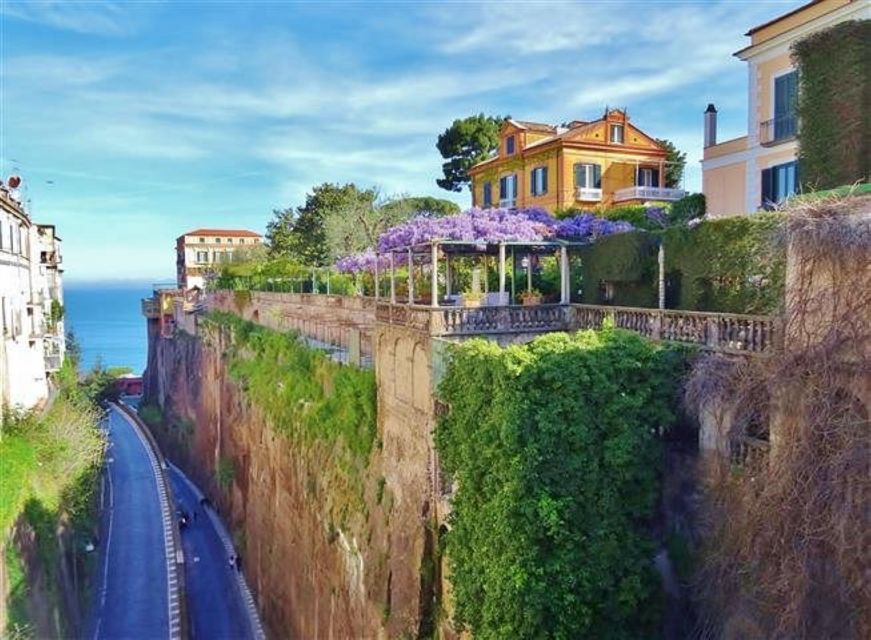
The walk includes Villa Comunale, the public park with sea views. This is the kind of spot that’s worth arriving at with context, because your photos improve when you know what direction you’re facing and why the view exists.
You’ll get a viewpoint over the Gulf of Naples, and the tour frames it as the best place for stunning shots. I also like that it’s built into the route—rather than making you hunt for viewpoints on your own.
Practical note: parks mean more open-air exposure. Bring sun protection if you’re there in warm months, and rain gear if clouds roll in.
Sorrento Inlay: The Craft That Makes Souvenirs Worth Looking At
Some tours mention shopping. This one teaches what you’re shopping for.
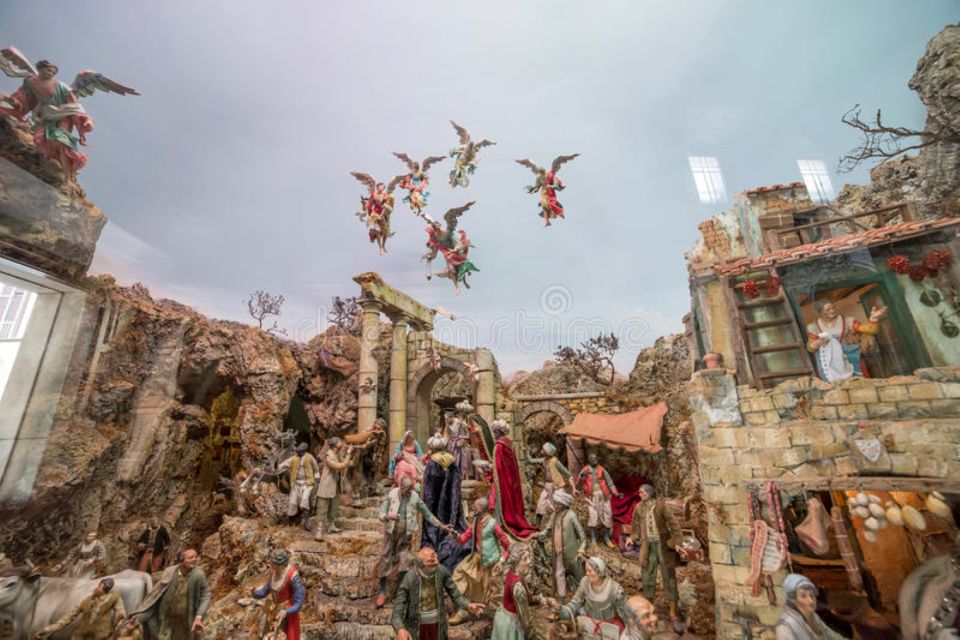
You’ll learn the secrets of Sorrento inlay, the traditional art form that shows up on small items and larger decorative pieces. The guide explains the history and the production method, so when you see the work in shops later, it’s easier to tell what’s skillful versus what’s just decorative.
This is a smart inclusion because it changes the souvenir conversation from price-only to craft-and-detail. You’ll know what to ask for and what to look for.
Lemon Garden and Certified Organic Lemons: Where the Limoncello Story Starts
The tour then shifts from city stones to citrus. You visit a small lemon garden, with an explanation of the history of Sorrento lemons and how limoncello is produced.
The key point here is the source quality: the tasting is described as being made with real certified organic lemons of the Amalfi Coast. That’s not just a marketing line. It helps you understand why the flavor profile can vary so much from one bottle to another.
This part is also timed to be a breather. You’re moving from walking and architecture into something sensory—smell, fruit details, and the idea of tradition tied to a specific place.
Limoncello Tasting at the Partner Shop: What You’ll Try and How to Approach It
The finale is a limoncello tasting at a partner shop. The goal is to understand organoleptic quality—how it tastes and smells—so you can decide what you want to buy without feeling pushed.
You’ll sample limoncello plus additional options like limoncello cream, pistachio cream, and cantaloupe melon cream. The tasting portion is described as about half a typical bar serving, which makes sense because these liqueurs have high alcohol content and you’ll be trying multiple items.
My advice: treat this like a comparison lesson. Pay attention to sweetness, aroma, and how the finish feels. Then buy only what you actually enjoy, not what sounds fancy.
The tour ends at Campaniadamare, so you’re not left wandering afterward with no plan.
Included Extras: When Food and Olive Oil Come Along
Depending on the option you selected, the tour can include a food and olive oil tasting along with the walking and limoncello part. If you chose that add-on, it gives you another local flavor thread to connect to the lemon story and the broader Campania food culture.
If you didn’t, the limoncello tasting still does the job of giving you a clear “this was worth it” finish.
Pacing, Weather, and What to Bring So You Stay Comfortable
This tour is built for walking, with various pauses so explanations land. Still, you should plan for the kinds of steps and uneven surfaces common in Sorrento’s older streets.
Bring:
- Comfortable shoes (walking shoes are a must)
- An umbrella and rain gear (weather can shift quickly)
- Water
Weather can also change the route. The plan can vary due to rain, religious or institutional events, or closures, but the tour should keep the same overall duration and quality. That’s the main reason you should pack for “Plan B” days.
Who This Tour Fits Best (And Who Might Want Another Option)
This is a great choice if you want:
- A guided way to understand Sorrento’s historic center
- A blend of architecture + views + lemon tradition
- A tasting that teaches quality instead of only offering alcohol
It may not be ideal if you have mobility impairments or heart problems, and it’s also noted as not suitable for hearing-impaired people. The tour is easy and rather slow overall, but it’s still a walking tour through old town terrain.
If you’re the type who enjoys learning while looking around—especially if you love the stories behind places—this one is a strong match.
Should You Book This Sorrento Guided Walking Tour & Limoncello Tasting?
Book it if you want a smart orientation walk plus a real lemoncello education, all in a tidy 2-hour window. It’s also a good first-day activity, because you’ll recognize landmarks when you explore on your own later.
Skip it if you want a mostly flat, low-step experience or if you’re visiting only for sea time and don’t care about historic center details. In that case, you’ll likely find yourself waiting for the tasting to start.
If you do book, arrive on time at Piccadilly Pub, wear shoes you trust, and keep an open mind. Mario’s local approach is the kind of guiding that makes a town feel explainable instead of overwhelming.
FAQ
How long is the Sorrento guided walking tour?
The tour lasts about 2 hours.
Where is the meeting point?
Meet at Piccadilly Pub, Via Fuorimura n°1, in front of the entrance. The guide stands in front of the Pub wearing a red sports cap.
Is hotel pickup included?
No. Hotel pickup and drop-off are not included.
What’s included in the price?
The tour includes a local guide, the walking tour, and a limoncello tasting. A food and olive oil tasting may be included if that option is selected.
How much walking is involved?
The route is approximately 3 km. It’s described as easy and rather slow, with pauses for explanations.
What should I bring for the walk?
Bring comfortable shoes, an umbrella, water, and rain gear.
Is the tasting only limoncello?
No. The tasting includes limoncello, and during the tasting you can also try limoncello cream, pistachio cream, and cantaloupe melon cream.
What if it rains?
The tour program may vary due to rain. In case of heavy weather (like thunderstorms or hail), you may receive a message about stopping the tour with a complete refund.
What if I arrive late to the meeting point?
If you’re delayed by more than 10 minutes, it may no longer be possible to join, because the group moves to other areas of the city.
You Might Also Enjoy



More Walking Tours in Sorrento




More Tours in Sorrento






More Tour Reviews in Sorrento
- Sorrento Farm and Food Experience including Olive Oil, Limoncello, Wine tasting
★ 5.0 · 2,524 reviews