REVIEW · SORRENTO
Traditional Neapolitan cooking class
Book on Viator →Operated by Villa Pane cooking class · Bookable on Viator
Cooking lessons at a real Sorrento home.
This traditional Neapolitan cooking class pairs hands-on cooking with a family-style welcome from Annamaria and Giovanni, right in their home kitchen. I love how personal it feels, especially since it’s a private setup just for your group, not a crowded bus-to-bus routine.
You’ll also like the ingredient story. Annamaria works with aromatic herbs and products she gathers from their garden, and you’ll sip local wine during the session. One thing to consider: this is a set-menu experience, so if you have very specific dietary needs, you’ll want to ask ahead before booking.
In This Review
- Key things to know before you cook in Sorrento
- Neapolitan cooking in Sorrento: what makes this class different
- Inside Annamaria and Giovanni’s home kitchen (Via Fuorimura)
- The menu you’ll cook and eat: Montanare to panna cotta (or tiramisù)
- Starter: Montanare or stuffed courgette flowers
- Caprese ravioli: cheese, tomato, and the right amount of restraint
- Neapolitan chop and braciola vibes
- Sorrentine gnocchi: why this one feels local
- Dessert: panna cotta or tiramisù
- Hands-on learning: what you’ll actually take home
- Wine, limoncello, and the rhythm of a long dinner
- Price and value: is $210.99 per person worth it?
- Timing, pickup, and what to bring
- Who should book this cooking class in Sorrento
- Should you book? My straight answer
- FAQ
- Where does the cooking class start?
- How long is the experience?
- Is pickup available from my hotel?
- Is this class private?
- What language is the class offered in?
- What dishes are included in the menu?
- Is wine or limoncello included?
- Can I cancel for a full refund?
- FAQ
- What are the class hours?
- How far in advance do people typically book?
- Does the class end at the meeting point?
- What if the minimum number of travelers isn’t met?
Key things to know before you cook in Sorrento
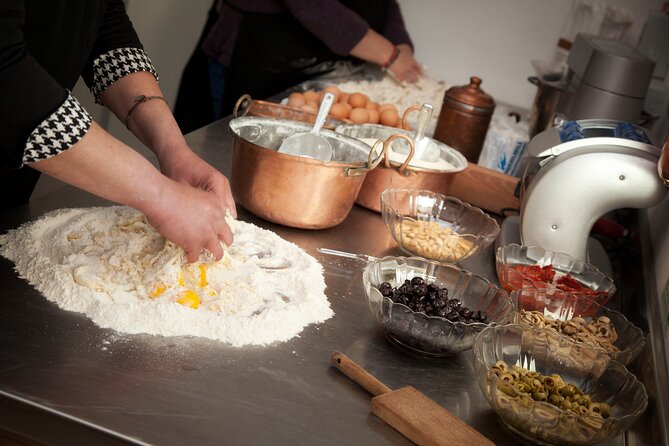
- Private, at-home setting with Annamaria and Giovanni, so the vibe stays warm and relaxed
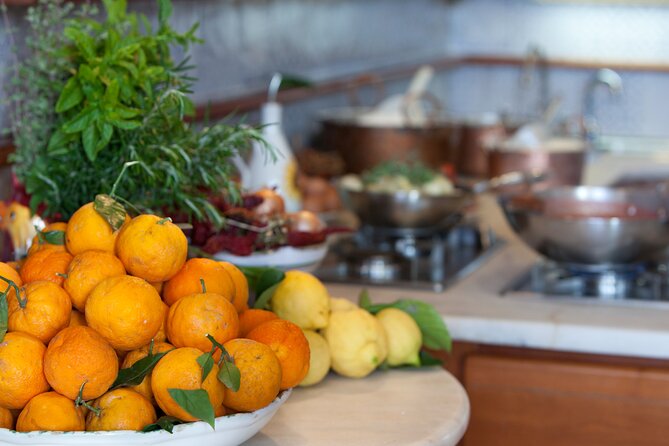
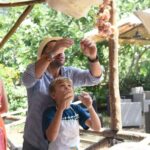
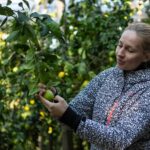
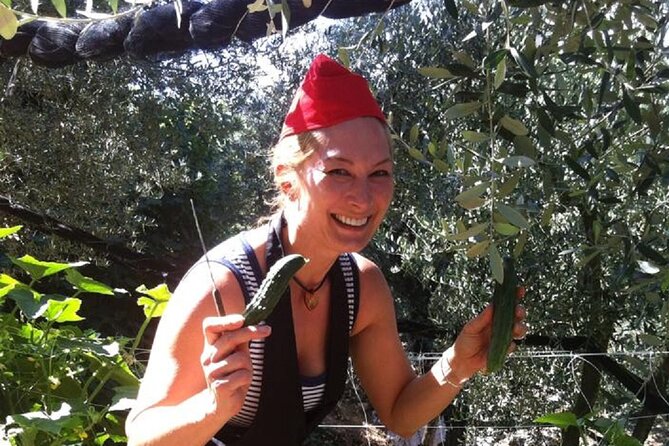
- Garden-forward ingredients with aromatic herbs collected from their own space
- A full meal taught step-by-step, including ravioli and a Neapolitan-style main
- Local wine and limoncello tasting during the cooking process
- Receipes you can take home, so your future dinner plans get easier
- Views from the house that add a scenic lift while you wait between courses
Neapolitan cooking in Sorrento: what makes this class different
Sorrento sits on the edge of Campania’s food world, close enough to Naples to share the same culinary DNA, but with its own flavors. That’s why a Neapolitan-focused class here feels smart: you learn the style, then you’re in a town that helps you taste the context—herbs, olive oil, tomatoes, and cheese done in an everyday way rather than a museum way.
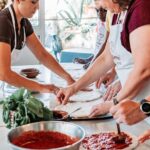
What I like most is the way the class treats food as something you make together. You’re not just watching or following a script. You get pulled into the process, from prep to plating, so the lesson sticks.
And because it’s private, your pace matters. If you want to slow down, ask questions, or linger on technique, you can. If your group likes fast momentum, it works there too.
You can also read our reviews of more cooking classes in Sorrento



Inside Annamaria and Giovanni’s home kitchen (Via Fuorimura)
The meeting point is Via Fuorimura, 29, Sorrento, and the class ends back there. Pickup is offered from hotels in Sorrento and nearby areas as long as your address is reachable by minibus and not in a pedestrian-only zone. That matters in Sorrento, where streets can get tricky, and it’s a big quality-of-life win when you’d rather be thinking about dinner than transit.
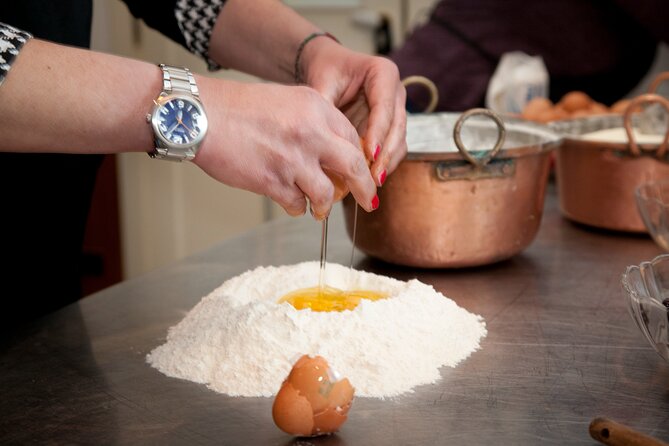
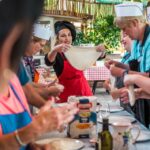
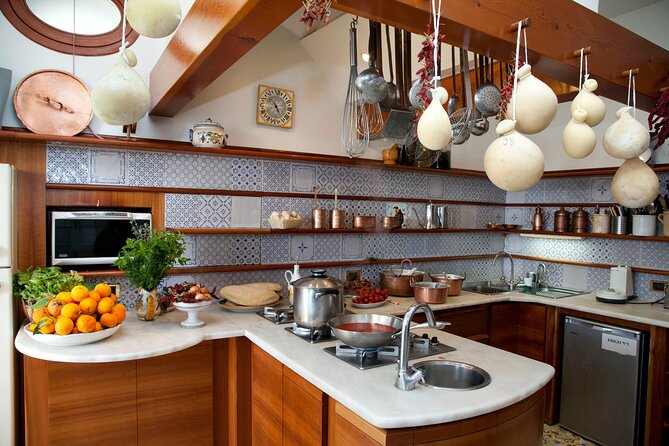
Once you’re at the home, the whole experience shifts. The setting is not a classroom. It’s a lived-in kitchen, and that changes how the lesson feels. You’re dealing with real tools, real textures, and real rhythms—the kind of learning that makes you feel like you’re borrowing someone’s playbook for the evening.
The hosts also set the tone. The descriptions of Annamaria and Giovanni are consistent: warm, welcoming, and very willing to explain what they’re doing and why. One small detail that stays in your head is how the family setup extends beyond cooking—people even mention meeting their dog, Guido, which adds that “you’re here with a family” feeling.
The menu you’ll cook and eat: Montanare to panna cotta (or tiramisù)
This class is built around a full Neapolitan-style meal with a starter, two mains, a gnocchi course, and dessert. The example menu includes:
- Starter: Montanare (fried pizza) or stuffed courgette flowers
- Main: Caprese ravioli
- Main: Neapolitan chop
- Main: Sorrentine gnocchi
- Dessert: Panna cotta or Tiramisu
In practice, you may also see related dishes reflected in the session. Recent examples mentioned ingredients and dishes like ricotta cheese, tagliatelle, braciola/braciole, fried pizza dough, eggplant parmesan, and even lava cake. That variety is a good sign. It means the class isn’t stuck in one rigid version of Italian cooking; it’s teaching a style through multiple plates.
Starter: Montanare or stuffed courgette flowers
If you get Montanare, you’re looking at a Neapolitan comfort classic—fried pizza dough shaped and served as a starter. It’s not complicated in concept, but it rewards technique: how you handle the dough, how you manage cooking, and how you balance it with toppings.
If you choose stuffed courgette flowers instead, you’ll get something lighter and more delicate on the plate. Either way, the starter is a great warm-up course because it teaches the “why” of local ingredients. Courgette flowers and fried dough are both street-food cousins of home cooking, which is what makes Neapolitan cuisine so approachable.
Caprese ravioli: cheese, tomato, and the right amount of restraint
Caprese ravioli are a smart choice for a class lesson because they show how simple ingredients can taste special when they’re treated carefully. You’re working with filling and dough, then you’re learning the timing that keeps the pasta tender instead of chewy.
And yes, caprese flavor is familiar to most people, but turning it into ravioli takes you past the postcard version. You understand how cheese and tomato behave in a filling so it doesn’t become watery or bland.
You can also read our reviews of more tours and experiences in Sorrento

Neapolitan chop and braciola vibes
The menu includes a Neapolitan chop, which typically points toward the kind of hearty, meat-forward course Campania does well. In similar sessions, people have also learned dishes in the braciola/braciole family and other pasta-friendly savory plates.
This part of the class teaches how to build flavor beyond salt and heat. You learn how seasoning works in stages, and how you match meat richness with the rest of the menu so the meal doesn’t feel heavy all at once.
Sorrentine gnocchi: why this one feels local
“Sorrentine gnocchi” is the kind of phrase that sounds like branding, but it’s also a clue. Gnocchi is where you learn feel and consistency—the difference between good gnocchi and disappointing gnocchi is often how the dough is handled.
This course also helps you tie the class to Sorrento itself. You’re not only learning “Neapolitan general rules.” You’re learning a local variation that fits the region you’re visiting.
Dessert: panna cotta or tiramisù
Dessert choices are classic and forgiving, which is good for a cooking class. Panna cotta gives you a cool, creamy finish, and tiramisù gives you the coffee-cocoa-sweet balance that Italy does so well.
Even if you’re not a baker, you can see how dessert is just another course with technique—timing, texture, and assembly.
Hands-on learning: what you’ll actually take home
The best cooking classes do two things: they teach technique and they reduce stress so you can repeat the food later. This one leans hard on both.
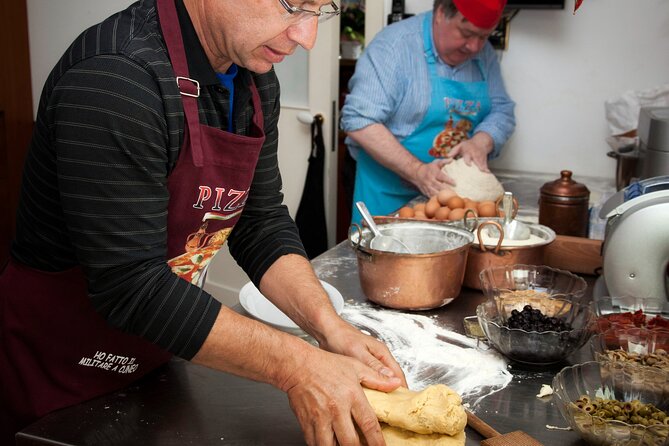
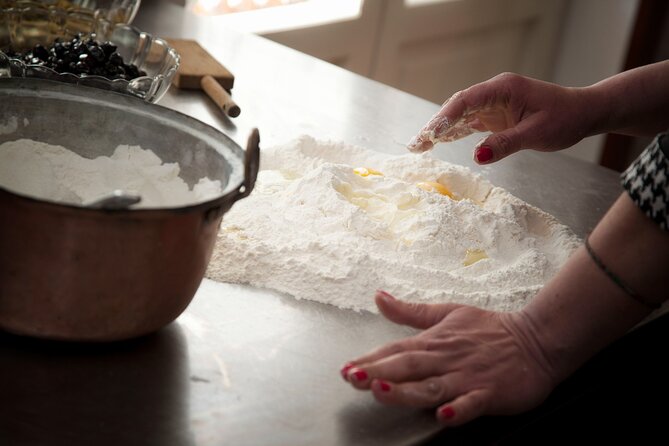
You’ll work through multiple dishes rather than just one recipe. That matters because you learn transferable skills. For example, pastas and ravioli teach you how dough behaves and how filling and shape work together. Fried pizza dough (if included in your starter) teaches you handling and cooking timing. Ricotta-based work, tagliatelle, and other pasta variations also help you understand how similar ingredients get translated into different forms.
One of the most practical details in the feedback is that you can take the recipes home. That turns the class from a fun night into something you can use during future dinners. Instead of remembering only tastes, you’ll have a written roadmap.
And don’t underestimate the “taste feedback” portion. When local wine shows up during the session and you taste as you go, you start noticing balance. Salt, acidity, richness, and herb aroma become easier to spot. That’s the real education, because it helps you cook even when you don’t have the exact same ingredients in your kitchen.
Wine, limoncello, and the rhythm of a long dinner
This isn’t a quick demo. You’ll be cooking for about 3 hours 30 minutes and then you’ll sit down to enjoy what you made. Along the way, there’s local wine, plus a limoncello tasting mentioned in the experience.
That changes the mood in a useful way. Sorrento and Campania have a slower dinner culture, and this class follows that pattern. You’re not rushing through a checklist. You’re learning, tasting, and eating in a sequence that feels like a proper Italian evening.
It also means your timing plans in Sorrento should account for the meal afterward. If you book this late in the day, you’ll likely skip dinner plans elsewhere because the class meal is already the main event.
Price and value: is $210.99 per person worth it?
At $210.99 per person, this is not a budget activity. The question is whether you’re paying for something that improves the quality of your trip.
Here’s the value math that makes sense for this class:
- You get a private experience for your group, which is where the cost starts to justify itself compared with big group classes.
- You get a full menu built into the session, not just one tasting plate.
- You get hands-on instruction plus recipes to take home, which increases the chance you’ll repeat dishes later.
- Hosts + home setting matter. When you’re cooking in someone’s house, you’re learning the way food actually happens there, not how it performs for a crowd.
If you like food enough to want real technique and you’ll use the recipes later, the price feels fair. If you only want a light taste and zero cooking, you may decide it’s too much.
Timing, pickup, and what to bring
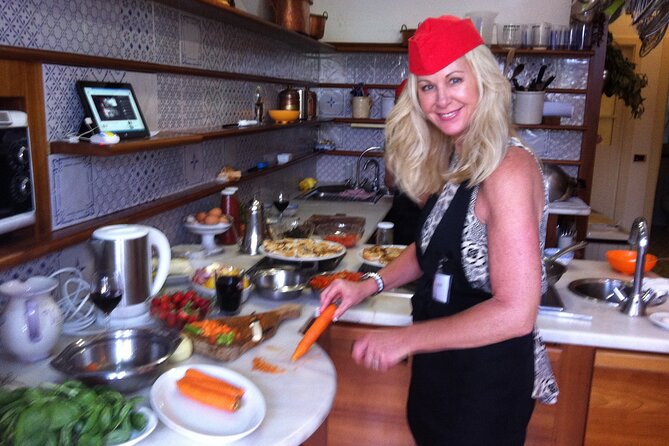
The class runs during these windows: Monday to Sunday, 10:00 AM–1:30 PM and 5:00 PM–8:30 PM, with seasonal dates listed from 04/30/2022 to 12/07/2026. That gives you two solid choices for planning: a late morning/early afternoon slot or an evening slot.
Pickup is from hotels in Sorrento and nearby areas, but not if your hotel is in a pedestrian-only zone or can’t be reached by minibus. If you’re staying in a spot with narrow streets, be ready for the pickup to not work as expected and plan an alternative meeting point route.
What to bring is simple: wear comfortable clothes you’re happy to get a little messy in, and don’t plan to do an intense walking tour right before the class. You’ll be at home, moving around the kitchen, and then eating a full meal.
Who should book this cooking class in Sorrento
Book it if you want:
- A real Neapolitan cooking focus with a meal you’ll enjoy, not a short taste-only stop
- A private, family-style setting where questions are welcomed and the pace can match your group
- A chance to learn techniques for pasta, frying, and hearty mains, and leave with recipes
It’s also a good fit for food-first couples, friend groups, and travelers who like activities where the outcome is lunch or dinner you can’t buy anywhere else.
Skip it (or at least think hard) if:
- You have very specific dietary restrictions and you’re not sure the menu can be adjusted
- You’re allergic to the idea of a longer sit-down meal as part of the experience
- You want something purely observational with minimal participation
Should you book? My straight answer
Yes, I’d book it if you’re in Sorrento with enough interest in cooking that you’ll actually use what you learn. The combination of a private at-home class, garden-forward ingredients, and a full menu is exactly the kind of “pay once, get memories plus recipes” experience that holds up later.
If you’re on the fence, make the decision based on one point: do you want to learn how to cook, or do you just want to eat? If you want to cook, this is the kind of class that makes the food feel personal. If you only want a bite, you’ll likely find it costs more than it needs to.
FAQ
Where does the cooking class start?
The class starts at Via Fuorimura, 29, 80067 Sorrento NA, Italy.
How long is the experience?
It lasts about 3 hours 30 minutes.
Is pickup available from my hotel?
Pickup is provided from any hotel in Sorrento and nearby areas, as long as it is not located in a pedestrian area and is accessible by minibus.
Is this class private?
Yes. This is a private tour/activity, and only your group participates.
What language is the class offered in?
It’s offered in English.
What dishes are included in the menu?
The sample menu includes Montanare or stuffed courgette flowers, Caprese ravioli, Neapolitan chop, Sorrentine gnocchi, and dessert such as panna cotta or tiramisù.
Is wine or limoncello included?
Local wine is included, and limoncello tasting is mentioned in the experience.
Can I cancel for a full refund?
Yes. You can cancel up to 24 hours in advance for a full refund.
FAQ
What are the class hours?
The listed opening hours are Monday to Sunday: 10:00 AM–1:30 PM and 5:00 PM–8:30 PM.
How far in advance do people typically book?
On average, this is booked 13 days in advance.
Does the class end at the meeting point?
Yes. The activity ends back at the meeting point.
What if the minimum number of travelers isn’t met?
If it’s canceled because the minimum isn’t met, you’ll be offered a different date/experience or a full refund.
You Might Also Enjoy




More Workshops & Classes in Sorrento
More Cooking Classes in Sorrento


More Tour Reviews in Sorrento
- Sorrento Farm and Food Experience including Olive Oil, Limoncello, Wine tasting
★ 5.0 · 2,524 reviews