REVIEW · AMALFI
Amalfi: Cooking Class with Pasta, Mozzarella, and Tiramisù
Book on GetYourGuide →Operated by La Perla Cookingclass · Bookable on GetYourGuide
This cooking class turns the Amalfi Coast into a working food lesson, not a museum stop. I like that you make mozzarella, tagliatelle, and tiramisù from scratch, and I especially like the farm-to-table touch with local wine tasting. One thing to plan for: there’s no hotel pickup, so you’ll need your own way to get to Pianillo.
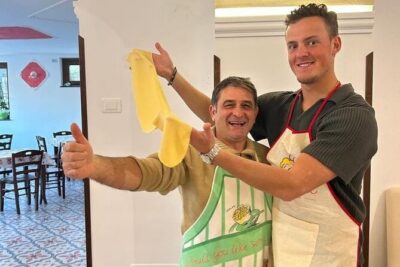
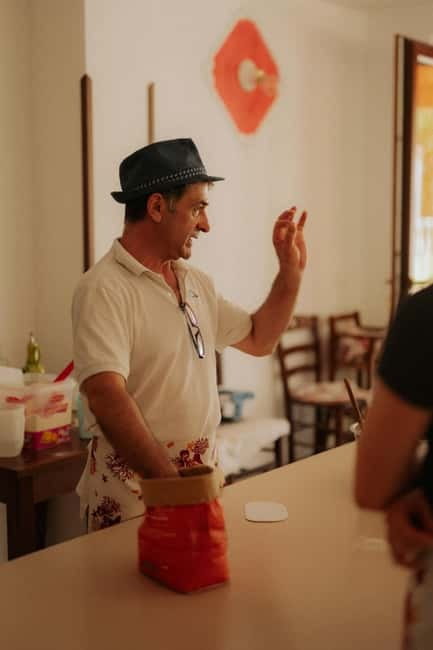
You also get a true small-group feel. The host and chef, Ferdinando, keeps things light and interactive, with help from his assistant Michael (one start point involves being greeted in an alley and guided onward). If you want a class that teaches technique and you don’t mind getting your hands a little messy, this is a very solid fit.
In This Review
- Key highlights at a glance
- A Farm in Pianillo: Why the Setting Matters on the Amalfi Coast
- Meeting Ferdinando and the Farm Walk That Gets You Cooking
- Making Fresh Mozzarella: Texture, Technique, and What You’ll Remember
- Hands-On Tagliatelle (and the Pasta Skills You Can Take Home)
- Tiramù Layers: Classic Dessert, Built Like a Project
- The Tasting, the Farm Wine, and the Lunch (or Dinner) You Actually Eat
- Price and Logistics: Is $66.62 Worth It?
- Who Should Book This Cooking Class (and Who Might Skip It)
- What to Bring and How to Prepare for a 3-Hour Class
- Should You Book La Perla Cookingclass in Amalfi?
- FAQ
- How long is the Amalfi cooking class?
- What dishes will I learn to make?
- Is lunch or dinner included?
- Is wine tasting included?
- What languages are the instructors available in?
- Is hotel pickup and drop-off included?
- Is there parking available?
- Is the cooking class wheelchair accessible?
- Is there free cancellation and a pay-later option?
Key highlights at a glance
- Farm tour in Pianillo before you cook, so you understand where the food comes from
- Handmade mozzarella with real texture and technique, not just assembly
- Fresh tagliatelle focused on local pasta-making skills you can repeat later
- Classic tiramisù built layer by layer, ending in a proper dessert tasting
- Wine from the farm served with your meal, included in the price
- English and Italian instruction, so you’re never stuck guessing what to do
A Farm in Pianillo: Why the Setting Matters on the Amalfi Coast
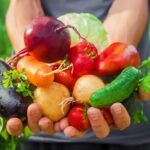
The Amalfi Coast can feel like nonstop views and photos. This experience changes the pace. You go inland to a local farm in Pianillo, where the day is built around food that’s grown and produced locally. That shift is the whole point: you trade the crowds for a working setting and a guided, hands-on lesson.
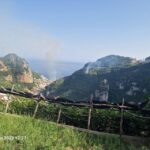
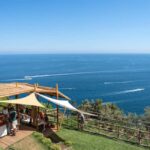
What you gain from this rural location is focus. You can actually learn why pasta dough behaves a certain way, what good mozzarella should feel like, and how tiramisù becomes creamy instead of runny. Plus, you’re treated to countryside views, and in some moments you can even catch a glimpse toward the Mediterranean Sea from the farm area.
There’s also something practical here: the farm experience tends to feel spacious. One of the repeated wins in real-world feedback is that there’s personal space and easy onsite parking, which matters because the Amalfi area can be tight on roads and tricky for arrivals.
You can also read our reviews of more cooking classes in Amalfi
Meeting Ferdinando and the Farm Walk That Gets You Cooking
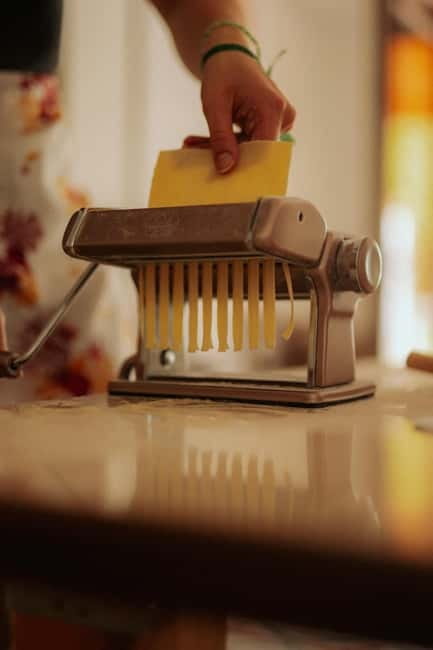
You start with a guided farm component, not just a jump straight into a recipe. This is where you get context for the day: what the farm produces, how ingredients are handled, and why Italian home cooking works with seasonal basics.
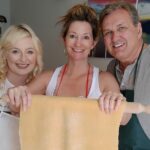
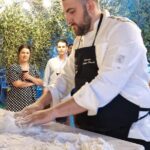
Ferdinando is the chef-host at the center of the class, and his teaching style shows up fast. He guides with humor and keeps the energy friendly, so you’re not afraid of messing up dough or timing a sauce. Michael, his assistant, helps with the start-to-finish flow; in a few cases, people were met and pointed the way to the right area before the session began.
Why this matters: cooking classes often fail when they feel like a show. Here, the structure pushes you into participating. You’re not watching someone else do everything. You’re learning by doing, in a farm setting that feels more like family hospitality than a packaged performance.
Making Fresh Mozzarella: Texture, Technique, and What You’ll Remember
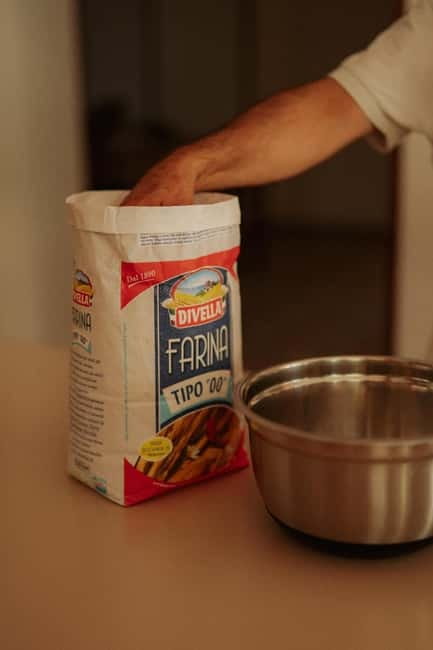
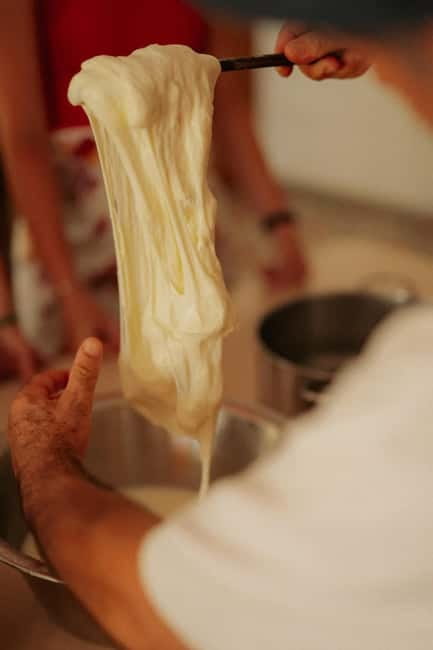
Fresh mozzarella is the star ingredient of the day. The class walks you through making it with your own hands, with guidance from the instructor to help you reach a better texture. The practical value isn’t just that you end up with cheese; it’s that you learn the technique that affects stretch, softness, and that classic mozzarella feel.
From the way the class is described and experienced, expect the session to slow down at key moments: how to handle the curd, how to shape, and how not to rush the process. It’s exactly the kind of skill you can’t really learn from a cookbook photo.
A bonus you’ll care about if you’re a cheese fan: you get to taste what you make in the meal that follows. That closes the loop. Instead of mozzarella as a standalone ingredient, it becomes part of your lunch, connected to the farm produce and the rest of what you cook.
Hands-On Tagliatelle (and the Pasta Skills You Can Take Home)
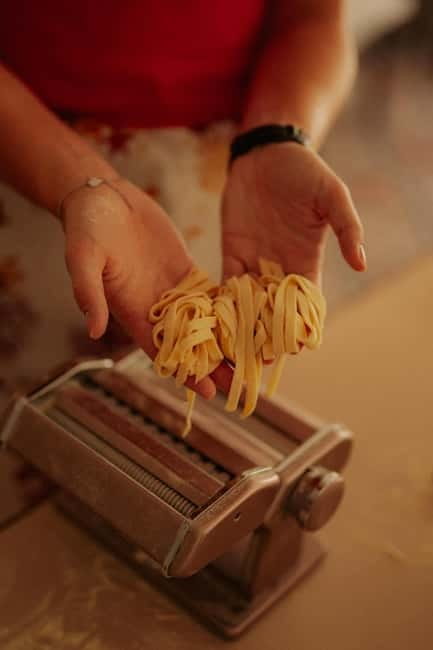
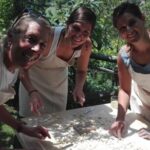
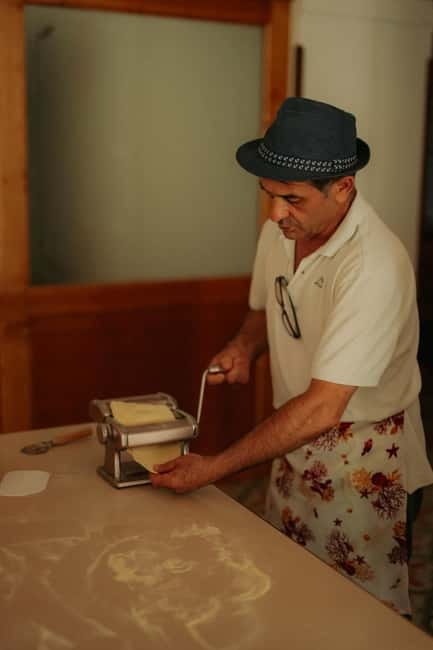
After mozzarella, you shift into fresh pasta making with tagliatelle. This part is hands-on and interactive, and the focus is on practical pasta basics: working dough, getting the right thickness, and learning how tagliatelle is formed.
Even if you’re not a frequent cook, the class structure helps you understand what’s going wrong when pasta won’t behave. You’re taught enough technique to troubleshoot yourself next time, not just to follow steps.
One small wrinkle to know: the activity description also references homemade ravioli alongside mozzarella and tiramisù. The most repeatedly mentioned pasta in the class experience is tagliatelle, so don’t be surprised if the class language uses more than one pasta term. The safe expectation is that you’ll be making fresh pasta from scratch as part of the core three-dish experience.
If you’re coming from a pasta-and-pizza background, this is still worth it. Store-bought pasta is consistent. Fresh pasta isn’t. Learning how to handle that difference is where the real payoff is.
Tiramù Layers: Classic Dessert, Built Like a Project
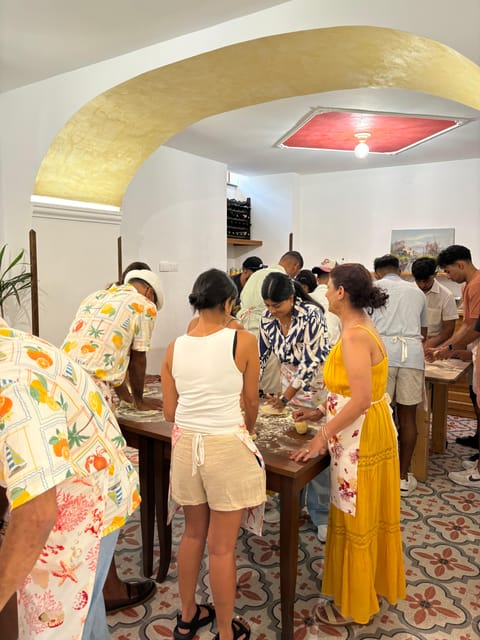
Tiramù can be the easiest thing to mess up at home if you don’t know the texture goal. This class treats it like a real skill. You prepare the classic dessert and work on the creamy, layered structure that makes tiramisù more than just a sweet cup.
Expect the process to be guided step by step. The class timing is about 3 hours total, so the pacing usually keeps you moving while still giving you enough instruction for the layers to come out correctly. You’re not just assembling; you’re learning how the cream and structure work together.
And yes, you’ll eat what you make. That matters, because dessert quality is hard to evaluate from description alone. In this setup, the tiramisù you build becomes part of the final meal tasting, so you leave with proof of the technique you learned.
You can also read our reviews of more tours and experiences in Amalfi

The Tasting, the Farm Wine, and the Lunch (or Dinner) You Actually Eat
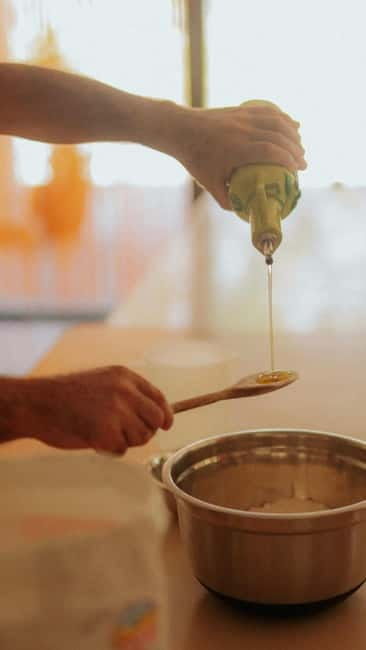
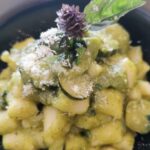
At some point after the cooking, you relax in the farmhouse and taste the dishes. You’re eating the results of your hands-on work: mozzarella, fresh pasta, and tiramisù. Alongside that meal, there’s local wine tasting included.
The wine piece is one of the strongest value signals in the whole experience. A lot of cooking classes include a beverage, but here the wine is described as produced on the farm, and that farm connection shows up in the overall day feel. The pace is also more Italian-feeling here: eat slowly, talk, and enjoy the meal instead of rushing out for a ticketed attraction.
Meal timing depends on the start time. The experience is listed as 3 hours, and lunch or dinner is included depending on when you book. Before you pick a slot, think about your day plan on the Amalfi Coast. If you’re visiting sites that take all day, a dinner slot might fit better. If you want to keep the evening open, choose a time that turns the class into lunch.
Price and Logistics: Is $66.62 Worth It?
At $66.62 per person for a 3-hour class, you’re paying for more than recipes. You’re paying for the instructor time, farm tour, hands-on instruction, the meal you eat afterward, and wine tasting, plus parking.
Is it expensive? For Amalfi, it’s not an outlier. What matters more is what’s included. You’re not just learning one dish. You’re making three iconic Italian items—mozzarella, fresh tagliatelle (with a reference to other pasta like ravioli), and tiramisù—then tasting everything as a finished meal with wine.
The tradeoff is logistics. There’s no hotel pickup and drop-off. One piece of practical advice based on real experience: confirm how you’ll get there from where you’re staying. Positano, Amalfi town, Ravello, Sorrento—each has its own transport quirks. If you’re relying on public transport, check route options and timing ahead of time because the Amalfi area runs on limited schedules.
On the plus side, there is included parking, which makes driving feel more manageable once you arrive in the Pianillo area.
Wheelchair accessibility is listed, which is helpful if you need it. Still, because this is a farm environment, it’s smart to double-check with the provider about on-the-ground conditions such as paths and seating areas before you go.
Who Should Book This Cooking Class (and Who Might Skip It)
This class fits best if you want:
- a hands-on food experience rather than a passive tour
- a guided approach to mozzarella and fresh pasta technique
- a fun, social group setting where most people get involved
It’s also a good option for mixed-age groups because the structure is interactive. One of the strongest signals from real-world experiences is that kids and adults can both do well here. If you’re traveling with teens, this is often a winner because it feels like making something real, not just eating.
You might skip it if:
- you strongly prefer a low-effort activity where you do almost nothing hands-on
- you don’t want to manage transport to Pianillo yourself (since pickup isn’t included)
- you want a super-long, slow dining event with minimal instruction time (this is a timed class, about 3 hours)
If you’re on the fence between a viewpoint stop and a cooking day, think about what you’ll remember six months later. In this case, you leave with skills and a meal built from scratch, which is a different kind of travel memory.
What to Bring and How to Prepare for a 3-Hour Class
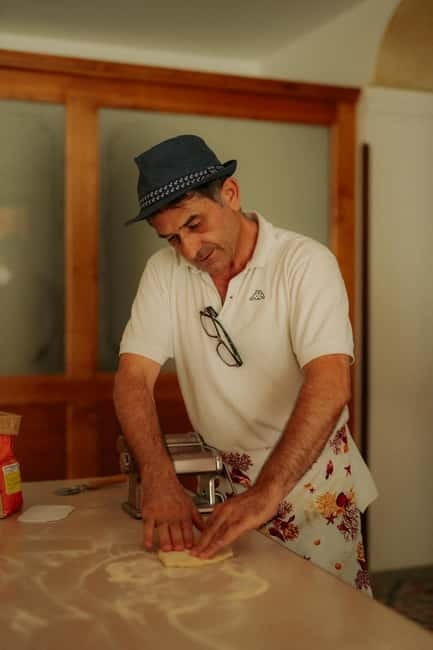
This experience is hands-on, so wear clothes you don’t mind getting a little flour and food on. Closed-toe shoes are a safe choice for any farm environment. Bring a drink bottle if you tend to get thirsty easily, but you’ll likely be guided through tastings during the session.
Because the session is 3 hours, it’s worth treating it like a real time block, not something to squeeze between attractions. Plan your arrival with buffer time. If you’re meeting in a specific alley or pickup point, give yourself a few minutes to orient before you start.
If coffee is an issue for you, note that the class is focused on mozzarella, pasta, and tiramisù, plus wine tasting. One experience mentioned swapping in a tiramisù variation using lemoncello instead of coffee, so it’s possible there are options, but the safe approach is to ask when booking or in advance.
Should You Book La Perla Cookingclass in Amalfi?
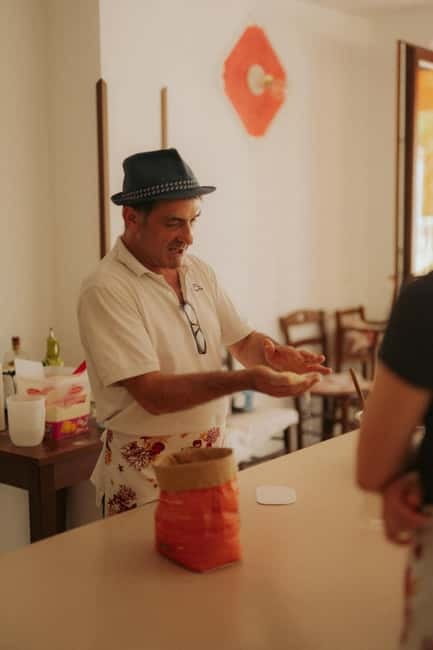
If you want an Amalfi experience that feels personal, practical, and connected to real ingredients, I’d book this. The value is strong because you’re doing three major dishes from scratch and then eating them as a proper meal with included wine tasting. The energy around Ferdinando and the teaching style with assistant Michael also make it easier to participate, even if you’re not a confident cook.
Skip it only if transport to Pianillo is a headache for you. Without hotel pickup, your choice of class time can make or break the day. But if you can get there smoothly, this is one of the more memorable ways to spend a few hours on the Amalfi Coast.
FAQ
How long is the Amalfi cooking class?
The cooking class runs for 3 hours. Starting times vary, so check availability for the exact slot you want.
What dishes will I learn to make?
The class focuses on making mozzarella, fresh pasta (tagliatelle is specifically mentioned), and tiramisù. The activity description also references homemade ravioli.
Is lunch or dinner included?
Yes. Lunch or dinner is included depending on the time of your class session.
Is wine tasting included?
Yes. Local wine tasting is included with the meal.
What languages are the instructors available in?
The instructor speaks English and Italian.
Is hotel pickup and drop-off included?
No. Hotel pickup and drop-off are not included.
Is there parking available?
Yes. Parking is included.
Is the cooking class wheelchair accessible?
The activity is listed as wheelchair accessible.
Is there free cancellation and a pay-later option?
Yes. Free cancellation is offered up to 24 hours in advance for a full refund, and there is a reserve now & pay later option.