REVIEW · AMALFI
Amalfi: Vertical Lemon Farm Tour, Tastings, and Rural Museum
Book on GetYourGuide →Operated by AMALFI LEMON EXPERIENCE · Bookable on GetYourGuide
Lemons climb like a story. This vertical lemon grove tour turns Amalfi’s postcard fruit into something you can actually understand, from how the terraces work to why the lemons matter. I love that it’s family-run and hands-on, not a quick stop for photos. You’ll also get a hands-on tasting of farm-made goodies, including limoncello made from Sfusato Amalfitano lemons.
What I like most is the mix of orchard time and real craft details. You’re guided through hillside terraces carved for generations, then led into the on-site laboratory area where limoncello production is explained and shown. You’ll finish feeling like you learned why Amalfi lemons taste the way they do, and not just that they taste good.
The main drawback to know up front: it’s a walking tour with steep stairs, and you’ll need solid shoes. If you have mobility limits, heart or respiratory concerns, or you’re over 80, this one may not be a good match for your body and pace.
In This Review
- Key Highlights Worth Showing Up For
- From Via delle Cartiere to a Real Farm Above Amalfi
- Walking the Vertical Lemon Grove on Amalfi’s Terraces
- Sfusato Lemons, Organic Farming, and the Real Work Behind the Taste
- The Limoncello Laboratory: How It’s Made, Not Just Sold
- The Museum of Rural Culture and Tools of the Lemon Trade
- Tastings: Lemon Cake, Lemonade, and Limoncello
- Views, Questions, and Photo Stops (Without Turning It Into a Scenic Drive)
- Price and Value for 1.5 Hours in Campania
- Who This Tour Fits Best (and Who Should Skip)
- Tips to Make It Smooth in the Amalfi Hills
- Should You Book This Vertical Lemon Farm Tour?
- FAQ
- How long is the Amalfi Vertical Lemon Farm Tour?
- Where do I meet the guide?
- What’s included in the price?
- What language is the tour guide?
- Is this tour mostly walking?
- What should I wear or bring?
- Are pets allowed?
- Can I bring luggage or large bags?
- Is it hard to get there by car?
- What if I need to cancel?
Key Highlights Worth Showing Up For
- Six generations of lemon farming with a family that calls these hills home
- Vertical terraces on the Amalfi Coast, where lemon trees grow in layered rows
- Organic farm focus and clear talk about the realities of modern farming
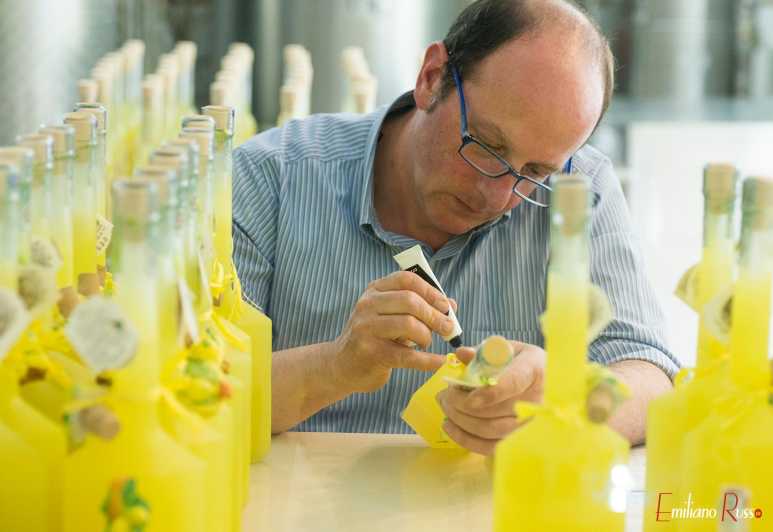
- Limoncello lab time, plus other products like lemon jam and honey
- Rural museum visit with tools, equipment, and documents tied to lemon production
- Sfusato Amalfitano explained, including its European Protected Geographical Indication recognition
From Via delle Cartiere to a Real Farm Above Amalfi

Your tour starts at the Amalfi Lemon Experience shop at Via delle Cartiere, 59. If you use Google Maps, I’d follow the walking directions, not the driving route, since the car route can send you somewhere else entirely. Once you check in, you head out from the shop area and begin the shift from busy Amalfi streets to working farmland in the hills.
The big “why” behind this start: you’re not jumping straight to a tasting counter. You’re going up to see the conditions that shape the fruit—sun, wind off the coast, and the way lemons grow on steep, terrace-shaped slopes.
Also note what the venue doesn’t want to deal with: no large bags and no luggage, plus no scooters or mobility aids on site. So travel light and wear shoes you’re comfortable breaking in.
You can also read our reviews of more tours and experiences in Amalfi.



Walking the Vertical Lemon Grove on Amalfi’s Terraces
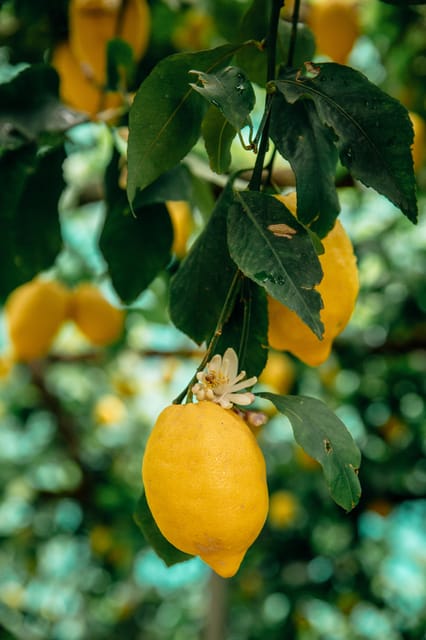
The heart of the experience is the walk through the vertical lemon grove on terraced hillsides above Amalfi. These terraces were carved into the hillside over centuries, and the tour uses that geography to teach you how farming works when flat land is basically a luxury. You’ll move through rows where the trees look like they’re climbing, and the breeze under the shade is part of the charm.
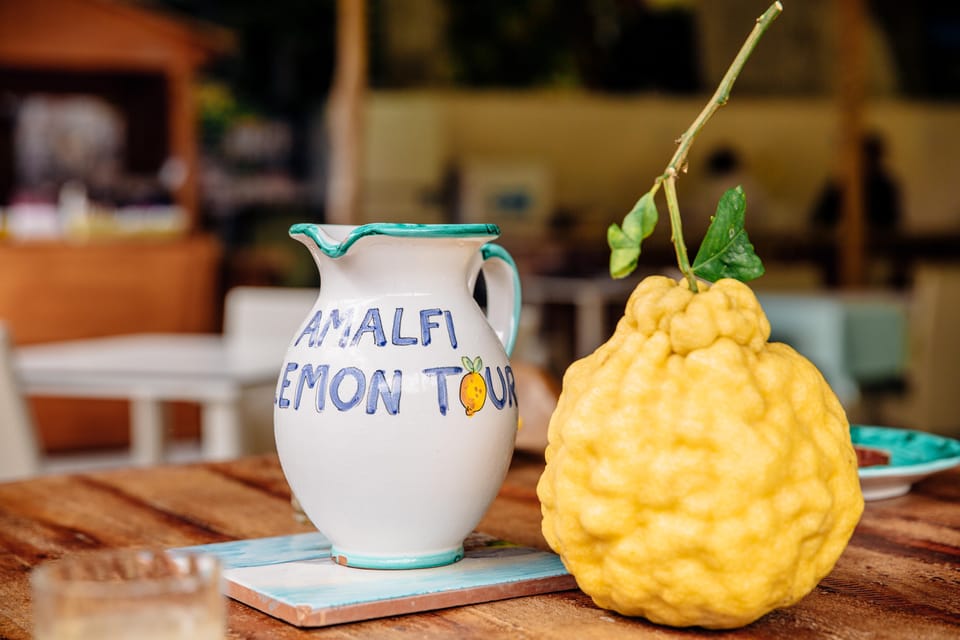
Along the way, the guide explains the specific lemon variety: Sfusato Amalfitano. You’ll also hear how this fruit first arrived in Amalfi and how it’s recognized through European Protected Geographical Indication status. That label matters because it’s tied to tradition and growing standards, not just marketing.
Practical note: the tour includes walking sections with steep stairs. I recommend hiking shoes if you have them, and sunglasses too—sun glare on the hills can get strong even when the air feels mild.
Sfusato Lemons, Organic Farming, and the Real Work Behind the Taste
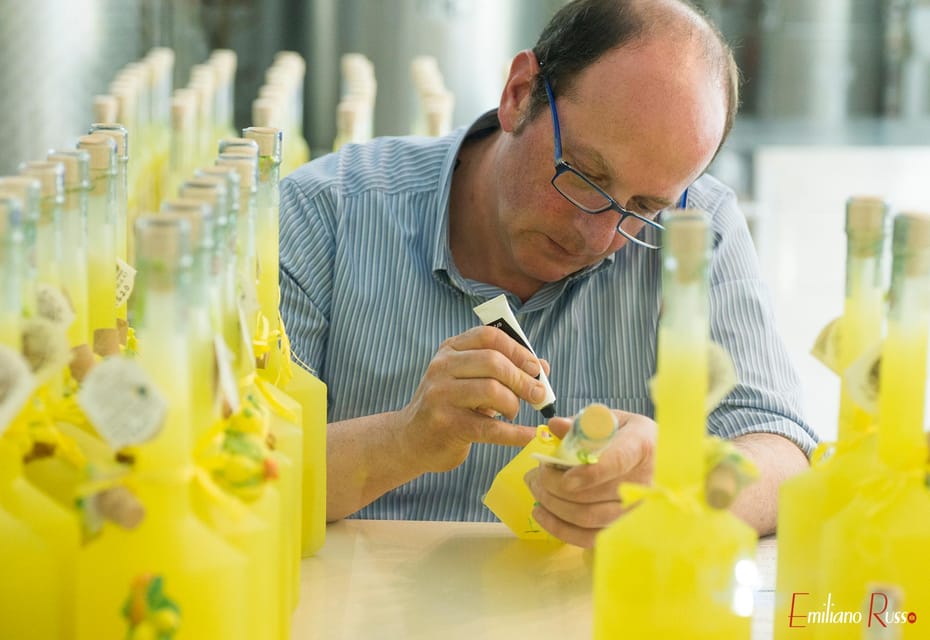
One of the most honest parts of the tour is that it treats lemon farming as work, not a miracle. You’ll learn that the products are grown in an organic way, and you’ll hear what it takes to keep the trees healthy and producing. That includes how locals have farmed this land with love and passion across six generations.
And you’ll also get the other side of the story: the difficulties farms face in the modern market. This isn’t a rose-colored history lesson. It’s closer to learning how families keep a craft alive while dealing with costs, demand, and the practical limits of hillside farming.
If you’re a food person who cares about “why it tastes that way,” this is where the tour clicks. You start connecting flavor to place: terraced cultivation, consistent sun exposure, and the patience required to grow lemons that are specifically used for limoncello.
The Limoncello Laboratory: How It’s Made, Not Just Sold
After the orchard walk, the tour shifts into the production side. You’ll visit the on-site laboratory area where you learn the secrets to crafting exceptional limoncello. The guide also talks through how lemon-based products are made, so you get more than the romantic idea of a family spirit.
If you like details, this part tends to be a highlight. Recent visitors specifically mentioned learning a lot during the limoncello factory visit area, with some even calling out how interesting it was that they could see the process and then buy items afterward. I’d treat this like a short, friendly crash course: enough to understand the approach, not so much that you need a chemistry degree.
You’ll also encounter other products from the same source materials—like lemon jam and honey. This matters because it shows how the farm uses more than one outlet for the harvest, and it gives you options beyond just drinking a shot of limoncello.
The Museum of Rural Culture and Tools of the Lemon Trade
Next comes the museum component: the Museum of rural culture arts and crafts. It’s built to help you step back in time and understand lemon farming as a full local system, not only a crop.
Inside, you’ll see tools of the trade, equipment, and documents related to lemon production. The goal is to connect what you just saw in the grove with how people used to work the land—what they measured, how they handled production, and what equipment made hillside farming possible.
I especially like this stop because it stops the experience from becoming purely sensory. After tasting lemon cake and lemonade, the museum gives your brain something solid to hold onto: the craft behind the flavor.



Tastings: Lemon Cake, Lemonade, and Limoncello
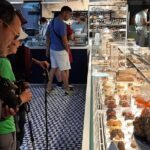
Then you get to the part most people really came for: the tasting. The included samples can include lemons, lemon cake, lemonade, and limoncello. If you’re the type who worries about tours where the tasting is tiny, don’t. The food and drink here are a real chunk of the experience, and people consistently talk about it as one of the best parts.
What’s helpful is that the tasting isn’t random. It matches the farm’s products and the orchard work you just did. You’ll taste fruit and prepared items that come from the same setting, which makes it easier to notice differences between pure lemon flavors and the sweetness of finished products.
Also, limoncello isn’t just poured and forgotten. The guide links it back to the Sfusato Amalfitano lemons, and you’ll understand why that specific variety is the star. If you’re considering buying something, this is the moment to do it while you still remember what you liked and why.
Views, Questions, and Photo Stops (Without Turning It Into a Scenic Drive)
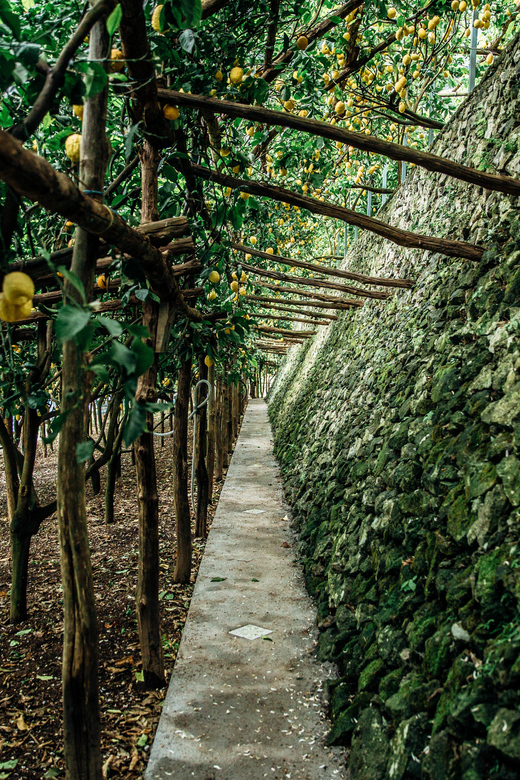
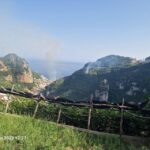
Because this tour is in the hills, you get plenty of photo opportunities—views are part of the bargain. But the pacing also gives you time to ask questions and take pictures without feeling rushed. Some guides are named in recent experiences, including Elvira and Georgia, and both are described as warm and informative during the walk and tastings.
A small but practical advantage: you’re away from the densest parts of Amalfi’s center. There’s still plenty of Amalfi character, but you spend more time where lemons grow than where souvenir shops compete for your attention.
And if you’re coming from the sea, that’s workable too. One visitor mentioned arriving by ferry from Positano and then walking from the port in about an 18-minute walk. That’s a useful reminder: you may not need a car to make this happen.
Price and Value for 1.5 Hours in Campania
At $41 per person for about 1.5 hours, this is priced like an experience tour, not a casual tasting. The value comes from what’s included: the vertical lemon grove visit, tastings (including lemon cake, lemonade, and limoncello), a rural museum visit, and the limoncello laboratory/factory stop.
So you’re paying for multiple stops that connect into one story: orchard to production to history. If all you wanted was a glass of limoncello, you could find plenty of that elsewhere. But this tour gives you the context—family farming across generations, Sfusato Amalfitano specifics, and how the land and tools shaped production.
It also supports a local business directly, with the chance to purchase farm products afterward. If you’re the type who buys one edible souvenir instead of three magnets, this is the kind of place that makes that decision easy.
Who This Tour Fits Best (and Who Should Skip)
This works best if you like food education, scenic walks, and seeing how a local product is made. It’s a good fit for couples, solo travelers, and groups who enjoy learning from family farmers rather than listening to a script.
It’s not a great match if you’re sensitive to steep stairs or have mobility limits. The tour isn’t suitable for wheelchair users, and there are clear limits noted for people with heart problems or respiratory issues. It’s also listed as not suitable for children under 2 and people over 80.
Also keep in mind the animal factor: the property has dogs that roam freely, and other pets are not allowed.
Tips to Make It Smooth in the Amalfi Hills
A few practical points will help you enjoy the experience instead of managing it:
- Wear comfortable, grippy shoes. If your footwear is unsuitable, you may not be allowed to participate.
- Bring sunglasses and weather-appropriate clothing. The walk is outdoors and sun and wind are real factors.
- Plan to keep bags minimal. Luggage or large bags aren’t allowed.
- Don’t expect to drive to the city center. No car or scooter is allowed inside the city center, and parking in Amalfi is limited.
- Want to find the meeting point fast? Use walking directions for Via delle Cartiere, 59.
- Avoid touching plants. The tour rules also prohibit feeding animals.
One extra option that’s nice: you may be able to purchase farm products and even have fresh lemons shipped for you. If you’re thinking about bringing a taste of Amalfi home, ask when you’re there.
Should You Book This Vertical Lemon Farm Tour?
If you’re in Amalfi and you like lemons beyond surface-level, I think it’s a smart booking. The tour isn’t only about tasting—it connects the vertical terraces, the Sfusato Amalfitano variety, and the craft behind limoncello in a way that feels grounded.
Skip it if you need flat ground, step-free movement, or you know steep stairs will be a problem. Also skip if your health conditions make a hillside walk risky.
If you can handle the stairs and you want a genuine, farm-based Amalfi experience—one where the lemon story is told by the family working it—this is the kind of trip you’ll remember when the rest of your Amalfi photos fade.
FAQ
How long is the Amalfi Vertical Lemon Farm Tour?
The tour lasts 1.5 hours.
Where do I meet the guide?
Check in at the Amalfi Lemon Experience shop at Via delle Cartiere, 59.
What’s included in the price?
You get the vertical lemon grove visit, tastings (lemons, lemon cake, lemonade, and limoncello), the rural museum of arts and crafts visit, and a limoncello laboratory/factory visit.
What language is the tour guide?
The live tour guide speaks English.
Is this tour mostly walking?
Yes. It includes walking sections with steep stairs, so comfortable footwear is important.
What should I wear or bring?
Wear comfortable shoes (and appropriate hiking shoes if you have them), bring sunglasses, and dress for the weather.
Are pets allowed?
No. Pets are not allowed on the property, and there are dogs that roam freely.
Can I bring luggage or large bags?
No. Luggage or large bags aren’t allowed.
Is it hard to get there by car?
Amalfi has limited parking, and no car or scooter is allowed inside the city center. The venue also does not have parking, so it’s best to plan for other transport options.
What if I need to cancel?
Free cancellation is available up to 24 hours in advance for a full refund.