REVIEW · SORRENTO
From Sorrento: Half-Day Tour of Herculaneum
Book on GetYourGuide →Operated by TUI Italia · Bookable on GetYourGuide
One small stop can change how you see antiquity. Herculaneum is a residential Roman town preserved under volcanic mud, and it feels painfully real in a way that’s hard to match. I like that this half-day gives you both big landmarks (like the Villa of the Papyri) and street-level detail you can actually picture.
I also love the way the tour is run: you get coach headsets for the ride, then an on-site guide takes you through the town in about an hour, pointing out frescoes, mosaics, and daily-life details. Names like Eugene, Toni, Cynthia, and Dana show up in guide feedback, and the consistent theme is clear, structured storytelling.
The main drawback to consider is timing and comfort. The group leaves early, and in hot months you’ll be walking around an archaeological site for a while—plus a few departures have run late or the independent time at the end can feel short.
In This Review
- Key points to know before you go
- Herculaneum from Sorrento: what this half-day tour really delivers
- Getting there: the Sorrento-to-Herculaneum flow (and why it’s convenient)
- The guided walk: how the one-hour tour is paced
- Villa of the Papyri: the elite side of town you should not skip
- Central Thermae: public baths with real art and daily-life clues
- Walking the preserved streets: why Herculaneum hits differently than Pompeii
- What’s included (and what you’ll have to handle on your own)
- Price and value: is €11 worth it, and is the whole package worth $71?
- Logistics that actually affect your experience
- Who this tour is best for (and who might want something else)
- Final verdict: should you book the Half-Day Tour of Herculaneum from Sorrento?
- FAQ
- How long is the Half-Day Tour of Herculaneum?
- What time and where do we meet in Sorrento?
- Is the entrance fee included?
- What is the general admission price at Herculaneum?
- Are lunch or meals included?
- Is there an English-speaking guide?
- Do we get headsets?
- Is the tour focused on guided time inside the site?
- Do you skip the ticket line?
- FAQ
- Can I cancel for a full refund?
- Is there an option to reserve and pay later?
Key points to know before you go
- Villa of the Papyri: a major, high-status home included in the route
- Central Thermae: public baths with art details like frescoes and mosaics
- Headsets on the coach: helps you stay oriented during the drive
- One-hour guided walk: enough for highlights without turning the visit into a full day
- Original street-level feel: you’ll walk through spaces that reflect Roman layout
Herculaneum from Sorrento: what this half-day tour really delivers
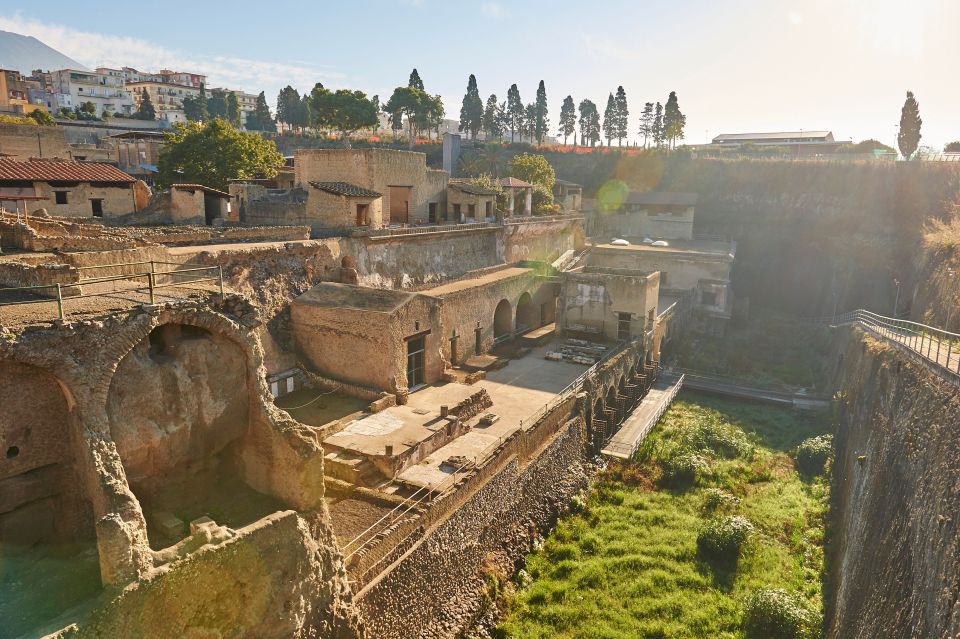
If you’re basing yourself in Sorrento, this is one of the cleaner ways to get to Herculaneum without having to plan transportation or tickets. You spend about four hours total, and the day is built around one core idea: see how Romans lived in a whole town, not just a few famous ruins.
Herculaneum is covered by volcanic mud and ash from Vesuvius’ eruption in 79 A.D. That preservation matters. In many ruins, you see foundations and guess the rest. Here, the town’s remains can feel specific—street sections, building interiors, and objects that stayed put long enough for excavators to recover them.
This tour is also a value play if you want guidance. The package includes bus service, an English-speaking guide, and the entrance fee to the site. That means you’re paying mainly for transport and interpretation, not just “getting dropped off.”
You can also read our reviews of more tours and experiences in Sorrento

Getting there: the Sorrento-to-Herculaneum flow (and why it’s convenient)
Your day starts early from the Achille Lauro parking area, opposite Europa palace hotel, with a meeting time of 08:10. You’ll travel by coach to Castellammare, then join the motorway toward Naples and on to Herculaneum.
One practical perk: headsets are provided on the coach. You’ll likely use them right away, so you’re not stuck staring out the window with no context. It helps you get your bearings fast before you reach the site entrance.
Once you arrive, your guide waits while you handle entrance fees before the guided portion begins. The general admission is €11, and children under 18 and adults over 65 are free. The tour also notes that you can skip the ticket line, which is a real time-saver when the archaeology site is busy.
The guided walk: how the one-hour tour is paced
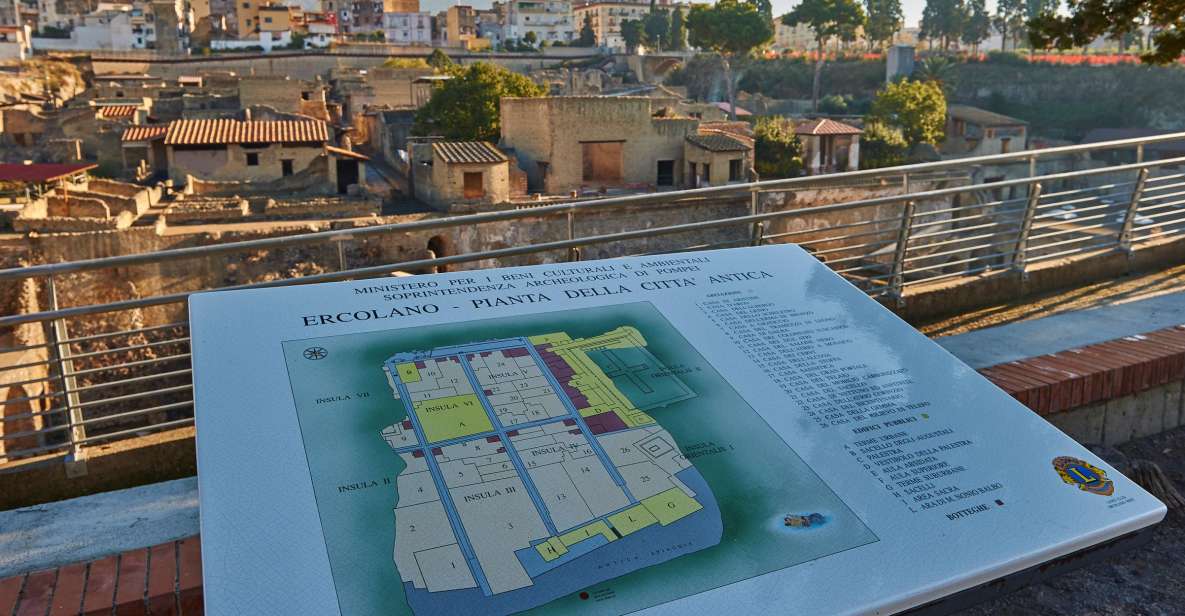
The guided portion once inside is about an hour. That structure is important because Herculaneum is dense with details. A longer tour might be great, but an hour is also a useful limit—it keeps you from feeling exhausted before you’ve seen the core sights.
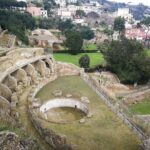
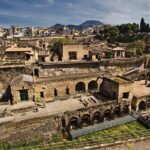
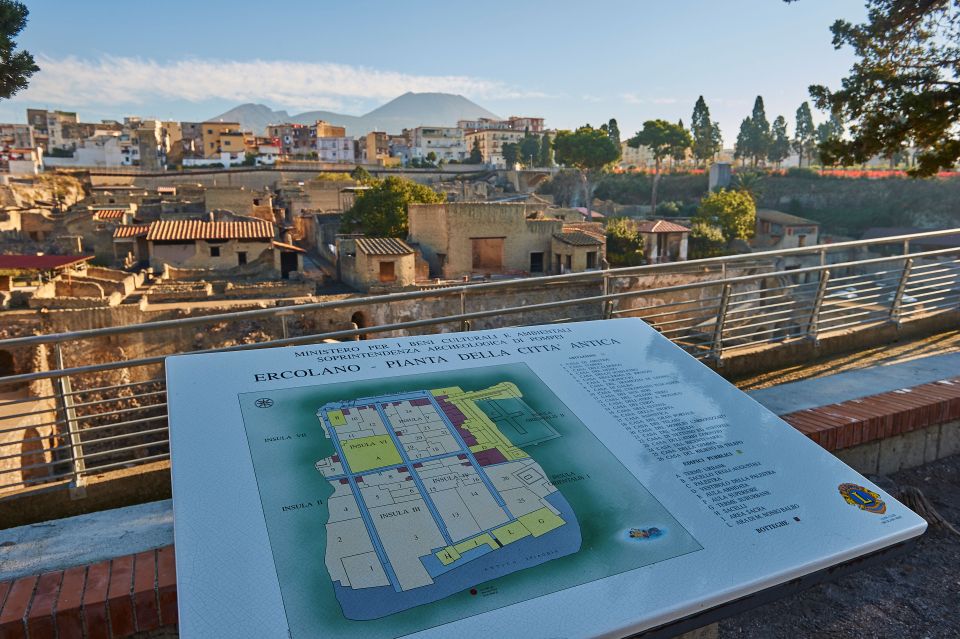
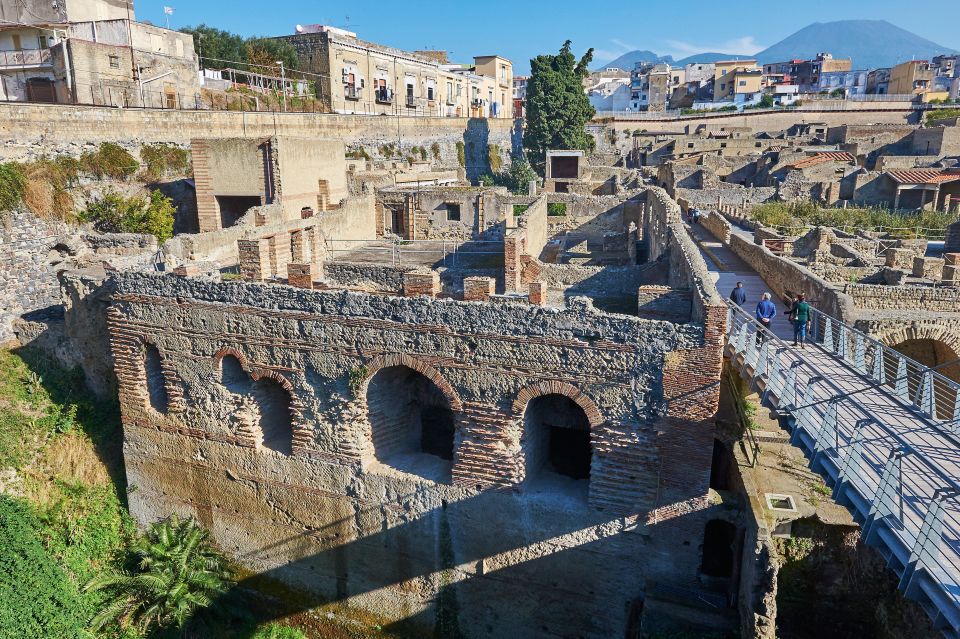
What I like about this approach is that it starts with perspective and then moves into the town itself. You get a chance to view the town from above before heading down to walk through the former streets. Then the guide pulls you through the main features: baths, elite residences, and other buildings connected to everyday life.
This is also where guide quality matters. In feedback, guides named Eugene, Toni, Cynthia, and Dana stand out for being friendly, easy to follow, and focused on day-to-day life—not just dates and names. If you’re the type of visitor who wants “how did they live?” over “what century was this?”, you’ll likely appreciate the pacing and explanations.
One small caution: a few people reported headset connection glitches on-site. It didn’t stop the overall tour, but if you’re sensitive to audio issues, it’s worth planning for the possibility that instructions may be more important than perfect audio at every moment.
Villa of the Papyri: the elite side of town you should not skip
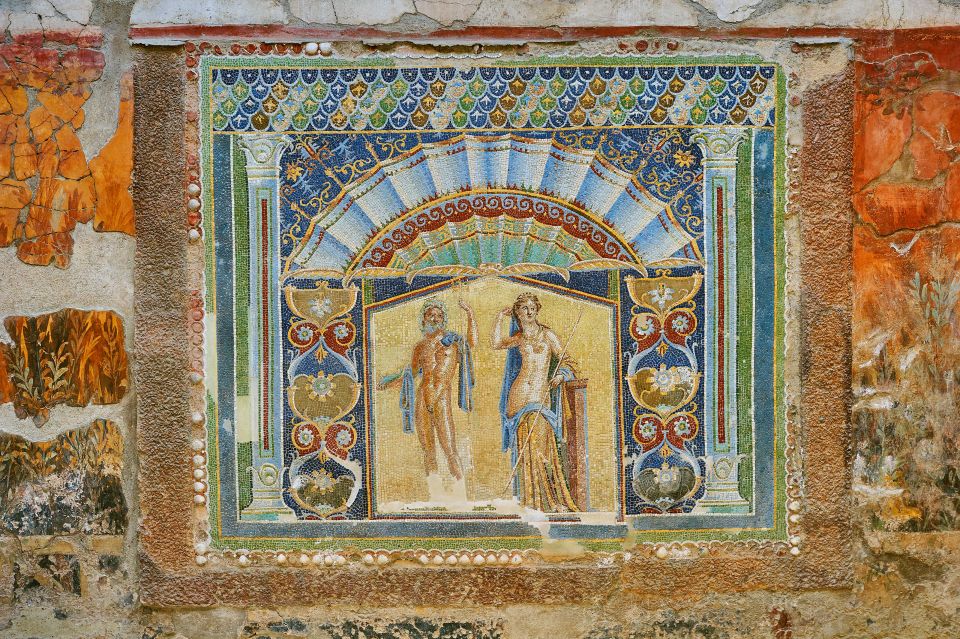
The route includes the Villa of the Papyri, one of the large and luxurious residences in Herculaneum. Even if you’ve never read about the villa, this stop works because it’s a change in scale from the street-level walk. It gives you a sense of status and comfort in a place that wasn’t only for tradespeople.
What makes this stop more than just “another impressive structure” is how the preservation lets you picture daily spaces. The villa connects to broader themes you’ll hear on the tour: Romans organized life with rooms for work, leisure, and social routines, and they decorated serious spaces with art and design.
In practical terms, it’s a highlight that rewards slow attention. If your pace is usually fast, try to slow down for this one stop. Look for how rooms relate to circulation—how people would have moved through the space rather than just staring at a single wall.
Central Thermae: public baths with real art and daily-life clues
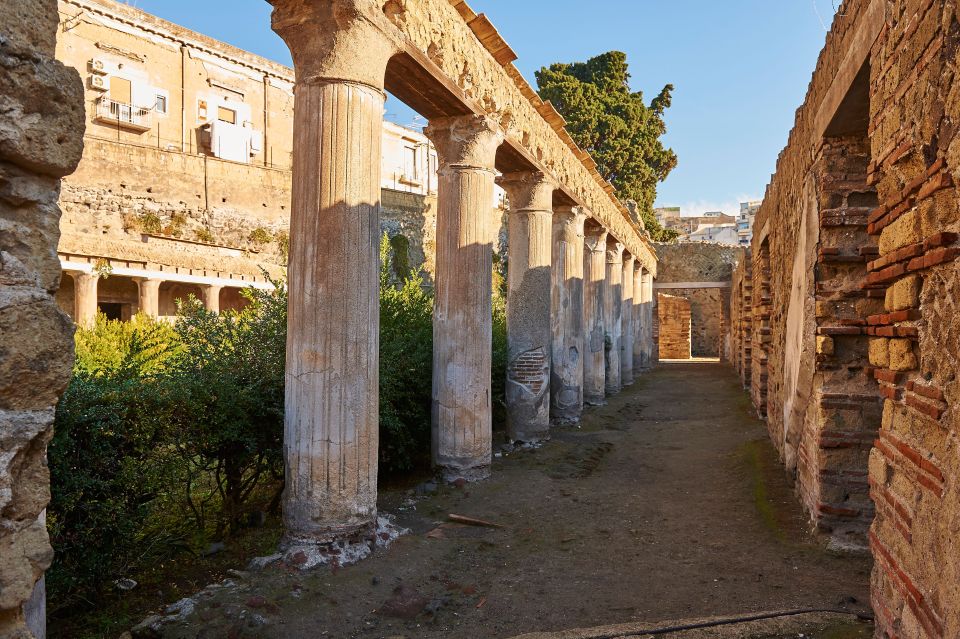
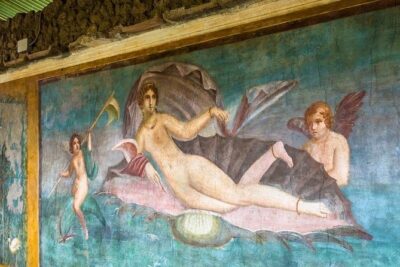
The Central Thermae are the public baths, and this is one of the most satisfying parts of the visit for anyone curious about routines. You’ll see art lining the areas connected to bathing, including frescoes and mosaics.
This is valuable because baths weren’t only about cleanliness. They were social space. People talked, met, and spent time there. When the guide points out how the artwork connects to the setting, the baths stop being abstract “Roman architecture” and start feeling like a place with atmosphere.
Also, the way Herculaneum is preserved makes these details especially legible. You may notice original-looking building elements and materials that help you imagine what it felt like to move through these spaces on a typical day.
- Sorrento Farm and Food Experience including Olive Oil, Limoncello, Wine tasting
★ 5.0 · 2,524 reviews






Walking the preserved streets: why Herculaneum hits differently than Pompeii
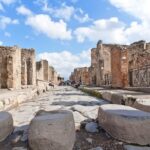
Herculaneum is often mentioned alongside Pompeii, but it’s not the same experience. This tour leans into the “residential town” angle: former streets that you can walk through in a way that reflects how Romans moved through the area.
A key detail: there are still original timbers showing in buildings, along with clay pots stored as they would have been at the time of the eruption. That’s the kind of evidence that makes the site feel grounded. Instead of looking at emptiness alone, you’re seeing traces of objects that belonged to real routines—storage, cooking, household use.
You’ll also hear about skeletons. The tour information points out that, unlike Pompeii, it was believed many inhabitants managed to flee. It’s a sobering segment of the experience, and the value is how it places a human scale on the eruption rather than treating it as a textbook event.
If you’re the type of visitor who needs a mental timeline, listen closely during this portion. The guide’s job is to connect ruins to living habits, and it’s the connecting that makes the walk memorable.
What’s included (and what you’ll have to handle on your own)
Included in the price are:
- Bus service
- English-speaking guide
- Entrance fee to Herculaneum
Lunch is not included. That matters because your half-day visit is early-to-midday, and you’ll probably want a plan for food after the tour.
Also, the duration is listed as four hours. That sounds short, but it’s enough for the highlights if you stay with the group during the guided portion and then use any optional independent time thoughtfully.
Price and value: is €11 worth it, and is the whole package worth $71?
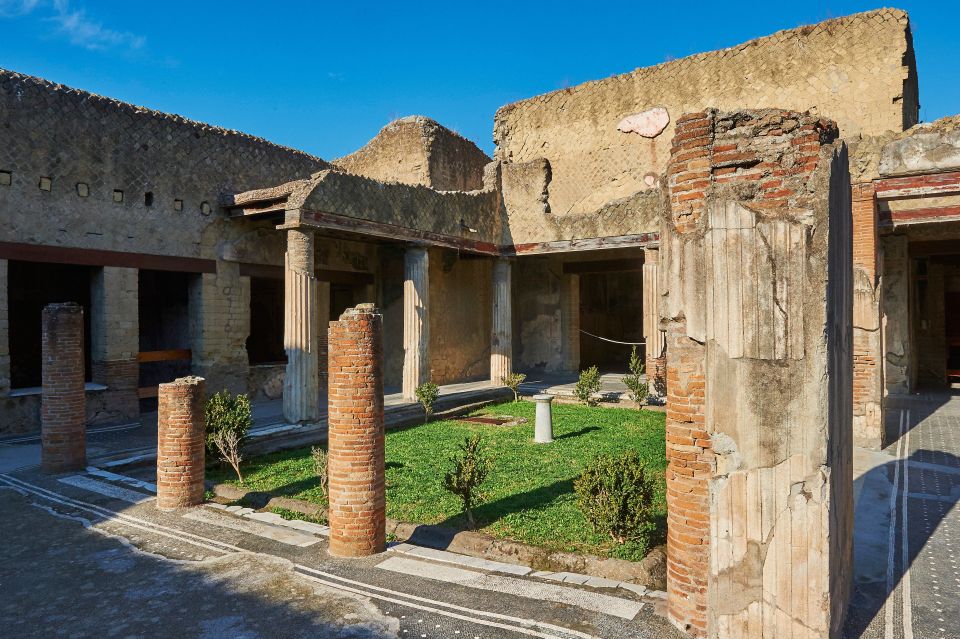
You’re paying $71 per person for a half-day tour from Sorrento. On top of that, the entrance fee to Herculaneum is generally €11 (with free entry for children under 18 and adults over 65).
The value logic here is simple: you’re not just buying access to a site. You’re buying coordinated transport, a guide who explains what you’re seeing in English, and headset support during travel. If you tried to do this on your own, you’d still need reliable transportation and figuring out admission details, plus you’d be doing the interpretation part solo.
Does it feel expensive? It can, until you price out the full day effort you’d otherwise need to manage. For many people, this tour hits a sweet spot: you get the big moments and the context without turning the trip into an all-day headache.
Logistics that actually affect your experience
A few practical considerations can make or break this type of day trip:
Expect early morning. The meeting time is 08:10, and the pace assumes you’ll be ready to leave.
Plan for traffic. Some feedback notes the bus ran late due to busy roads. Even when the guide is excellent, traffic can steal a chunk of your morning, so build in patience.
Wear the right shoes. This is a walking-oriented archaeological site. Even with a guided pace, there are uneven areas and lots of standing.
Bring water and sun protection. One comment specifically called out heat. If you’re visiting during warm months, treat this as a sun-and-walk stop, not a “sit and read” ruin.
Use independent time wisely. There’s typically a guided focus on key sights, but if the independent window feels tight, you’ll want to prioritize your must-sees. If you’re trying to see everything, you’ll likely leave feeling like you rushed; if you pick two or three top priorities, you’ll feel satisfied.
Who this tour is best for (and who might want something else)
This works best if you want:
- A high-impact, limited-time Herculaneum visit
- A guided explanation of daily Roman life
- An efficient day from Sorrento without complicated logistics
It’s also a good pick if you like structure. The tour includes coach headsets, then a clear on-site route that hits the big highlights: Villa of the Papyri, Central Thermae, and the street-level town layout.
You might want to consider a different option if:
- You’re chasing a super long, unhurried archaeological wander
- You prefer total independence over a timed group structure
- You don’t like audio headsets and worry about connection issues
Final verdict: should you book the Half-Day Tour of Herculaneum from Sorrento?
I’d book it if you want a strong introduction to Herculaneum without the stress of planning. The tour’s real strength is the mix of preserved town atmosphere plus targeted stops—the villa, the baths, and the street-level feel—so you leave understanding what you saw, not just what it looked like.
Book it especially if you’re traveling with limited time. Four hours is enough to make the trip worthwhile, and the included entrance fee and guide make the price feel rational.
Skip it or adjust expectations if you’re hoping for a long sit-down exploration or a fully independent visit. This is a guided highlight experience, and the site is best when you move with purpose.
If you go in prepared—good shoes, water, sun protection, and a willingness to learn as you walk—you’ll come away with Herculaneum feeling shockingly human.
FAQ
How long is the Half-Day Tour of Herculaneum?
The tour duration is 4 hours.
What time and where do we meet in Sorrento?
You meet at 08:10 at the Achille Lauro parking area, opposite Europa palace hotel.
Is the entrance fee included?
Yes. Entrance fee to Herculaneum is included.
What is the general admission price at Herculaneum?
General admission is €11. Children under 18 and adults over 65 are free.
Are lunch or meals included?
No, lunch is not included.
Is there an English-speaking guide?
Yes, the tour includes a live English-speaking guide.
Do we get headsets?
Yes, headsets are provided on the coach during the journey.
Is the tour focused on guided time inside the site?
Yes. The guided tour inside Herculaneum lasts about one hour.
Do you skip the ticket line?
Yes, the tour notes that you skip the ticket line.
FAQ
Can I cancel for a full refund?
Yes. You can cancel up to 24 hours in advance for a full refund.
Is there an option to reserve and pay later?
Yes. You can reserve now & pay later, which means you can book your spot and pay nothing today.
You Might Also Enjoy



More Half-Day in Sorrento


More Tours in Sorrento



More Tour Reviews in Sorrento
- Sorrento Farm and Food Experience including Olive Oil, Limoncello, Wine tasting
★ 5.0 · 2,524 reviews