REVIEW · ERCOLANO
Herculaneum: Private Walking Tour with Archeologist Guide
Book on GetYourGuide →Operated by Askos Tours · Bookable on GetYourGuide
Herculaneum hits different when you hear it explained. This private 2-hour walk is led by an archaeologist guide and built around the story of Vesuvius, with highlights you can’t really appreciate from a map—especially the way the town was preserved. Herculaneum feels personal, and the archaeologist guide makes the ruins make sense fast.
I love that you’re not just looking at stones. You get a clear picture of Roman private life—down to the wood, paintings, and mosaics that survived under volcanic ash and mud. One thing to keep in mind: 2 hours is a tight window, so you’ll want comfy shoes and patience for lots of stopping and explaining.
In This Review
- Key things to know before you go
- Why Herculaneum feels different from Pompeii’s ash blanket
- What the private 2-hour archaeologist walk actually gives you
- Starting at the park: where your walk begins and ends
- The big story you hear: Vesuvius, 79 A.D., and why things lasted
- Stop-by-stop: Forum life, homes, food spots, and the places you remember
- Stop at the Forum: where public life happened
- Casa del Salone Nero (House of the Black Saloon)
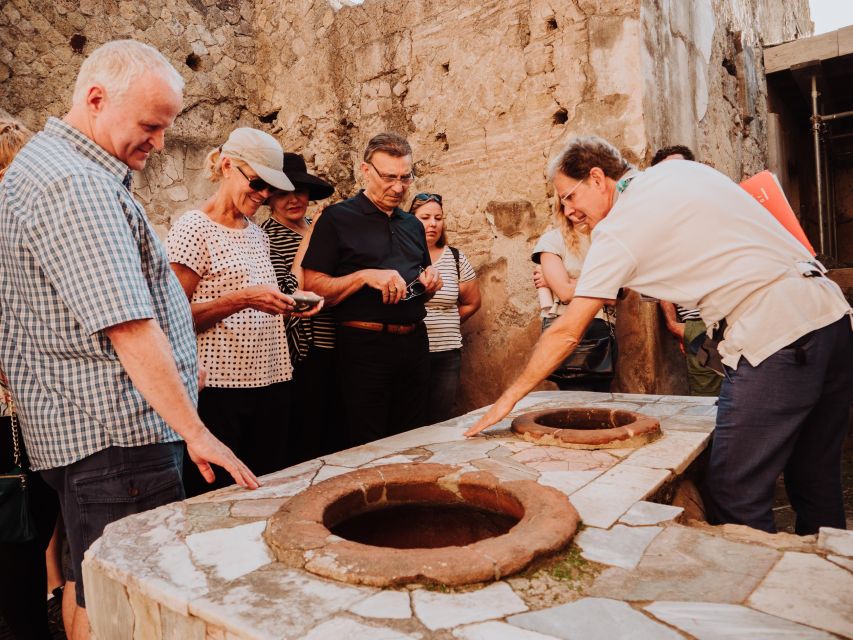
- Herculaneum thermopolium: Roman fast food culture
- Casa dell’Albergo: the house that feels like a hub
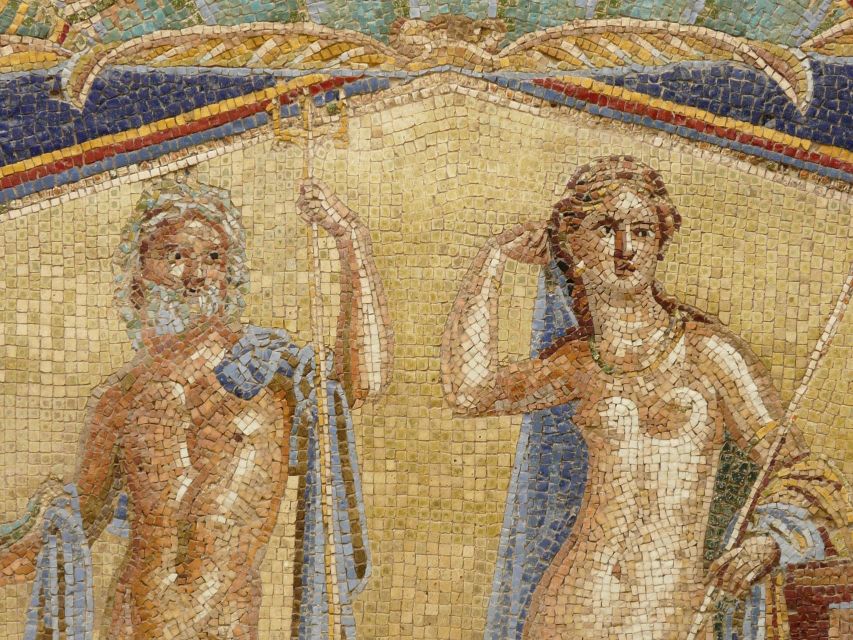
- Casa di Nettuno ed Anfitrite: myth on the walls
- Casa dei Cervi: domestic life through layout and detail
- House of Skeletons: the emotional weight of the eruption
- Sacellum of the Augustales: religion in everyday spaces
- The “why this is worth your time” factor: preservation that changes what you can learn
- Price and value: what you’re paying for in a private archaeologist tour
- Practical tips that make the walk easier (and more comfortable)
- About guide languages and the human touch
- Who should book this Herculaneum tour—and who should think twice
- Should you book this private Herculaneum archaeologist tour?
- FAQ
- FAQ
- How long is the Herculaneum private walking tour with an archaeologist guide?
- Where does the tour start?
- Is admission to Herculaneum included?
- What’s included in the tour price?
- Do I have to buy tickets in advance?
- Are there any rules about what I can bring?
- Is it free on certain dates?
Key things to know before you go
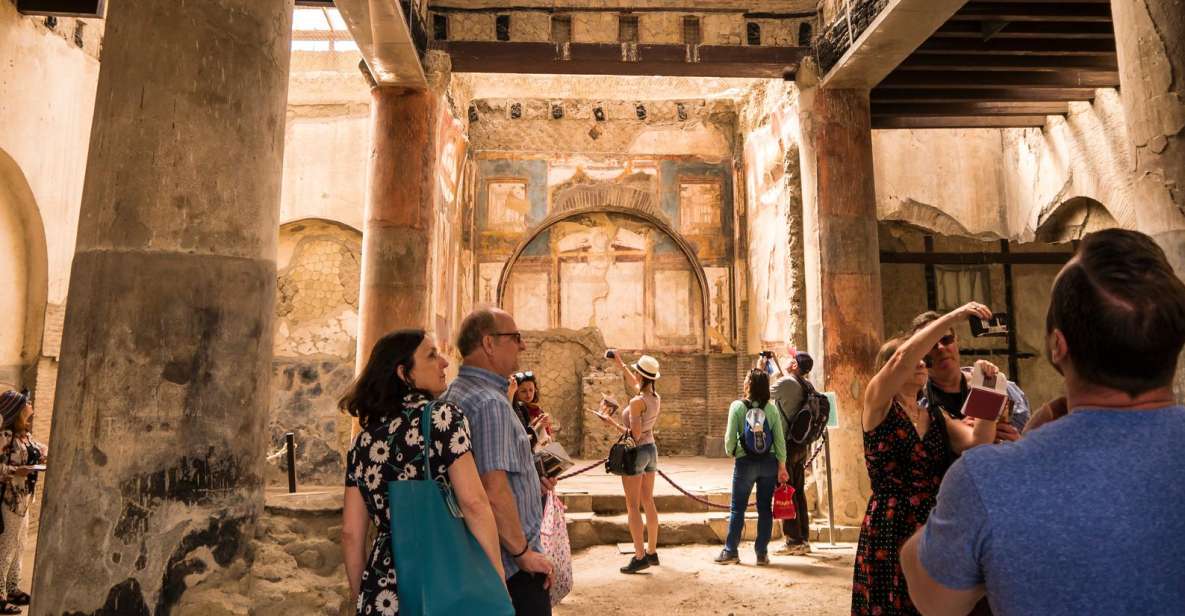
- A licensed archaeologist guide leads the pacing, answers questions, and connects the dots between sites.
- Vesuvius and 79 A.D. are the backbone of the tour, including why this town stayed so well preserved.
- Mud burial beat ash burial here, with about a 20-meter mud avalanche cited as the reason preservation is so strong.
- You’ll hit the big “daily life” stops like the Forum, a thermopolium, and several houses.
- House of Skeletons is part of the route, where you see the human cost of the disaster.
- Skip the ticket line and keep the time you have focused on seeing, not waiting.
Why Herculaneum feels different from Pompeii’s ash blanket
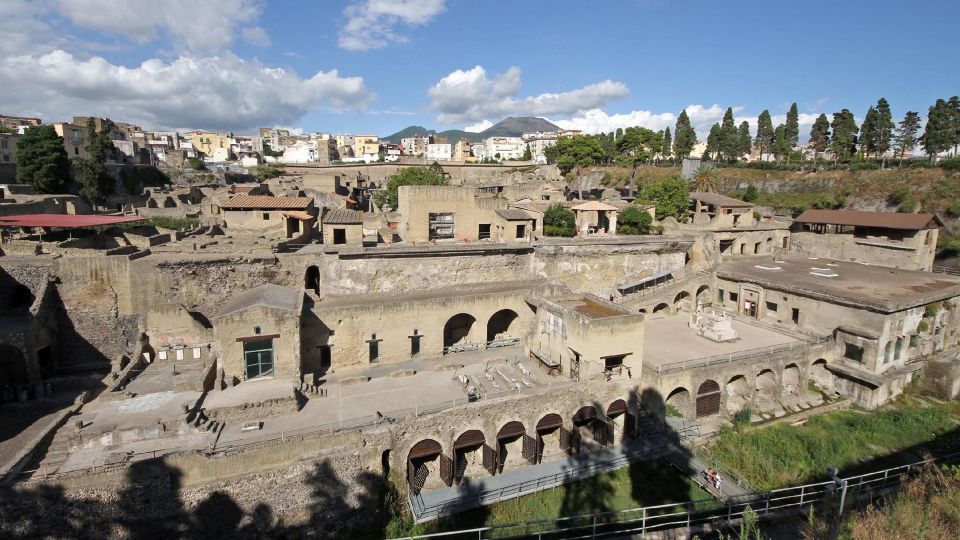
Most people arrive with Pompeii in their head. That’s useful, but it can also skew what you expect. Herculaneum was also buried in 79 A.D., but the mechanics were different, and that shows up in what you can actually see.
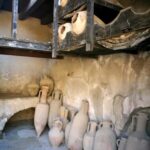
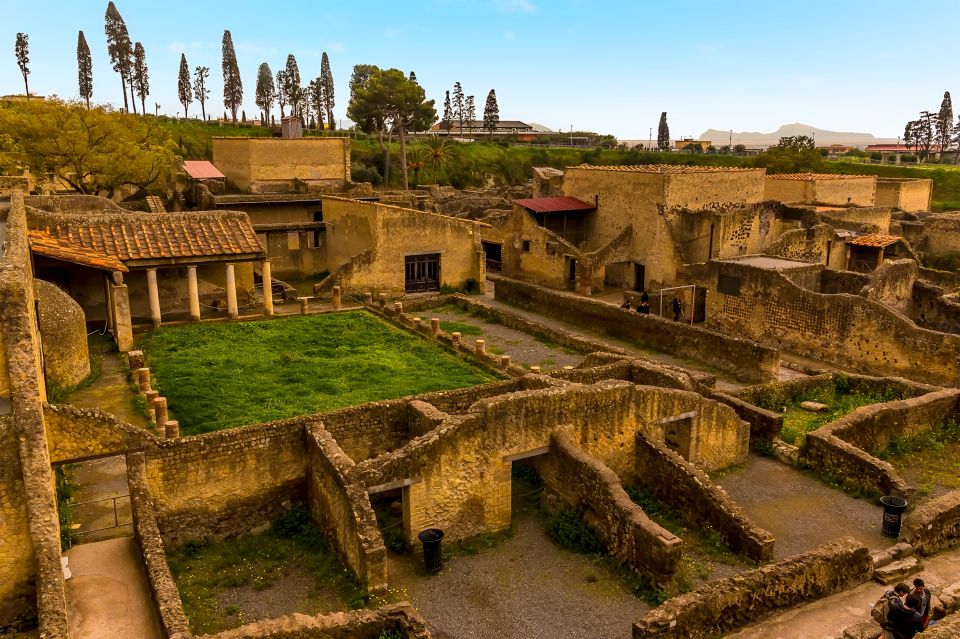
Here’s the key idea you should walk in with: Pompeii was covered by several meters of ash (often described as roughly 4–5 meters). Herculaneum took it a step further with an avalanche of mud—described as around 20 meters deep—that smothered the town. That mud does two things for you as a visitor. First, it physically buried structures and objects in a way that protected them. Second, it helped create the kind of conditions where organic materials (like wood) could survive when you’d normally expect them to rot away. You see the evidence in the types of finds you’re guided toward: preserved wooden objects, paintings, and mosaics.
That’s why this tour feels more intimate than a generic ruins stroll. You’re not only learning what happened. You’re learning why you can still recognize daily life at a human scale.
You can also read our reviews of more walking tours in Ercolano
What the private 2-hour archaeologist walk actually gives you
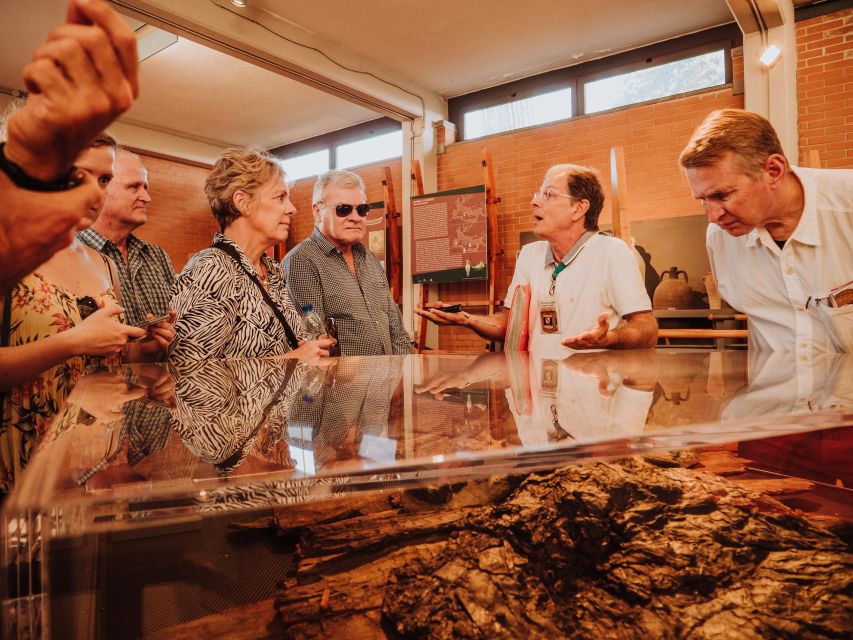
This is a private group tour, built around a 2-hour guided circuit through the archaeological area. The guide is a licensed archaeologist, and that matters more than you’d think. A good ruins guide does two jobs: it explains what you’re looking at, and it tells you why it mattered to the people who lived there.
In this format, you’ll get both. You hear what happened during the eruption, then you’re walked through recognizable spaces—public areas, shops/food culture, and private homes—so the town reads like a place, not a timeline.
You’ll also have control over the pace in a way you don’t get on a big group bus-style tour. If you want extra time at a key stop, a private guide can slow down. If you want to move briskly, they can do that too. For many people, the real value is how quickly you start understanding the layout and purpose of each area.
Starting at the park: where your walk begins and ends
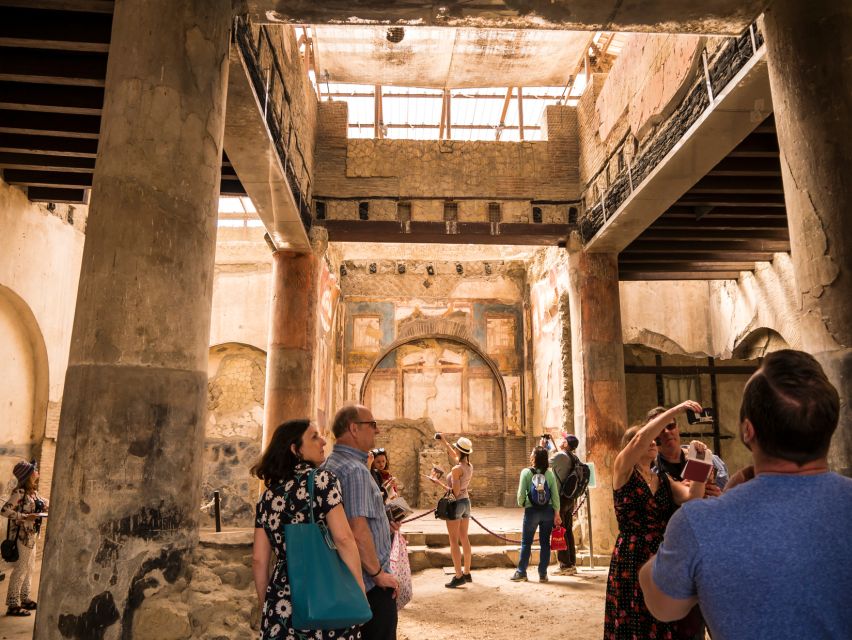
The tour has two start options, both tied to the Herculaneum archaeological park area. Depending on what you book, you’ll begin at Parco Archeologico di Ercolano on Via dei Papiri Ercolanesi 21. The tour ends back at the meeting point, with drop-off listed at Via dei Papiri Ercolanesi 21 as well.
A small practical note: since transportation isn’t included, plan to arrive on your own (train/bus/car/taxi as you see fit). If you’re staying in Naples, you’ll want buffer time for the ride plus time to find your exact start.
Also, the experience includes skip-the-ticket-line, which is the difference between using your precious 2 hours for learning versus spending it in a queue.
The big story you hear: Vesuvius, 79 A.D., and why things lasted
The heart of the tour is the eruption narrative: Vesuvius erupts in 79 A.D., and the town is buried. Your guide ties the science and the human experience together so the sites stop feeling random.
What I find most useful is that the guide doesn’t treat preservation like a magic trick. Instead, you get the logic: why Herculaneum survived so well compared to Pompeii, and why that leads to the “wow” moments visitors talk about—like unusually preserved wooden pieces and wall art.
You’ll also get context for the scale of the disaster. Herculaneum isn’t just an archaeological puzzle. It’s a place where people lived their last normal days—then the landscape changed quickly and brutally. That’s why the tour includes a stop associated with victims: it gives the story consequences, not just dates.
Stop-by-stop: Forum life, homes, food spots, and the places you remember
Your walk is paced through key zones and landmark structures. Here’s how to think about each stop and what makes it worth your time.
You can also read our reviews of more guided tours in Ercolano

Stop at the Forum: where public life happened
The tour includes the Forum, which is your “social center” in Roman terms—where civic life, public activity, and community identity showed up. When a guide explains it well, the Forum becomes less about columns and more about behavior: who would be there, what the space was used for, and how it relates to everyday rhythms.
If you only look at the stones, you miss the point. On this tour, you’re guided toward the meaning of space: public and private weren’t mixed, and the layout tells you what mattered.
Casa del Salone Nero (House of the Black Saloon)
Next up is Casa del Salone Nero (often called the House of the Black Saloon). Houses like this are where the idea of Roman domestic culture becomes real. You’re not just seeing rooms—you’re seeing style, status signals, and how people used their interiors.
The name itself hints at an aesthetic focus. With an archaeologist guide, you’re more likely to understand what you’re seeing and why those design choices mattered to the household.
Herculaneum thermopolium: Roman fast food culture
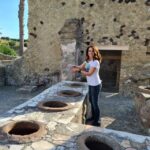
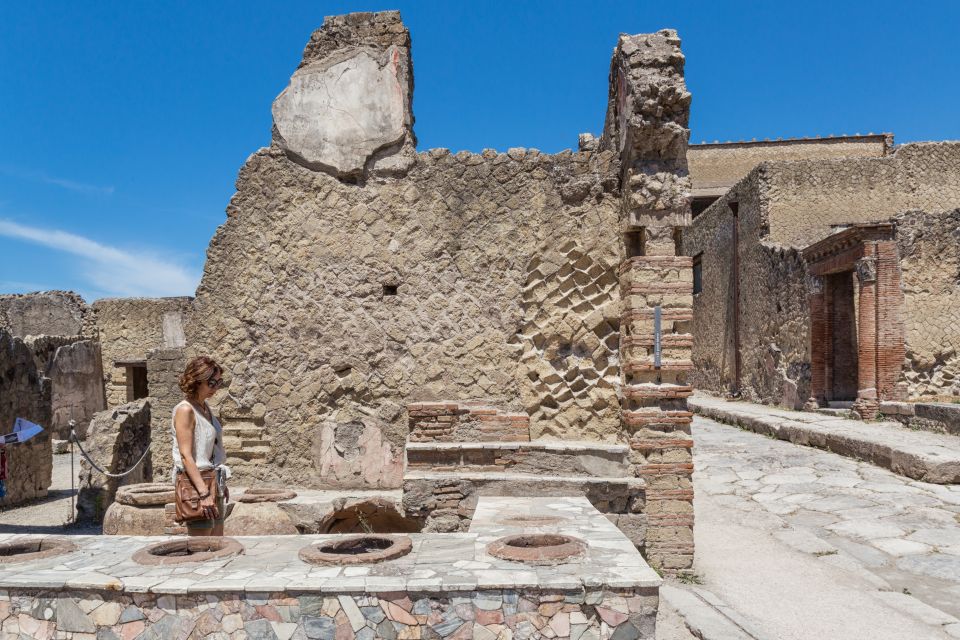
You’ll visit Herculaneum Thermopolium, a type of place that worked like a snack-and-drink stop. In modern terms, think quick meals and local energy during the day.
This is one of my favorite “bridge” stops because it connects archaeology to habits we recognize. It’s easier to picture life when you’re shown the spaces linked to eating and informal trade.
Casa dell’Albergo: the house that feels like a hub
The route includes Casa dell’Albergo. Even without turning every household detail into a lecture, homes like this help you understand how boundaries worked in daily life—where work, hosting, and personal space overlapped.
This is where a private guide really helps. You can ask questions as you go and get immediate answers, instead of waiting until the end.
Casa di Nettuno ed Anfitrite: myth on the walls
Another house stop is Casa di Nettuno ed Anfitrite, tied to a recognizable mythological theme. That matters because Roman homes weren’t neutral. Wall art and decoration were often part of identity—what a family valued, what they wanted visitors to notice, and what stories they displayed.
If you like art history even a little, this stop tends to land well. The tour’s emphasis on preserved paintings and visual decoration makes these moments easier to “read.”
Casa dei Cervi: domestic life through layout and detail
The route also includes Casa dei Cervi. Houses like this are important for understanding daily routine and how a family moved through space. You’re likely to see how rooms were arranged and how different areas served different purposes.
A good guide keeps you from treating it as a checklist. You start seeing how the layout supports how people lived.
House of Skeletons: the emotional weight of the eruption
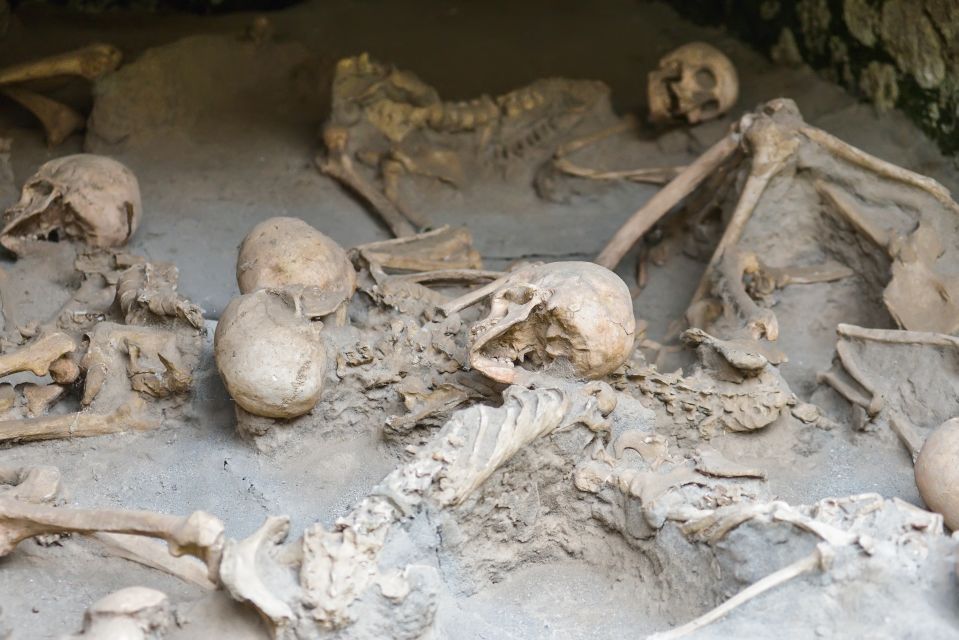
Then you reach House of Skeletons, a stop associated with the victims discovered there. You also get reference to a beach area where hundreds of skeletons of victims were found.
This is the part of the tour that slows people down. It’s not just a dramatic story—it’s where the eruption becomes undeniably human. The way your guide handles it can make all the difference. Aim to listen fully here, because it’s the most direct connection between the historical event and the reality of what people faced.
Sacellum of the Augustales: religion in everyday spaces
Finally, you’ll visit the Sacellum of The Augustales. Sacella and related spaces reflect the Roman blend of public identity and religious practice. In plain terms: faith wasn’t only in temples miles away. It showed up inside the rhythms of community life.
This stop is useful if you want the tour to feel complete. It rounds out the story beyond homes and disaster, and it explains how people organized meaning in their world.
The “why this is worth your time” factor: preservation that changes what you can learn
A lot of archaeological sites make you feel like you’re looking at ruins of ruins. Herculaneum can feel different because the preservation helps you learn more. When you can see wooden objects and wall decoration rather than only stone footprints, your brain builds a fuller mental picture.
That’s the core reason the tour’s format works. A guided walk with context can turn preservation into understanding. You don’t just say, Wow, it’s old. You understand what that old object tells you about life—how rooms were used, how people decorated, and what “normal” looked like before Vesuvius rewrote everything.
And because the tour ties preservation back to the mud-and-ash burial story, you don’t need extra imagination. The guide supplies the missing link: the geology explains the archaeology.
Price and value: what you’re paying for in a private archaeologist tour
The listed price is $317.76 per group (up to 1) for a 2-hour private tour. That’s not cheap in absolute terms, but the value depends on what you compare it to.
Here’s what’s included that reduces your overhead:
- A licensed archaeologist guide
- Admission fees to Herculaneum (listed as €16.00 each)
Also, you get skip-the-ticket-line, which protects your time. Instead of spending the first chunk of your visit waiting, you’re guided straight into the sites.
If you’re traveling as a couple or solo traveler who wants a guide-led experience (not just a self-walk), this kind of private structure can be cost-effective. You pay for expertise and time, not just access. The big question for me is whether 2 hours is enough for you. If you want to linger and read every inscription, you might wish the tour were longer. But for most people, the speed is also a plus: you finish with momentum and a clear story.
Practical tips that make the walk easier (and more comfortable)
This is a walking tour, and the ruins setting means your comfort matters.
Bring comfortable shoes. The route involves visiting multiple sites, and you’ll spend time stopping and looking while the guide explains context. Wear something you can stand and walk in for the full 2 hours.
Oversize luggage isn’t allowed, so travel light. If you have bags, keep them reasonable so you’re not dealing with awkward storage issues while you’re trying to focus.
Shade can be an issue in open archaeological spaces. One guide (Paola) is noted for trying to keep the group in the shade as much as possible, which is a good reminder: plan around sun and heat. If you can, go earlier in the day.
About guide languages and the human touch
The tour is offered with live guides speaking Italian, Spanish, English, Japanese, Russian, French, Portuguese, Chinese, German. That’s a big deal if you want the story delivered clearly rather than watered down.
In the feedback, guides like Antonio and Luciano are described as engaging and fun, with Luciano specifically noted for being relatable even for teenage kids. That suggests this tour can work for families, as long as your group is open to walking and learning.
Who should book this Herculaneum tour—and who should think twice
This private tour is a good fit if:
- You want a focused 2-hour overview with explanation, not just sightseeing
- You care about Roman daily life—food stops, houses, decoration, and public spaces
- You like learning through a narrative (Vesuvius → burial → preservation → what you can see today)
- You’re traveling with teens or adults who will appreciate context as much as visuals
Think twice if:
- You want a long, slow “wander and photograph” visit. Two hours is structured.
- You need specific mobility accommodations. The information you have shows wheelchair accessible, but also says not suitable for wheelchair users. That contradiction is important. If mobility is a concern for you, contact the operator before booking so you get a clear yes or no.
Should you book this private Herculaneum archaeologist tour?
I think it’s a smart booking when your goal is understanding, not just photos. With an archaeologist guide, skip-the-line entry, and a story-driven route through the Forum, major houses, a thermopolium, the House of Skeletons area, and the Sacellum, you leave with the town’s logic in your head.
If you have limited time in the Campania region and want your stop at Herculaneum to feel complete, this private format makes that happen. If you’re the type who can spend hours reading and re-reading details on your own, you may want to pair this with extra time later.
FAQ
FAQ
How long is the Herculaneum private walking tour with an archaeologist guide?
It’s listed as 2 hours.
Where does the tour start?
Your start location can vary depending on the option booked, with an option listed at Parco Archeologico di Ercolano, Via dei Papiri Ercolanesi, 21.
Is admission to Herculaneum included?
Yes. Admission fees are included (listed as €16.00 each).
What’s included in the tour price?
The price includes a licensed archaeologist guide and admission fees. Transportation is not included.
Do I have to buy tickets in advance?
The tour includes skip the ticket line, which helps with on-site timing.
Are there any rules about what I can bring?
Oversize luggage is not allowed. You should bring comfortable shoes.
Is it free on certain dates?
Yes. On the first Sunday of each month, entrance is free of charge, but tickets can’t be reserved ahead of time, so entry is not guaranteed.