REVIEW · SORRENTO
Sorrento: Lemon, Olive Oil and Wine Tasting Tour with Lunch
Book on GetYourGuide →Operated by La Masseria Farm · Bookable on GetYourGuide
Lemons, olives, and a family dinner in one stop. On the Sorrento Peninsula, La Masseria Farm turns olive oil production and citrus growing into a hands-on, walk-through story, then finishes with homemade lunch and plenty of tastings. I love how much pride the family puts into showing how they work, not just what they sell. One thing to plan for: there are some steep, uneven paths during the walk.
If you want an Amalfi-adjacent day that feels genuinely local, this is it. You’ll ride from Sorrento to a working farm, wander olive and lemon groves, meet the farm animals tied to sustainable farming, and tour an ancient wine cellar and oil mill before sitting down to a meal built from the farm’s own products.
In This Review
- Key highlights at a glance
- La Masseria Farm on the Sorrento Peninsula: What This 4-Hour Visit Really Delivers
- Getting to the farm from Sorrento: Shuttle, shoes, and the hill factor
- Olive grove walk and oil mill visit: Learning extra-virgin the old way
- Lemon grove and pergolas: How 800 trees shape Sorrento’s flavor
- Bees, honey, and sustainable farming: Sweet farming lessons without the drama
- Wine cellar, old press, and cured meats: Where time shows up in the details
- Tasting room highlights: Lemonade, olive oils, honey, wine, and limoncello
- Homemade lunch on the farm: A real meal, not snack math
- Price and value: Why this costs about $115.71 and why it might be worth it
- Who this tour suits best (and who should pick something else)
- Should you book La Masseria Farm’s lemon, olive oil and wine tasting with lunch?
- FAQ
- How long is the Sorrento lemon, olive oil and wine tasting tour with lunch?
- Where is the meeting point in Sorrento?
- What’s included in the ticket price?
- Is luggage storage available at the farm?
- What should I bring?
- Is the tour wheelchair accessible?
Key highlights at a glance
- Family-run farm storytelling that goes from grove work to cellar work to the table
- Olive grove walk with extra-virgin olive oil production details and traditional techniques
- Lemon grove route across around 800 lemon trees, plus an explanation of pergolas and how they’re used
- Honey and beehives as part of organic, low-waste farming (and no stings)
- Wine, olive oil tastings, and limoncello paired with homemade bread and citrus treats
- Lunch that feels like you’re eating at the family table, made with seasonal farm products
La Masseria Farm on the Sorrento Peninsula: What This 4-Hour Visit Really Delivers
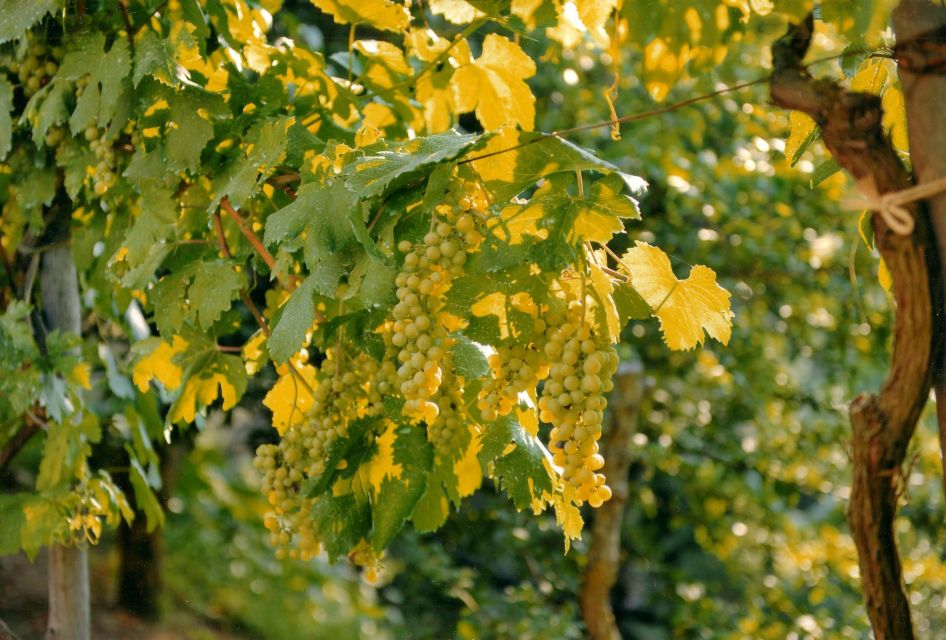
This tour is built around a simple idea: farm-to-table should be more than a slogan. You start with the land itself—olive groves, lemon trees, beehives, and animals—and you end by eating the results in a proper sit-down meal. The best part is that the family doesn’t just point at plants and bottles; they explain what they do and why.
I also like that the whole experience is compact. In about four hours, you get the walk, the cellar and mill visit, the tastings, and lunch. It’s a good use of time if you’re bouncing around the Sorrento area and don’t want to devote a full day to “a tour.”
There’s also a playful, welcoming tone. Guides like Raffaele or Eugenio are mentioned for friendly English, humor, and helping people move through the hills and cobblestones when the weather turns damp.
You can also read our reviews of more food & drink experiences in Sorrento
- Sorrento Farm and Food Experience including Olive Oil, Limoncello, Wine tasting
★ 5.0 · 2,524 reviews

Getting to the farm from Sorrento: Shuttle, shoes, and the hill factor
Your day starts with a shuttle pickup in Sorrento at Bus Parking, across from the Grand Hotel Europa Palace. The ride takes you off the main tourist core and into a working farm area on the peninsula.
Here’s the practical reality: this is a hillside farm. Even if you’re not hiking hard, plan on walking some steep sections and dealing with uneven ground. Comfortable shoes matter more than you’d think—one guest even noted help navigating hills and cobblestones in the rain.
What I suggest:
- Wear grippy, closed-toe shoes with decent tread.
- If you have mobility issues, go in with a realistic plan and ask about pacing when you book.
- Bring a light layer; you’ll be outdoors in the groves and can cool down near shaded cellar spaces.
The tour is listed as wheelchair accessible, but the route includes walking segments on a farm hill. So think “accessible with support,” not “level sidewalk stroll.”
Olive grove walk and oil mill visit: Learning extra-virgin the old way
The olive part of the day is a true “see how it works” moment. You’ll walk among olive trees—described as a century-year-old olive grove—and learn what goes into making extra-virgin olive oil.
What makes this section more than a quick photo stop is the focus on traditional picking and the care behind the oil. You’ll hear how they handle the fruit trees and how seasonal farming ties into the broader Mediterranean food system. The family’s pride comes through here: you’re not being rushed, and the explanations are layered enough that even if you’re not an olive oil nerd, you’ll pick up real context.
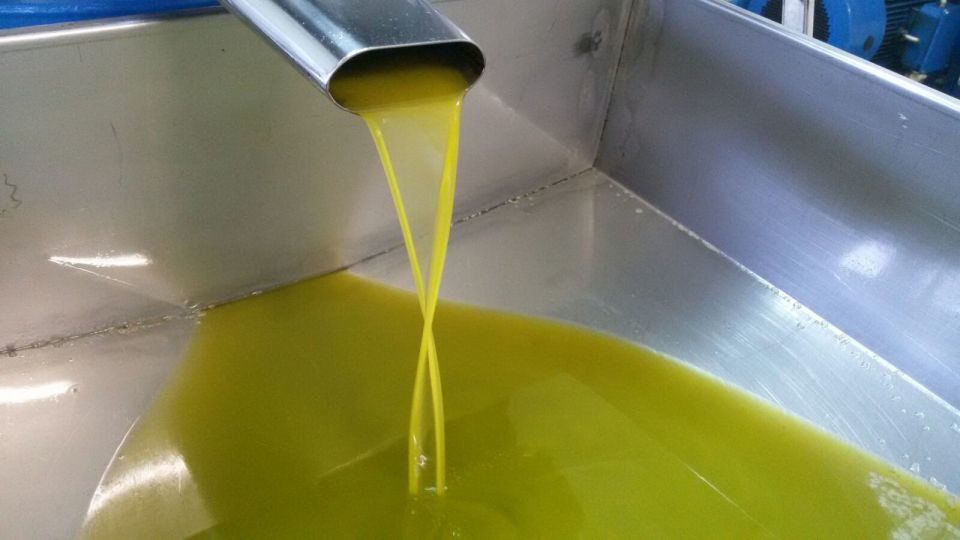
You’ll also visit the farm’s oil mill. That matters because it turns the tasting into something you understand. When you later taste different olive oil specialties on homemade bread, it feels earned, not random.
If you’re the kind of person who buys olive oil just because it sounds nice, you’ll probably leave more confident. You’ll know what to look for and why small differences matter.
Lemon grove and pergolas: How 800 trees shape Sorrento’s flavor
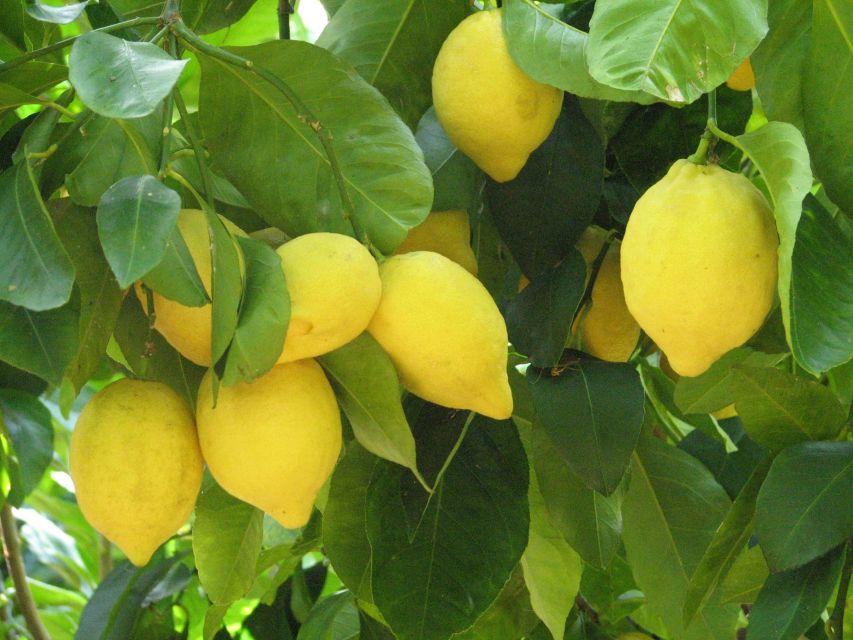
Then comes the lemon grove—lots of it. The tour walks through about 800 lemon trees, and the guide explains how lemons are picked and how the famous pergolas are built and used.
Pergolas aren’t just “farm decor.” In this setting, they’re part of how the farm manages light, structure, and the growing setup for citrus. That gives you a better mental picture of why Sorrento lemons taste the way they do: it’s not only sunshine; it’s also how the orchard is designed to support the fruit.
You’ll also get a sense of the bigger seasonal rhythm of the peninsula. The route includes views of wild chestnut forest, and the overall walk helps you understand this landscape as a working system rather than a scenic backdrop.
One subtle win: the tour doesn’t rush from olive to lemon like they’re separate attractions. It connects the logic—plants, work, timing, and food—so you feel like you’re moving through a single story.
Bees, honey, and sustainable farming: Sweet farming lessons without the drama
Organic farming shows up in small, practical ways on this tour. You’ll visit the farm beehives, and you’ll learn why bees matter in the ecosystem and crop cycle.
The good news is that they’re very clear about safety: don’t worry, you won’t get stung. That’s a big relief if you’re the type who worries about insects or you’re traveling with kids or anyone who doesn’t like surprises.
This bee stop also adds a layer that many “food tours” skip. It’s easy to treat ingredients as if they pop out of nowhere. Here, you see the supporting cast of farming—pollinators, animals, seasonal vegetables—and that makes the lunch feel more meaningful when it arrives.
You can also read our reviews of more wine tours in Sorrento


Wine cellar, old press, and cured meats: Where time shows up in the details
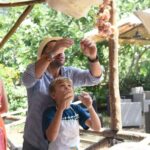
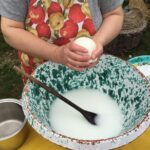
After the walk, you head into the farm’s ancient family wine cellar. This is one of those stops that you feel in the atmosphere. You learn how red wine is still made using an old wine press—the kind of equipment and method that you can’t fully appreciate from a label.
You’ll also hear how meats are cured. That link is smart: it shows that the farm’s craft isn’t limited to what ends up in your glass. The cellar work represents long-term food storage and tradition—techniques built for the realities of rural life.
Then it’s on to tastings, where the cellar visit has a payoff. You’re no longer tasting casually. You’re tasting with context.
Tasting room highlights: Lemonade, olive oils, honey, wine, and limoncello
The tasting part of the day is generous and varied. You’ll sample things made on-site like:
- Homemade lemonade
- Honey
- Cheeses
- Olive oils in different specialties, served on homemade bread
- Citrus marmalades
- Wine
- And, later, limoncello
This section is where you can “collect flavors” as you walk. If you’ve ever tasted olive oil and thought, I can’t tell the difference, this is a good format because you can compare in a calm setting right after seeing the grove and oil process.
I also like that the tour includes both sweet and savory tastes—lemon-forward items paired with olive oil and cheese so you don’t feel like you’re only riding the citrus wave.
There’s a farm shop at the end too, where you can pick up bottles and citrus products. Some guests noted the pricing felt fair, especially considering you’re supporting the farm directly.
Homemade lunch on the farm: A real meal, not snack math
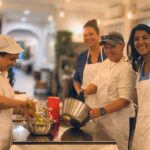
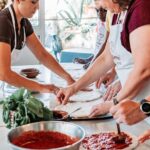
This is where the tour earns its value. Your lunch is prepared using the farm’s products, with seasonal ingredients driving the menu. The first traditional course comes out during the meal, and you’ll also get a lemon dessert finished with a frosty glass of limoncello.
One review detail worth taking seriously: people describe the lunch as filling, with a multi-course structure. That matches what you’d hope for at a farm-to-table experience that also includes tastings. You’re not left hungry after all that walking.
Dietary flexibility also comes up in real-world ways. One gluten-free guest reported receiving a gluten-free version, and vegetarian guests and people with other allergies were accommodated as well. So if you have dietary needs, plan to mention them when you book.
My practical advice: pace yourself during the tastings. Olive oil and cheese can add up fast, and you’ll want room for the courses and the lemon dessert.
Price and value: Why this costs about $115.71 and why it might be worth it
At $115.71 per person for a roughly four-hour experience, the obvious question is: what are you really paying for?
You’re not just paying for a walk-through. Your ticket covers:
- Shuttle from Sorrento (and back)
- The guided farm experience (orchards, beehives, cellar and mill)
- A structured tastings program (lemonade, oils, honey, wine, and limoncello)
- A homemade lunch using farm products
When you add all that up, it starts looking less like a “tour price” and more like a bundled day-out. The biggest value play for me is the lunch and the cellar/oil mill access. Many food tours give you a tasting at the end; fewer actually build the day around how the food is made, then feed you from that same system.
It’s also a good use of time compared with chasing this stuff on your own, because the farm experience is organized and guided for you. You’re paying for translation, pacing, and context.
Who this tour suits best (and who should pick something else)
This works especially well if you:
- Want a real farm-to-table day, not just a meal stop
- Like food + process (olive oil, lemons, wine-making) more than only scenic views
- Enjoy family-run experiences where you can ask questions and learn in plain language
- Prefer a shorter trip that still feels complete
It may not be your best match if you:
- Hate uneven ground and steep farm walks
- Want a totally passive experience with minimal walking
- Are looking for big-city style attractions instead of a working countryside rhythm
Should you book La Masseria Farm’s lemon, olive oil and wine tasting with lunch?
I’d book it if your goal is to leave Sorrento with a deeper sense of Campania flavor and the work behind it. The olive grove walk, lemon orchard route with pergola explanations, and the visit to the oil mill and ancient wine cellar turn the tastings into something you understand.
Also, the lunch is described as genuinely outstanding and filling, which is a big deal on tours where “included lunch” sometimes means a plate of something small. Add the lemon dessert and limoncello finish, and you end up with a day that feels like you were fed and taught, not just processed.
Just be honest about the walking. Wear good shoes and plan for a few steep sections. If you do that, this tour is one of the most worthwhile ways to spend a half day on the peninsula.
FAQ
How long is the Sorrento lemon, olive oil and wine tasting tour with lunch?
The tour runs for about 4 hours.
Where is the meeting point in Sorrento?
You meet at Bus Parking, opposite the Grand Hotel Europa Palace. The tour returns you to the same meeting point.
What’s included in the ticket price?
The tour includes a shuttle service between Sorrento and the farm, tastings, and a homemade lunch prepared with farm products.
Is luggage storage available at the farm?
Storage luggage is not included.
What should I bring?
Wear comfortable shoes. The farm walk includes uneven paths and some steep sections.
Is the tour wheelchair accessible?
The tour is listed as wheelchair accessible, but the experience includes walking on a working farm with hills. If you use a wheelchair, consider discussing your needs when you book.
You Might Also Enjoy



More Food & Drink Experiences in Sorrento
- Sorrento Farm and Food Experience including Olive Oil, Limoncello, Wine tasting
★ 5.0 · 2,524 reviews
More Tours in Sorrento





More Tour Reviews in Sorrento
- Sorrento Farm and Food Experience including Olive Oil, Limoncello, Wine tasting
★ 5.0 · 2,524 reviews