REVIEW · POSITANO
Cesarine: Home Cooking Class & Meal with a Local in Positano
Book on Viator →Bookable on Viator
Positano cooking in a real home is the kind of experience you remember when you’ve already seen the views. This private class pairs you with a local host to make a seasonal starter, fresh pasta from scratch, and a classic southern Italian dessert, then you sit down family-style to eat what you made with wine and coffee.
I especially like the focused menu: you’re not doing a long list of tasks, you’re building three dishes that reflect what’s actually eaten in the area. The second win is the family-style tasting, because it turns a lesson into a proper meal. One possible consideration: not every home setup is climate-friendly, and at least one previous group noted it was extremely hot, so if you’re heat-sensitive, plan accordingly.
In This Review
- What You’ll Like Most
- Positano, in Your Kitchen: What This Class Really Is
- Meeting Up in Positano: Timing, Group Size, and How to Plan
- The Local Host Factor: Why This Feels Different Than a Studio Class
- Starter Course: Seasonal Food and the First Skill You Learn
- Fresh Pasta From Scratch: The Technique That Sticks
- Dessert Time in Southern Italian Style
- The Family-Style Tasting: Wine, Coffee, and What to Notice
- Price and Value: Is $207 Per Person Reasonable?
- The Realistic Upside and One Possible Hiccup
- Who Should Book This Class (and Who Should Skip)
- Should You Book Cesarine in Positano?
- FAQ
- How long is the Cesarine home cooking class in Positano?
- How many people are in the class?
- What dishes will I learn to make?
- Will there be food and drinks after cooking?
- Where does the experience start and end?
- Is there free cancellation?
What You’ll Like Most
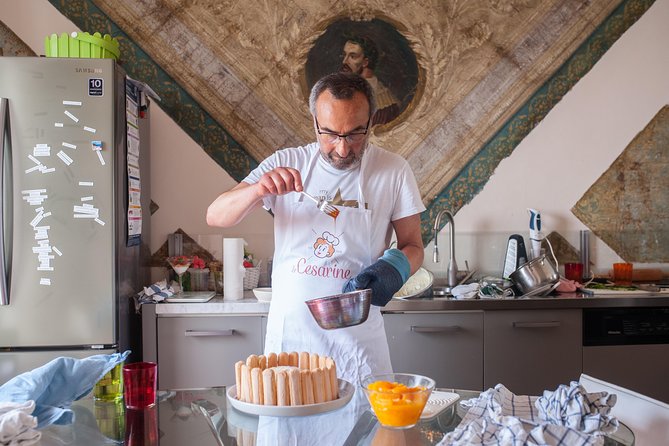
- Private, small group vibe (max 10) so you can actually ask questions while you cook
- Pasta from scratch plus practical guidance on how to get it right
- Seasonal starters and a southern Italian dessert, not random tourist food
- Family-style tasting with local wine and coffee at the end
- Hosts like Rocco and Carla bring warmth and real local life into the room
Positano, in Your Kitchen: What This Class Really Is
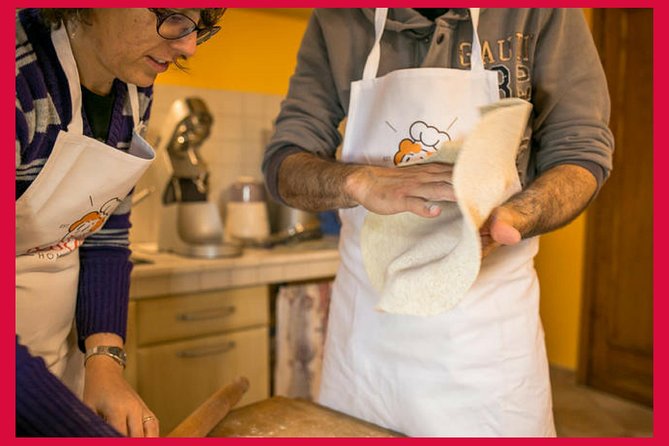
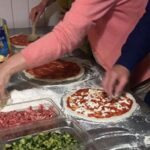
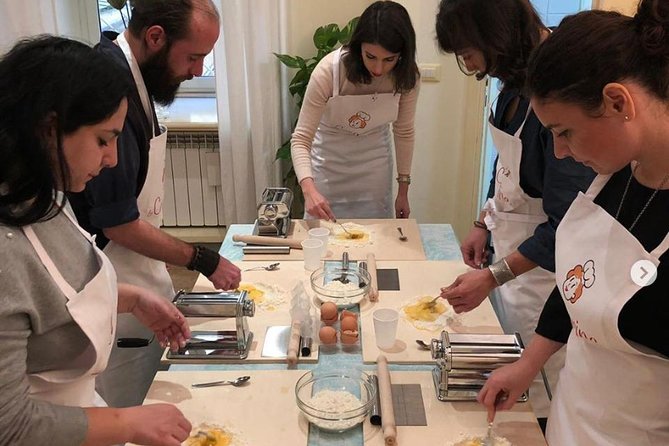
This isn’t a cooking demo where you watch someone else work. The format is a shared, hands-on cooking class in a local home, hosted by someone who knows the rhythm of cooking in Positano. You learn a starter, fresh pasta, and dessert, and then you eat them together at a family-style table.
That matters because it changes what you take home. You’re not just collecting “authentic food” as a slogan. You’re learning the small decisions that make Italian food taste like itself: how ingredients behave, what texture you’re aiming for, and how timing works when everything happens in the same kitchen.
And yes, wine and coffee are part of the end-of-class payoff. It’s the right kind of finish: you cook, you taste, you relax. Not the “eat-and-run” style that makes most classes feel like a checklist.
You can also read our reviews of more cooking classes in Positano
Meeting Up in Positano: Timing, Group Size, and How to Plan
The experience starts in Positano and ends back at the same meeting point. The tour is near public transportation, which is useful in a place where getting around can be a puzzle if you’re relying on taxis alone. You’ll also receive a mobile ticket, so you can keep it on your phone and go straight to the start.
The class size is capped at 10 travelers, and it’s private. For you, that usually means two things:
- More personal attention while you cook
- Less time waiting around for your turn
The duration is about 3 hours, so expect a packed, friendly pace. This isn’t a whole-afternoon cooking retreat. It’s long enough to learn and make real progress, but short enough that you won’t spend the entire time stuck chopping.
Also, it’s been booked around 19 days in advance on average, which signals popularity. If you want a specific date or you’re traveling in peak season, it’s smart to reserve sooner rather than later.
The Local Host Factor: Why This Feels Different Than a Studio Class
A big part of the appeal is that the teacher is a local home cook, not a professional kitchen instructor pretending they live a few streets away. That shows in the way the lesson is paced and how people talk about food.
From the strongest notes, hosts such as Rocco and Carla come across as warm, welcoming, and genuinely happy to share. That kind of hospitality changes your role. You’re not just completing recipes. You’re learning how a family thinks about food—seasonality, comfort, and what’s worth doing from scratch.
There’s a small balance to keep in mind. One earlier group felt the class was more oversight than active teaching. That doesn’t mean the class is bad; it means the teaching style can vary from home to home. If you’re someone who learns by doing—kneading, mixing, rolling, tasting at each step—come ready with a simple mindset: ask how involved you’ll be, and don’t be shy about requesting more hands-on guidance.
Starter Course: Seasonal Food and the First Skill You Learn
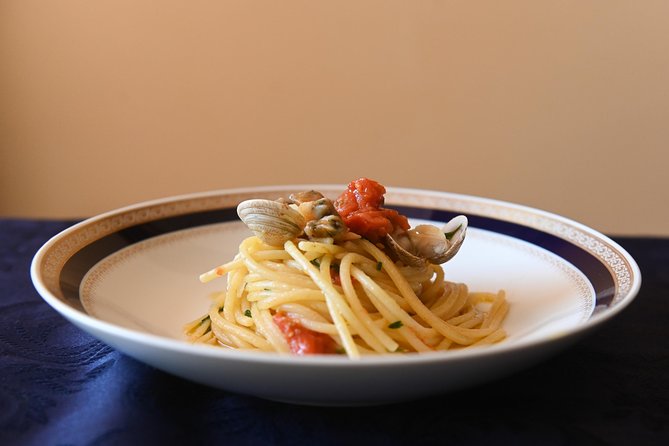
You’ll begin with a seasonal starter. The key value here is not just the flavor—it’s the mindset. Starters in southern Italy often set the tone: bright notes, simple ingredients handled well, and a focus on freshness. Even if you don’t get every detail in your memory, you’ll leave understanding how local cooking builds from the first plate.
In a home class, starters also teach you practical technique. You’ll likely learn how to prep ingredients efficiently in a smaller kitchen, and how to time your work so everything lands at the table together. This is one of those “small” lessons that pays off later when you try to cook at home and realize the timing is half the battle.
What to watch for while you cook: how your host treats seasoning and texture. You can copy recipes later, but you can’t easily copy a cook’s sense of when something is ready. In a good session, you’ll get that timing coaching.
Fresh Pasta From Scratch: The Technique That Sticks
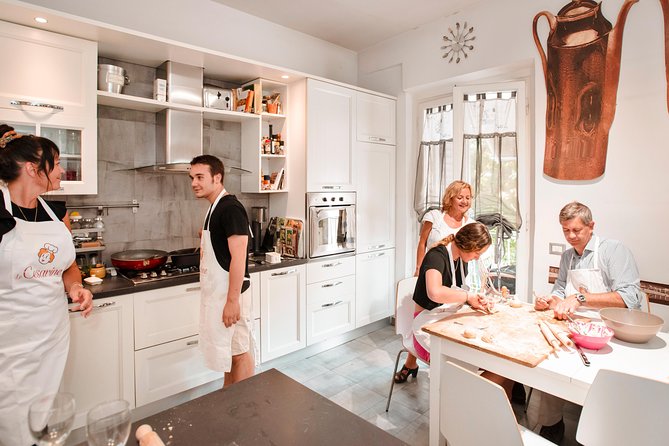
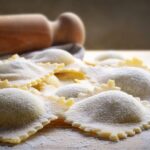
The pasta portion is the star of the experience. You’ll learn to make fresh pasta from scratch, guided by your host and instructor. Even if you’ve made pasta once before, there’s a good chance you’ll leave with at least one tweak—how you handle the dough, what texture you’re aiming for, or how to work efficiently so you don’t panic when it’s time to shape.
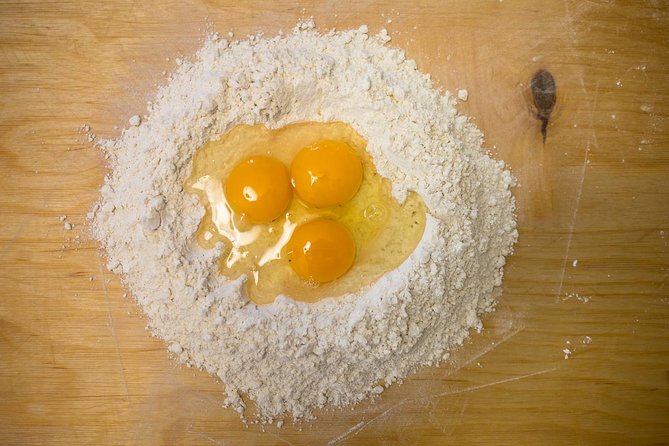
Why this is valuable: store-bought pasta is convenient, but it doesn’t teach you anything. Fresh pasta does. It makes the process physical. You feel the dough change. You learn how it resists, then softens. And you learn why Italian cooking cares so much about the basics.
In a small group setting, you’re more likely to get real feedback. That means if your dough is too dry, too soft, or not rolling evenly, you have a chance to correct it before it becomes a finished plate that only tastes like defeat.
Practical tip: wear comfortable clothes that let you move easily. Pasta dough is messy work, and you’ll feel better if you can work without worrying about your outfit.
You can also read our reviews of more tours and experiences in Positano


Dessert Time in Southern Italian Style
After pasta, you’ll make a classic southern Italian dessert. Desserts in this region often feel less like a “perfect showpiece” and more like a comforting finish. That’s a good lesson for you: Italian dessert is frequently about balance—sweetness, texture, and what works with the rest of the meal.
This portion matters for two reasons:
- You get the full arc of a home meal: starter, main, finish
- You learn that dessert isn’t always complicated for the sake of being impressive
Because this class is in a home kitchen, you also get a sense of what families prioritize when they cook for others. They don’t just make something sweet; they make something that fits the day, the ingredients at hand, and the schedule of serving everyone together.
The Family-Style Tasting: Wine, Coffee, and What to Notice
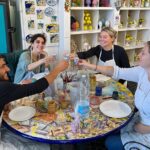
The class ends with what you made—three dishes—served family-style. You’ll have wine and coffee with the meal, which turns the session into a proper shared event.
Here’s what I think is the best part of the tasting: you can see how the dishes work as a set. You might find that the starter is brighter and sharper than you expected, or that the dessert feels right because of what came before. That’s the kind of lesson you don’t get from a cookbook alone.
When you sit down, take a moment to notice:
- How the pasta tastes with the pairing from the day
- Whether the seasoning feels bold, balanced, or lightly layered
- How the dessert’s sweetness fits the meal rather than fighting it
Also, enjoy the conversation. If your host is as warm as described in the strongest feedback, this is where you’ll learn more than recipes—like what daily life on the Amalfi Coast looks like, and how food connects to that routine.
Price and Value: Is $207 Per Person Reasonable?
The price is $207.07 per person for about 3 hours, in a private small-group setting in a local home. That’s not cheap. But cooking classes in Italy—especially ones hosted in real houses—tend to cost more than studio-style sessions because you’re paying for:
- Local expertise in a home setting
- Personal attention in a small group
- Ingredients and wine/coffee as part of the meal
For you, the value question comes down to what you want most. If you want entertainment, you can find cheaper options. If you want skills—especially fresh pasta technique—and you want to eat an actual meal at the end, this is more like paying for an experience that includes both teaching and food.
One practical way to judge value: compare it to how much you’d spend on a similar “hands-on + meal + wine” experience. When classes include food and drinks you’d otherwise buy, the number starts to look more sensible.
And because it’s booked in advance on average, it’s likely in demand. That can mean better organization and more consistent host availability.
The Realistic Upside and One Possible Hiccup
Let’s keep it fair. The standout praise centers on host warmth, teaching quality, and how memorable it was to learn real Italian food with fresh ingredients. Names like Rocco and Carla show up in the strongest notes, and the vibe described is friendly and gracious.
The possible drawback is practical: one earlier group reported the class was not as hands-on as expected and that the home didn’t have air conditioning, making it extremely hot. So for you, this is the checklist:
- If you want heavy hands-on instruction, ask about participation
- If you’re heat-sensitive, bring what you need to stay comfortable
Even with those caveats, the concept is strong: you learn, you cook, and you eat in one smooth loop, without the busy-tour-transport feel.
Who Should Book This Class (and Who Should Skip)
This class is a great fit if you:
- Want true home-style Italian cooking instead of a passive show
- Care about learning technique, especially fresh pasta
- Enjoy meals with conversation and a local host, not just a photo session
- Like small groups where you can ask questions
You might want to think twice or message first if you:
- Need strong, step-by-step coaching and worry about a more “watch and supervise” style
- Are very sensitive to heat and worry about kitchen comfort
If you go in knowing what to expect—3 hours, three dishes, small group—you’ll likely get a satisfying experience.
Should You Book Cesarine in Positano?
I’d book it if your goal is to leave with real cooking skills and a meal you helped make. The combination of fresh pasta from scratch, a seasonal starter, and a southern Italian dessert is a clean, memorable set—then you finish with wine and coffee in a family-style setting. That’s a lot of value stuffed into about three hours.
I’d hold back only if you strongly dislike hot indoor environments or if you need very hands-on teaching every minute. In that case, send a quick message when booking to clarify participation style and kitchen comfort. If those answers look good, this is exactly the kind of Positano experience that goes beyond the obvious.
FAQ
How long is the Cesarine home cooking class in Positano?
The class runs for about 3 hours.
How many people are in the class?
The experience has a maximum of 10 travelers.
What dishes will I learn to make?
You’ll learn to make a seasonal starter, fresh pasta from scratch, and a classic southern Italian dessert.
Will there be food and drinks after cooking?
Yes. You’ll taste what you made with wine and coffee in a family-style tasting.
Where does the experience start and end?
It starts in Positano and ends back at the same meeting point.
Is there free cancellation?
Yes. You can cancel up to 24 hours in advance for a full refund.