REVIEW · POSITANO
Cooking lesson: tagliatelle, mozzarella and tiramisu
Book on Viator →Operated by Cooking lesson · Bookable on Viator
Fresh pasta and cheese are the easy part here. What makes this Positano-area cooking lesson worth your time is the small-group, hands-on way you learn, plus the quick Amalfi Coast outing right after you eat. You’ll be working with real guidance from Giovanni and the welcoming host energy of Valentino, in English, all within an easy 3-hour window.
One thing I really like is how practical it is: you form the dough, make the components, cook them, and sit down to taste what you made. Another big plus is the farm feel, with a chance to see animals and get that high-up view over Amalfi. One thing to consider: this is based in Agerola, so if you’re staying deep in Positano, you’ll want to plan your route so you’re not rushing.
This isn’t a big lecture and it isn’t a conveyor-belt meal. You get to ask questions while you work, and the hosts keep the pace friendly (even if you’re running a bit late). Still, with up to 40 people, it won’t feel like a one-on-one private class. You’ll get help, but it’s shared help.
In This Review
- Key highlights worth knowing before you go
- Agerola base camp for serious Amalfi Coast flavor
- Tiramisu, mozzarella, and the rhythm of making
- Starting with tiramisu
- Fresh mozzarella balls from near-farm ingredients
- What sauces and condiments mean in this class
- Fresh pasta work: tagliatelle focus and more than one shape
- Tagliatelle basics you can actually repeat later
- Why ravioli and fettuccine show up too
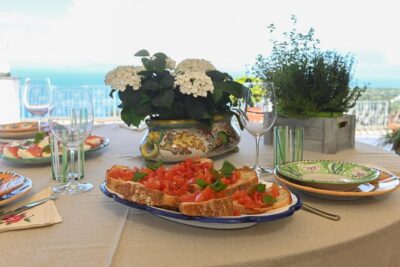
- You’ll cook and taste what you make
- The Amalfi Coast outing: a quick reset after the meal
- Homemade limoncello goodbye (and why it matters)
- Price and value: what you’re really paying for
- Who this cooking class fits best
- A heads-up for expectations
- Should you book this Positano-area cooking class?
- FAQ
- FAQ
- What is the duration of the cooking lesson?
- Where does the experience start and end?
- What dishes will we make?
- Do we cook the food or only prepare it?
- Is the lesson offered in English?
- Is there an excursion after the meal?
- Is limoncello included?
- How large are the groups?
- Is free cancellation available?
Key highlights worth knowing before you go
- Hands-on mozzarella: you’ll make mozzarella balls using mozzarella made from milk that was taken from the cow less than a day earlier.
- Tiramisu first, pasta later: the class starts with tiramisu, then moves into cheese and finally fresh pasta.
- Fresh pasta in multiple shapes: beyond tagliatelle focus, you may also make pasta types like ravioli and fettuccine.
- Cook, then eat your own food: you won’t just assemble. You prepare, cook, and then taste what you made.
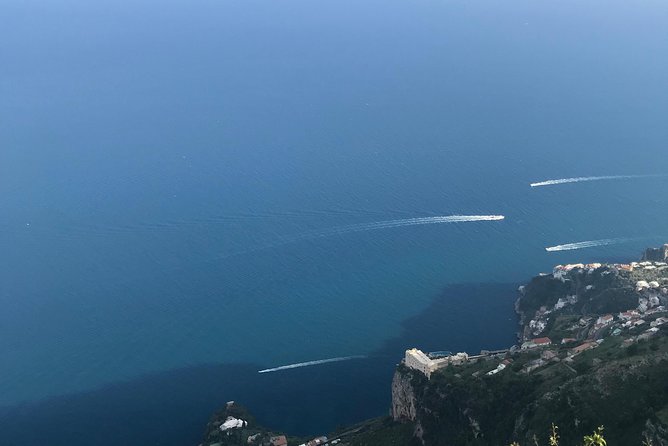
- A short Amalfi Coast outing: after the meal, there’s a brief 10-minute excursion to a standout viewpoint.
- Homemade limoncello goodbye: the experience ends with limoncello, plus friendly host touches like coffee and water during breaks.
Agerola base camp for serious Amalfi Coast flavor
Even though this is sold as a Positano experience, the cooking happens in Agerola. That’s good news. Agerola sits up on the hills above the coast, so you get that in-between world: less crowd, more local rhythm, and easier access to the kind of farm-style hospitality that you don’t get in a restaurant kitchen.
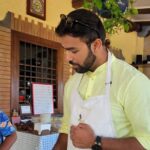
The meeting point is Luna D’Agerola, Via Radicosa, 42, 80051 Agerola NA. Expect it to feel like you’re arriving at a place with a working setup, not a staged demo room. The hosts run it like a day you’re joining, with the pace adjusted to the group. That matters because pasta and cheese don’t wait for anyone.
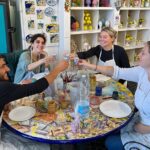
This class is offered in English, and the ticket is mobile. Groups are capped at 40 travelers, which keeps it from turning into chaos. If you learn best by doing, this format is where it shines: rolling, shaping, cooking, tasting—then asking questions while your hands are busy.
You can also read our reviews of more cooking classes in Positano
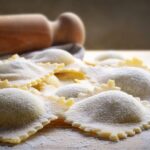
Tiramisu, mozzarella, and the rhythm of making
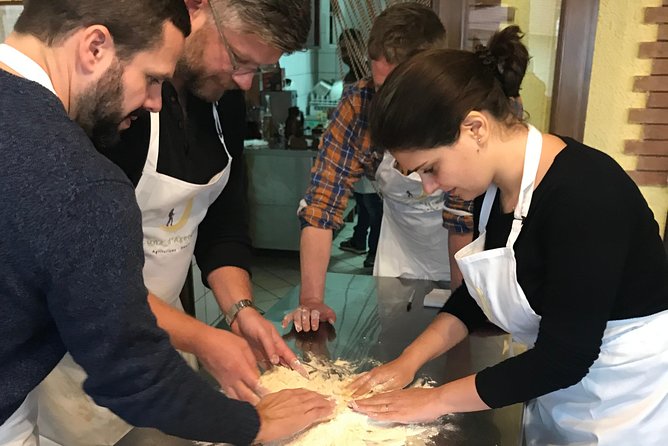
The flow is the heart of the experience. You start with tiramisu, then you move into mozzarella, and you finish with fresh pasta. It’s a smart order, because it builds confidence step by step: dessert first, then cheese, then the main event of fresh pasta.
Starting with tiramisu
Tiramisu can look intimidating until someone shows you the practical steps. In this class, you’ll make it from scratch, guided by your hosts. The value here is not just dessert. It teaches you how Italian home cooks think: simple ingredients, careful handling, and timing.
As you work, you’ll hear tips and explanations about ingredients and preparation. The hosts also keep things light with humor and clear instructions, which makes the kitchen feel relaxed instead of rushed.
Fresh mozzarella balls from near-farm ingredients
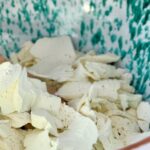
Then comes the part most people are curious about: mozzarella. You’ll make mozzarella balls, using mozzarella made from milk taken from the cow less than a day earlier. That detail changes the whole experience. It’s not just mozzarella as a product in plastic. It’s mozzarella as a living ingredient, which makes the texture and flavor feel more immediate.
You’ll learn how the cheese is handled and shaped, and you’ll get time to understand what to look for. If you’ve ever wondered why some mozzarella tastes mild while other mozzarella tastes creamy and fresh, being shown the process is the shortcut.
What sauces and condiments mean in this class
You’re not just cooking pasta in a vacuum. The lesson includes practical work with various sauces for condiments. That matters because Italian pasta isn’t only about the noodles. It’s about matching sauce texture and timing to what you just made.
If you’ve had pasta dishes in tourist areas that taste fine but feel slightly off, this is where you can fix that in your head: freshness changes everything, and sauce choices follow the ingredient behavior.
You can also read our reviews of more tours and experiences in Positano
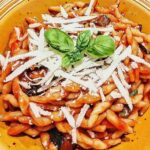
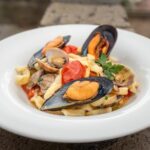
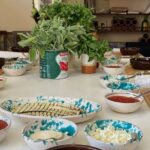
Fresh pasta work: tagliatelle focus and more than one shape
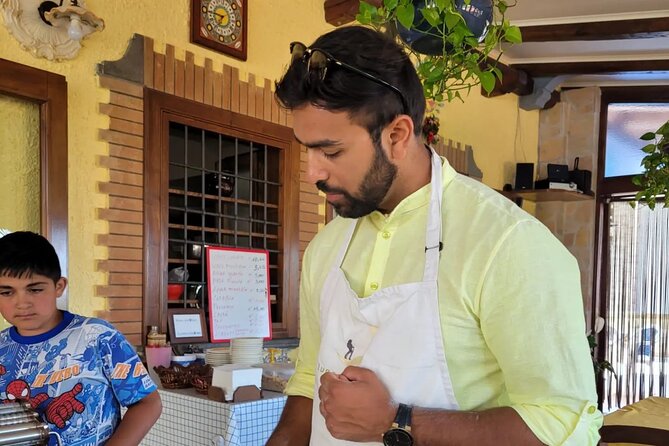
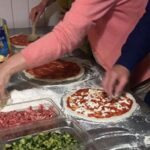
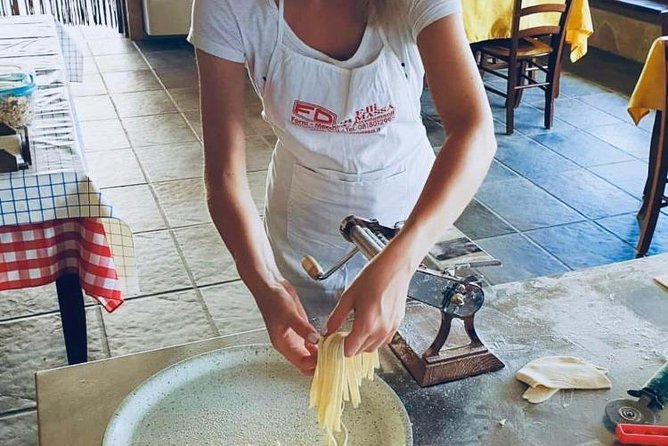
This is a pasta class, so the main lesson centers on making fresh dough and then turning it into something you can eat right away. Your session includes practical lessons of fresh pasta, with shaping and cooking as part of the deal.
Tagliatelle basics you can actually repeat later
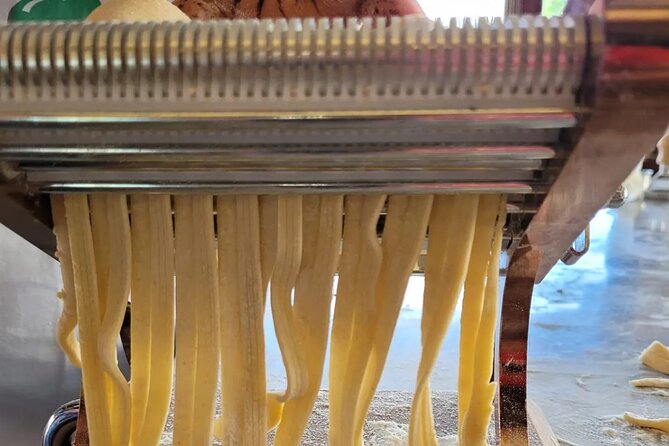
The experience is built around learning the kind of fresh pasta technique that leads to tagliatelle. That means you’re working with dough you made yourself, then shaping it so it cooks correctly. If you’re the type who buys dry pasta and wonders why it never tastes like Italy, this is the mindset shift you need.
Fresh dough behaves differently from dried pasta. It’s softer, it cooks faster, and it needs care in handling. The hosts walk you through the steps so you don’t just copy shapes—you understand how to think like a home cook.
Why ravioli and fettuccine show up too
Some versions of the lesson include shaping ravioli and fettuccine in addition to the tagliatelle focus. That’s not wasted time. It gives you a real sense of how sauce pairing and cooking times change based on shape.
Even if you only remember one thing, you’ll likely remember texture and timing: how pasta changes when it’s ready, and how sauce clings differently depending on shape. That knowledge is more useful than memorizing a recipe.
You’ll cook and taste what you make
A lot of classes stop at hands-on preparation. Here, you’ll cook the pasta and then taste everything. This is a big deal for confidence.
Because you eat your own food, you get instant feedback:
- Did you roll evenly?
- Did the dough hold up?
- Did the sauce balance work with the pasta?
That feedback is what makes the class stick long after you get home.
The Amalfi Coast outing: a quick reset after the meal
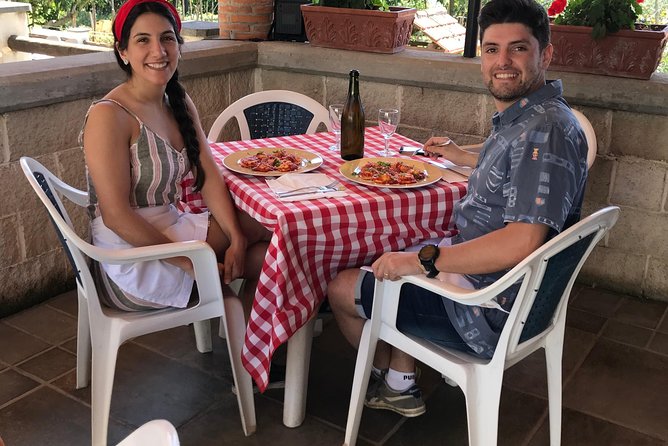
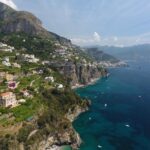
After you eat, you get a brief 10-minute excursion connected to the Amalfi Coast. Think of it as a palate reset and a chance to zoom out from the kitchen.
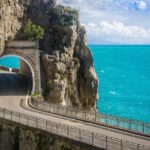
The hosts take you to a standout spot where they highlight the view as a top moment of the day. It’s short, so it doesn’t turn into a full hike or a time sink. It’s also long enough to give your brain a break. You’ll feel it right away: after eating, standing outside with that coastal view makes everything you just cooked feel more like part of the region instead of a stand-alone activity.
This is also where the day’s pacing helps. You’re not traveling all day, then cooking exhausted. You cook, eat, then look out over the coast while you’re still in a good mood.
Homemade limoncello goodbye (and why it matters)
The experience ends with a friendly send-off: homemade limoncello. This isn’t just a souvenir drink. It’s a small payoff that ties the day back to the Amalfi side of things.
Limoncello works well here for two reasons. First, it’s a classic regional flavor that feels appropriate after a sweet course like tiramisu. Second, it’s a simple way to mark the close of the class, when the hosts can chat with you a bit more and you can reflect on what you made.
In the way the hosts run breaks, you might also notice extra touches like coffee and water offered to keep things comfortable. That kind of practical hospitality goes a long way, especially when you’re spending hours in a working kitchen.
Price and value: what you’re really paying for
At $84.29 per person for about 3 hours, the price can look like a lot until you unpack what’s included.
You’re not paying for:
- a packaged meal,
- a one-time demonstration,
- or a basic cooking workshop with no real tasting.
You’re paying for a guided lesson where you:
- make tiramisu,
- make mozzarella balls from fresh, recently sourced milk ingredients,
- craft fresh pasta (with tagliatelle focus and potentially multiple shapes),
- cook the pasta,
- taste everything you made,
- and finish with homemade limoncello,
- plus a short Amalfi Coast viewing moment.
For many people, the value here comes from the full loop: learn, produce, eat, then see the region. If your goal is to bring home new skills, not just a plate of food, this class is priced like you’re buying instruction and ingredients, not restaurant time.
Who this cooking class fits best
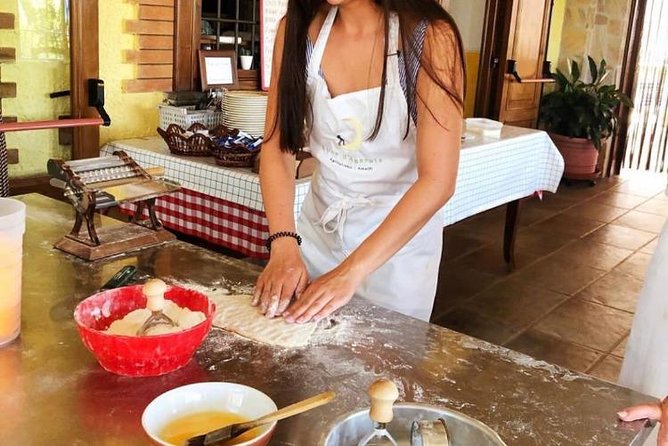
This works especially well if you:
- want an Amalfi Coast food experience that’s hands-on,
- love fresh pasta and cheese and want to understand the basics,
- like learning from enthusiastic teachers with a practical teaching style,
- travel in a mixed group (friends, couples, small families) and you don’t want a stiff, formal class.
It’s also great if you’re the type who enjoys small moments: meeting the people running the kitchen, seeing animals, and taking a short viewpoint walk after eating.
A heads-up for expectations
If you’re looking for a long sightseeing day, this isn’t it. You’ll get a brief coastal excursion and then you’re back to the meeting point.
Also, with a group size up to 40, it won’t feel private. You’ll still get explanations, but you should expect a lively shared classroom energy.
Should you book this Positano-area cooking class?
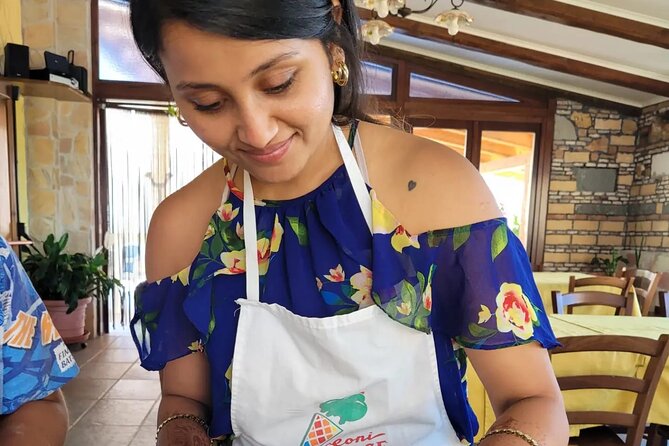
If you care about eating well and you like the idea of learning what makes Italian food taste like Italy, I think this is an easy yes. You get the full package: fresh mozzarella, tiramisu, fresh pasta, a real tasting, and a short Amalfi view moment to end the day.
Book it if your trip is based around the Amalfi Coast and you can comfortably get to Agerola on time. The main reason to skip would be if you only want big-ticket sightseeing or you hate shared-group activities. Otherwise, this class is one of the most satisfying ways to spend a few hours in the region—because you leave with skills you can actually use, not just photos.
FAQ
FAQ
What is the duration of the cooking lesson?
The experience lasts about 3 hours.
Where does the experience start and end?
It starts at Luna D’Agerola, Via Radicosa 42, 80051 Agerola NA, Italy, and ends back at the same meeting point.
What dishes will we make?
You’ll make tiramisu, mozzarella balls, and fresh pasta (with tagliatelle focus and additional pasta types like ravioli and fettuccine).
Do we cook the food or only prepare it?
You will prepare the pasta, cook it, and then taste everything.
Is the lesson offered in English?
Yes, it is offered in English.
Is there an excursion after the meal?
Yes. After eating, there’s a 10-minute excursion related to the Amalfi Coast.
Is limoncello included?
Yes. The experience ends with homemade limoncello.
How large are the groups?
The activity has a maximum of 40 travelers.
Is free cancellation available?
Yes. You can cancel up to 24 hours in advance for a full refund.