REVIEW · SORRENTO
From Sorrento: Pompeii Ruins All-inclusive Guided Tour
Book on GetYourGuide →Operated by Tempio Travel Sorrento · Bookable on GetYourGuide
Pompeii hits fast, even in two hours. This guided tour from Sorrento is built around a smart rhythm: grab your tickets in town, take the train south, then follow a focused walk through the Roman city most people only see in photos. I like the round-trip train included (it cuts planning stress) and I also like how the guide steers you through the big moments, from the Temple of Jupiter and the Forum to the termopolia and the chilling body casts. One thing to consider: the group can be fairly large, so you’ll want good hearing habits and you may feel the heat (Pompeii is not a place for lingering shade).
What makes this experience genuinely useful is that Pompeii is huge and easy to wander in the wrong direction. Your guide acts like a human map, pushing you toward the highlights first, and then pointing out how daily life worked—shops, baths, street food corners, and the decorative mosaic floors. The tour also includes the kind of details that turn ruins into a story: cooking utensils in a bakery display, remarkably preserved mosaics and frescoes, and the famous casts that freeze the tragedy of 79AD in place. The drawback is mainly logistics on travel days: the train can be crowded, and ticket pick-up can feel a little chaotic before you board.
If you want a tight, high-impact Pompeii visit without spending the entire day on transit and self-planning, this tour is a strong match. It’s also great if you like seeing the site with context—so you’re not just staring at stones, but also understanding what you’re looking at. Just know it’s two hours of guided highlights, not an all-day deep dive.
In This Review
- Quick hits you’ll care about
- Sorrento to Pompeii: the train ride that sets the tone
- Ticket pick-up at Tempio Travel: easy if you show up ready
- Your 2-hour Pompeii route: what you’ll actually see
- Temple of Jupiter and the big civic picture
- Roman Baths and public life
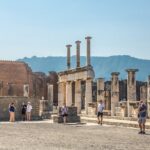
- The Forum: politics and people-watching
- Theaters, villas, and the city’s extremes
- Termopolia, mosaics, and frescoes: the everyday details that make ruins feel alive
- Termopolia: street-food corners
- A bakery display with cooking utensils
- Mosaics and frescoes: color that shouldn’t still be here
- The body casts of citizens: 79AD, explained without sounding cold
- Group size, earphones, and hearing your guide in crowded ruins
- Value check: is $66.27 a smart Pompeii move from Sorrento?
- Who should book this Pompeii tour (and who should skip it)
- Should you book this Pompeii tour from Sorrento?
- FAQ
- How long is the Pompeii tour from Sorrento?
- What is included in the price?
- Where do I pick up tickets in Sorrento?
- What Pompeii sites are covered during the guided walk?
- Is the tour guide available in English?
- What should I bring for the day?
- Is this a private tour?
Quick hits you’ll care about
- Skip-the-line entry with a guided ticketed route, so you lose less time at the gate.
- Sorrento–Pompeii–Sorrento train included, with ticket pick-up handled at the Tempio Travel office.
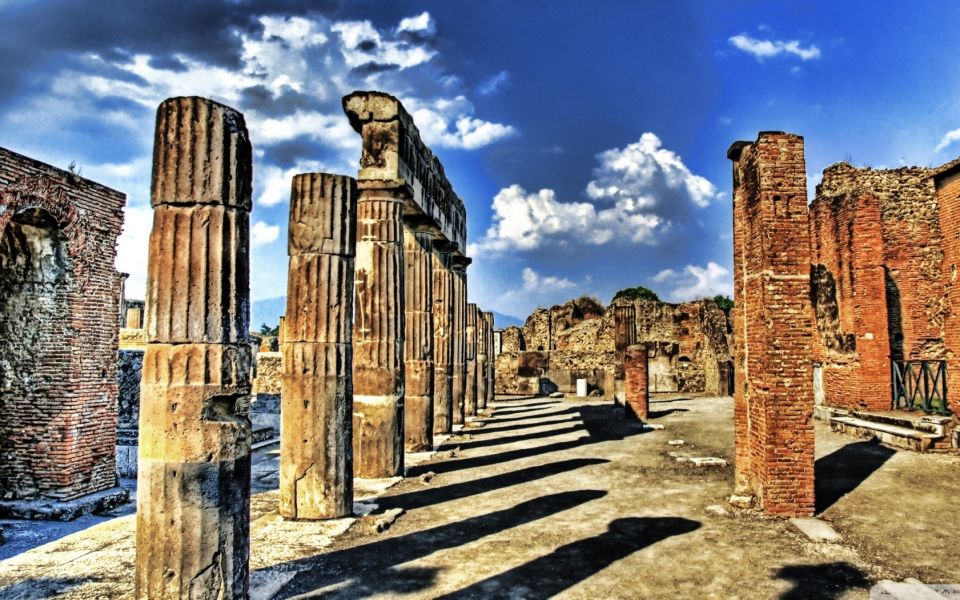
- Temple of Jupiter, Roman Baths, and the Forum are on the route, not left for guesswork.
- Termopolia + mosaics + frescoes are part of the walk, so you get everyday life, not just landmarks.
- Body casts of citizens give the 79AD story an emotional weight.
- Earphones provided can help you hear the guide even when the group thickens.
Sorrento to Pompeii: the train ride that sets the tone
The whole day starts in Sorrento at the Tempio Travel office in the Circumvesuviana train station area. You’ll collect your ticket there before heading to Pompeii by train, and you should show up early—at least 5 minutes before departure. This is one of those tours where being on time matters, not because you’ll miss the ruins, but because trains in peak periods can get crowded fast.
The train itself is usually the practical part of the equation: quick, straightforward, and convenient. It is, however, not a relaxing lounge. One common theme from real experiences is that the train back can be crowded and may not have air-conditioning, so plan to dress for heat and be ready to stand or squeeze in.
Once you arrive in Pompeii, you’re not left to figure out meeting points in a maze. You walk into the rhythm of the tour: get organized, meet your group, and then the guide starts steering you toward the key areas. That reduces the common first-day Pompeii problem: you step out into the ruins and immediately forget where to go next.
This is why I like this format. You’re not trying to turn Pompeii into a scavenger hunt while your brain is still catching up to the scale of it. You get a schedule, a route, and a reason for every major stop—especially important if it’s your first visit.
You can also read our reviews of more guided tours in Sorrento
Ticket pick-up at Tempio Travel: easy if you show up ready
The meeting point is the Tempio Travel office in Sorrento Circumvesuviana Station. Before you board, you pick up your tickets at this office, and the guidance is clear: be ready to board at least 5 minutes before departure.
Here’s the practical tip: keep your ID on hand. You’ll need a passport or ID card. Pompeii days move quickly, and you don’t want to waste time digging through bags once the group is forming.
Some people found the ticket pick-up moment a bit hectic. That doesn’t mean the tour is poorly run; it just means you should buffer time and not treat this like a casual errand. If you’re the type who hates standing around, this is the part where you’ll feel it. Still, once you’re through, the rest of the visit tends to run smoothly because the tour takes over.
After that, you’re on train mode. The best mindset is simple: focus on arriving, getting organized, and then letting the guide handle Pompeii.
Your 2-hour Pompeii route: what you’ll actually see
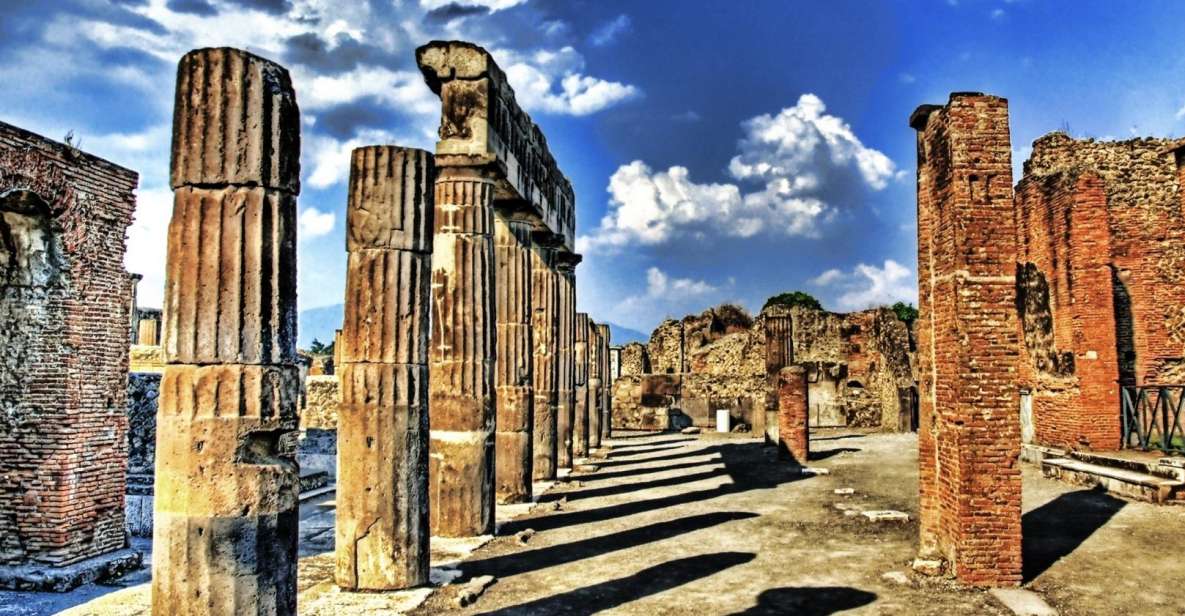
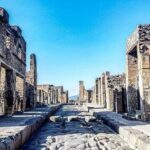
This tour lasts about 2 hours on-site with a live English or Italian guide (shared tour). That time limit sounds short until you realize Pompeii is sprawling, uneven underfoot, and mentally tiring when the heat is high. A guided route is the difference between seeing the big stuff and getting lost in side streets that look similar from a distance.
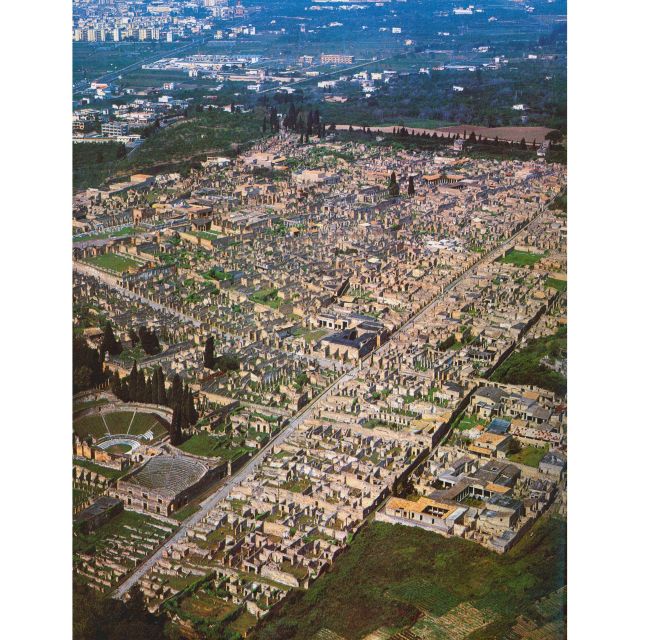
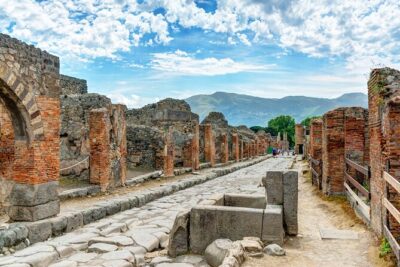
Your walk focuses on major public and civic areas, plus a strong slice of everyday life. You’ll start by learning about life in the Roman Republic and how Pompeii’s layout reflected that world. Then you’ll move through the site’s standout zones, including places tied to religion, public life, and commerce.
Here are the key stops you can expect:
Temple of Jupiter and the big civic picture
The Temple of Jupiter is one of the headline religious landmarks on the route. When a guide points out where this temple sat in the city’s plan, it helps you understand why Pompeii wasn’t just a place to live—it was also a place to gather, worship, and project power. Even if the stones look quiet, the layout makes the civic story click.
Roman Baths and public life
Pompeii’s Roman Baths give you a different angle than temples and forums. Baths weren’t only about cleanliness; they were social hubs. When your guide connects what you see—areas for different kinds of bathing and public routines—to everyday schedules, ruins start feeling less abstract.
- Sorrento Farm and Food Experience including Olive Oil, Limoncello, Wine tasting
★ 5.0 · 2,524 reviews






The Forum: politics and people-watching
The Forum is where the city’s public energy shows up most clearly. It’s one of those spaces where you can almost imagine conversations, transactions, and announcements bouncing around the stones. With a guide, you’re not just looking at an open area; you’re learning what this kind of civic center meant in Roman life.
Theaters, villas, and the city’s extremes
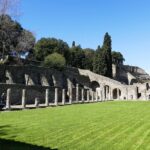
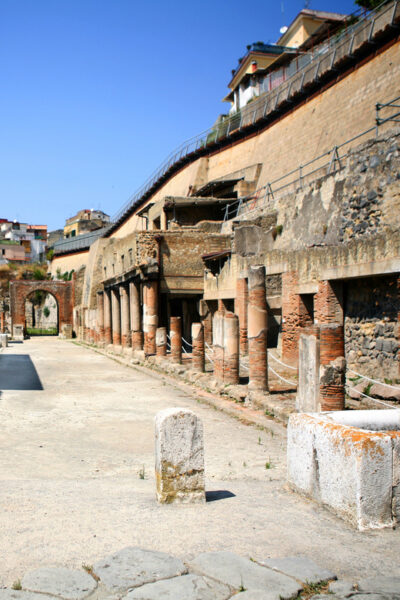
You’ll also see theaters and famous villas on the highlights route. Theater spaces show public entertainment and social structure. Villas hint at wealth and lifestyle. This mix matters because Pompeii isn’t uniform. A city contains different worlds, and you’ll feel that contrast even in a short visit.
Termopolia, mosaics, and frescoes: the everyday details that make ruins feel alive
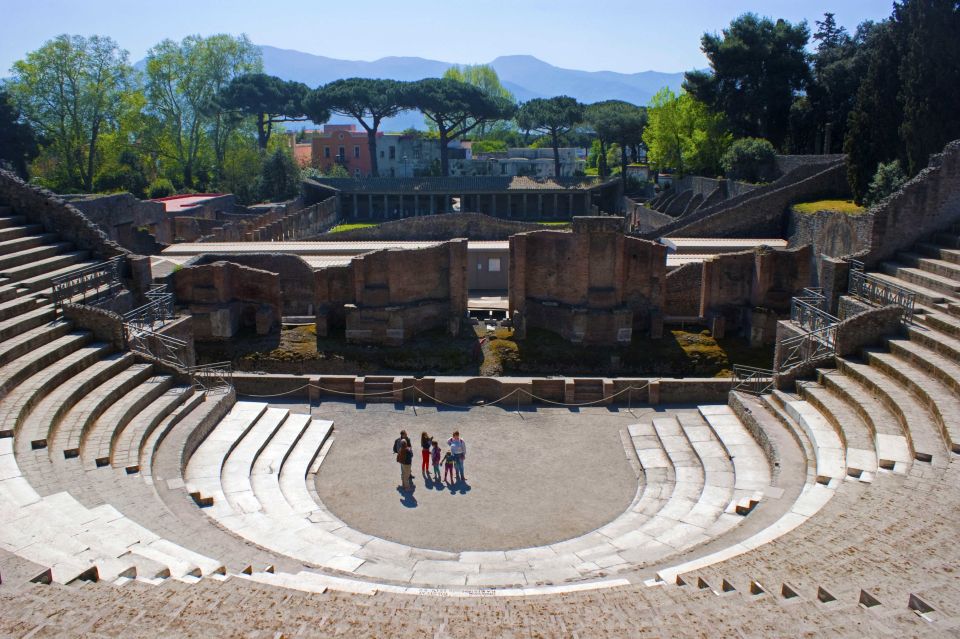
What I find most rewarding in Pompeii tours like this is the way they bring daily routine into focus. This route isn’t only about big monuments. It also includes commercial and domestic details—exactly the stuff that turns a ruin into a place you can picture.
Termopolia: street-food corners
You’ll get to see the termopolia, which were essentially Roman snack and food counters. They’re a key stop because they represent how people lived outside the home, grabbing food quickly and keeping the day moving. Seeing the space where food was served makes the city feel less remote.
A bakery display with cooking utensils
One of the more vivid highlights is the bakery area with cooking utensils still on display. That kind of detail is why a guided highlight route works. In self-guided visits, many people pass these small rooms thinking they’re just side exhibits. With a guide framing it as part of the food workflow, it becomes one of the best parts of the tour.
Mosaics and frescoes: color that shouldn’t still be here
This tour includes time to see remarkably well preserved mosaics and frescoes. In Pompeii, decoration often survives in ways that feel unreal, especially in places where you’d expect everything to have decayed. When your guide explains what these artworks were used for—status, beauty, and everyday comfort—you stop treating them like museum pieces and start seeing them as part of living space.
A practical note: mosaics and frescoes are often best viewed when you can slow down. In the heat and with a group moving, you’ll need to balance focus and pace. Earphones help here too, because you can stay oriented without walking off track.
The body casts of citizens: 79AD, explained without sounding cold
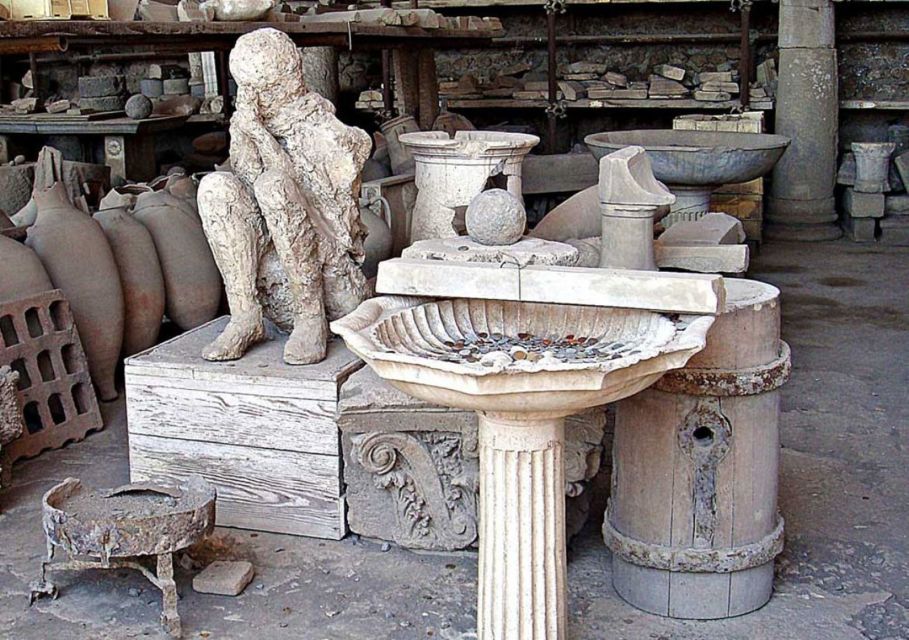
The story of Pompeii is tragedy on a massive scale. This tour includes the emotionally heavy segment: looking at the body casts of citizens. They are frozen moments from 79AD, created from the aftermath of the eruption, and they hit differently than any written explanation.
A good guide makes this part feel human and clear. Expect your guide to connect what you’re seeing to what happened during the eruption of Mount Vesuvius. Even in a tight schedule, this segment lands because it’s not just spectacle—it’s a lesson in how sudden disaster reshapes daily life.
This is also where the tour’s pacing matters. If you’re on a short itinerary, you’ll be tempted to rush past. Don’t. Take 30 seconds, look closely, and let the moment do its job. Your brain needs that pause to absorb the scale.
If you’re sensitive to heavy historical scenes, this is the one part to mentally prepare for. It’s the emotional center of Pompeii, and on this tour it’s not skipped.
Group size, earphones, and hearing your guide in crowded ruins
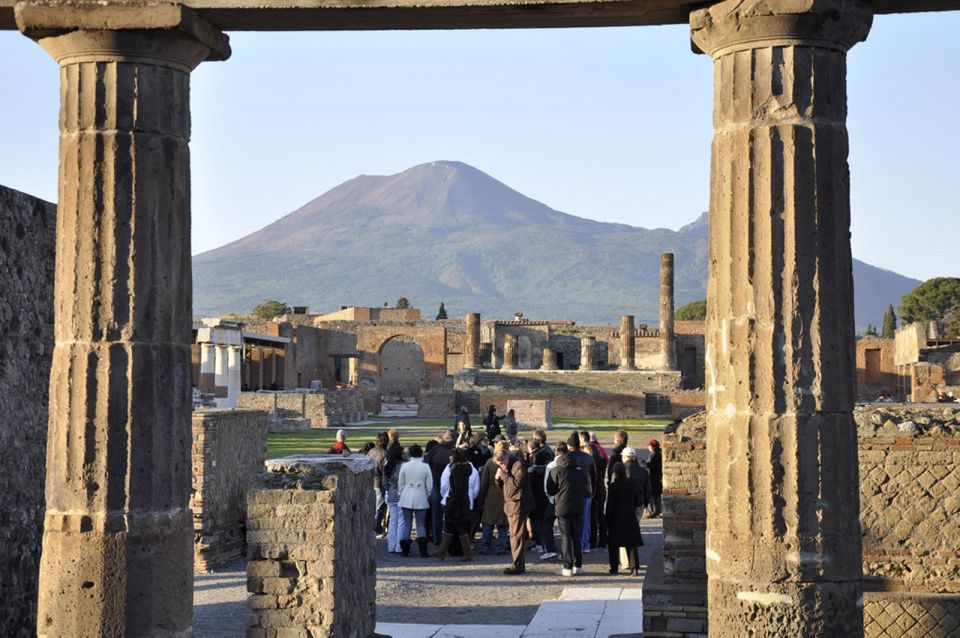
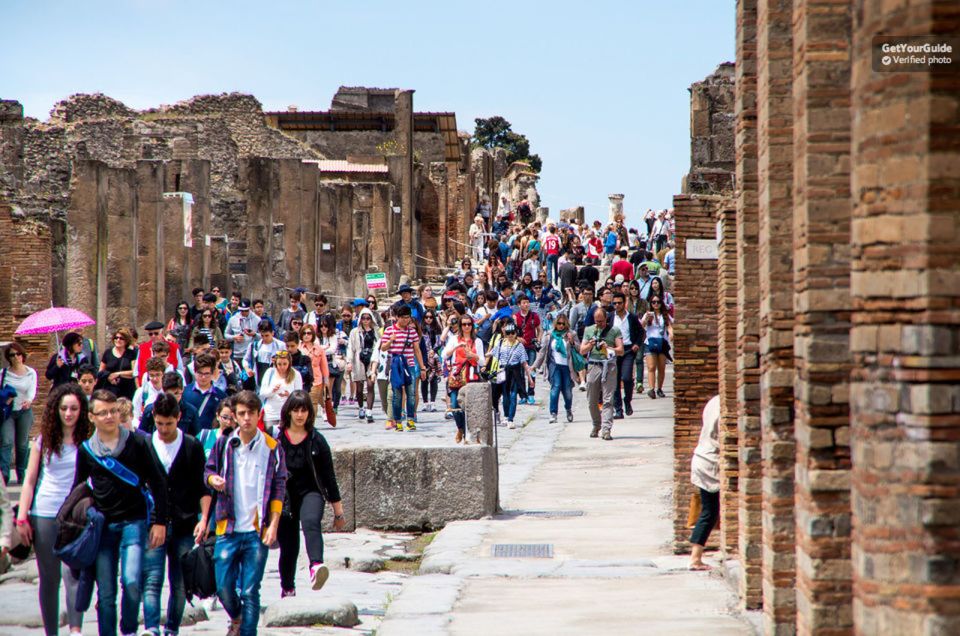
This is a shared guided tour, and that changes your experience. Some people reported groups around 20, and that can make it tricky to hear a guide if everyone is funneling through narrow spaces. The good news: earphones are provided. That makes a big difference when you’re walking and the group expands and compresses around doorways and viewpoints.
Still, do yourself a favor: stay attentive at bottlenecks. When you stop to look at the ground (uneven surfaces happen) or a wall detail catches your eye, check back with where the guide is pointing. The tour moves as a unit, and a short two hours means you don’t get a long reset.
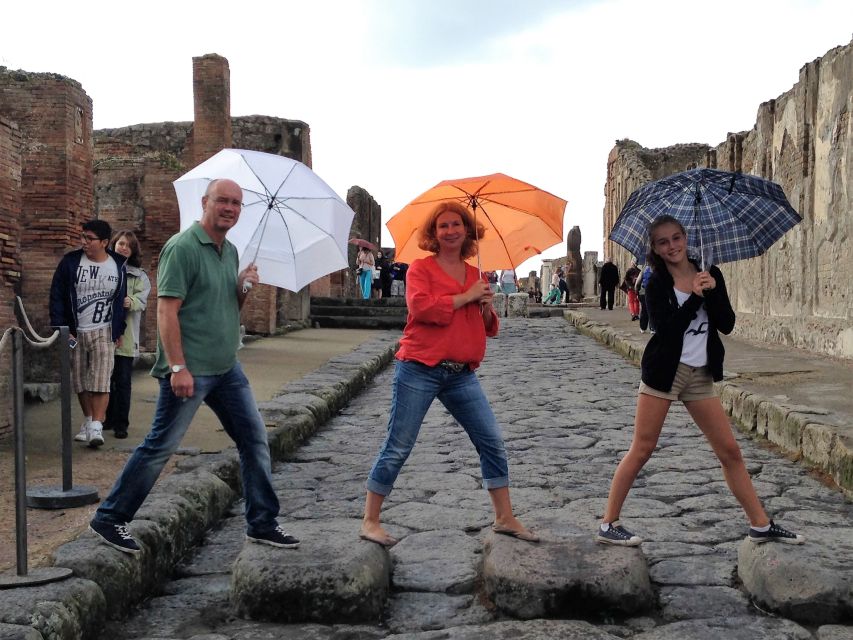
Comfort matters too. Pompeii is rough on the feet. You’ll want comfortable shoes because the ground is uneven. In the summer, bring a sunhat and water. You can also consider an umbrella for shade if you prefer it, since long stretches have limited cover.
One more comfort reality: the on-site time can feel fast in intense heat. A tour length of two hours can be exactly right, and more time might just make you too tired to enjoy it. If it’s a hot day, that’s a feature, not a bug.
Value check: is $66.27 a smart Pompeii move from Sorrento?
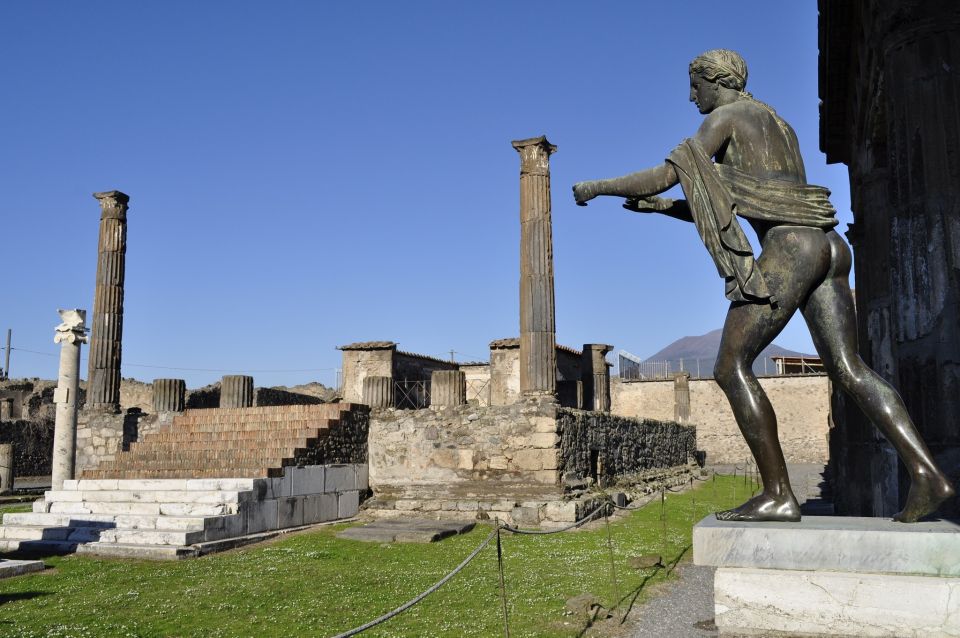
At $66.27 per person for a two-hour guided Pompeii visit with round-trip train transfers, this is a “pay for convenience” option. The value isn’t only the guide—it’s the full bundle: skip-the-line entry plus the logistics of getting there and back.
Here’s how I’d measure it if I were planning your day:
If you’re staying in Sorrento, you’re already paying the price of a travel day to get to Pompeii. This tour wraps the train round trip into the price, and that reduces planning load and eliminates a common snag—ticket timing and meeting point confusion.
On the other hand, a few people felt the price was high. That makes sense if you’re expecting an all-day Pompeii experience or lots of free time after the guided portion. This is a highlights tour, not a leisurely walk across every street and villa.
So who gets the best value? People who want the big features explained, want to avoid decision fatigue, and plan to explore a bit on their own if time allows later. If you’re the type who likes slow wandering and you want to stop repeatedly for every doorway and inscription, you might feel rushed.
If your goal is to return from Pompeii with clear memories—Temple of Jupiter, baths, Forum, termopolia, mosaics, frescoes, and body casts—this package is priced like that goal.
Who should book this Pompeii tour (and who should skip it)
This tour is best for you if you:
- want a short, high-impact Pompeii visit with a set route
- like having someone explain what you’re seeing as you walk
- prefer round-trip train convenience from Sorrento
- travel with heat limits and want a two-hour solution
It’s not as good for you if you need:
- lots of unstructured time on your own without a group pace
- super-small group attention (this is shared)
- an experience that feels more like a half-day of deep exploration
If your priority is comfort and direction, I’d also say you’ll likely appreciate the route structure and earphones. Some people highlighted guides who kept things organized and fun, including named guides like Ciro, Giana, Maria, and Laura. The common thread from those stories: clear English, patient pacing, and an ability to keep a group together.
Should you book this Pompeii tour from Sorrento?
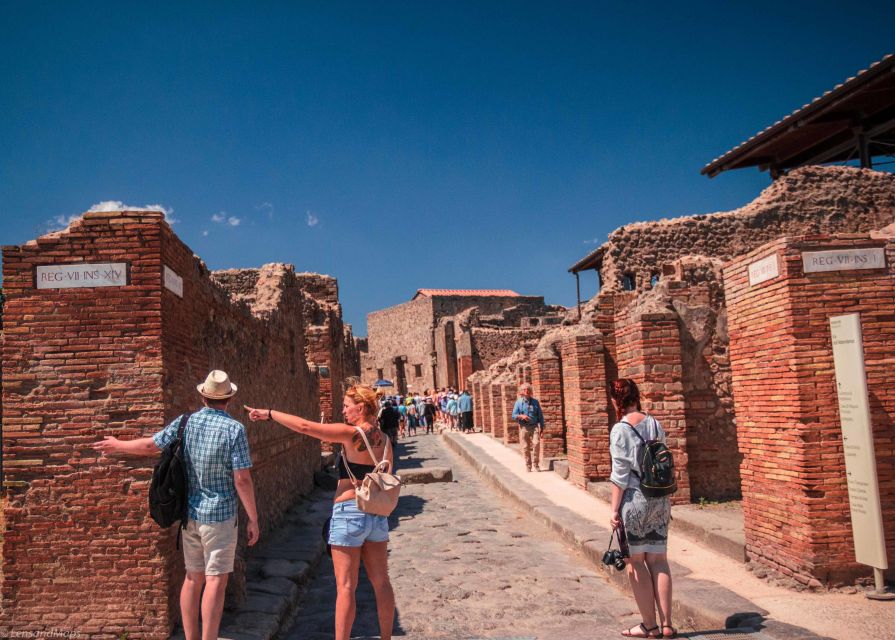
Yes—if you want Pompeii’s highlights explained in a schedule-friendly way. The mix of major monuments (Temple of Jupiter, Roman Baths, Forum) plus everyday details (termopolia, mosaics, frescoes, bakery utensils) plus the emotional anchor (body casts from 79AD) is exactly what most people need to understand Pompeii quickly.
Book it if you’re staying in Sorrento and you’d rather spend your energy looking at ruins than solving transport and meeting points. Skip or consider a longer option if you know you want hours of free roaming or you’re sensitive to crowded train conditions and hot walking.
If you do book, go in ready to move: wear sturdy shoes, bring water and sun protection, and keep your earphones on at the corners and intersections. Pompeii rewards attention. Two hours is enough if you’re paying attention.
FAQ
How long is the Pompeii tour from Sorrento?
The guided portion is about 2 hours. You should check availability for the starting times offered.
What is included in the price?
The price includes the Pompeii entrance ticket and guided tour, plus round-trip train tickets from Sorrento to Pompeii and back to Sorrento.
Where do I pick up tickets in Sorrento?
You pick up your tickets at the Tempio Travel office in Sorrento Circumvesuviana Station.
What Pompeii sites are covered during the guided walk?
The tour highlights include the Temple of Jupiter, Roman Baths, the Forum, theaters, famous villas, a bakery with cooking utensils on display, termopolia, mosaics and frescoes, and the body casts of citizens.
Is the tour guide available in English?
Yes. The live tour guide is available in English and Italian.
What should I bring for the day?
Bring a passport or ID card. Comfortable shoes are recommended, and in summer bring a sunhat and water.
Is this a private tour?
No. This is a shared guided tour.
You Might Also Enjoy

More Guided Tours in Sorrento


More Tours in Sorrento



More Tour Reviews in Sorrento
- Sorrento Farm and Food Experience including Olive Oil, Limoncello, Wine tasting
★ 5.0 · 2,524 reviews