REVIEW · POSITANO
Guided tour of the history and tradition of the Sorrento lemon
Book on Viator →Operated by Vivaio Ruoppo - Lemon Tour Sorrento · Bookable on Viator
One smell of citrus and you get the story. This small-group tour pairs a walk through Sorrento’s lemon groves with a sea-view tasting terrace, plus you’ll leave with the promised Old grandma’s limoncello recipe. I liked how the guide explained how lemons are grown and why those varieties matter, and the ending tasting is timed for maximum view. A possible drawback: you’ll want decent weather, since the experience requires good conditions.
I went for the easy afternoon pace—about 1 hour 15 minutes—and stayed for the details. The tour starts at Viale dei Pini, 31, Sant’Agnello and ends back there, so it’s simple to plug into your day in Positano’s area. Most people can participate, and the group stays capped at 20, so it doesn’t turn into a rushing parade.
In This Review
- Key points to know before you go
- Entering the lemon groves at Viale dei Pini in Sant’Agnello
- Pizzo Garden: a 19th-century start that changes how you see lemons
- Walking among Ovale di Sorrento, Sfusato di Amalfi, and cedar
- The traditional cultivation technique: what you’ll actually remember
- The sea-view terrace tasting: where the tour clicks
- Old grandma’s limoncello recipe: the best souvenir is the one you can cook
- Price and timing: is $59.29 worth your afternoon?
- Small-group tours in this area: what to expect in real life
- Practical tips to make your lemon tour better
- Should you book this Sorrento lemon experience?
- FAQ
- How long is the guided Sorrento lemon tour?
- Where does the tour start and where does it end?
- What is included in the tasting?
- Will I receive anything to take home?
- What lemon varieties will I see during the walk?
- How big is the group?
- Is the experience suitable for most people?
- What if I have a food allergy?
- Does the tour run in bad weather?
- What ticket do I use to join?
Key points to know before you go
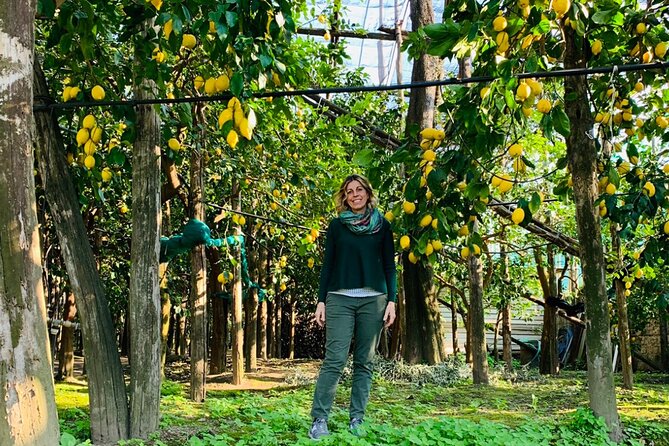
- Pizzo garden setting: A historic estate dating back to the 19th century sets the tone from the first minutes.
- Lemon variety tour: You’ll see different types, including Ovale di Sorrento, Sfusato di Amalfi, and cedar.
- How lemons are cultivated: Expect an explanation of the traditional growing technique behind Sorrento lemons.
- Sea-view terrace tasting: Bread and orange-lemon marmalade, fresh lemonade, and homemade limoncello come with one of the area’s best backdrops.
- A takeaway you can actually use: You’re given Old grandma’s limoncello recipe to bring home the flavor.
- Small group energy: The max group size is 20, and it can feel personal. One guest even reported it was just them and their partner.
Entering the lemon groves at Viale dei Pini in Sant’Agnello
The tour meets at Viale dei Pini, 31, 80065 Sant’Agnello NA. Plan to arrive a few minutes early, because the tour timing is tight and it’s easier to start calmly than to sprint uphill in sandals. You’ll also have a mobile ticket, so no paper hunt in your daypack.
This isn’t a bus-and-ticket situation. It’s a guided walking experience that’s designed for learning and tasting, not for racing from one photo spot to the next. That matters because the guide’s explanations come while you’re surrounded by the trees.
Also note the practical reality: you’ll want comfortable shoes. The route is a walk through an orchard setting, so you’ll appreciate grip and cushioning if the ground is uneven.
You can also read our reviews of more guided tours in Positano



Pizzo Garden: a 19th-century start that changes how you see lemons

The walk begins with the guided tour of the Pizzo garden—described as a historic estate dating back to the 19th century. Even if you don’t consider yourself a “history person,” the setting helps you understand why citrus farming has real roots here. You’re not just looking at lemons; you’re stepping into a working landscape with a long timeline.
The estate framing is also a smart way to start because it prepares you for what comes next: how cultivation works over time. Lemons aren’t a one-season crop in the way some people assume. The tour focuses on tradition and technique, which makes the later tasting feel earned instead of random.
One of my favorite parts of tours like this is when the guide connects past and present without making it feel like a lecture. That’s the vibe here—stories, then you move, then you taste, then you get the recipe.
Walking among Ovale di Sorrento, Sfusato di Amalfi, and cedar
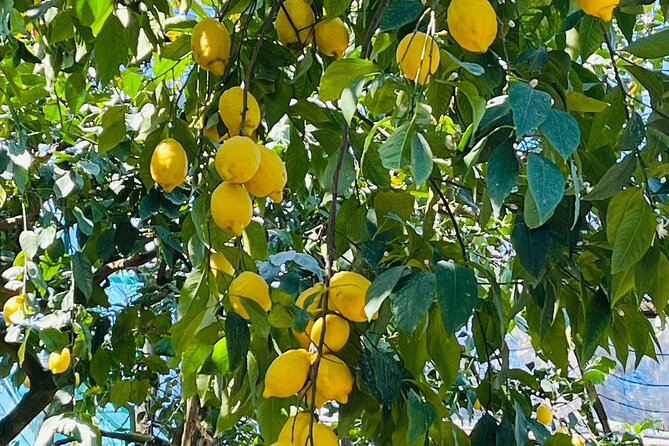
After the garden introduction, you head into the exclusive lemon grove in Sant’Agnello. This section is where you really get your bearings: different varieties, different tree shapes, and a lot of visual proof that “lemon” isn’t one uniform thing.
You’ll walk among several centuries-old lemon trees, including:
- Ovale di Sorrento
- Sfusato di Amalfi
- cedar
The value here is simple. When you learn the names and see the plants up close, you start tasting more consciously later. Instead of drinking lemonade and thinking it’s just citrus-flavored sweetness, you’re more likely to notice how the fruit tastes and how lemon character changes from one variety to another.
If you’re the type who likes hands-on moments, you may get the chance to harvest a lemon. One person mentioned harvesting, and that’s exactly the kind of memory you’ll keep long after the photos fade.
The traditional cultivation technique: what you’ll actually remember
The guide explains the traditional cultivation technique used for Sorrento lemons as you walk through the grove. This is the part that makes the tour feel different from a standard “see trees, take pictures, drink something” outing.
I like learning techniques because it turns a pretty view into something useful. You start to understand why lemons in this area have a particular reputation and why growers protect the process instead of pushing speed.
Also, pay attention to details while you’re walking. The explanation is given in context, right where the plants are. That’s the easiest way to remember what the guide says—your brain tags it to a place instead of to abstract facts.
The sea-view terrace tasting: where the tour clicks
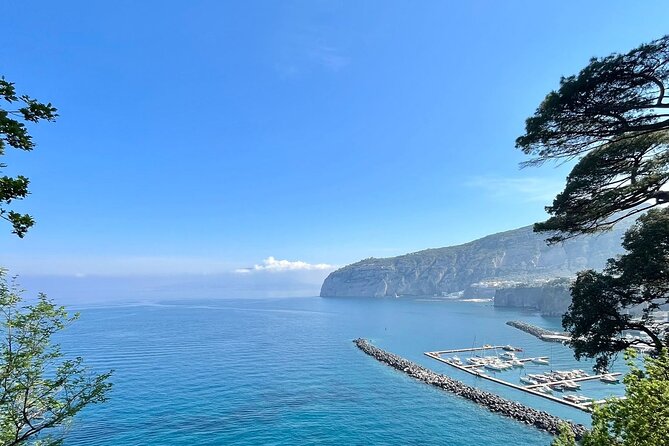
The tour ends with a tasting on a terrace overlooking the sea, described as breathtaking. This is the payoff zone: you slow down, look out across the water, and enjoy the products that come from the grove.
What’s included:
- bread
- marmalade of oranges and lemons (from their production)
- fresh lemonade
- homemade limoncello
This combo is a smart mix. Bread and marmalade help you understand the sweetness and acidity balance without going straight into alcohol. Then the lemonade gives you a bright, quick taste of the lemon flavor in a simpler form. Finally, the limoncello turns the whole experience into something you can share—because it’s fun, strong, and very Italian in spirit.
One practical detail worth noting: if you have a food allergy, ask in advance. One guest reported gluten-free bread was provided for them, which suggests they take needs seriously. That’s important on a tasting tour, where small ingredient details matter.






Old grandma’s limoncello recipe: the best souvenir is the one you can cook
At the end of the tour, you’re given the Old grandma’s limoncello recipe. This is the kind of takeaway that beats a fridge magnet because it’s something you can use later.
Even if you don’t plan to make limoncello right away, the recipe keeps the trip alive. It gives you a reason to remember the grove and the view, not just the taste. And if you do make it, you’ll be able to recreate that citrus-forward flavor at home—more personal than any souvenir shop purchase.
Price and timing: is $59.29 worth your afternoon?
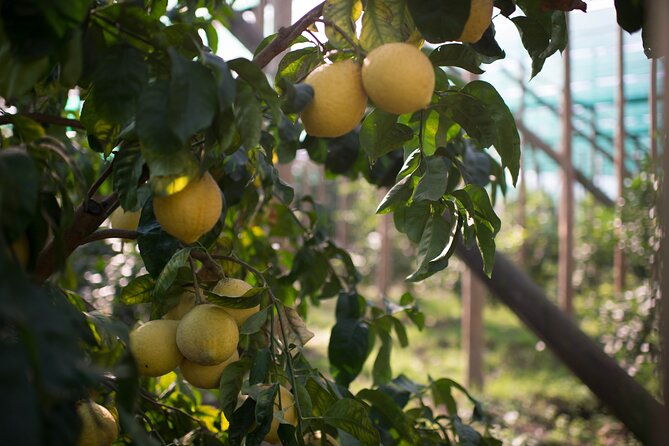
At $59.29 per person for about 1 hour 15 minutes, you’re paying for more than a drink. You’re paying for a guided walk through an exclusive grove, the cultivation explanation, and a terrace tasting with multiple items, including homemade limoncello.
For me, the value comes from three areas:
1) You get context—how lemons are grown and what makes these varieties part of the tradition.
2) You get quality tasting—multiple products rather than one quick sample.
3) You get a real takeaway—the Old grandma’s limoncello recipe.
The price is also easier to accept because the group size is capped at 20. Small groups tend to mean more interaction and fewer “watch the guide from far away” moments.
If your schedule is packed, remember the tour is designed as an afternoon-friendly block. Plan it when you still have energy for a walk and the appetite for sweets and alcohol.
Small-group tours in this area: what to expect in real life
This activity has a maximum of 20 travelers, and that limit matters. Smaller groups tend to keep the pacing comfortable and make it easier to ask questions. If it’s just a couple in your group, it can feel almost private, which one guest described as a great surprise.
You’ll also be near public transportation, which helps if you’re staying around Positano or moving in and out of the area. The meeting point is fixed, and the tour returns you there at the end, so you won’t get stuck wondering where you’ll end up.
Service animals are allowed, which is good to know for anyone traveling with a companion animal.
Practical tips to make your lemon tour better
You don’t need special gear, but a few small choices make the experience smoother.
- Wear comfortable shoes for orchard paths.
- Bring sunglasses or a hat, since the sea terrace can get bright.
- If you have dietary needs, mention them before you go so they can plan the bread and tasting details.
- Bring your best appetite. The tasting is a feature, not an add-on.
And go in with the right mindset. This is a guided experience built around understanding citrus as a tradition. If you treat it like a quick snack stop, you’ll miss half the value.
Should you book this Sorrento lemon experience?
Book it if you want a short, guided orchard experience with real substance: cultivation technique, lemon variety names you’ll remember, and a sea-view tasting that includes bread, marmalade, lemonade, and homemade limoncello. The Old grandma’s limoncello recipe is a standout souvenir that turns the day into something you can repeat at home.
Skip it if you’re only looking for a quick photo moment with no interest in how lemons are grown. Also, if your plans are weather-sensitive, remember the tour requires good conditions, so keep flexibility in your schedule.
If you like thoughtful tours—good pacing, small groups, and a strong ending—this one is an easy “yes” for a lemon-and-sea afternoon in the Sorrento area.
FAQ
How long is the guided Sorrento lemon tour?
The tour is about 1 hour 15 minutes.
Where does the tour start and where does it end?
It starts at Viale dei Pini, 31, 80065 Sant’Agnello NA, Italy and ends back at the meeting point.
What is included in the tasting?
The tasting includes bread and marmalade of oranges and lemons, fresh lemonade, and homemade limoncello.
Will I receive anything to take home?
Yes. You’re given the Old grandma’s limoncello recipe at the end of the tour.
What lemon varieties will I see during the walk?
You’ll walk among different varieties of centuries-old lemon trees, including Ovale di Sorrento, Sfusato di Amalfi, and cedar.
How big is the group?
The tour has a maximum of 20 travelers.
Is the experience suitable for most people?
The activity states that most travelers can participate.
What if I have a food allergy?
The tour includes bread as part of the tasting, and one guest reported gluten-free bread was provided due to a food allergy. It’s smart to alert the provider in advance.
Does the tour run in bad weather?
The experience requires good weather. If canceled due to poor weather, you’ll be offered a different date or a full refund.
What ticket do I use to join?
You receive a mobile ticket. Confirmation is received at the time of booking.