REVIEW · POSITANO
Positano: Small-group Cooking Class at a Local’s Home
Book on GetYourGuide →Operated by Cesarine · Bookable on GetYourGuide
Cooking in a local home changes everything. This Positano class is built around 3 recipes and a real home-cook teacher, not a demo kitchen. You’ll make an appetizer, a pasta dish, and a dessert from scratch, with all ingredients and tools ready at your station.
I especially like the small-group setup (up to 10), because you can ask questions and actually follow along at a normal pace. I also love that the meal isn’t separate from the lesson—you taste everything you cook, paired with a selection of local red and white wines. One thing to consider: the address is shared only after booking for privacy, and you may need to plan for a short commute if your host’s home is outside central Positano.
If you’re coming for authentic Italian cooking—plus a family-style chat at the table—this is a seriously strong use of your time in Campania.
In This Review
- Key things to know before you book
- A Home Kitchen Where Campania Flavors Make Sense
- The 3-Recipe Lesson Plan: Starter, Fresh Pasta, Dessert
- The appetizer: seasonal starter, shared table energy
- The pasta dish: the regional fresh pasta focus
- The dessert: a typical local sweet
- What you don’t have to worry about
- What Really Makes It Feel Like Italy: The Host and the Family Stories
- The Tasting Table: Eat What You Cook, With Local Wine
- Small Group, Real Questions: Up to 10 Participants
- Price and Value: What $243.56 Buys You Here
- Getting There: Address Privacy and the Priano Question
- Languages, Food Preferences, and What to Tell the Host
- Who This Cooking Class Is Best For (And Who It Isn’t)
- Should You Book This Positano Cooking Class?
Key things to know before you book
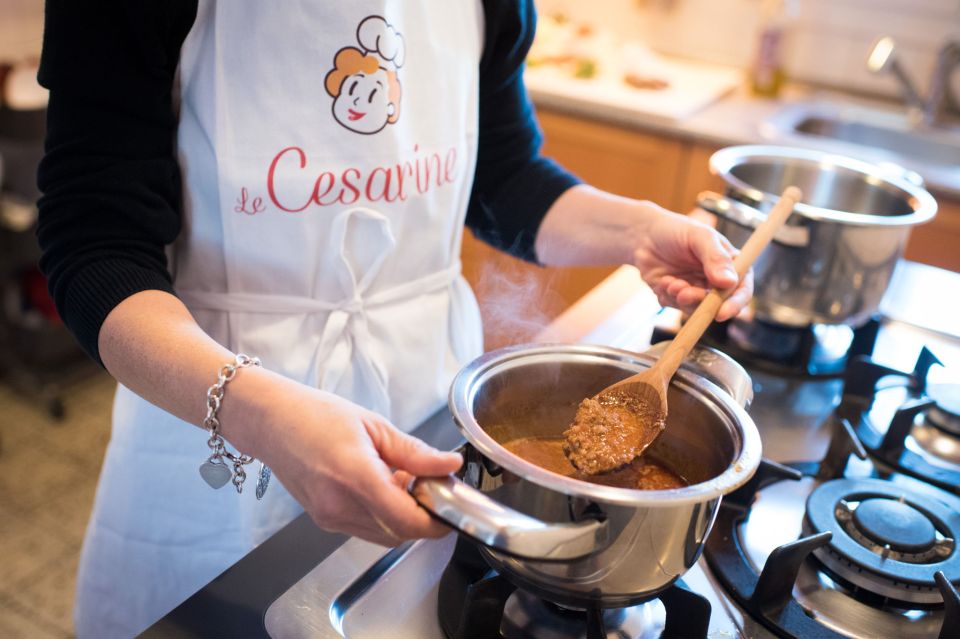
- 3 full recipes from scratch: a starter, a regional fresh pasta, and a typical dessert you’ll taste at the end
- Up to 10 people: small enough for real questions, big enough to feel lively
- A home-cook teaching style: practical “how we do it” habits, shared with a host who opens their family space
- Wine pairing is part of the experience: red and white local wine plus water and coffee
- You’ll get the full address after booking: helpful for privacy, but plan transport timing accordingly
A Home Kitchen Where Campania Flavors Make Sense

Positano is famous for pretty views, but food here is the point. This class puts you inside the Campania mindset—seasonal ingredients, regional pasta habits, and desserts that feel like someone’s grandmother used to make them (because that’s the idea). You’re not just watching; you’re cooking in the host’s home with everything set up for you.
I like that this is taught in a shared format. With a small group, you’ll get enough attention to understand what you’re doing, yet it still feels social as the table fills with your dishes and conversation. It’s also taught by a host/instructor speaking Italian and English, which matters if your Italian is rusty and you still want to understand the “why” behind the technique.
The overall rhythm is simple: cook together, eat together, and learn from a home cook’s “this is how we do it” tricks.
You can also read our reviews of more cooking classes in Positano

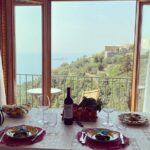
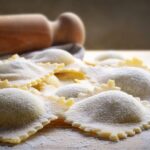
The 3-Recipe Lesson Plan: Starter, Fresh Pasta, Dessert
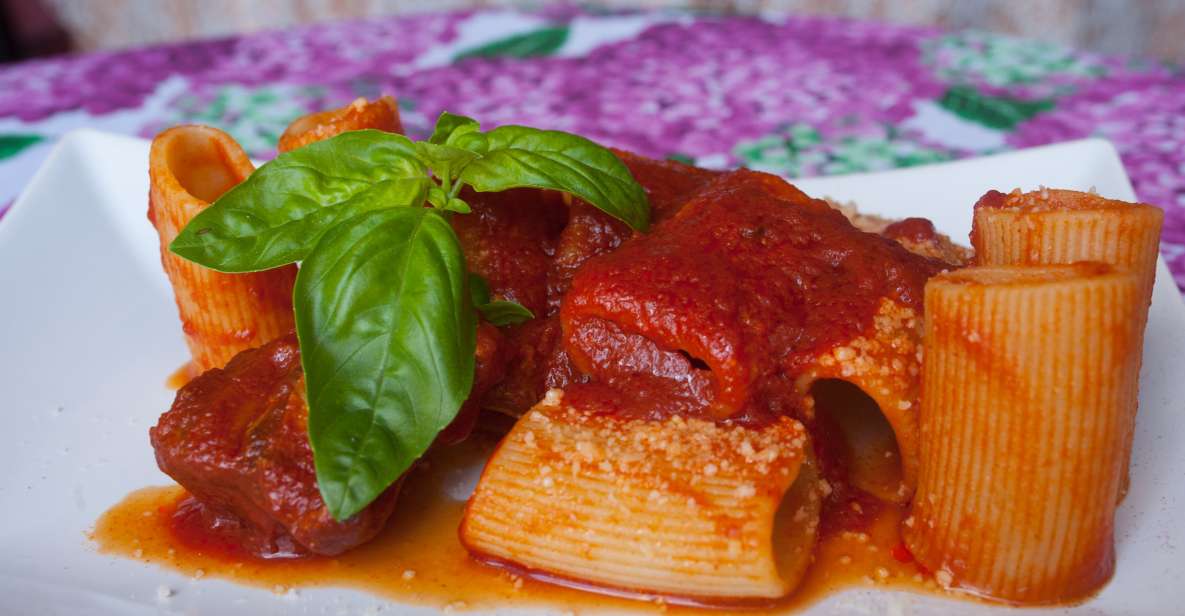
Your class is built around three recipes, and that structure is exactly what makes it useful. You get practice with different styles of Italian cooking—something lighter to start, something hands-on in the middle, and something sweet to close.
The appetizer: seasonal starter, shared table energy
You’ll begin with a starter that uses seasonal ingredients. Even without knowing the exact dish in advance, the value is predictable: you’ll learn how Italians think about “first course” flavors—how they keep it fresh, balanced, and not overly heavy. This phase is also where you get comfortable with your workstation and the host’s pace.
The pasta dish: the regional fresh pasta focus
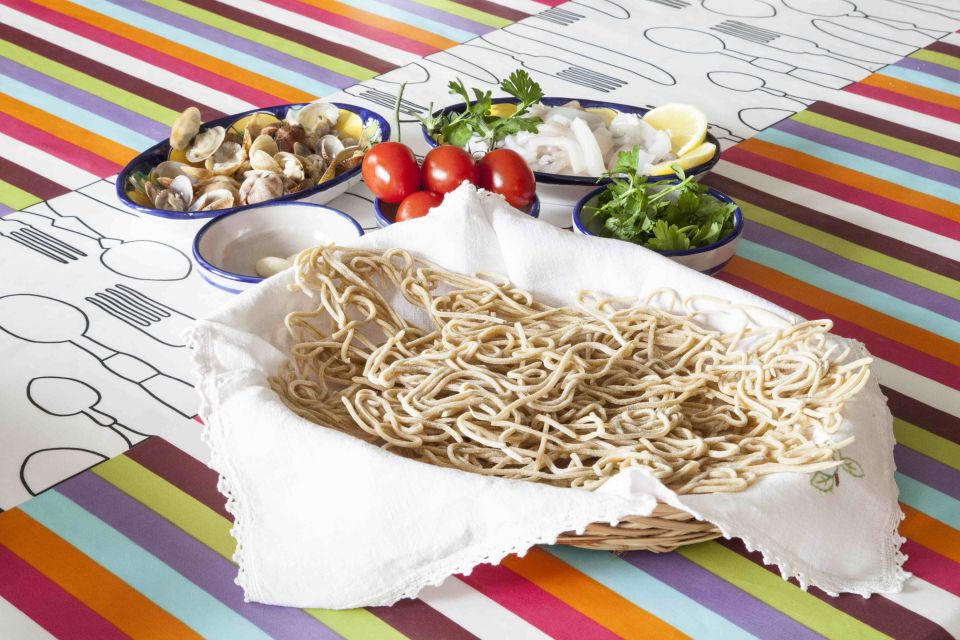
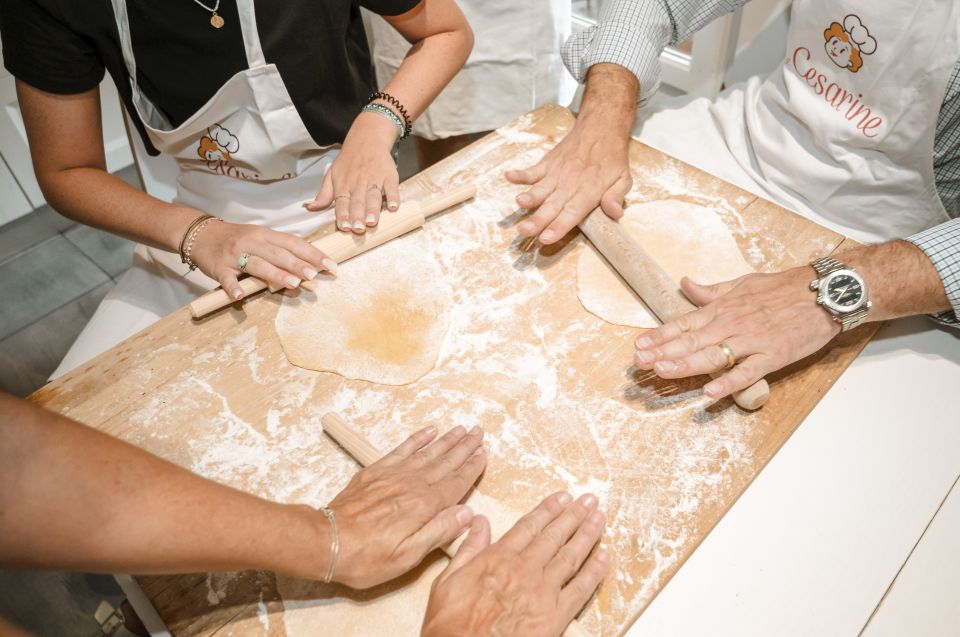
Next comes the pasta course—fresh pasta from the region. This is usually the part people remember, because fresh pasta isn’t just assembly. You’ll be working at your own station with utensils and ingredients provided, so you can follow along instead of scrambling for tools or translating a cookbook. The real win here is understanding how the recipe fits the region’s style, not how to reproduce a famous restaurant plate.
The dessert: a typical local sweet
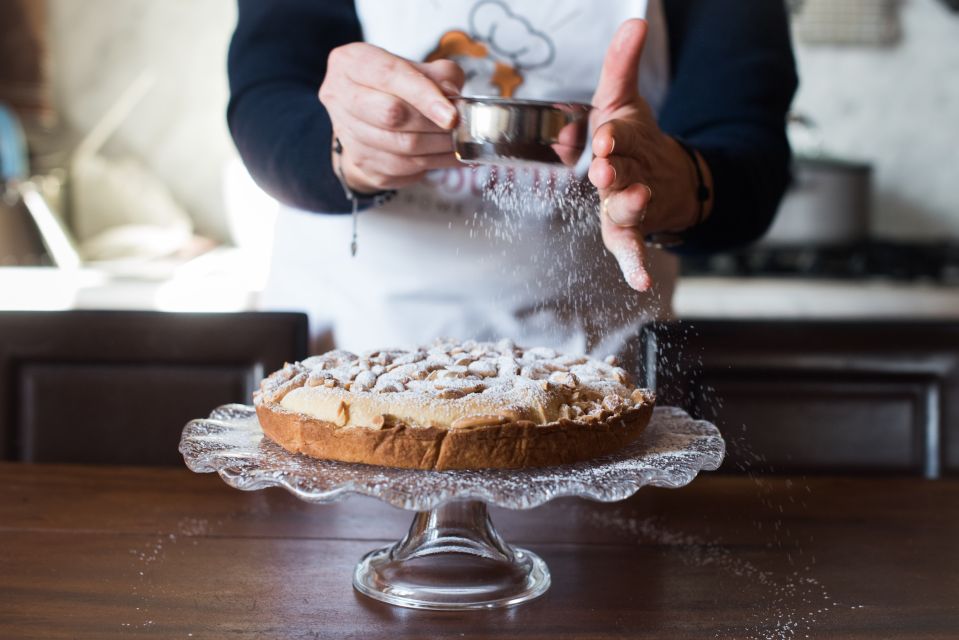
Finally, you’ll make a typical dessert that rounds out the meal like it belongs in a family kitchen. Dessert lessons are often the difference between a fun evening and a lasting skill. You’ll leave knowing at least one Campanian-style sweet you can make again later.
You can also read our reviews of more tours and experiences in Positano



What you don’t have to worry about
Because the class provides the ingredients and tools for the dishes, you’re not spending the lesson hunting, buying, or improvising. It’s also designed around the group sharing the work, so you get both guidance and participation.
What Really Makes It Feel Like Italy: The Host and the Family Stories
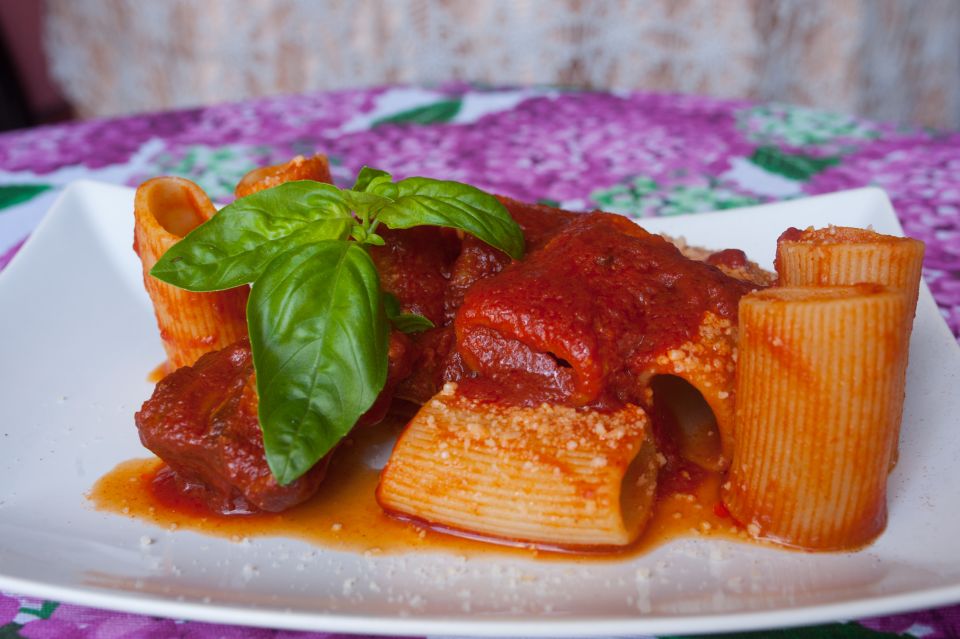
This experience is part of Cesarine, Italy’s long-running network of home cooks. That matters because the teaching style is personal. Your host serves local specialties from family cookbooks to explain the story behind the regional cuisine. In other words, you’re not just learning steps—you’re learning context.
That context turns recipes into something you can actually remember. A pasta technique makes more sense when you hear where it came from and what it’s usually served with. A dessert instruction lands better when it’s tied to how it shows up at family gatherings.
Some hosts bring their personality to the room in a way that makes the evening feel easy. For example, hosts such as Carla and Rocco have been noted for a great dynamic, including Rocco’s dry humor. Another instructor, Chef Antonio, is described as a strong teacher whose meal and setting made people slow down and enjoy the moment.
Even if your host’s style differs, the goal is consistent: you’re welcomed into a local home—not herded through a rigid program.
The Tasting Table: Eat What You Cook, With Local Wine
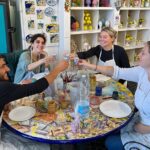
The best part of cooking classes can also be the hardest: tasting. Here, the design is clear—you taste everything you prepare, paired with a selection of red and white local wines, plus water and coffee.
That means you’ll taste the dishes while the experience is still fresh in your brain. You can immediately connect flavor to technique. If something needed a bit more balance or the texture took a certain shape, you’ll notice it because you made it.
And yes, wine is part of the story. In many Italian meals, wine isn’t a separate activity. It’s simply part of how the table gets going. If you’re comfortable with wine, this pairing is an enjoyable bonus. If you don’t drink much, you’ll still have water and coffee, and you can focus on the food.
Small Group, Real Questions: Up to 10 Participants
Cesarine caps the group size at 10 participants. That’s not a small trivia detail—it changes your experience.
In a larger group, you can end up standing at the edge, watching someone else’s pot. In a 10-person setup, you’re more likely to:
- understand the instructions as they’re happening
- get help if you miss a step
- share conversation while you wait for components to cook
The class is also 3 hours long, which is long enough to actually finish three dishes and sit down to eat. It’s not a “quick demo” format.
Price and Value: What $243.56 Buys You Here
At $243.56 per person, this isn’t a budget activity. The best way to judge value is to look at what’s included and what you’re getting that money alone can’t buy.
You’re paying for:
- the shared cooking class itself
- local taxes
- ingredients and utensils provided for the dishes
- a tasting of the 3 recipes you make
- beverages: water, wines, and coffee
In a high-rent, high-demand place like Positano, the home-based instruction and full tasting meal are a big part of why the price lands where it does. If you’ve only been eating in restaurants, you’re also paying for something different: skills and a meal you can recreate later.
If you’re traveling with good appetite and you want more than a one-hour tour, this tends to feel like a fair trade. If you’re not interested in cooking or wine pairing, you might want to compare it to a meal out plus a food-focused walk.
Getting There: Address Privacy and the Priano Question
This is a home class, so for privacy reasons, you don’t get the full address until after booking. That’s normal for this format, but it affects logistics.
Here’s how to plan smarter:
- Confirm your host details once you receive them, so you don’t guess and arrive late.
- Think about transport ahead of time. The class ends back at the meeting point, but you still need to reach your host’s home smoothly.
- Be prepared for the possibility that the home might be outside central Positano. One class has been described as being in Priano even when advertised for Positano, so plan a little buffer for commuting.
If you’re staying nearby and you’re comfortable with local transport, this is usually manageable. If you’re tight on mobility, it’s better to check how you’ll get there before you lock it in.
Also, note it’s not suitable for wheelchair users, so plan for accessibility needs accordingly.
Languages, Food Preferences, and What to Tell the Host
The instructor is listed as speaking Italian and English, which is great if you want explanations you can actually follow.
You’ll also be asked for important information to match you with the right home cook, including:
- any food intolerance or allergy
- the neighbourhood you’re staying in
- how you plan to travel to the host home
This is worth taking seriously. Home kitchens run on specific ingredients, and the point of the matchmaking is to keep the class comfortable and safe for you. If you have dietary needs, share them early so your host can adapt the menu where possible.
Who This Cooking Class Is Best For (And Who It Isn’t)
This class fits you if you want:
- hands-on cooking in a local home, not a formal restaurant kitchen
- a meal that includes starter + fresh pasta + dessert
- small-group interaction and a host who shares regional stories
- wine pairing as part of a full dining experience
It’s less ideal if:
- you need wheelchair accessibility
- you hate the idea of commuting or uncertainty around exact location until after booking
- you’re only looking for passive sightseeing
If you’re the type of traveler who remembers a place by what you ate and what you learned, this is a strong match.
Should You Book This Positano Cooking Class?
I’d book it if your priorities are authentic home cooking, a structured lesson with three recipe wins, and a real sit-down tasting with wine. The value improves if you’ll use the whole 3-hour experience—cooking, learning, and then enjoying what you made at the table.
I’d hesitate only if logistics stress you out (address only after booking, possible short commute such as Priano) or if you don’t want to participate in cooking at all. If you’re comfortable planning transport and you want skills you can repeat later, this is the kind of activity that makes Positano feel personal instead of just scenic.