REVIEW · SORRENTO
Sorrento: Pompeii & Herculaneum Tour with Skip-the-Line
Book on GetYourGuide →Operated by TUI Italia · Bookable on GetYourGuide
Two Roman towns, one volcanic story. From Sorrento, you get skip-the-line entry and a guided walk through Herculaneum’s preserved streets and rooms. It’s the kind of day that makes 2,000-year-old daily life feel oddly close.
I like the contrast built into the route: Herculaneum feels like time paused under volcanic mud, while Pompeii shows the bigger-city scale of ancient Rome. You’ll also enjoy the visual payoff, including Mount Vesuvius views, plus mosaics and frescoes that are still startling to see.
One thing to plan for: it’s a full 8-hour day with lots of uneven walking, heat, and stairs. If you’re even a little unsure of your walking comfort, bring comfy shoes and water.
In This Review
- Key highlights worth knowing
- Sorrento departure: how the day starts and keeps moving
- Herculaneum’s mud-preserved streets and the House of the Argus
- Public baths, mosaics, frescoes, and the carbonized marital bed
- Pompeii’s Forum, temples, and theaters: the big-city sweep
- What the guide actually adds (names to watch for)
- Lunch, heat, and walking tips for a long Vesuvius day
- Skip-the-line tickets and timing: where the value comes from
- Who this tour suits best (and who might want a different plan)
- Should you book the Sorrento Pompeii & Herculaneum tour?
Key highlights worth knowing
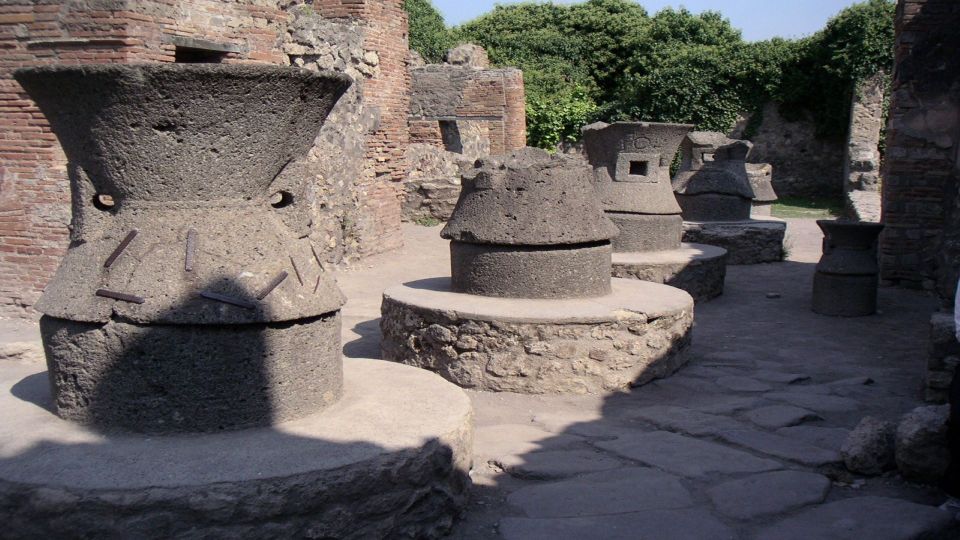
- Herculaneum’s preservation: walk streets that look close to how they did after the eruption.
- House of the Argus courtyard: a dramatic scale lesson when you compare ruins to nearby modern buildings.
- Public baths + frescoes: rooms decorated in everyday Roman style.
- Pompeii’s major sights: stone-paved streets plus stops around the Forum and theaters.
- Skip-the-line timing: less waiting so you start seeing ruins sooner.
- Lunch that fuels the day: often a multi-course meal, not just a snack.
Sorrento departure: how the day starts and keeps moving
This is a classic long-day combo: you leave Sorrento in the morning and return to the same meeting point afterward. The meeting is at 08:30 at the Achille Lauro parking area, opposite Europa palace hotel, with the tour operating as a roughly 9:00 departure day.
Once you’re on the road, you’ll head toward Naples and then continue to Herculaneum. This matters because Herculaneum is the easier site to start with: it’s smaller, more intact in feel, and it sets the emotional baseline for Pompeii. By the time you reach Pompeii, you’ll already understand what volcanic burial did to buildings, streets, and objects.
The vibe is bus-and-walk. You’ll likely be traveling with a group, moving in clusters with a guide directing your timing. That can feel smooth when everyone checks in on time—and a bit stressful when people show up late. My practical advice: arrive early, even if you think you’re being “on time.” At this location, coaches can come and go, and signage may not be obvious.
You can also read our reviews of more tours and experiences in Sorrento

Herculaneum’s mud-preserved streets and the House of the Argus
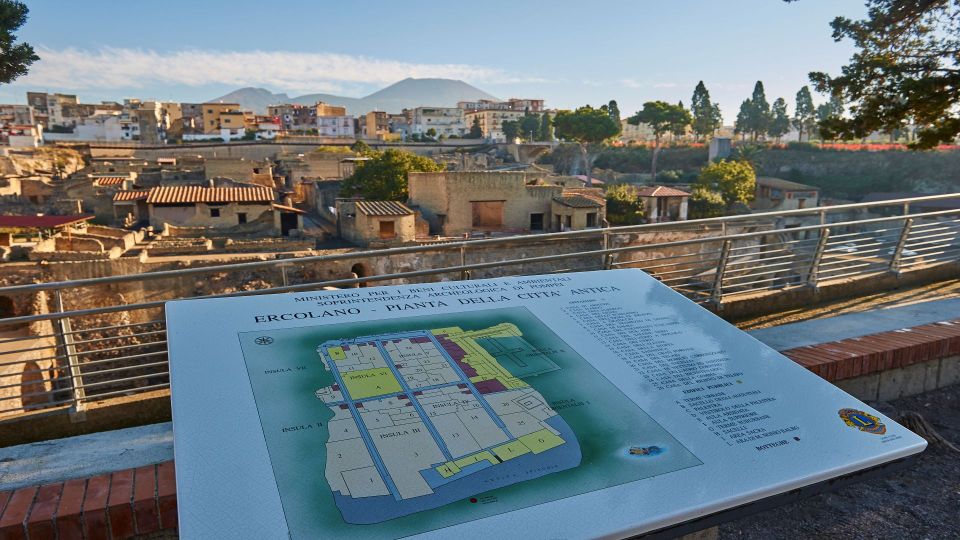
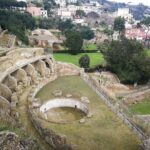
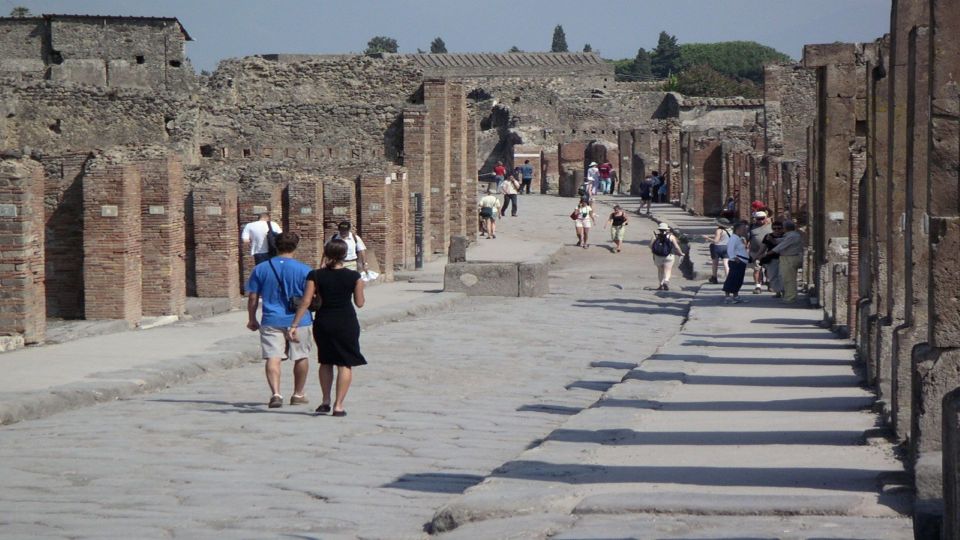
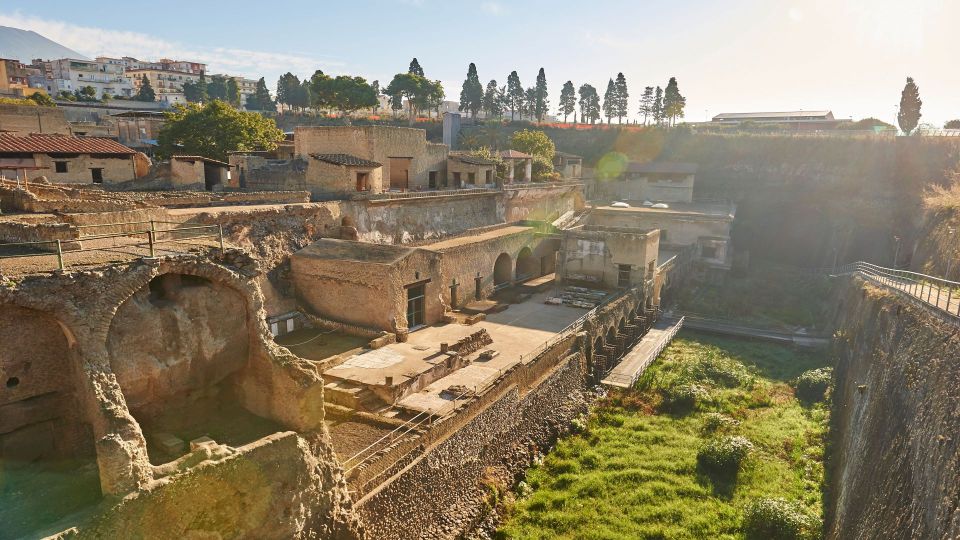
Herculaneum is the reason this tour works. Roman homes and public spaces were buried by Vesuvius-related volcanic material in 79 AD, and what survived is unusually well preserved. The experience isn’t just ruins in theory—it’s streets, building sections, and objects you can mentally place into daily routines.
After arrival, you get a 1-hour guided tour focused on the most memorable elements. You’ll walk through areas where you can see how buildings were constructed, including original timbers and clay pots stored as they were at the time of the eruption.
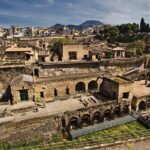
One of the standouts is the courtyard of the House of the Argus. In person, it’s easy to miss the scale until you notice the contrast between the excavated space and the modern structures around it. That juxtaposition makes the ancient city feel real, not like a museum set.
You’ll also get a sense of what people actually lived with: entryways, rooms, and the way public space and private space blended. The streets can feel almost navigable in a way Pompeii doesn’t, largely because the site’s condition lets you picture movement and routine more clearly.
Public baths, mosaics, frescoes, and the carbonized marital bed
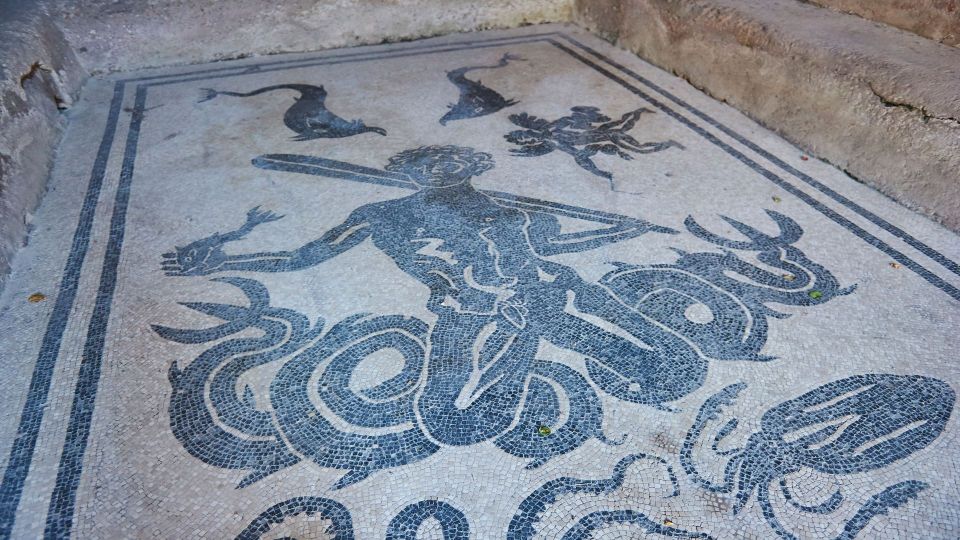
Herculaneum’s public areas are a big reason the site earns so many superlatives. The tour includes the public baths, where preserved decorative elements—especially frescoes and mosaics—help you understand Roman taste beyond the big-picture story.
This is also where the site gets slightly surreal in a good way. You’ll see the house of carbonized furniture, where an almost intact marital bed still remains. It’s a striking detail because it’s not abstract. It’s a piece of domestic life, frozen by catastrophe, preserved enough to give you a strong sense of what a household included.
During the guided time, don’t rush past the smaller artifacts. The best part of Herculaneum isn’t only the dramatic rooms—it’s the “this is how it was used” feeling. The guide should help you connect decoration and function. If your guide is the excellent type (the kind you’ve heard names like Fabian, Fabio, or Desiree on), you’ll get explanations that keep the buildings from turning into random walls.
At the end of the Herculaneum portion, you’ll get some free time for coffee before heading to Pompeii. That break is valuable. Even if you’re not hungry, you’ll want a reset so the later walking doesn’t feel endless.
Pompeii’s Forum, temples, and theaters: the big-city sweep
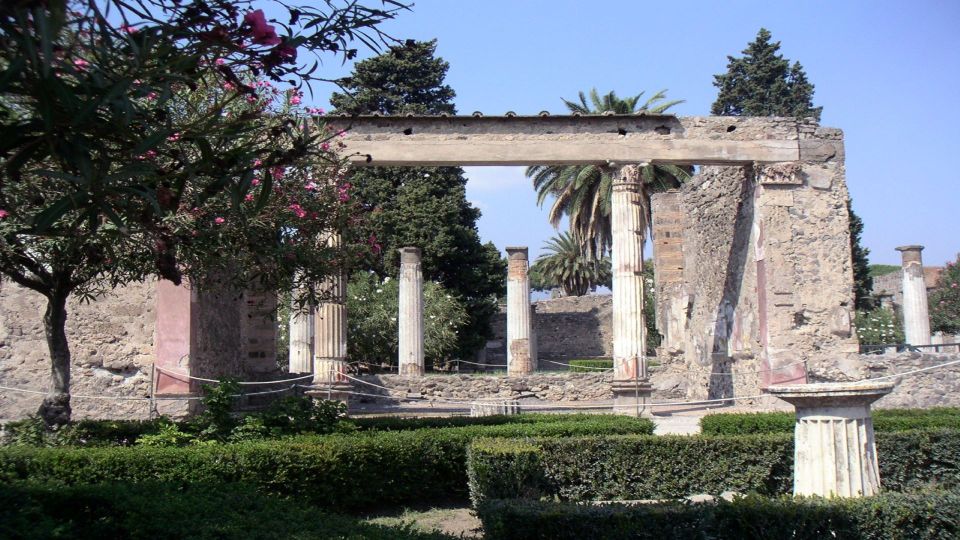
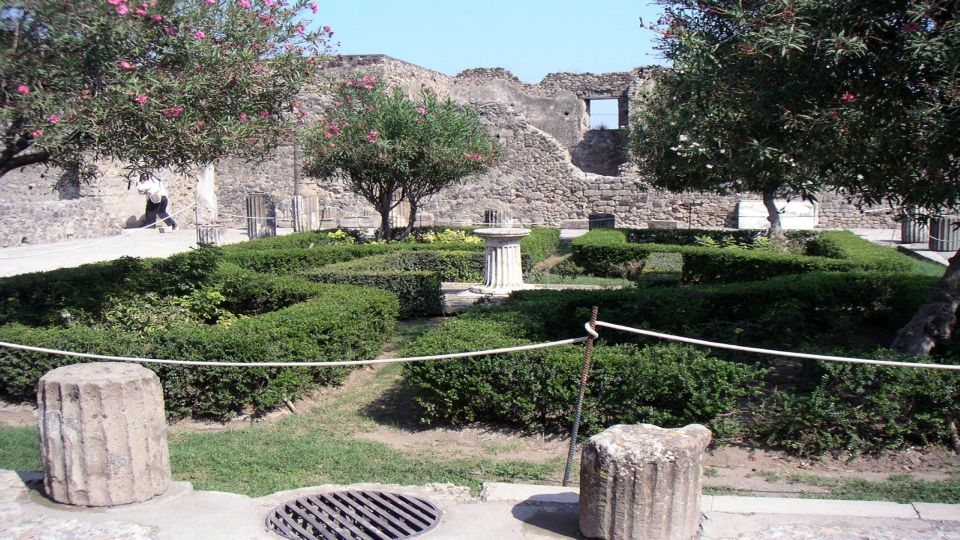
Pompeii is where the scale hits. Compared to Herculaneum, it feels more like a true city: longer streets, more visible public architecture, and more to look at. The tour time is limited, so the guide focuses on major zones that teach the “how did it function?” story.
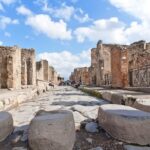
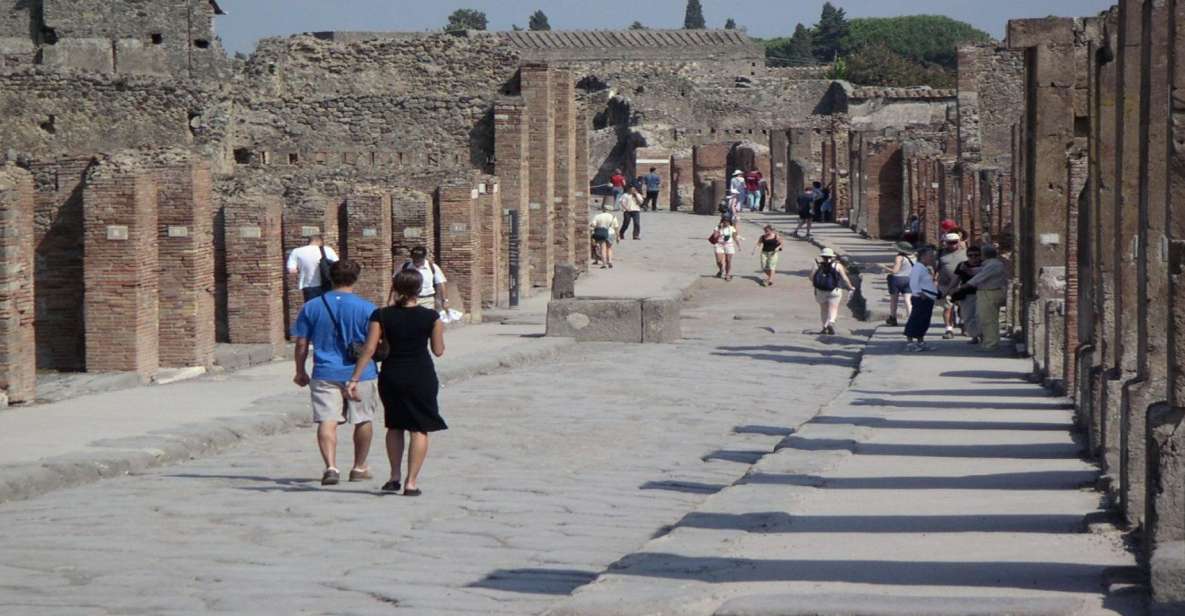
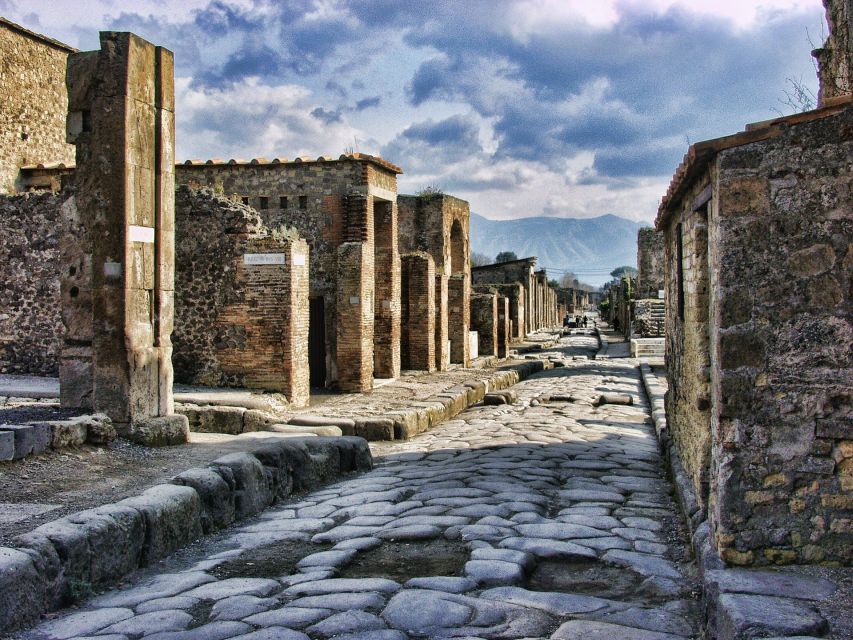
You’ll explore Pompeii with your guide through stone-paved streets and through key areas such as houses, temples, the Forum, and theaters. These are the kind of stops that help you read Pompeii like a map. If you only wander without a framework, you can end up seeing beautiful parts but missing the meaning of why they were built where they were.
This is also one reason a guide matters here. Skip-the-line gets you into the site faster, but the “why that mattered” comes from the tour narration. When a guide is strong and organized, you’ll leave Pompeii feeling like you understood what you saw instead of simply collecting images.
Practical note: Pompeii is famous for being busy. Even on a good day, you can lose time behind slow-moving crowds. That’s exactly why skip-the-line is more than a convenience—it’s part of protecting your actual sightseeing time. Also, wear shoes that can handle uneven surfaces. Pompeii will test them.
Some tours give ear pieces at Pompeii so you don’t lose the guide. You might see this on your day, and if you do, use it. Keep the device on so you don’t spend your time searching for where the group went.
What the guide actually adds (names to watch for)
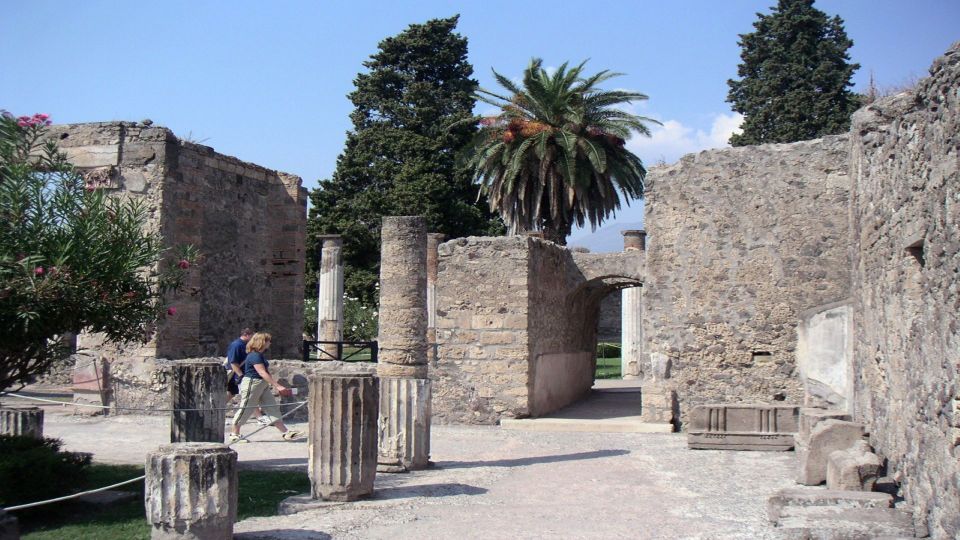
This is a guided tour for a reason. Pompeii and Herculaneum aren’t “read it on your phone” sites. The best experience happens when someone connects the objects and buildings to Roman life.
Across reported guide performances, the praise is consistent: people highlight guides who stay organized, keep timing under control, and explain what people did in Roman towns. Names that come up include Fabian, Fabio, Desiree, Raf, Tony, Annalisa, Menna, Karmine, and Genato. If you’re lucky enough to get one of these styles of guides, you’ll likely get a smoother, more satisfying day.
Here’s what a great guide does at these ruins:
- Points out what to notice first, so you don’t get lost.
- Explains how Roman spaces worked (public baths, theaters, the Forum).
- Keeps the group together so you don’t miss the key indoor stops.
- Keeps the story going even when it’s hot and the day is long.
But I’ll be honest: pacing can feel tight. Pompeii is huge, and on a single-day plan you’ll cover highlights, not everything. That can be perfect if you want orientation and wow-factor. If you’re deeply into Pompeii specifically, you may later wish you had more time there.
- Sorrento Farm and Food Experience including Olive Oil, Limoncello, Wine tasting
★ 5.0 · 2,524 reviews






Lunch, heat, and walking tips for a long Vesuvius day
You’ll be on your feet for much of the day, and the tour includes light lunch. In practice, the meal has been described as more substantial than you might expect—often a multi-course lunch, and sometimes with a glass of wine included. The key point for your comfort is that lunch gives you a real pause, not just a quick bite.
It also helps that some buses and lunch settings are described as air-conditioned, which matters in warm weather. Even with A/C, the sites can feel hot because you’re outside on paved paths and in open courtyards.
So here’s your simple packing plan:
- Comfy shoes for uneven stone and long stretches
- Water, because the day is long and the walking adds up
- Sun protection (hat/sunglasses/sunscreen), since Pompeii areas can be exposed
If you’re the type who gets tired halfway through museum days, plan to use your coffee break wisely. That short reset after Herculaneum can make Pompeii feel more enjoyable instead of rushed.
Skip-the-line tickets and timing: where the value comes from
Let’s talk value, because $168.79 per person can sound steep until you break down what’s included. Your ticket price covers:
- Entrance fees to both Pompeii and Herculaneum
- A local English-speaking guide
- A light lunch
- Skip-the-line entry
Add those pieces up and the price starts to look less like “just transportation” and more like “time + expertise + access.” Skip-the-line doesn’t eliminate all lines, but it reduces one of the biggest day-killers at busy archaeological sites.
Timing is also part of value. With an organized schedule, you get meaningful guided time in Herculaneum’s most important rooms and then a guided route through Pompeii’s essentials. When the day runs on time, it feels efficient. When the group loses time at pickup or meeting, the whole day tightens.
So the best way to protect your investment is simple: show up early at the stated meeting spot and double-check your exact pickup time details. Some people report confusion about ticket times and multiple time stamps. You don’t need to panic—just be ready to confirm the meeting instructions before you board.
Who this tour suits best (and who might want a different plan)
This tour is ideal for you if:
- You want a first solid look at Pompeii and Herculaneum in one day.
- You prefer guided interpretation over wandering on your own.
- You want skip-the-line help so you spend more time in the sites.
- You like seeing big differences: preserved Herculaneum versus larger Pompeii.
It’s also a great fit if you’re traveling from Sorrento and you don’t want the hassle of coordinating separate tickets and transport on your own.
You might consider a different plan if:
- You hate long, active days and don’t handle heat or uneven surfaces well.
- You’re a Pompeii specialist who wants deeper time in Pompeii itself.
- You want lots of free time inside each site, because this format is structured and fairly fast.
A helpful way to think about it: this tour gives you a strong overview and a high emotional impact. If it leaves you wanting more of one site, that’s not a failure—it’s a sign you found the right topic to return to.
Should you book the Sorrento Pompeii & Herculaneum tour?
I’d book it if you want the best “two cities, one volcanic story” experience without logistical headaches. Herculaneum is the main emotional hook, and the guide-led stops—timbers, clay pots, bath rooms, and that carbonized bed—make the site feel immediate. Then Pompeii provides the scale and drama, with guided stops at major areas like the Forum and theaters.
If you’re deciding between doing one site or both, this tour is the one-day answer. It’s also good value when you factor in skip-the-line access, entry fees for both sites, and lunch. The only real caution is the day length and walking. If you go prepared—shoes, water, and patience with crowds—you’ll have a genuinely memorable day.
Book it when you want a guided highlight reel that still feels human and real. Pass if you want lots of solo time, or if long walking days are a no-go for you.
You Might Also Enjoy


More Skip the Line in Sorrento
More Tours in Sorrento


More Tour Reviews in Sorrento
- Sorrento Farm and Food Experience including Olive Oil, Limoncello, Wine tasting
★ 5.0 · 2,524 reviews