REVIEW · POMPEII ARCHAEOLOGICAL SITE
Pompeii: Skip-the-Line Tour for Kids and Families
Book on GetYourGuide →Operated by Kids Raphael Tours And Events · Bookable on GetYourGuide
Pompeii turns into a kids game. This family tour uses interactive learning tools and skip-the-line tickets so the ancient city feels accessible, not like a classroom. You’ll follow an English-speaking guide into temples, restaurants, baths, and homes while the story of Vesuvius (79 AD) stays front and center, even for younger visitors.
I also like the way the guiding style stays tuned to real children’s attention spans, from competitive trivia to hands-on moments. Just keep one thing in mind: Pompeii is uneven, involves steps, and this experience is not suitable for wheelchair users or people with mobility impairments.
In This Review
- Key Highlights You’ll Feel Immediately
- Pompeii Without the Lecture Vibe: Built for Families
- The Tour’s Secret Weapon: Interactive Activities That Keep Kids Engaged
- Skip the Lines: What Reserved Entrance Actually Means for Your Time
- Pompeii Stops That Feel Like Real Life (Not Just Rock Walls)
- The theater steps and the civic rhythm of the town
- Fountains that connect to daily habits
- Restaurants and thresholds where life really happened
- Temples, baths, and homes: how a city organized belief, hygiene, and comfort
- Cobblestones, sensory impressions, and the feeling of a living street
- The Story Behind the Ash: Vesuvius and the Ruins’ Long Afterlife
- Timing and Meeting Points: How the 2 Hours Usually Works
- What to Bring (and What to Leave Behind)
- Is This Worth Your Money? The Value Math for Families
- Who Should Book This Pompeii Kid-Friendly Tour?
- Should You Book This Pompeii Tour?
- FAQ
- FAQ
- How long is the Pompeii skip-the-line tour for kids and families?
- Where do we meet, and where do we get dropped off?
- Does this tour really skip the line at Pompeii?
- What language is the live guide?
- What ages can join?
- What should children bring for the tour?
- Is the tour wheelchair accessible?
- Is Pompeii free on the first Sunday of the month?
Key Highlights You’ll Feel Immediately
- Skip-the-line reserved entrance helps you start exploring faster instead of losing energy in queues.
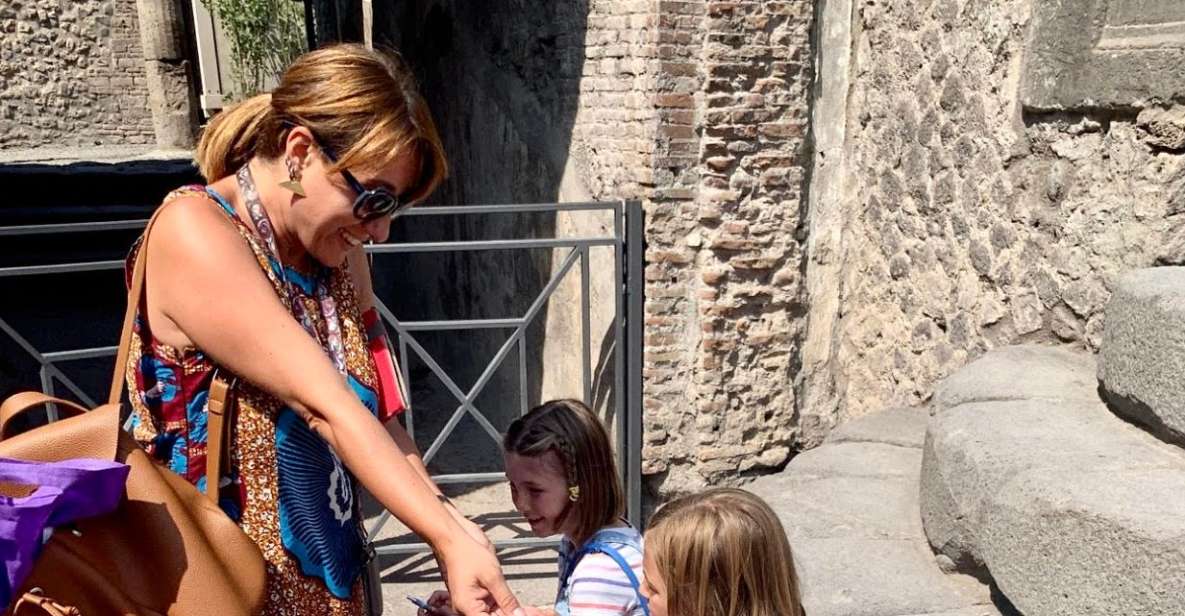
- Kid-focused guiding means your child stays part of the conversation, not just dragged along.
- Interactive tools like pop-up books, iPad games, and trivia help make Roman life click.
- Everyday Pompeii stops include places tied to food, worship, and community life, not just big monuments.
- Classic Pompeii moments you can expect to see: an ancient theater, fountains, and the thresholds of early restaurants.
- Small group format keeps the tour from feeling like a crowd stampede.
Pompeii Without the Lecture Vibe: Built for Families
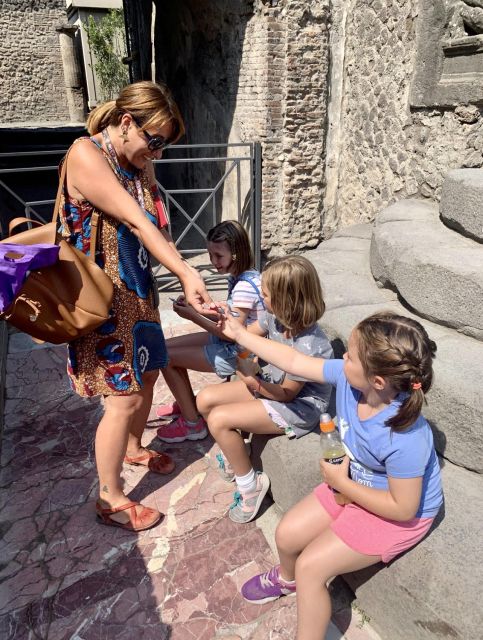
Pompeii is the kind of place that can either wow kids or bore them. The difference is how the story is told. On this tour, you get a guide who frames Pompeii like a daily-life mystery: What did people wear? Where did they eat? What did the streets feel like? Then the eruption of Vesuvius (79 AD) becomes the dramatic twist that explains why so much survived.
You’re not just hearing dates. You’re walking through a town where you can still trace routine—doorways, street crossings, gathering spaces, and household corners. That’s a big reason this works well for families: children can connect the ruins to questions they naturally ask, and the guide has tools to keep those questions moving.
You can also read our reviews of more tours and experiences in Pompeii Archaeological Site

The Tour’s Secret Weapon: Interactive Activities That Keep Kids Engaged
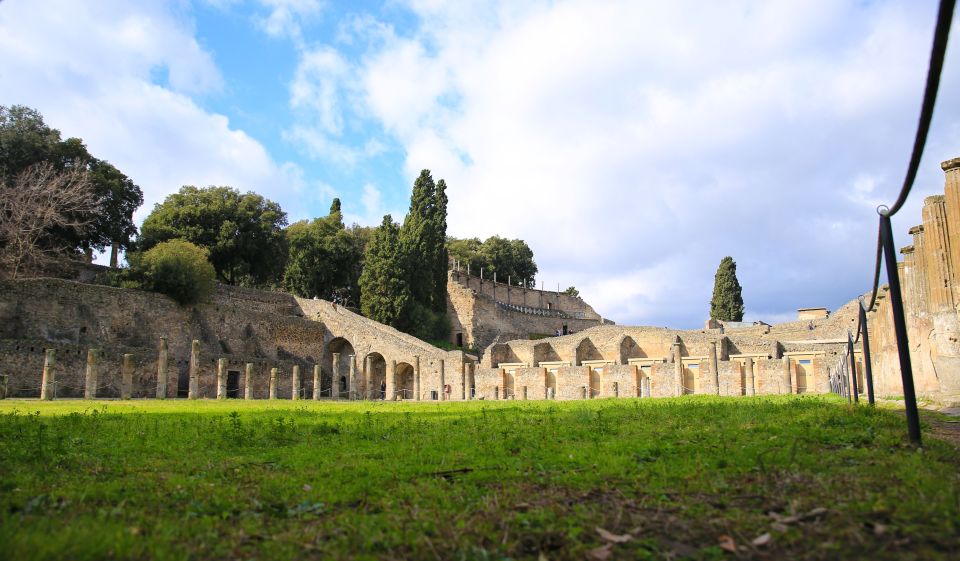
This is not a standard march-and-talk tour. The approach is explicitly designed to avoid the boring history rhythm that makes kids tune out. Expect an English-speaking (and often Italian) live guide who uses visual learning and play-like interaction to turn Pompeii into a puzzle kids can solve.
Here’s what that looks like in practice:
- Pop-up books and visual prompts help children picture buildings and daily scenes.
- iPad games and quizzes give short bursts of attention a job to do.
- Trivia and small challenges encourage listening without turning it into a test.
- The guide uses questions to pull shy kids in, instead of waiting for them to figure it out on their own.
In the real world, guides who have led families include names like Lello, Rafaela, Clelia, Vittoria, Roberta, and Florenza—and the common thread is how well they handle mixed ages. If you’re traveling with a child who needs variety (or who starts off excited and then loses steam), this format is built for that.
One practical bonus: the tour is short—just 2 hours—so the energy stays high. Pompeii is huge, and the ruins don’t care that your child is tired. A tight route with kid-first pacing helps you avoid the classic end-of-day meltdown.
Skip the Lines: What Reserved Entrance Actually Means for Your Time
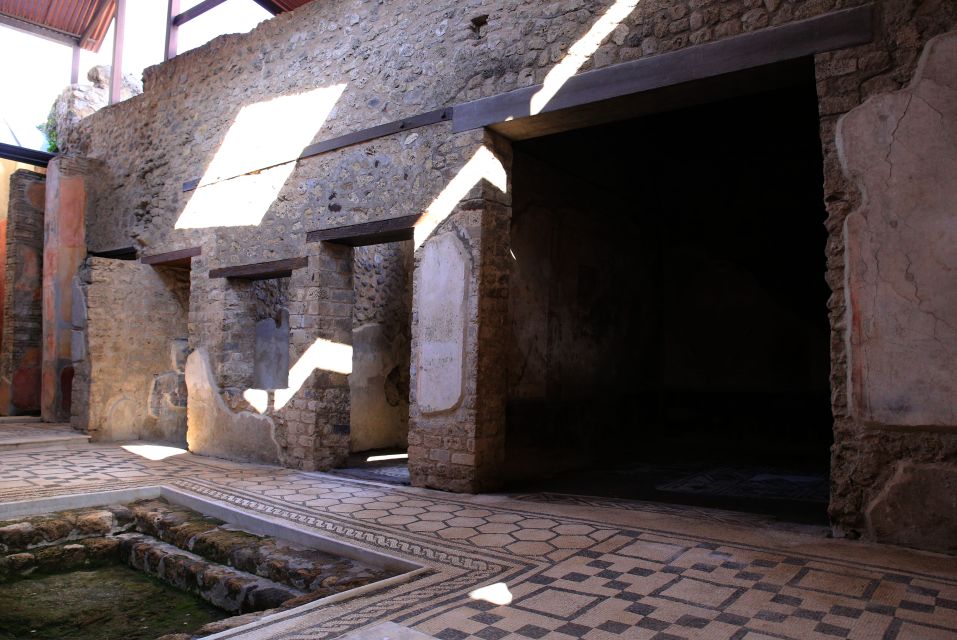
Pompeii gets busy, and crowd pressure is real when you’re with kids. The value here is simple: you’re using skip-the-line entry through a separate entrance with reserved tickets. That matters because it protects the part of your visit that kids care about most—being inside the ruins before patience runs out.
Think about it this way. Kids can handle a lot: heat, walking, noise—if the payoff starts quickly. Reserved entry helps you trade waiting time for exploration time. You get to spend that energy on seeing key places instead of standing around in line logistics.
Also, small-group format helps with flow. You’re less likely to get swallowed by massive tour clusters, which can make it hard for children to stay oriented. Even if the archaeological site is crowded, a smaller group makes it easier to keep your bearings and move together.
Pompeii Stops That Feel Like Real Life (Not Just Rock Walls)
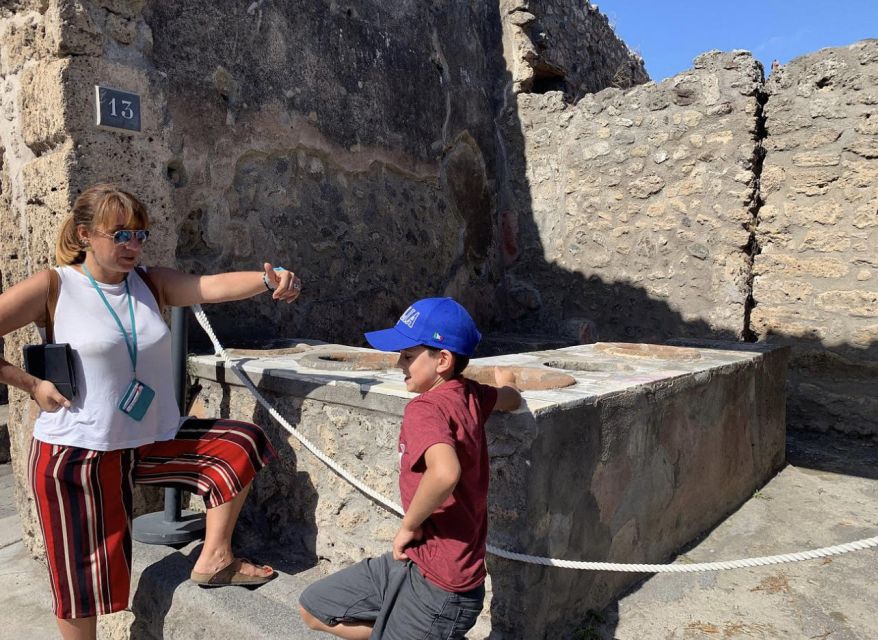
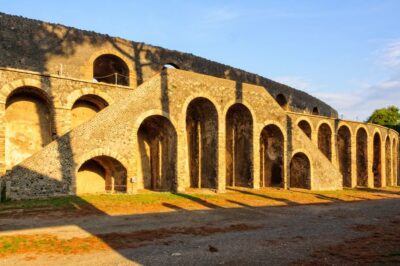
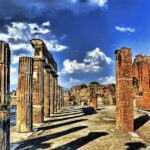
In 2 hours, you won’t see every corner of Pompeii. But you can still hit the stops that explain how a Roman city worked. This tour focuses on everyday locations—where people lived, worshipped, ate, bathed, and gathered.
You can expect moments like these:
The theater steps and the civic rhythm of the town
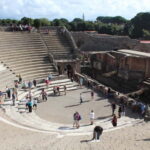
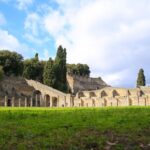
You’ll follow your guide up steps linked to an ancient theater. Even if your child doesn’t care about architecture terms, theaters signal something important: Pompeii wasn’t only houses and markets. It was a social place with public events.


Fountains that connect to daily habits
You may get a chance to drink from original fountains. Whether your child takes the novelty seriously or just enjoys the challenge of doing something hands-on, this kind of moment makes the ruins feel less abstract. It’s also a good reset point during a walk-heavy visit.
Restaurants and thresholds where life really happened
One of the most memorable aspects is moving into areas tied to food culture. You cross the thresholds of early restaurants, which helps explain that eating was social and routine, not just a plot point in a school textbook.
Temples, baths, and homes: how a city organized belief, hygiene, and comfort
The route includes places like temples and thermal baths, plus homes and other well-preserved structures. This is where the tour’s “through a child’s eyes” style pays off. Children often understand ruins best as sets of spaces with jobs: Where did people go to clean? Where did families gather? Where did they feel safe?
Cobblestones, sensory impressions, and the feeling of a living street
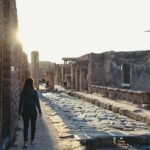
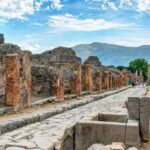
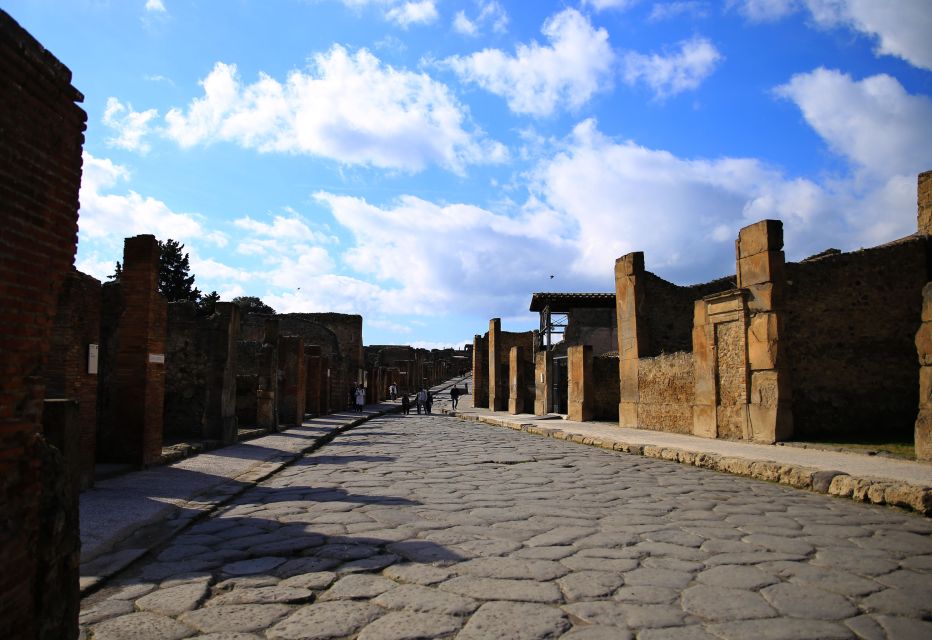
As you walk cobbled streets and pause for viewpoints along the way, Pompeii stops being a list and starts feeling like a place. You’ll notice colors, textures, and details that don’t show up in photos—especially when the guide points out what to look for.
The Story Behind the Ash: Vesuvius and the Ruins’ Long Afterlife
The eruption story is the backbone of any Pompeii visit, but it can land like a history lecture if you’re not careful. Here, the key is how it’s presented: clearly, in child-friendly language, and tied to what you’re seeing right in front of you.
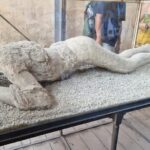
You’ll learn how Vesuvius erupted in 79 AD, burying Pompeii under ash and lava. Then the tour connects the dots to how the ruins were excavated in the 18th century and why the site became a UNESCO World Heritage Site.
That background matters, even for kids. It turns random walls into evidence. And it explains the emotional punch of Pompeii: this wasn’t ancient trivia; it was a thriving community that got interrupted.
Timing and Meeting Points: How the 2 Hours Usually Works
The tour uses two starting options near the meeting area: Hotel Vittoria or the Coffee Shop Vittoria, with drop-off also at one of those locations. The meeting point can vary depending on what you book, so it’s worth double-checking the exact spot day-of.
The full experience is 2 hours, focused on the archaeological site visit with guided sightseeing and walking. Because it’s short, you should plan your day so you’re not racing between commitments. Pompeii is the main event, and the tour is designed to give you a satisfying highlight reel without requiring an all-day stamina contest.
What to Bring (and What to Leave Behind)
This is where you protect the day from small hassles.
Bring:
- Comfortable shoes (you’ll want real traction for uneven surfaces)
- Sun hat (Pompeii sun can be relentless)
- Passport or ID card for children so you can receive child pricing
Not allowed:
- Luggage or large bags
A tip that helps families: pack light enough that your child doesn’t feel like they’re always attached to a heavy bag. The goal is smooth movement and less friction.
Also note the age rule: children under 18 must be accompanied by an adult. If your child is traveling, build the plan around keeping an adult close.
Is This Worth Your Money? The Value Math for Families
Without a price number in front of you, you can still judge value on what you’re paying for: time saved, engagement gained, and stress reduced.
For families, the biggest value pieces are:
- Skip-the-line entry, which prevents wasted waiting time
- A guide who actively manages attention, using games and interactive tools
- Reserved tickets and a structured route that keeps the tour from wandering too long
- Small group pacing, which helps kids stay oriented
A cheaper Pompeii option might get you into the site. But it won’t necessarily get you a child who is still curious 45 minutes in. Paying for a family-focused guide is really paying for a better match between the site and the kid.
If you’re traveling with multiple ages, this tour tends to work because the guide’s tools are flexible. You’re not stuck with one presentation style for everyone.
Who Should Book This Pompeii Kid-Friendly Tour?
Book it if:
- You’re visiting Pompeii with kids and want less classroom energy and more hands-on storytelling
- You want a guide-led path through highlights like temples, baths, homes, restaurants, and a theater area
- Your child benefits from short activities, competitions, or interactive learning
- You’d rather spend time walking inside Pompeii than losing it in lines
You might want to choose something else if:
- Your child (or you) has mobility needs that make uneven ruins and steps difficult. This tour is not suitable for wheelchair users or people with mobility impairments.
This is also a strong fit for families who want a high-quality introduction to Pompeii without promising the entire site. Think of it as a smart first chapter that makes the bigger Pompeii visit later (if you return) far easier to enjoy.
Should You Book This Pompeii Tour?
If your ideal day includes skip-the-line entry and a guide who turns Roman everyday life into stories kids can actually follow, I’d book this. The 2-hour format respects attention spans, and the interactive tools make Pompeii feel like a place your child can think about afterward.
The one clear caution is physical accessibility. If steps and uneven ground are a problem, don’t force it. But for families who can walk comfortably and want Pompeii to feel like an adventure rather than a lecture, this tour is a strong choice.
FAQ
FAQ
How long is the Pompeii skip-the-line tour for kids and families?
It lasts 2 hours, focused on a guided visit through key parts of Pompeii.
Where do we meet, and where do we get dropped off?
The meeting point may vary depending on the option booked, with two common starting locations: Hotel Vittoria and Coffee Shop Vittoria. Drop-off is also at one of those locations.
Does this tour really skip the line at Pompeii?
Yes. It includes skip-the-line entry through a separate entrance using reserved entrance tickets.
What language is the live guide?
The tour includes a live guide in English and Italian.
What ages can join?
All ages and fitness levels are welcome, and children under 18 must be accompanied by an adult.
What should children bring for the tour?
Bring a passport or ID card for children, since it’s needed for child pricing.
Is the tour wheelchair accessible?
No. It is not suitable for wheelchair users or people with mobility impairments.
Is Pompeii free on the first Sunday of the month?
Yes, entrance is free on the first Sunday of each month, but because tickets can’t be reserved in advance, entry is not guaranteed.
If you tell me your children’s ages and your travel month, I can suggest the best time window for heat and crowd levels so the 2 hours feel effortless.