REVIEW · POMPEII ARCHAEOLOGICAL SITE
Pompeii: Skip-the-Line Guided Tour with Expert Archaeologist
Book on GetYourGuide →Operated by Walks of Italy · Bookable on GetYourGuide
Pompeii feels close when an archaeologist guides you. This skip-the-line Pompeii tour takes you straight into the excavations with an official guide and a trained archaeologist, so you’re not wandering the site hoping the dots connect. I like the way the walk is built around real explanations, and you can often hear the same passion reflected in guides such as Iliana, Anna, and Enzo.
My favorite part is that you don’t just hit the obvious spots. You walk the best-preserved streets of the Roman Empire, with stops that include places like a Roman bakery where food is almost intact, the Temple of Apollo, and the Forum—plus you learn what the archaeology team is still uncovering today.
One thing to plan for: it’s a walking tour in real outdoor heat, with limited shade and only a couple basic on-site facilities. It’s not suitable for wheelchair users or guests with mobility impairments, and you’ll want comfortable closed-toe shoes and a hat.
In This Review
- Key Things to Know Before You Go
- Where You Meet and How the Tour Starts Smoothly
- What an Archaeologist Adds to Pompeii (And Why You’ll Feel the Site Differently)
- Entering Pompeii’s Buried City: The Core Story You Need First
- Best-Preserved Streets and Public Life: Forum, Apollo, and Temple Power
- The Shops and Everyday Foods: A Roman Bakery Still Feels Strange
- Villas, Baths, and City-Side Spaces: Pompeii Beyond the Famous Corners
- New Excavations and Preservation Work: Why Your Guide’s Route Can Change
- Casts, Catastrophe, and the Human Scale of 79 AD
- Brothels, City Walls, and Views Over Naples
- Small Group Pace, Clear Listening, and Heat Reality
- Price and Value: Is $70 Worth It?
- Should You Book This Pompeii Tour?
- FAQ
- How long is the Pompeii skip-the-line guided tour?
- Where does the tour meet?
- Is this tour self-guided or led by a guide?
- Are tickets included, or do I need to buy them separately?
- What should I bring for Pompeii?
- Is the tour suitable for wheelchairs or limited mobility?
Key Things to Know Before You Go

- Archaeologist-led storytelling: you get guided context for what you’re actually seeing, not just a route.
- Skip-the-line tickets + headsets: less waiting, and you can hear your guide clearly when needed.
- More Pompeii in less time: the full route option is designed to cover more than typical tours.
- Ongoing excavation focus: your itinerary can shift as new discoveries get added into the walk.
- Emotional moments built into the route: the plaster casts make the tragedy of 79 AD hit hard.
- Heat is real: plan for sun, dust, and a long day on your feet.
Where You Meet and How the Tour Starts Smoothly
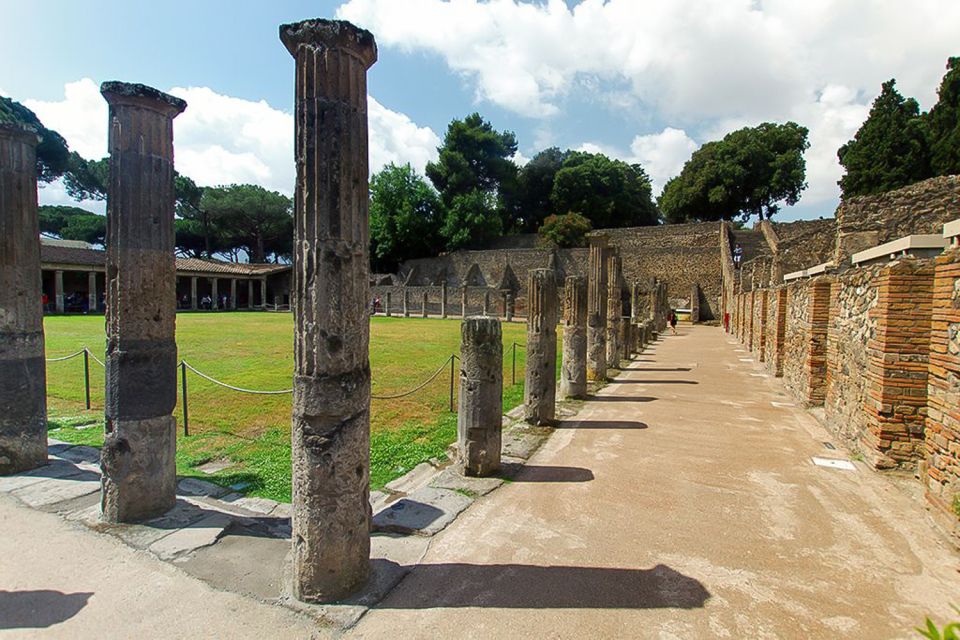
The whole experience is set up to keep you moving. You meet at Via Villa dei Misteri, 1, at the Pompeii Archaeological Park entrance gate across from Hortus Pompei restaurant. Arrive about 15 minutes early and look for your guide holding a green walks sign.
The practical win here is the pre-reserved access. Instead of losing time in a long queue, your ticket is lined up in advance, so you can begin the guided walk with less stress. Many guides also use headsets when needed, which matters at a site where people naturally stop, take photos, and slow down the flow.
Plan for a moderate walking pace. This is not a sit-and-watch tour. You’ll be on your feet across uneven ground and crowded paths, so treat this like an active Pompeii day—not a museum stroll.
You can also read our reviews of more guided tours in Pompeii Archaeological Site

What an Archaeologist Adds to Pompeii (And Why You’ll Feel the Site Differently)

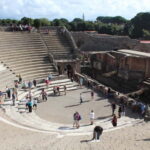
Pompeii is famous, but on your own it can feel like fragments: a street here, a doorway there, a sign with a lot of Latin-ish mystery. With an archaeologist leading the walk, the ruins become understandable systems—how people moved through the city, where they shopped, how they gathered for worship, and how daily life worked right up to the eruption.
This is also where the tour format helps. It’s built to be dynamic because about one third of Pompeii remains uncovered, and excavation and preservation efforts are still ongoing. Your guide adapts the itinerary as new discoveries are revealed, so you get a sense of Pompeii as a living archaeological project, not a frozen postcard.
It’s also the reason the guide matters so much. In the group, you’ll hear stories that connect the Roman world (including the shift from life under earlier Republic traditions to later imperial rhythms) to specific places you’re standing in. You’ll get answers while you’re still close enough to look at the architectural details the questions are about.
Entering Pompeii’s Buried City: The Core Story You Need First
Once you’re inside the park, your archaeologist guide brings you into the “why” before the “what.” Pompeii was buried by the massive eruption of Mount Vesuvius in 79 AD, and the tour is designed to make that catastrophe personal without turning the story into melodrama.
You’ll also learn how Pompeii’s layout supported everyday life. The best-preserved streets help you understand how people moved between public spaces (forum, temples, baths) and more personal spaces (homes, shops, even areas that reflect the darker edges of city life). You’re basically training your eye to read the town—doorways become entrances to households, and a corner becomes a commerce point.
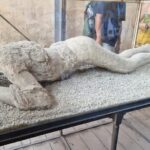
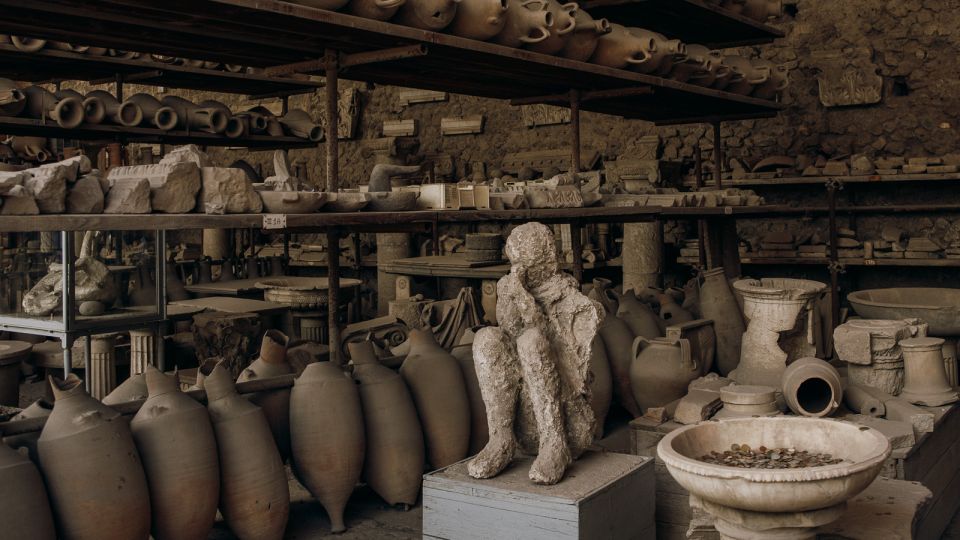
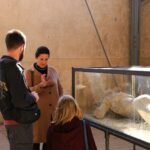
One emotionally heavy part is the plaster casts of those caught in the eruption. They’re not easy to see, but they’re a major reason the guided format works well. A guide can explain what you’re looking at and why it matters, and you’ll leave with a stronger sense of what the eruption did in real human terms.
Best-Preserved Streets and Public Life: Forum, Apollo, and Temple Power
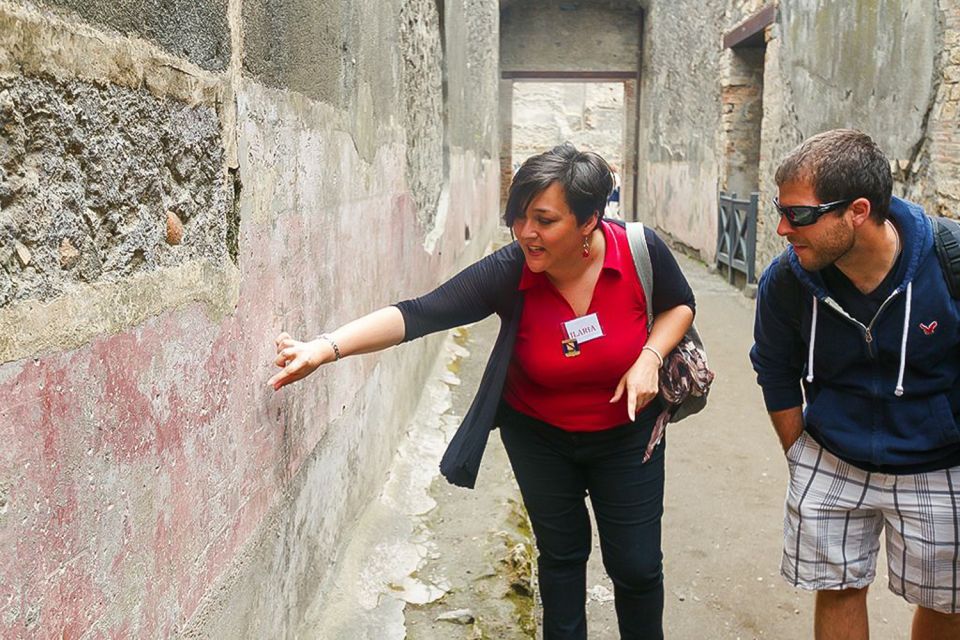
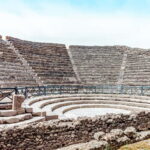
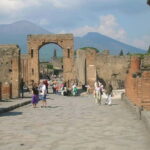
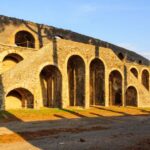
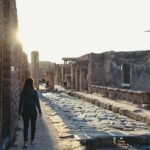
The tour spends time in the most satisfying parts of Pompeii: the street levels where you can still picture the flow of people. You’ll walk past remains that reveal how the city organized itself—places to meet, worship, argue, shop, and eat.
Among the highlighted stops are:
- The Temple of Apollo, which anchors your understanding of how religion shaped public life.
- The Roman Forum, where you can see the bones of civic space—what would have been central gatherings and political or civic rhythms.
- The broader cluster of shops, temples, and public baths, which turns Pompeii from a name into a daily schedule you can almost imagine.
These stops are where a guide earns their fee. Left alone, you can view the ruins and still miss the story of how these spaces functioned together. With the archaeologist leading you, the layout makes sense, and you learn what small details likely meant.
If you pick a shorter route option (the Pompeii Express style), the tour keeps the focus tighter on headline highlights like the Forum, temples, and shops.
The Shops and Everyday Foods: A Roman Bakery Still Feels Strange
This is one of my favorite categories of stops in Pompeii because it stops the site from becoming purely dramatic. You get to see how ordinary Romans ate and bought things, not just how the elite built and governed.
A standout on this tour is the Roman bakery where the food is still almost intact. It’s not just a cool photo moment. It helps you picture how much daily routines depended on local production and supply chains—baking wasn’t a vague concept, it was a visible process.
You’ll also see the remains of an ancient supermarket and explore the logic of shopping in a city where people lived close to commerce. Even if you’re not a super-nerdy archaeology person, these are the stops where you can suddenly understand the site like a set from a movie—only the set is real, and the context is explained.
You can also read our reviews of more tours and experiences in Pompeii Archaeological Site

Villas, Baths, and City-Side Spaces: Pompeii Beyond the Famous Corners
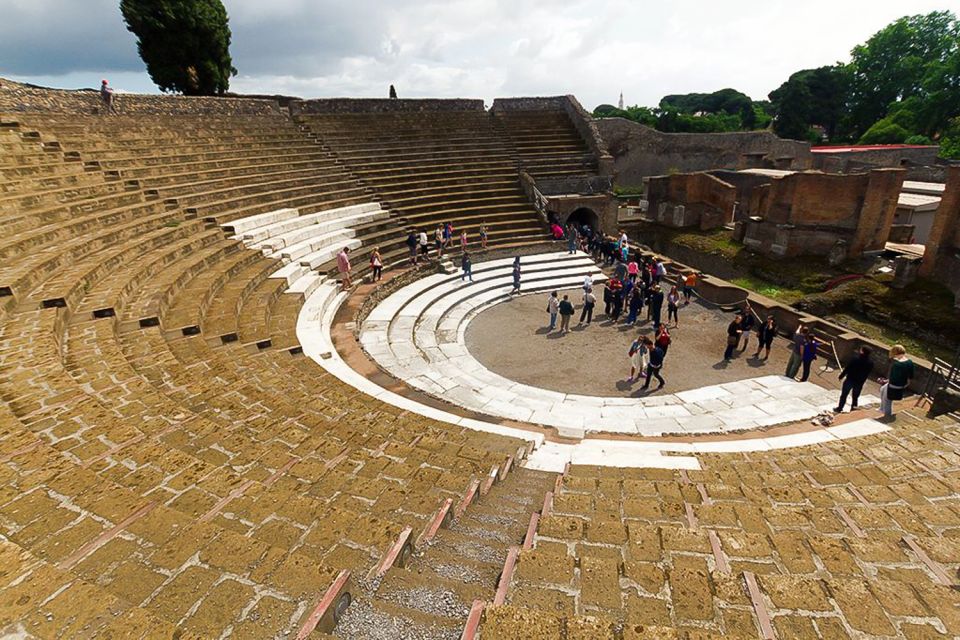
Pompeii isn’t only the big public showpieces. The tour also brings you through the quieter building types that make the city feel lived-in: homes, baths, and everyday commercial spaces.
You’ll see remains of:
- Baths, which show how hygiene and social time blended.
- Villas, which help you understand the range of home life—from more private living to decorative, status-coded spaces.
- Shops, which connect street life to work and trade.
The best preserved streets make this easier to follow than you might expect. Even with limited excavation coverage, you can still read how the city was built to funnel movement, trade, and community interaction.
A key value here is time. Pompeii is huge. A guided route helps you focus on the parts that are most meaningful and most readable in the hours you have. You’ll get more out of this format than trying to piece together the city on your own from scattered notes.
New Excavations and Preservation Work: Why Your Guide’s Route Can Change
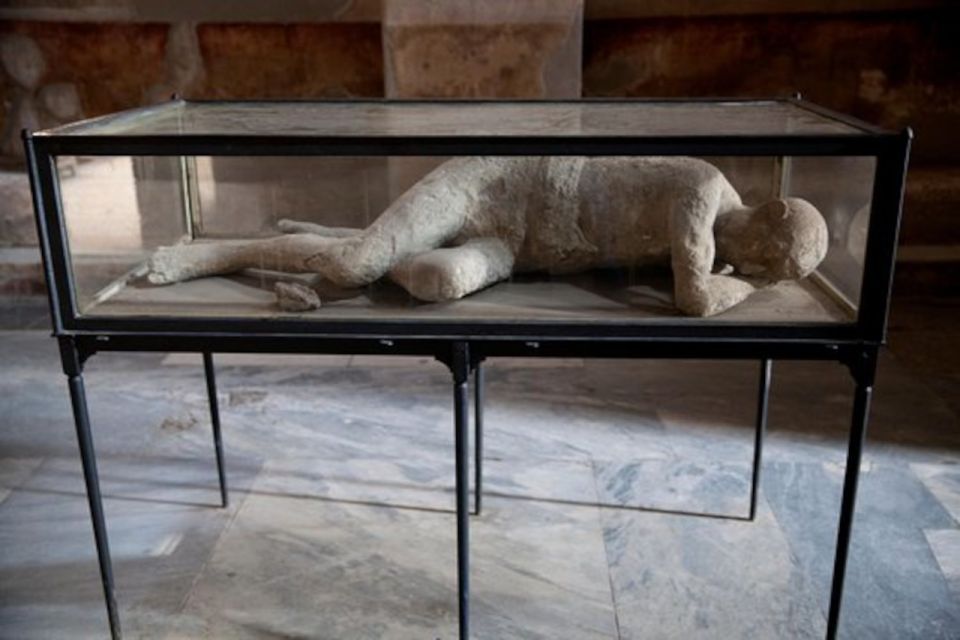
One of the smartest aspects of this tour is the emphasis on why archaeology is still happening. Since about a third of Pompeii is uncovered, and preservation work continues, the guide’s route can include areas tied to ongoing discovery efforts.
That means you’re not locked into a script that feels identical every day. Instead, your guide adapts based on what’s currently relevant to share. It also teaches you how fragile preservation is—how the site’s story can keep expanding when excavation and conservation are done carefully.
In plain terms: you’re visiting Pompeii as a researcher would, not just as a tourist looking for the most famous photo.
Casts, Catastrophe, and the Human Scale of 79 AD
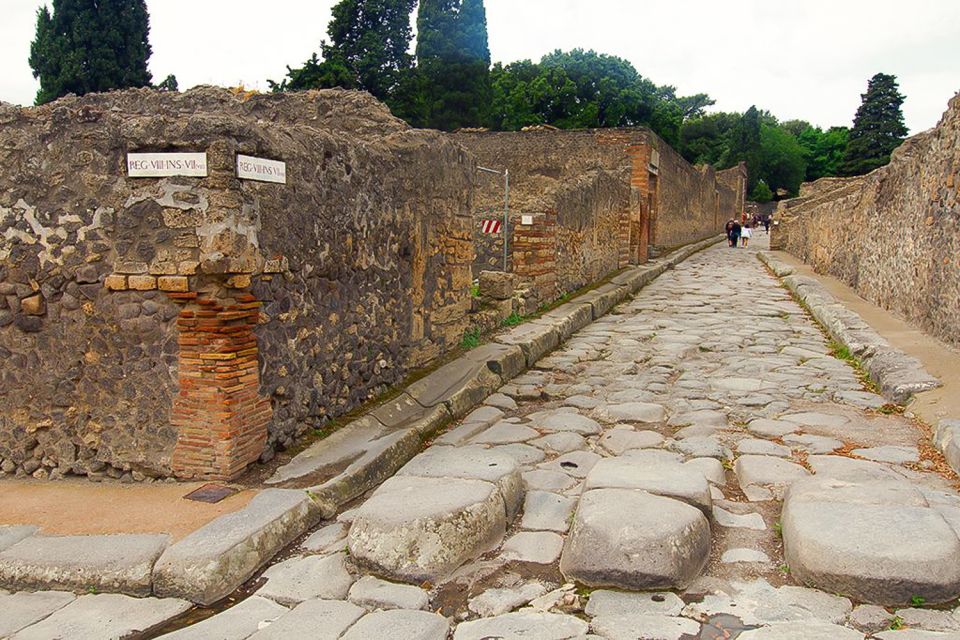
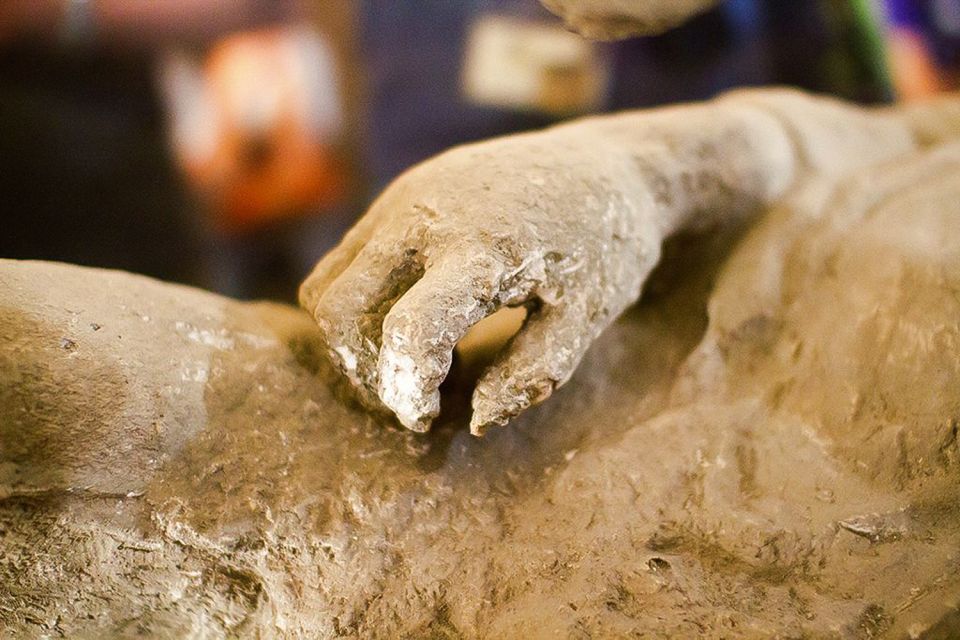
The plaster casts are the moment where Pompeii stops being a “cool ruin” and becomes a tragic event you can’t ignore. The tour includes these eerie, heartbreaking figures—people caught at the exact moment of death.
What makes this work best with a guide is framing. When you understand what you’re looking at, the casts become a story of movement, impact, and the suddenness of the eruption. You’re less likely to treat the moment as a spooky stop and more likely to absorb what the city’s destruction actually means.
This isn’t a short, throwaway scene. It’s built into the emotional pacing of the tour, with other stops around it so you don’t feel slammed by a single harsh moment.
Brothels, City Walls, and Views Over Naples
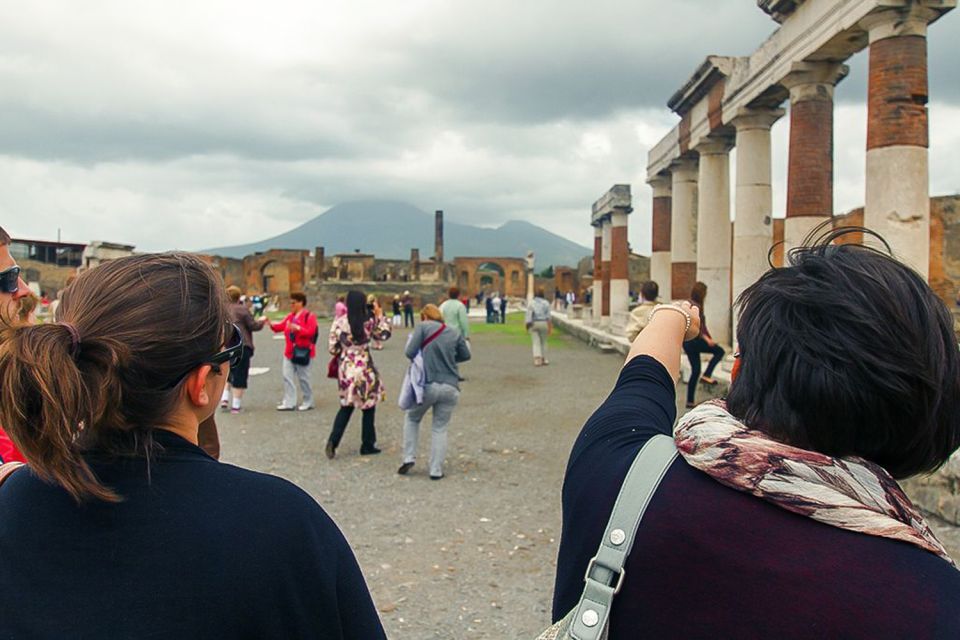
Depending on your group, the tour can include a visit to one of Pompeii’s brothels. Not everyone will want this kind of stop, but it matters historically because it shows how the city also handled adult life and commerce.
You’ll also walk along parts of the old city walls for panoramic views of Naples. It’s a good contrast: after the tight focus on streets, courtyards, and buildings, you get a wide shot that helps you understand the city’s position in the landscape.
This is a nice reminder that Pompeii isn’t just ruins. It’s a place tied to modern Naples, and the view helps your brain place the ancient city in a wider geography.
Small Group Pace, Clear Listening, and Heat Reality
This is offered as a private or small-group format. That’s a huge practical difference at Pompeii, because crowding can turn even a great tour into a guessing game.
Headsets are included when needed, which helps keep you from constantly craning your neck or losing the story while people shift for photos. Many guides also seem to keep the pace steady—one reason the tour often feels worth it even when it’s tiring.
Still, you need to respect the physical side of Pompeii:
- It can be hot with very little shade.
- Wear closed-toe shoes.
- Bring water, a hat, and sunscreen.
- If you’re sensitive to sun, consider a UV umbrella. It’s the kind of small item that can turn the day from stressful into manageable.
Also, be ready for limited on-site comforts. One tour day note: there’s only one place to use toilets during the visit and one main place to buy drinks or food, and queues can get intense. If you want snacks or water, plan to take care of it early.
Price and Value: Is $70 Worth It?
At about $70 per person for a 2–3 hour archaeologist-led walk, the value comes from what’s included and what you avoid.
You’re paying for:
- Skip-the-line pre-reserved tickets (less wasted time)
- An official Pompeii tour guide plus a trained archaeologist (real interpretation)
- Headsets when needed (easier listening)
- A route designed to show more of Pompeii than many standard options, especially when a full option is selected
If you’re planning to go only once, this price feels reasonable because Pompeii rewards context. Without a guide, you can still enjoy it, but you’ll likely leave with fewer connections—more “I saw stuff” and less “I understand how the city worked.”
If you already know Pompeii very well and you mainly want photos, you might skip a guided portion. But for most first-timers, paying for a good archaeologist is the fastest way to turn ruins into meaning.
Should You Book This Pompeii Tour?
Book it if you want Pompeii to make sense quickly. This is a strong fit if you care about daily life—shops, bakeries, baths, homes—and you want the emotional weight of the eruption explained in context, not just spotted from a distance.
I’d especially recommend it if:
- You want an archaeologist-led experience rather than a general history talk
- You’re short on time and want a plan that covers more ground than self-guided browsing
- You like asking questions and moving at a small-group pace
- You want to see what’s being excavated and preserved now, not only what’s already famous
Skip or rethink it if:
- You can’t handle walking moderate distances on uneven surfaces
- You’re very heat-sensitive and need a mostly shaded, low-effort plan
If you do book, I’d come prepared for sun and steps, because the payoff is big: you leave with a Pompeii you can actually read.
FAQ
How long is the Pompeii skip-the-line guided tour?
The tour runs about 2–3 hours, depending on the option you select.
Where does the tour meet?
Meet at Via Villa dei Misteri, 1, at the entrance gate for the Pompeii Archaeological Park across from Hortus Pompei restaurant. The guide will be holding a green walks sign.
Is this tour self-guided or led by a guide?
It’s led by an official Pompeii tour guide, and it includes a trained archaeologist for the guided experience.
Are tickets included, or do I need to buy them separately?
Your tour includes Pompeii pre-reserved skip-the-line tickets.
What should I bring for Pompeii?
Bring a passport or ID card, wear comfortable shoes, and plan for walking outdoors.
Is the tour suitable for wheelchairs or limited mobility?
No. This tour is not suitable for guests with mobility impairments, wheelchair users, or strollers.