REVIEW · POMPEII ARCHAEOLOGICAL SITE
Pompeii: Group Tour with an Archeologist Guide
Book on GetYourGuide →Operated by Tempio Travel Pompei Tickets · Bookable on GetYourGuide
Pompeii hits harder with context. A 2-hour archaeologist-led walk through Pompeii helps you connect what you’re seeing to the real tragedy of 79 AD, and the skip-the-line setup gets you into the site without wasting daylight. You also get an expert guide to translate the layout and stories into something you can actually picture.
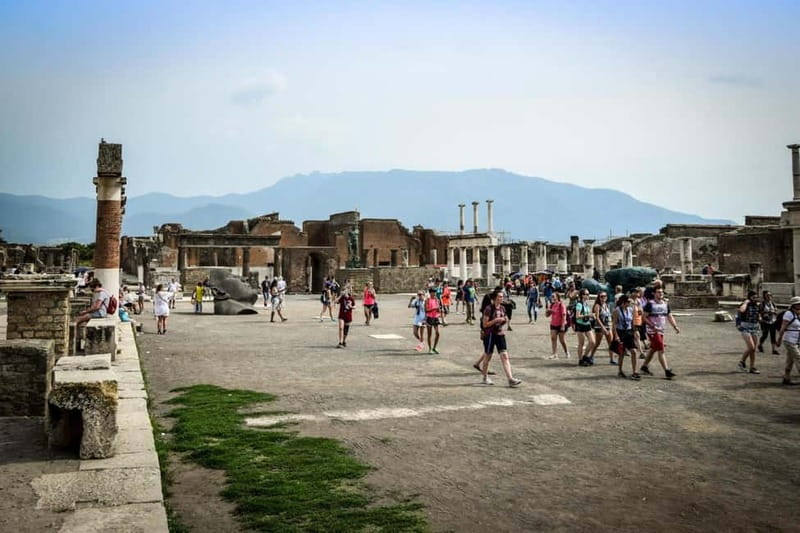
My favorite part is the focus. You spend your time on the western side of Pompeii, where the big-ticket buildings sit close together, plus you get to see standout features like the Forum, baths, theaters, and even the Lupanar brothel area. The tour also includes stops with plaster casts of Pompeii’s victims, which turns the history into something you can’t unsee.
The main drawback is simple: two hours goes fast. Even with a smart route through the highlights, it’s still a quick sampler of a huge site, so if you want a slower, deeper walk, you’ll likely crave extra time after the tour.
In This Review
- Key things you’ll notice on this Pompeii tour
- Pompeii with an archaeologist guide: why it feels different
- Getting started at Tempio Travel (and finding your group quickly)
- Porta Marina to the western ruins: how the 2-hour route is built
- Marina Gate, Basilica, and the Forum: the city’s public face
- Baths, the main street, and theaters: Pompeii after civic life
- The Lupanar brothel stop: learning social history (with sensitivity)
- Frescoes and named houses: what “daily life” looks like up close
- Garden of the Fugitives and plaster casts: the emotional center
- Heat, walking, and headsets: practical tips for staying comfortable
- Which guide you might get, and what that means for your experience
- Price and value: is $50.11 for 2 hours a good deal?
- After the tour: what to do next in modern Pompeii
- Should you book this Pompeii group tour?
- FAQ
- How long is the Pompeii group tour with an archaeologist guide?
- Where do I meet the guide for this Pompeii tour?
- Does this tour include skip-the-line entrance?
- Will I be able to hear the guide clearly in a larger group?
- What languages are available for the live guide?
- What should I bring, and what footwear works best?
- Are luggage or large bags allowed?
- Is the tour accessible for people with mobility impairments?
- Is Pompeii free on the first Sunday of the month?
Key things you’ll notice on this Pompeii tour
- Skip-the-line access so you spend more time inside the ruins and less time waiting
- Whisper headsets that help in larger groups when sound carries poorly
- A western Pompeii route built around major monuments and famous named stops
- Plaster casts and the Garden of the Fugitives for an emotional, memorable section of the visit
- Named houses like the House of the Tragic Poet and House of the Golden Cupid
- A guide-led plan so you don’t wander and miss the most important pieces
Pompeii with an archaeologist guide: why it feels different
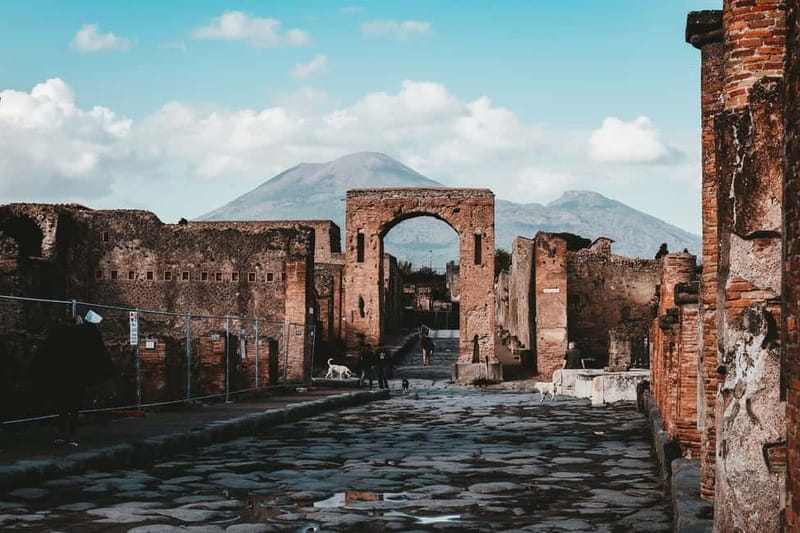
Pompeii is one of those places where you can physically walk through history and still feel lost. That’s why I like this format: it’s not just a list of ruins, it’s a guided explanation that helps you build the city in your head as you go.
The tour is led by a professional archaeologist guide, and that matters. Your guide doesn’t just point at walls; they connect buildings to daily life, religion, entertainment, and social status. You’ll also get to hear stories tied to what Vesuvius buried, which makes the site feel more real than photos ever do.
This is also a time-saver tour. At $50.11 per person for 2 hours, you’re paying for interpretation plus access. In practice, that can be cheaper than it sounds if you’re short on time, visiting from a cruise schedule, or tempted to hire a guide any way.
You can also read our reviews of more guided tours in Pompeii Archaeological Site

Getting started at Tempio Travel (and finding your group quickly)
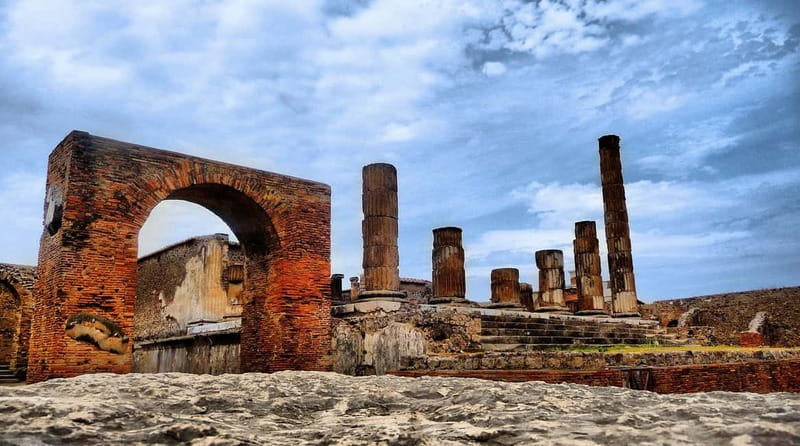
The meeting point is the Tempio Travel office inside Vircumvesuviana train station. The office is on the 1st floor, and some groups note you may need to take stairs inside the building to reach it, so give yourself an extra few minutes when you arrive.
From there, you’ll be walked to the entrance area and started into the Pompeii experience. You’re also told up front that the tour ends back at the meeting point, which is handy if you’re coordinating later plans in Pompeii.
If you’re driving, there’s free parking if open and available. That’s not guaranteed, but it’s a useful option on a day when traffic can be a headache around popular sites.
Porta Marina to the western ruins: how the 2-hour route is built
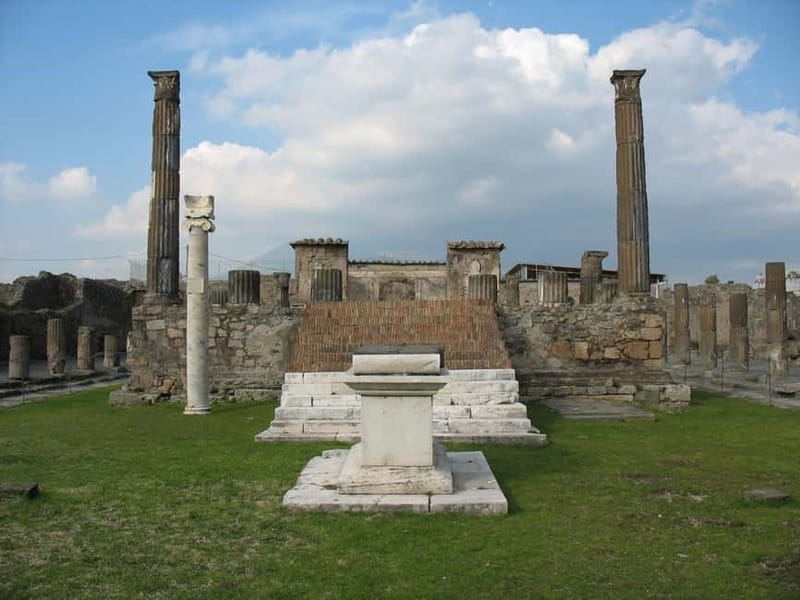
The walking starts near Porta Marina and stays concentrated in the western portion of Pompeii. That’s a smart choice because many of the most recognizable buildings sit there, and you won’t feel like you’re crossing the whole city to see just a few highlights.
The itinerary rhythm is straightforward: you’ll move from major gates and civic buildings into commercial and public spaces, then finish with entertainment zones and named houses. With a 2-hour format, you get a steady flow without long dead stretches, which is especially valuable in warm weather.
Also, you’re not expected to navigate on your own. Pompeii’s layout can be confusing even for people who study maps. Having a guide and a planned route helps you get oriented fast, so you understand where you are before you move on.
Marina Gate, Basilica, and the Forum: the city’s public face
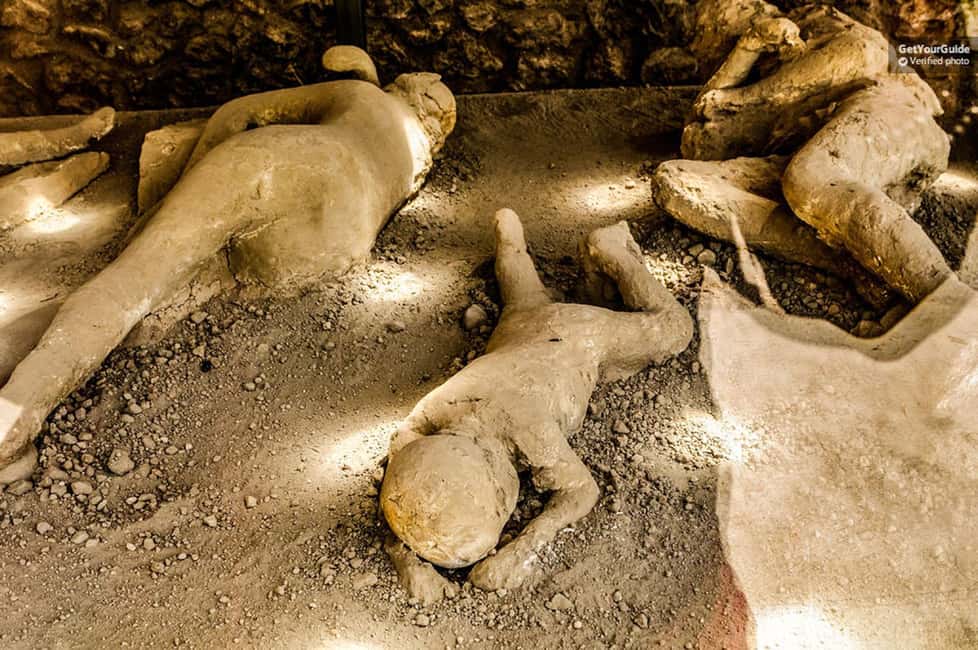
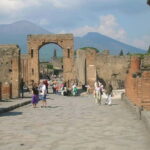
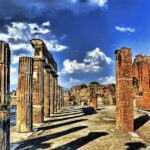
Your first big “wow” moments are built around Pompeii’s public areas. Expect to see the Porta Marina area early, followed by stops like the Basilica and the Forum.
These stops matter because they’re the places where civic life happens. A gate like Marina Gate gives you the sense of movement—how people and goods entered and left. Then the Basilica and Forum help you visualize how the city functioned: meetings, commerce, and everyday public activity.
If you’ve ever walked through ruins and thought, What am I even looking at?—this is where the guide’s job really shows. You’re not just seeing stones; you’re learning how the space was used.
Baths, the main street, and theaters: Pompeii after civic life

After the civic core, the tour keeps you in the living part of the city—where people relaxed, worked, shopped, and watched entertainment.
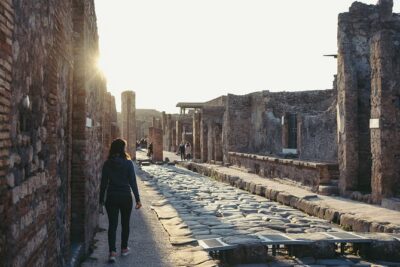
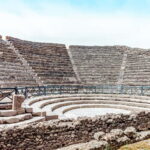
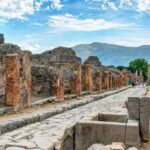
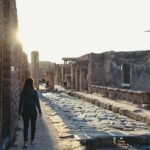
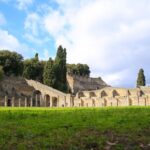
You’ll pass through or stop near the baths, the main street, and the theaters. Even without deep technical explanations, those locations help you picture Pompeii as a real town with routines and downtime, not just a tragic event frozen in time.
In warm weather, these sections can feel physically demanding because you’re outside and on your feet. Still, that’s part of the value: Pompeii isn’t a museum you stand in front of. It’s a city you walk through, and these areas show how people spent their time day to day.



The Lupanar brothel stop: learning social history (with sensitivity)

One of the most talked-about features on the route is the Lupanar (a brothel). It’s also one of the stops that forces you to confront the human side of Pompeii—the side that doesn’t fit neatly into postcard ruins.
I appreciate that the tour includes this because it rounds out the story. Pompeii wasn’t only temples and courts. It included nightlife, commerce, and the full range of social behavior. A professional guide can frame it in context, which helps keep the stop informative rather than awkward.
If you’re uncomfortable with adult themes, you’ll want to know this is part of the route. That said, the presence of the stop also means you won’t get a too-clean, too-sterile version of Pompeii.
Frescoes and named houses: what “daily life” looks like up close
You’ll hear about and see frescoes and decorated spaces across the route, especially when the tour reaches named residential areas. Pompeii’s houses aren’t just ruins; they’re evidence of taste, wealth, and how people wanted their homes to be experienced.
The guided route specifically includes named houses such as the House of the Tragic Poet and the House of the Golden Cupid, plus other famous houses along the way. These labels matter because they make the architecture easier to follow. Without that guidance, it’s easy to walk past a home and miss why it’s notable.
This part of the tour is also where the archaeologist approach helps. The guide can explain what you’re looking at—painted imagery, spatial layout, and what the house suggests about the people who lived there.
Garden of the Fugitives and plaster casts: the emotional center
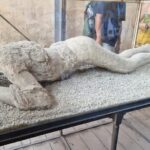
If there’s one section that tends to stick with people, it’s the stop involving the Garden of the Fugitives and the plaster casts of Pompeii’s victims.
Even if you know the basics of the eruption, this is where the tragedy becomes physical. Seeing plaster casts gives you a tangible sense of what bodies and final moments looked like. It’s not “just history,” and the guide’s narration is key here, because the goal is understanding, not shock.
I’d treat this as the emotional anchor of your visit. If you’re feeling overwhelmed, take a breather, then come back when you’re ready to absorb the explanation.
Heat, walking, and headsets: practical tips for staying comfortable
This tour can be physically real. Pompeii is outdoors, the route includes multiple stops, and it’s easy to underestimate how much sun exposure you’ll get over two hours.
Bring comfortable shoes. And if you tend to overheat, pack a light layer and plan for sun protection. One helpful tip from a past group: buying a paper umbrella from roadside tents just outside the entrance can be a lifesaver on hot days, and it’s typically not something you’ll want to rely on inside the site.
You’ll also receive whisper headsets for larger groups. They help you catch the guide clearly, and they’re one of the practical reasons this tour works well. The tradeoff is that the earpieces can feel slightly uncomfortable for some people, so if you’re sensitive to wearing gear, plan for that.
One more key note: the tour is not suitable for people with mobility impairments. Pompeii’s surfaces and walking demands make that a real limitation, and you’ll want to choose a different option if accessibility is a priority.
Which guide you might get, and what that means for your experience
A lot of the quality in this tour depends on the guide’s style—clear pacing, good explanations, and keeping the group moving.
From names that have led these tours, you might meet Ernaldo, Alfonso (including Alfonso Marie), Lena, Laura, Giuseppe, or Antonio. What these guides seem to have in common is the ability to explain Pompeii so you can actually picture first-century life. Several guides also manage questions well and keep the walk from turning into a lecture.
If you love history that feels human—jokes, small stories, and clear context—this format tends to deliver that. If you need a very private pace with minimal group pressure, you may find the group format a bit intense, but headsets and a structured route help.
Price and value: is $50.11 for 2 hours a good deal?
Let’s talk value, not just cost. At $50.11 per person for 2 hours, you’re paying for three things that are hard to replicate cheaply:
- A professional archaeologist guide who explains what you’re seeing in context
- Skip-the-line entrance tickets, which can save time and stress
- Whisper headsets, which improve the experience in a large group
If you’re doing Pompeii for the first time and you don’t want to spend your limited hours trying to interpret ruins by yourself, this is often a smart way to spend your budget. It’s especially worth it when your schedule is tight, like a cruise day or a day with multiple stops in the region.
The main reason the price feels fair is that the tour is concentrated. You get guided highlights in a short window, rather than paying for transportation and time lost to wandering.
After the tour: what to do next in modern Pompeii
Once the 2-hour walk ends, your guide gives suggestions for how to spend the rest of the day in modern Pompeii. One specific nudge you may receive is toward the Sanctuary Dedicated to Our Lady of the Holy Rosary, which is described as just a few steps from the archaeological site.
This kind of “wrap-up direction” is more useful than it sounds. It helps you keep your day coherent instead of ending the tour and scrambling for ideas on your own.
Should you book this Pompeii group tour?
Book it if you want Pompeii to make sense fast. This is a strong pick if you value skip-the-line entry, want an archaeologist guide, and prefer a structured route through the western highlights rather than trying to plan every stop yourself.
Skip or reconsider if you’re hoping for a slow, deep exploration of the entire site. Two hours is great for seeing the key monuments and getting oriented, but it’s not enough for a long, unhurried Pompeii day. Also, if mobility is an issue, this one isn’t the right fit.
FAQ
How long is the Pompeii group tour with an archaeologist guide?
The tour lasts 2 hours.
Where do I meet the guide for this Pompeii tour?
Meet at the Tempio Travel office, located on the 1st floor of the Vircumvesuviana train station. The tour ends back at the same meeting point.
Does this tour include skip-the-line entrance?
Yes. The tour includes skip-the-line entrance tickets.
Will I be able to hear the guide clearly in a larger group?
Yes. The tour provides whisper headsets for large groups.
What languages are available for the live guide?
The live tour guide is available in English and Italian.
What should I bring, and what footwear works best?
Bring a passport or ID card and wear comfortable shoes.
Are luggage or large bags allowed?
No. Luggage or large bags are not allowed.
Is the tour accessible for people with mobility impairments?
No. The tour is not suitable for people with mobility impairments.
Is Pompeii free on the first Sunday of the month?
Entrance is free on the first Sunday of each month, but since tickets can’t be reserved ahead of time, entry is not guaranteed.