REVIEW · POMPEII ARCHAEOLOGICAL SITE
Pompeii 2-Hour Private Tour
Book on GetYourGuide →Operated by Italy Roots Travel · Bookable on GetYourGuide
Pompeii starts making sense fast. In this 2-hour private tour, you’re met at Scavi Villa dei Misteri and guided through the real bones of the city with skip-the-line entry and a tailored route.
I especially like the way the guide connects monuments to people’s daily reality, from slaves and ordinary citizens to very rich families living close together.
One consideration: the walk is short but still involves uneven ruins, and the info is mixed on mobility suitability, so it’s smart to check based on your comfort level.
What you’ll get from this Pompeii private tour
- Skip-the-line entry plus a fast, organized start at Scavi Villa dei Misteri
- Forum + Temple of Jupiter as your anchor for civic, religious, and political life
- Rich houses and everyday streets explained as “how people lived,” not just what’s left
- Plaster casts that make the tragedy of 79 AD feel personal
- A small, private pace that helps you ask questions and move with less crowd stress
In This Review
- Meeting at Scavi Villa dei Misteri: No Guesswork Start
- Pompeii’s Heart: The Forum and Temple of Jupiter
- How Romans Lived: Streets, Shops, and Neighboring Worlds
- Rich Houses Without the Museum Vibe
- The Plaster Casts: Facing 79 AD With Clear Eyes
- Staying Ahead of Crowds in a Private Route
- Two Hours, Done Right: A Highlights Sprint With Options
- Price and Value: Is $181.26 a Smart Use of Time?
- Practical Tips: What to Bring and What to Leave Behind
- Who This Pompeii Private Tour Fits Best
- Should You Book This Pompeii 2-Hour Private Tour?
- FAQ
- Where do we meet for the Pompeii private tour?
- How long is the tour, and does it end where it starts?
- What is included in the price?
- Is there a skip-the-line benefit?
- What languages are the guides available in?
- What should we bring, and are bags allowed?
- Is this tour wheelchair accessible?
- Is there flexibility if plans change?
Meeting at Scavi Villa dei Misteri: No Guesswork Start
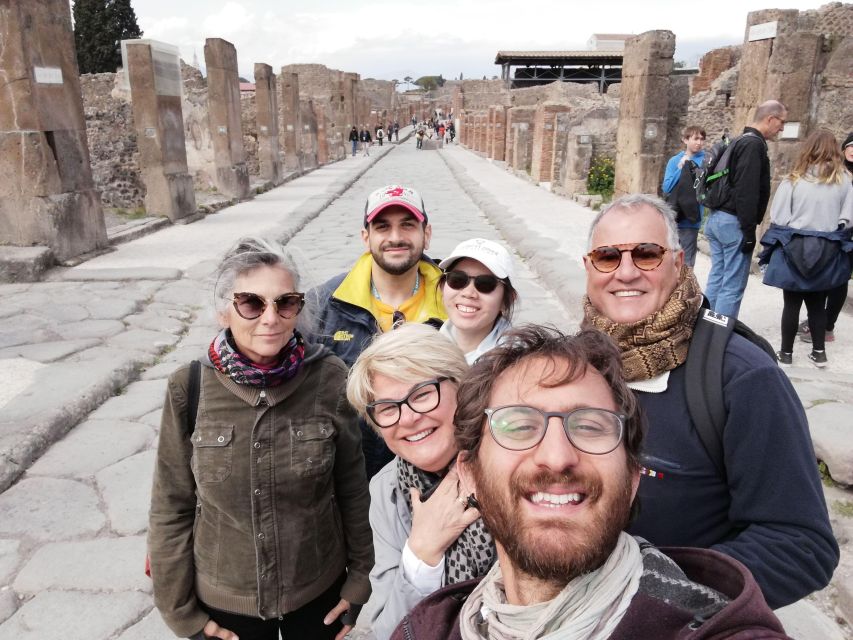
The best Pompeii tours are the ones that get you walking quickly and correctly. This one starts right in front of the Pompei Villa dei Misteri train station area (Via Villa dei Misteri, 1, and Via Villa dei Misteri, 2). Your guide holds a sign with your name, so you’re not wandering around trying to match faces to emails.
I like that they ask you to arrive about 10 minutes early. That small buffer matters at Pompeii, where you can easily lose time to confusion, bathrooms, or just the shock of seeing how big the site is. Once you’re in, you’re not stuck reading plaques at random. You’re moving with a plan.
Also, it’s private. That’s not just about comfort. It’s about how the tour flows. When you can hear your guide clearly and ask questions without waiting your turn, Pompeii stops feeling like a maze and starts feeling like a place.
Pompeii’s Heart: The Forum and Temple of Jupiter
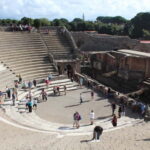
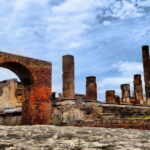
Pompeii’s Forum is where you go to understand the town’s brain. It’s the center of religious, cultural, and political life, so even in just two hours, it gives you a framework. Your guide explains what civic space meant in Roman life: where people gathered, how status showed up in daily routines, and why temples and public buildings weren’t just “pretty stone.”
A big highlight here is iconic religious architecture, including the Temple of Jupiter. In other words, you’re not only looking at remains—you’re learning what visitors would have expected to feel and do when they approached a major temple area.
The value of starting with the Forum is that everything you see afterward clicks into place. When you later stand in front of homes, shops, or street corners, you’ll know how the town organized itself—politics and religion overhead, economic life in the open, and homes packed in around it.
You can also read our reviews of more private tours in Pompeii Archaeological Site


How Romans Lived: Streets, Shops, and Neighboring Worlds
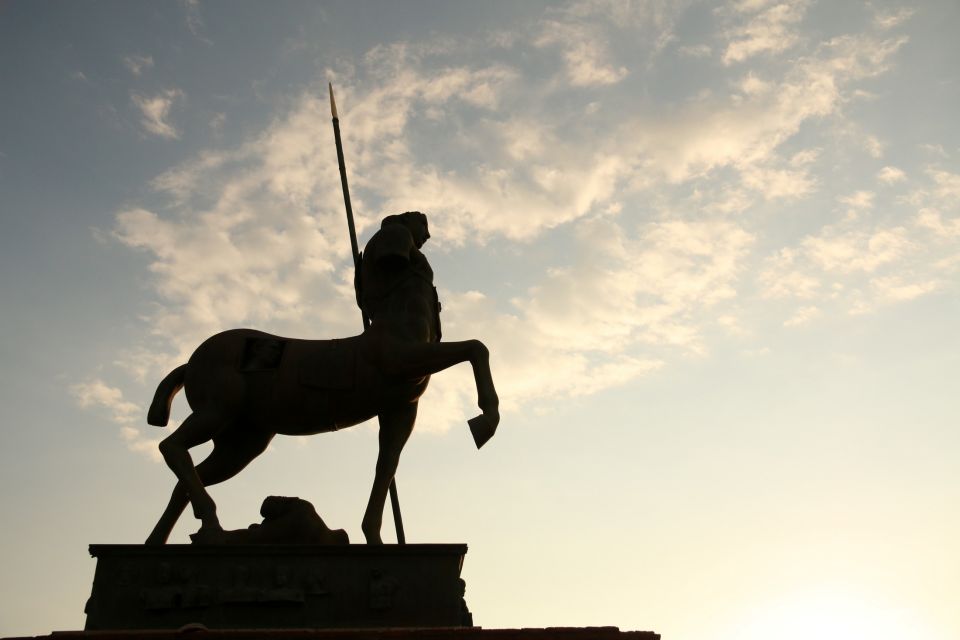
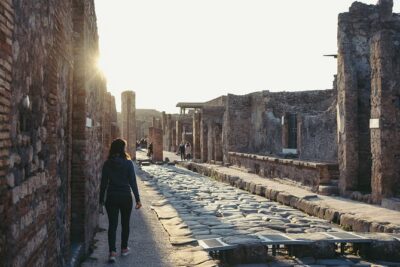
Pompeii’s greatest trick is proximity. Roman society didn’t live in far-away “zones.” Ordinary people, enslaved workers, and very wealthy families were close enough to share the same street. On this tour, your guide brings that idea to life by describing daily life—how work, status, and routine shaped the physical layout you’re walking through.
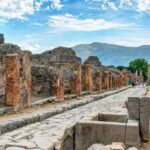
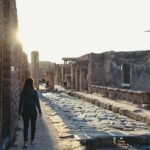
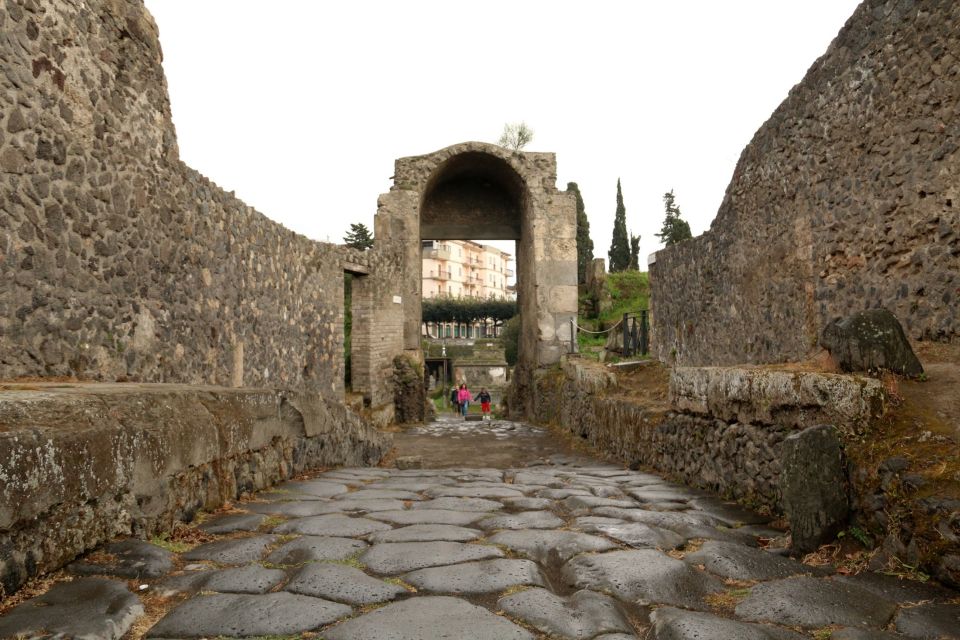
You’ll see ruins that function like time machines: shop spaces, street views, and residential areas that help you imagine what a morning walk, a commute, or an afternoon errand might have looked like. It’s one thing to read about the Roman world in a book. It’s another to stand where a threshold, a doorway, or a street curve tells you how people moved.
What I like here is the balance. You get enough context to understand what you’re looking at, but the tour stays focused on the “why” behind the ruins rather than turning into a lecture. That’s especially helpful if you’re visiting with kids, or if you’re not trying to become a part-time classical historian.
Rich Houses Without the Museum Vibe
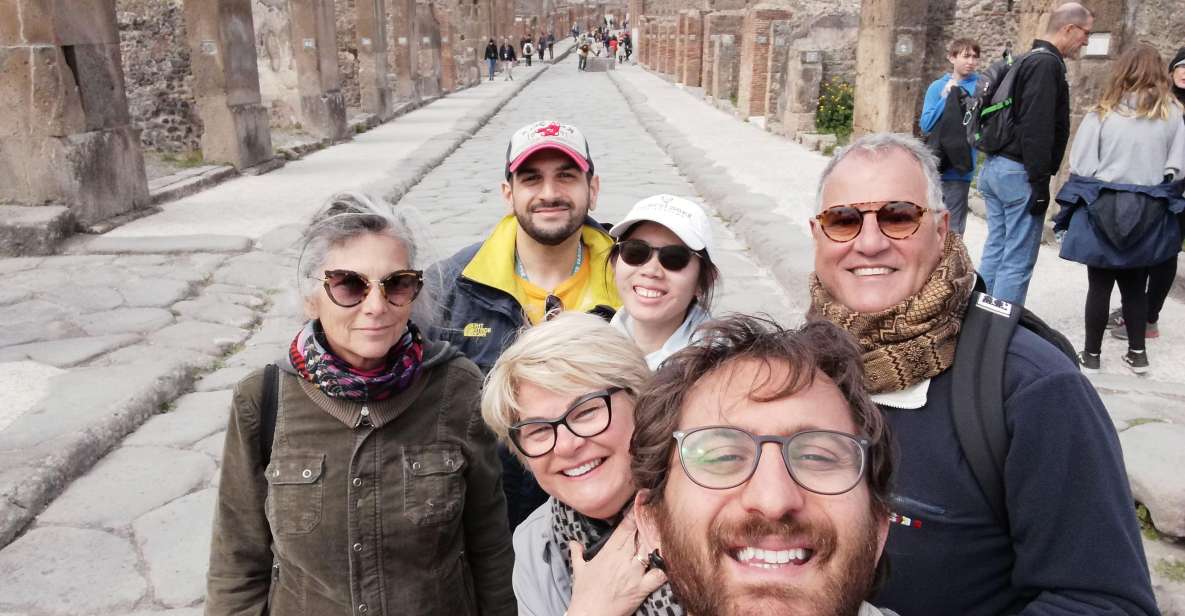
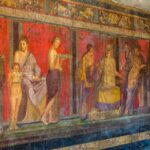
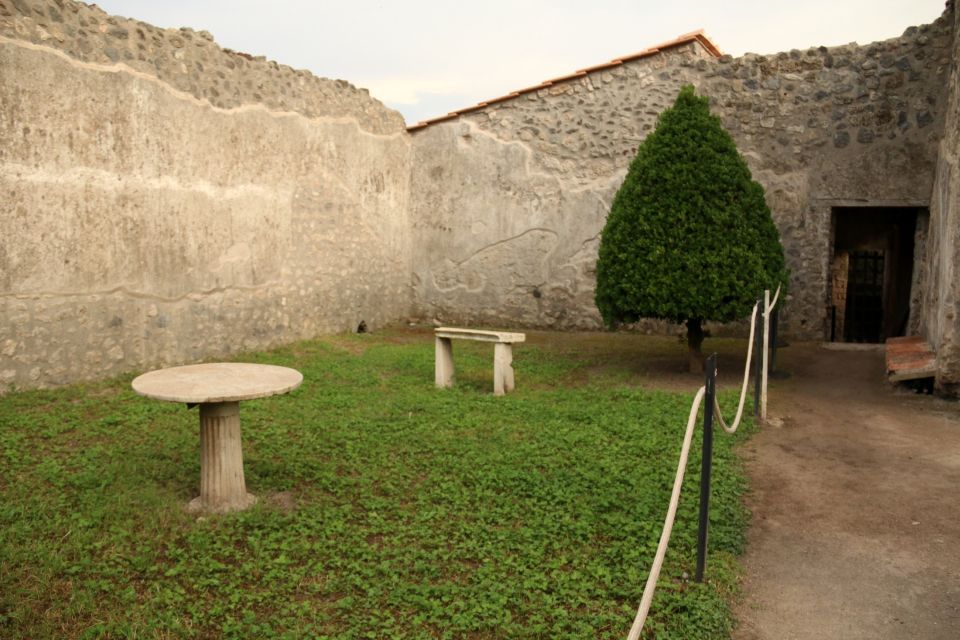
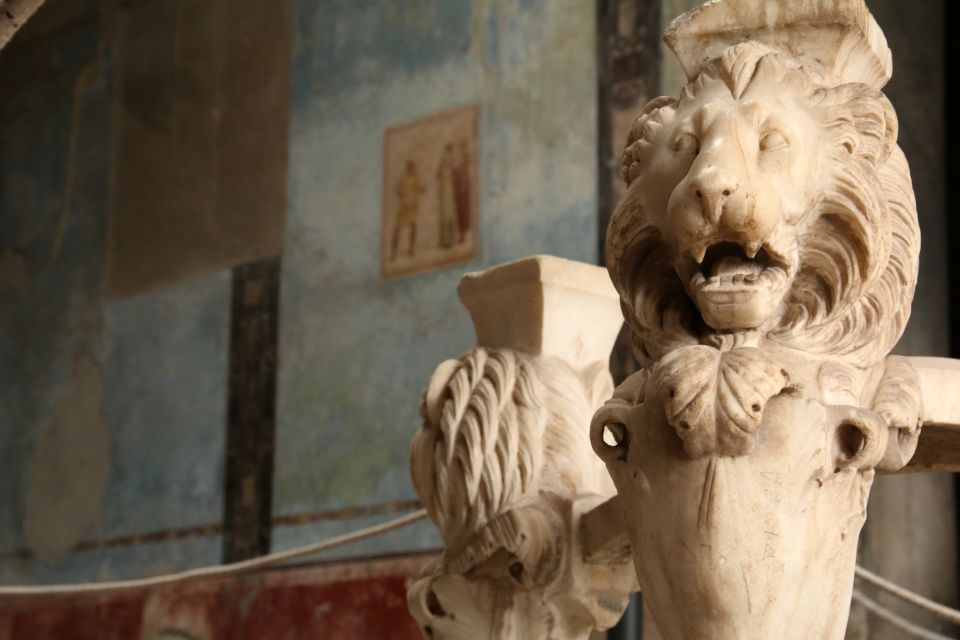
Pompeii’s famous houses can be easy to treat like fancy scenery. This tour nudges you to see them as evidence of how money worked day-to-day. You’ll visit some of the richest houses in the city, and your guide connects their details back to daily living: space, decoration, and how domestic life reflected social rank.
The cool part is that these houses don’t exist in isolation. They sit within a real town, next to poorer conditions. That’s what makes Pompeii so hauntingly educational: you can watch the line between classes in the built environment.
One practical upside of covering “top houses” in a structured walk: you avoid getting lost in details that don’t help you understand the big picture. The guide helps you prioritize. If you’ve ever felt like you spent your Pompeii visit saying, Wait, what am I looking at, this style of orientation is exactly how you fix that.
The Plaster Casts: Facing 79 AD With Clear Eyes
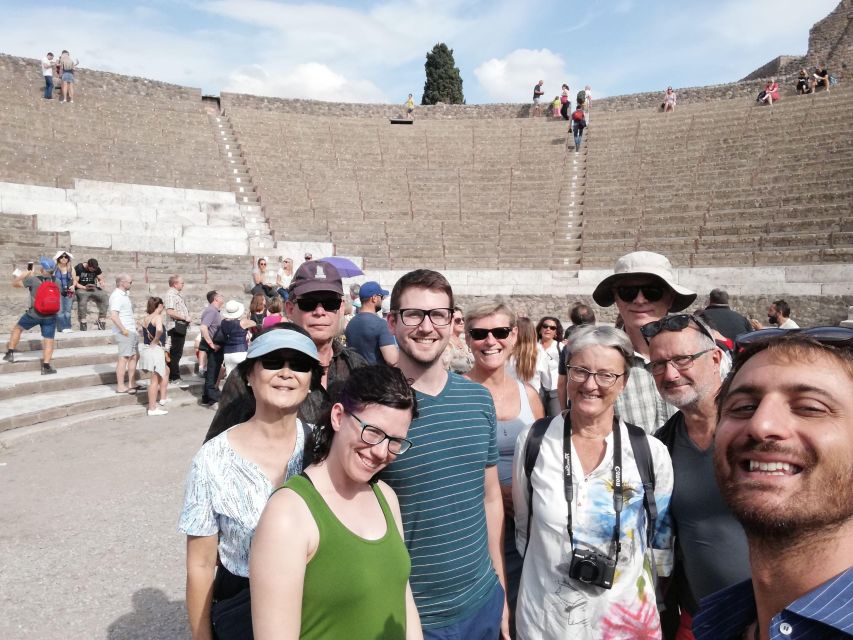
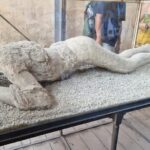
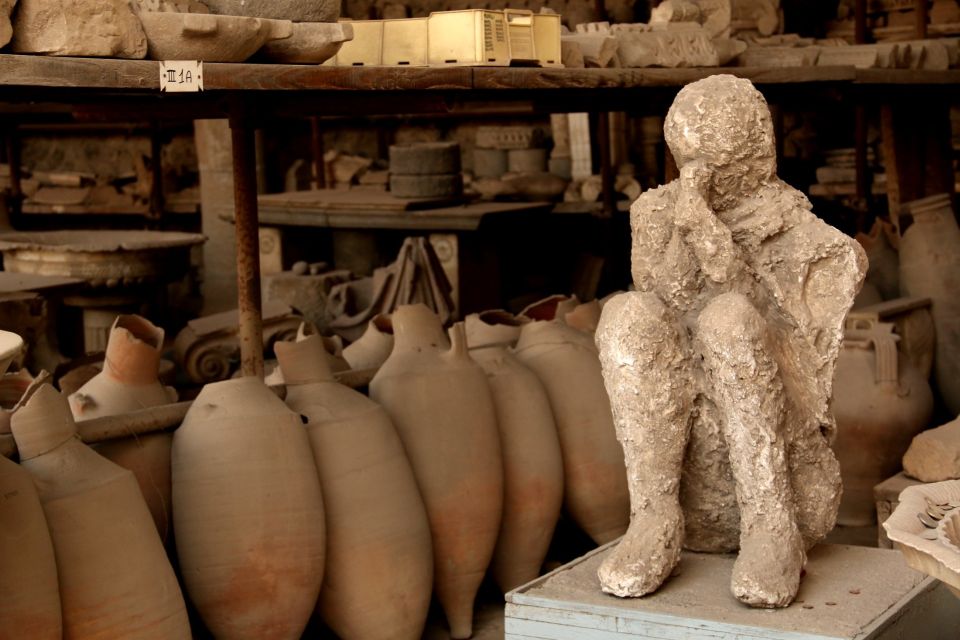
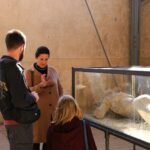
The bodies of people of Pompeii are preserved through plaster casts, and this is the part of the tour that lands with real weight. Your guide explains what happened in 79 AD and why these figures matter historically and emotionally—not as shock value, but as human evidence.
Seeing plaster casts changes how you understand the eruption. The story stops being an abstract date and becomes bodies in a place you can stand beside. It’s a quick reminder that Pompeii wasn’t staged for tourists. It was ordinary people facing disaster.
I find this stop also works well because it’s framed. You don’t just look and stare. You get context about the tragedy and what these casts represent, and then you’re allowed to absorb it at your own speed.
Staying Ahead of Crowds in a Private Route
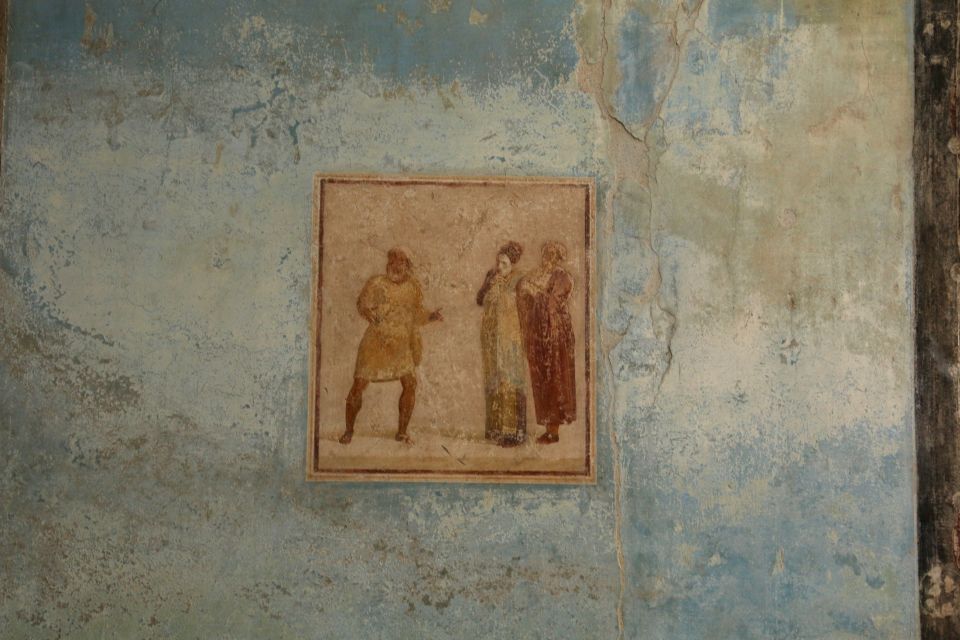
Pompeii can get packed, and crowds don’t just block photos—they break your attention. A private tour helps you keep your momentum. With a guide like Stefano or Antonietta, the route tends to move in a way that reduces dead time and helps you reach key spots before the big crush.
That small logistical advantage shows up fast: you spend less time trapped behind groups that are stopping for everything, and more time actually walking through the site with meaning. In a two-hour format, that matters even more.
Also, you’re not stuck listening to someone else’s pace. If your family has questions, if you want a second look at a doorway, or if a child asks why a room looks like it does, a private setup gives you room to handle it without derailing the group.



Two Hours, Done Right: A Highlights Sprint With Options
Let’s be honest: 2 hours isn’t enough to wander every corner of Pompeii. What it is enough time for is an effective orientation with the best anchor points.
You’re guided through the core of the town and then returned to the starting area at Via Villa dei Misteri, 2. That loop is a plus if you’re managing your schedule—after your tour, you know where you are and can choose what to explore next.
I’d treat this tour like your Pompeii foundation layer. If you have more time after, you’ll enjoy your follow-up exploration more because you’ll understand what you’re seeing. If you only have a short window, this tour gives you a tight set of highlights without making you feel like you skipped the whole point.
Price and Value: Is $181.26 a Smart Use of Time?
At $181.26 per person for a private, licensed guide plus entry tickets, you’re paying for three things: guidance, time saved, and a calmer route.
First, you’re not just buying admission. Your ticket is included, but the real value is the guide’s ability to explain what you’re seeing as you move. In Pompeii, that matters because the site is big and the ruins can feel disconnected if you don’t have context.
Second, skip-the-line entry is part of value too. Pompeii lines waste energy. When you lose 30 minutes standing still, you don’t just lose time—you lose the flow of your visit. This tour is designed to protect your energy.
Third, private pacing is often worth it when you care about asking questions or seeing the site with less crowd friction. If you’re traveling with family, the flexibility and ability to tailor explanations is where this kind of tour tends to earn its keep.
Notably, lunch isn’t included. So plan for a snack or a later meal after your tour, especially in warmer months.
Practical Tips: What to Bring and What to Leave Behind
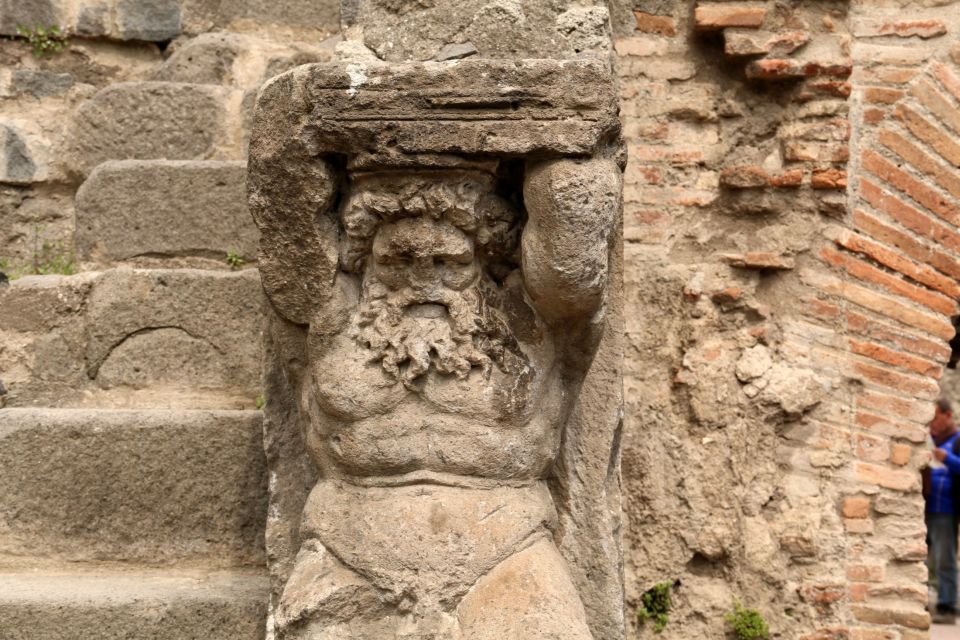
Pompeii is a walking experience. You’ll enjoy it more if you show up ready for sun, heat, and uneven surfaces.
Bring:
- Passport or ID card (important if you have visitors under 18 who want free admission)
- Comfortable shoes
- Hat and sunscreen
- Water (a bottle each person is recommended)
- Umbrella (if the weather calls for it)
And do this for a smoother day:
- Leave luggage or large bags at home. Large items aren’t permitted in the archaeological areas (bags exceeding 30x30x15 cm are not allowed inside).
- If you need storage, the site has free cloakrooms at access points.
These restrictions aren’t meant to be annoying. They help protect frescoes and limit damage from big bags moving through historic spaces. If you travel light, you’ll feel the difference immediately.
Who This Pompeii Private Tour Fits Best
This is a strong fit if you want the Pompeii essentials without a long tour. It’s especially ideal when you:
- Have limited time and want Forum, Temple of Jupiter, select houses, and plaster casts handled in a structured way
- Prefer asking questions and hearing explanations at your own pace
- Are visiting with kids and want a guide who can keep the story clear
- Want help navigating so you’re not just wandering and hoping everything lines up
If your group has mobility challenges, pay close attention to the mixed info on suitability. One part of the activity notes wheelchair accessibility, but it also states it’s not suitable for wheelchair users and people with mobility impairments. In that case, you’ll want to confirm directly with the operator before committing.
Should You Book This Pompeii 2-Hour Private Tour?
I’d book it if you want Pompeii to feel understandable fast. The combination of licensed guided narration, iconic stops like the Forum and Temple of Jupiter, and the emotional impact of the plaster casts makes the 2 hours feel intentional rather than rushed.
Skip it only if you’re hoping for a slow, wide-ranging stroll where you can drift for hours without a plan. Pompeii deserves that kind of visit too, but this tour is built for highlights and clarity.
If you’re deciding right now, this is the kind of tour that pays you back immediately: less confusion at the start, more meaning while you walk, and a better sense of what to explore when you’re done.
FAQ
Where do we meet for the Pompeii private tour?
You meet in front of the Pompei Villa dei Misteri train station area, Via Villa dei Misteri, 1 (with the start also referenced at Via Villa dei Misteri, 2). The guide will be holding a sign with your name.
How long is the tour, and does it end where it starts?
The tour duration is 2 hours. It ends back at the meeting point (Via Villa dei Misteri, 2).
What is included in the price?
The tour includes a licensed English-speaking guide and entry tickets. Lunch and dinner are not included.
Is there a skip-the-line benefit?
Yes. The experience includes skip-the ticket line access.
What languages are the guides available in?
The live guide is available in English, Italian, and Spanish.
What should we bring, and are bags allowed?
Bring passport or ID card (especially for visitors under 18), comfortable shoes, hat, sunscreen, and water for each person. Luggage or large bags are not allowed, and bags larger than 30x30x15 cm are not permitted inside Pompeii sites. Free cloakrooms are available at access points.
Is this tour wheelchair accessible?
The activity information includes both wheelchair accessibility and a note that it is not suitable for wheelchair users and people with mobility impairments. Because of that contradiction, you should check carefully with the provider before booking.
Is there flexibility if plans change?
The tour offers free cancellation up to 24 hours in advance for a full refund, and it also offers a reserve now & pay later option.