REVIEW · SORRENTO
Skip the line Private tour of Pompeii from Sorrento
Book on Viator →Bookable on Viator
Pompeii hits hardest when you avoid the bottlenecks. This private 3–4 hour run from Sorrento is built around getting you into the action fast, with train round-trip, pick-up, and the guide handling priority ticket purchasing.
I especially like having a private group setup. You’re not stuck listening to generic comments from the back of a crowd—you can ask questions, move at a useful pace, and get explanations that connect the buildings to everyday life in Pompeii.
One thing to keep in mind: the Pompeii Archaeological Park ticket isn’t included, and the route is focused on major highlights. If you want to linger everywhere for hours, this won’t feel long enough.
In This Review
- Key highlights worth your time
- From Sorrento: Why this Pompeii format feels right
- Getting to Pompeii: the train ride and the guide handoff
- The Pompeii Archaeological Park stop: your 2-hour priority hit
- Temple of Apollo: 10 minutes that sets the tone
- Foro de Pompeya and Granai del Foro: the civic core, explained fast
- Terme del Foro: spas that show Pompeii’s everyday “luxury”
- Mosaics at Casa del Poeta Tragico and Casa del Cinghiale
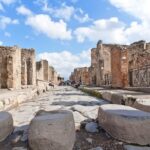
- Via dell’Abbondanza: the “Beverly Hills” street moment
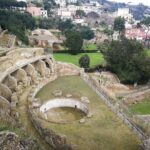
- Teatro Grande: the city performs
- Lupanar: history with a wink—and a little caution
- Tickets and what you pay for (and what you don’t)
- Pace, walking, and comfort: make Pompeii easier on your body
- English, private pacing, and guides who tailor the flow
- Who this Pompeii tour from Sorrento is best for
- Cost and value: is $132.45 worth it?
- Should you book the skip-the-line Pompeii tour from Sorrento?
Key highlights worth your time
- Sorrento-to-Pompeii by train round trip, with pick-up in Sorrento to reduce hassle
- Priority ticket purchasing via your guide, which helps keep the day from turning into a line-queue
- A sharp highlight route through the Forum, mosaics, and major public spaces
- Apollo, the Forum square, spas, bakeries/villas nearby, plus iconic interiors like theaters
- Mosaics and main street moments that make Pompeii feel real, not museum-flat
- Guides with strong English and practical attention, like warning about low doorways and uneven ground
From Sorrento: Why this Pompeii format feels right
Most Pompeii days fail for one simple reason: too much time wasted before you even start seeing things. This tour is designed around the opposite goal. You get transportation organized, a guide who can manage timing, and a route that hits the most memorable areas without pretending you’ll see every corner of the site.
The price—$132.45 per person—isn’t low, but it targets the part of the trip that costs energy: logistics and time. When you’re doing Pompeii for the first time, that matters more than people expect.
This is also a real private tour. Only your group goes along, so the guide can pace based on your questions and your comfort level, not based on random strangers’ schedules. That’s a big deal at Pompeii, where moving fast is easy and moving smart takes guidance.
You can also read our reviews of more private tours in Sorrento



Getting to Pompeii: the train ride and the guide handoff
The tour includes train round-trip tickets, plus pick-up in Sorrento. That’s helpful because it removes the “how do we get there” math and lets you focus on arrival.
A nice bonus is how the guide keeps things moving once you’re in motion. One guide style you may experience is meeting you right at the train connection and staying with you into Pompeii, so you don’t lose time finding your bearings.
On the ground, you should expect a practical approach to the walking route. Pompeii is full of uneven terrain and low doorways, and guides for this kind of tour often keep an eye out for those details so you don’t get surprised mid-step.
The Pompeii Archaeological Park stop: your 2-hour priority hit
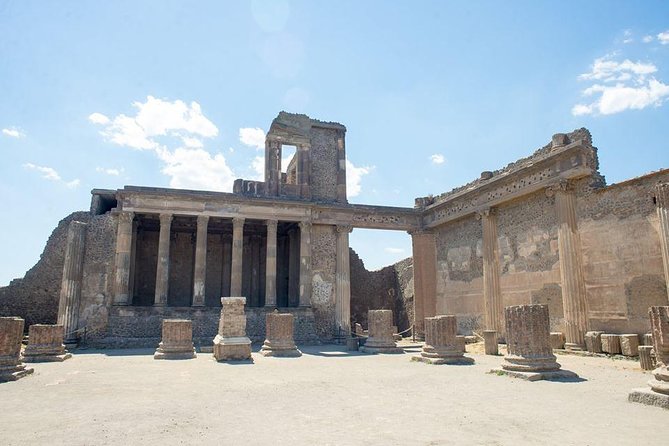
Your main time sink—Pompeii Archaeological Park—is where the tour spends about 2 hours. The park ticket itself is not included, but the guide has priority for purchasing tickets, which usually makes the day run smoother.
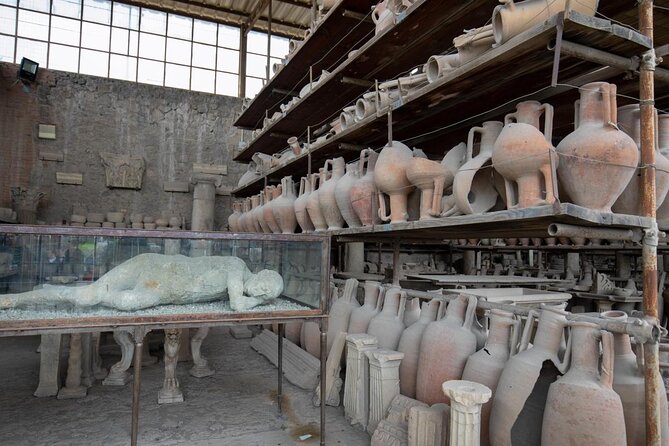
This stop aims at the “best-of” feeling: Roman streets and squares, villas, theaters, frescoes and mosaics, bakeries and trattorias, plus the well-known reminders of what the eruption did to daily life. Even if you’ve seen photos before, Pompeii’s scale and details land differently in person.
Here’s what I like about this format: it treats Pompeii like a place with rhythm. You’re not just marching from postcard to postcard. You’re guided through the parts that help you understand how people lived—public spaces, home spaces, and the city’s everyday routines.
Possible drawback: with only about 2 hours inside the park, you won’t cover everything. Pompeii is huge. If you have strong interests in, say, one specific neighborhood or one long sequence of sites, you may wish you had extra time.
Temple of Apollo: 10 minutes that sets the tone
Next up is the Temple of Apollo for about 10 minutes, with admission included for this stop.
This brief stop is smart because it gives you context. Even in a short window, the temple helps you anchor what you’re seeing around it: Pompeii wasn’t only homes and shops—it had religious and civic center points that shaped daily movement.
If you tend to like architecture and sacred space, this quick timing works well. You get a notable building without losing the momentum that keeps the rest of the day productive.
Foro de Pompeya and Granai del Foro: the civic core, explained fast
Then you move to the main square (Foro de Pompeya) for about 20 minutes. After that comes the Granai del Foro (the museum) for another 20 minutes. Admission is included for both.
This is a great pairing because it hits two sides of the same story. First you see the civic space—how people gathered, walked, and used public buildings. Then you step into a more interpretive space where you can make sense of what you just saw.
I like how these stops fit the rest of the itinerary. The Forum area acts like a spine. Later, when you look at spas, mosaics, and street life, you’ll understand how these things relate back to the city center.
You can also read our reviews of more tours and experiences in Sorrento

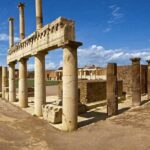
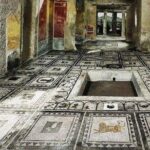
Terme del Foro: spas that show Pompeii’s everyday “luxury”
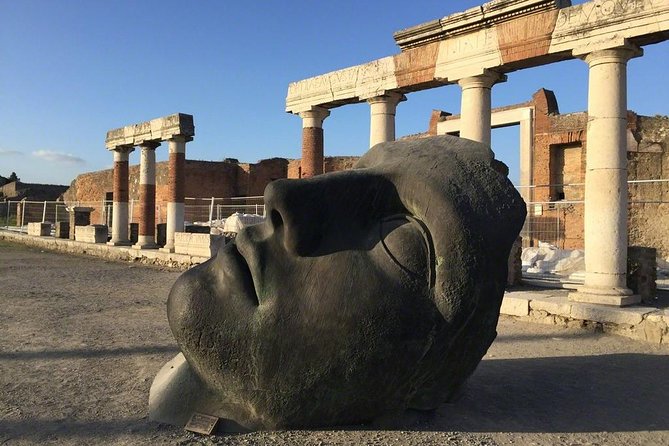
The Terme del Foro are next for about 20 minutes, with admission included. The stop is short, but that’s part of the value. Pompeii’s public life includes leisure spaces, not just serious civic buildings.
These baths are one of those places where Pompeii becomes less abstract. You start thinking about routine: meeting friends, managing time, socializing, and using public facilities as part of normal life.
If you like “how people actually lived” details, this stop delivers. It’s also visually compelling—one of the reasons people love Pompeii is the way decoration and function mix together.
Mosaics at Casa del Poeta Tragico and Casa del Cinghiale
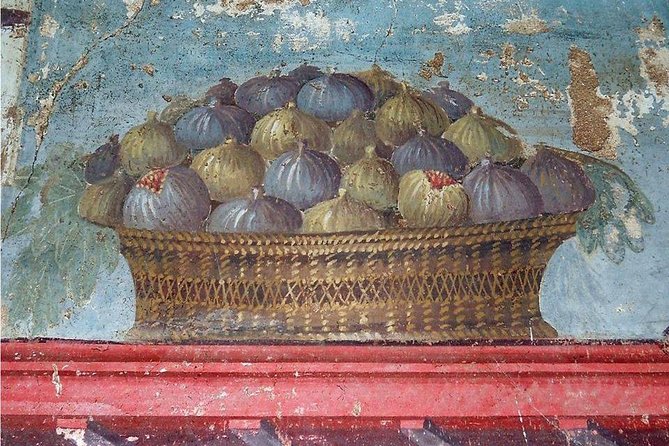
Next come two brief mosaic-focused stops.
- Casa del Poeta Tragico (about 10 minutes)—a quick hit of what a mosaic can do for your sense of place
- Casa del Cinghiale (about 10 minutes)—another mosaic-rich stop
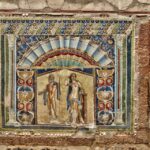
Both include admission, and both are short on purpose. This is highlight time. You see enough to recognize Pompeii’s artistic style and understand why mosaics matter here: they weren’t just floor decoration, they were personal and cultural statements.
A practical note: you’ll likely spend some time navigating tight interior areas. So comfortable footwear helps. And if you’re traveling with kids or anyone who needs slower moments, it’s good that this is a private tour—your guide can adjust pace.
Via dell’Abbondanza: the “Beverly Hills” street moment
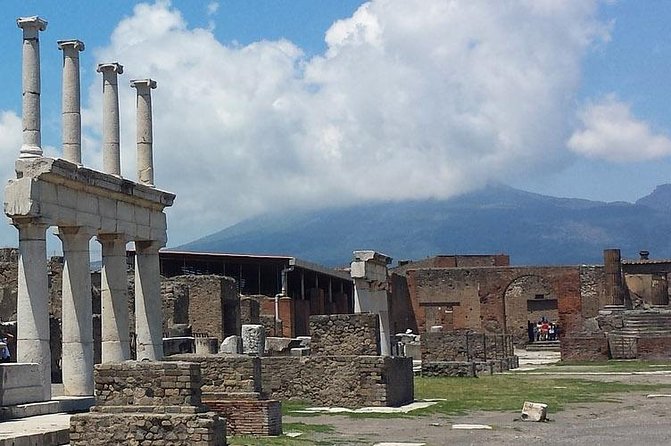
One of the itinerary’s most fun stops is Via dell’Abbondanza, the main street, for about 20 minutes, with admission included.
The idea is simple and effective: show you the street that carried daily movement and high visibility. If you’ve ever imagined what it was like to walk Pompeii’s main routes, this is the closest you’ll get in a short tour day.
I also like that this stop creates a bridge. After homes and civic spaces, you shift to street life. It helps you connect Pompeii’s public face with its private details.
Teatro Grande: the city performs
The Teatro Grande stop lasts about 20 minutes with admission included. It’s described as the place of tragedies and comedies—and that gives you a useful lens.
Even if you don’t know the specifics of ancient theater, a guide can help you picture how performances worked in this kind of space. Pompeii wasn’t frozen in time. People gathered for stories, satire, music, and community events.
At this point, the tour’s pacing matters. The theater stop needs just enough time for context, but not so much that you run out of energy before the final, more distinctive stops.
Lupanar: history with a wink—and a little caution
The last major stop is the Lupanar, often called the fun house for its notoriety. It’s about 20 minutes and admission is included.
This is the type of stop that makes Pompeii feel brutally human. It’s also the type of stop where your comfort level matters. If you’re traveling with younger kids, you might want to pre-decide how to handle this part of the visit.
Even so, it’s historically important for understanding Pompeii’s social world. The best approach is a guide who explains it clearly and respectfully, so you can learn without turning the visit into awkwardness.
Tickets and what you pay for (and what you don’t)
Here’s the clean money picture.
- Included: train round-trip tickets, pick-up in Sorrento, tourist guide, and the guide’s priority for purchasing tickets
- Not included: the Archaeological Park Pompeii ticket
- Included with admission: the Temple of Apollo, the Forum, Granai del Foro museum, Terme del Foro, Casa del Poeta Tragico, Via dell’Abbondanza, Casa del Cinghiale, Teatro Grande, and the Lupanar
So you’ll need to plan for the park admission separately. The upside is that the guide’s ticket priority can reduce waiting, and your paid guide time still focuses on the most memorable areas.
Practical tip: bring cashless payment options if you can, but also be prepared that ticket rules can vary day to day. Your guide can advise based on what’s required at the time you arrive.
Pace, walking, and comfort: make Pompeii easier on your body
Pompeii is not gentle terrain. Even when stops are short, you’ll still spend the day moving between uneven ground, steps, and areas with limited headroom.
The good news is that guides for this route often act like travel pros: watch for uneven terrain and low ceilings, and slow down where it’s needed. That kind of attention is what keeps a fast tour from feeling chaotic.
Also, think about your day plan. A 3–4 hour tour is a concentrated hit. You’ll want to eat after, not before, unless your stomach handles travel well. One guide even makes a point of sharing lunch ideas right after the tour, which is a helpful way to keep you from hunting while hungry.
English, private pacing, and guides who tailor the flow
This tour runs in English and is set up so only your group participates.
What that means in real life: if you’re the type who stops to ask a question, you won’t get cut off. If you want to take photos, you can usually find a rhythm. If you’re traveling with kids, a guide who can keep attention tends to be the difference between a workable afternoon and a long one.
From what I’ve seen with this tour style, some guides bring storytelling energy (like Michele’s passion) and some focus on practical navigation (like Romolo’s attention to uneven surfaces). Others are especially good at clear English and crowd flow (like Josie’s approach to minimizing waiting).
You may not get the same guide each time, but the best ones share the same goal: keep you oriented and keep the time worthwhile.
Who this Pompeii tour from Sorrento is best for
I think this is a strong fit for three kinds of visitors:
- First-timers to Pompeii who want the highlights without getting lost in information overload
- Couples and small groups who want flexibility to ask questions and move at a comfortable pace
- Families with kids who need a guide who can keep the energy up (and handle quick stops well)
It’s less ideal if you want a slow, deep study of one theme or if you’re a person who needs long “wander time” with no structure. Pompeii rewards wandering, but this tour is built to manage time.
Cost and value: is $132.45 worth it?
Let’s be honest: paying $132.45 per person for a 3–4 hour experience isn’t pocket change. The value comes from what you’re outsourcing.
You’re paying for:
- Transportation coordination (train round trip + pick-up)
- A guide’s time across multiple major stops
- Priority ticket purchasing to reduce friction
- A route that targets the most important places in a limited time window
If you tried to do it alone, the hardest parts would be organizing the day, handling entry logistics, and figuring out what to prioritize so you don’t spend your tour time staring at maps.
This isn’t a “see everything” ticket. It’s a “get the big Pompeii experience without wasting hours” ticket. For most people, that’s exactly what’s worth paying for.
Should you book the skip-the-line Pompeii tour from Sorrento?
If you want Pompeii without the usual stress, I’d book this. It’s structured, private, and efficient in the way that matters—getting you from Sorrento, controlling the timing, and walking you through the highlights that actually help you understand the city.
I’d hesitate only if you’re determined to spend long hours inside Pompeii with no timeline. Also double-check how you feel about the more adult-themed stop at the Lupanar, especially if kids are coming along.
If your goal is a memorable first Pompeii day with minimal waiting and maximum meaning, this one fits well.
You Might Also Enjoy



More Private Tours in Sorrento



More Tours in Sorrento





More Tour Reviews in Sorrento
- Sorrento Farm and Food Experience including Olive Oil, Limoncello, Wine tasting
★ 5.0 · 2,524 reviews