REVIEW · POMPEII
Pasta Cooking class in Pompeii
Book on Viator →Operated by Giardini Balestrieri · Bookable on Viator
A family-run kitchen beats another museum day. This Pompeii pasta cooking class takes you into a real household rhythm, starting in the garden and ending with the meal you made. I love that you learn hands-on technique, not just watch. I also like the small-group pace, with a maximum of 10 people, so you actually get answers while you work the dough.
You’ll get a clear, step-by-step approach to handmade pasta: flour and eggs, mixing, learning when the dough is right, and rolling it thin. The best part is that you sit down and eat your work as part of the same meal, which feels much more Italian than a quick tasting.
One possible drawback: it’s a cooking class, not a fast sightseeing stop. If you want strict timing and lots of free roaming, this may feel slower than your ideal Pompeii day.
In This Review
- Key highlights to look for
- A family-kitchen pasta class just outside the Pompeii bustle
- The 3-hour flow: garden bruschetta, dough lessons, and the meal
- 1) Start in the garden
- 2) Starter: bruschetta with seasonal vegetables
- 3) Into the house for the handmade pasta lesson
- 4) Main: fresh pasta (and possibly more shapes)
- 5) Dessert: a sweet of home
- 6) The meal is part of the experience
- What you actually learn: flour, eggs, pasta-machine rolling, and dough feel
- Food on your plate: bruschetta, fresh pasta, and a home-style sweet
- Bruschetta with seasonal vegetables
- Fresh pasta as the main meal
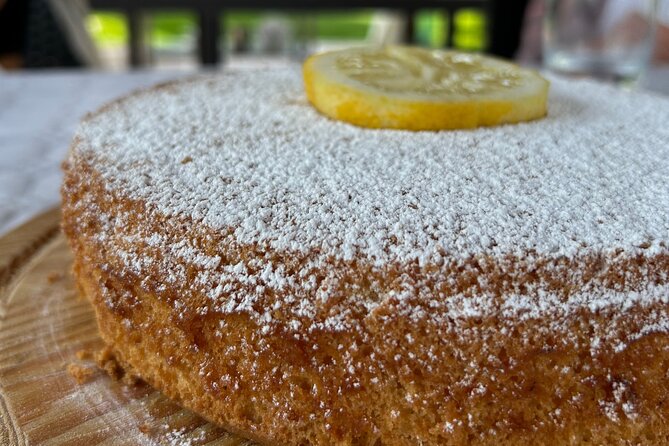
- Dessert: sweet of home
- Wine, family, and the small-group advantage (max 10)
- Price in context: is $94.68 worth it in Pompeii?
- Logistics you should plan for: meeting point, duration, and transfers
- Who should book this and who might skip it
- Practical tips so your pasta comes out better
- Should you book the Pompeii pasta class at Giardini Balestrieri?
- FAQ
- How long is the pasta cooking class in Pompeii?
- Where does the class meet, and where does it end?
- What is the price per person?
- How many people are in the group?
- Is transfer included?
- What is included in the menu?
- Do I need to book for a minimum number of people?
- Is it near public transportation?
- Is free cancellation available?
Key highlights to look for
- Garden-to-table start with seasonal vegetables used in your first course
- Handmade dough technique focused on feel: mixing, perfect texture, rolling
- You eat what you make, including fresh pasta and a home-style sweet
- Small group (max 10) for real attention and less waiting around
- Family atmosphere led by Sabrina, with her family joining the experience
A family-kitchen pasta class just outside the Pompeii bustle
Pompeii can be loud—footsteps, tour groups, and the “move along” pace that wears you out. This class changes the tempo. You start at Via Messigno, 132, 80045 Pompei, then you move into a kitchen setting where the day feels personal and slow in a good way.
The experience is run by Giardini Balestrieri, and the host is Sabrina, a warm, hands-on guide who teaches like someone sharing a family recipe. One of the strongest impressions from the stories I read: people don’t just feel welcomed. They feel pulled in. That matters, because pasta making only works when you’re willing to get your hands a little messy and listen closely while your dough tells you what it needs.
This isn’t a “stand back and take photos” activity. It’s about doing. Expect flour on your fingers, concentration in your arms, and then a meal that tastes better because you made it yourself.
You can also read our reviews of more cooking classes in Pompeii
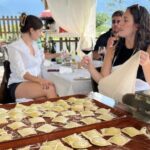
The 3-hour flow: garden bruschetta, dough lessons, and the meal
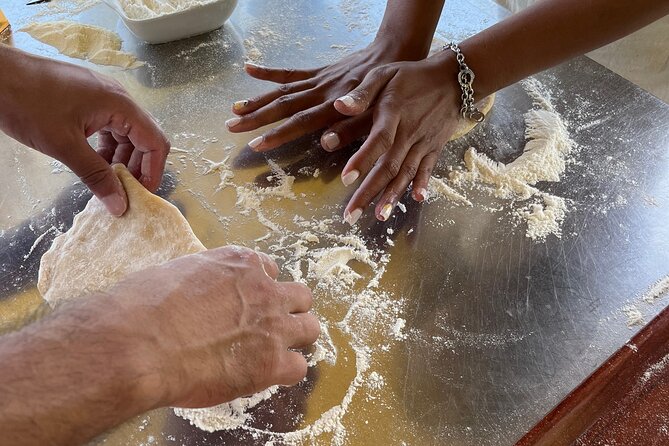
The class runs about 3 hours and ends back at the meeting point, so you’re not stuck figuring out transportation afterward. Plan it as a main event inside your Pompeii day, not a side quest.
1) Start in the garden
You begin in a small garden where you’ll see what’s growing. You’re not just there for scenery. The point is to connect the ingredients to what ends up on the plate. You may also see how seasonal produce becomes the flavor of that day’s starter, which is part of the teaching.
2) Starter: bruschetta with seasonal vegetables
You’ll have a starter of bruschetta with seasonal vegetables, and that’s specifically tied to garden produce. This sets your expectations: the meal isn’t built on packaged shortcuts. It’s built on what’s fresh and simple, with flavor coming from the ingredients and basic technique.
3) Into the house for the handmade pasta lesson
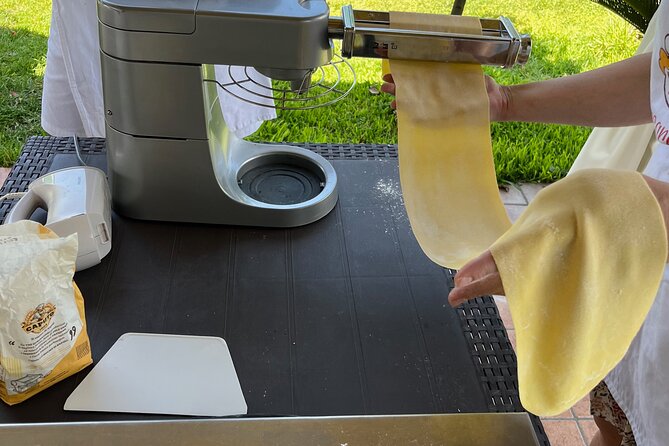
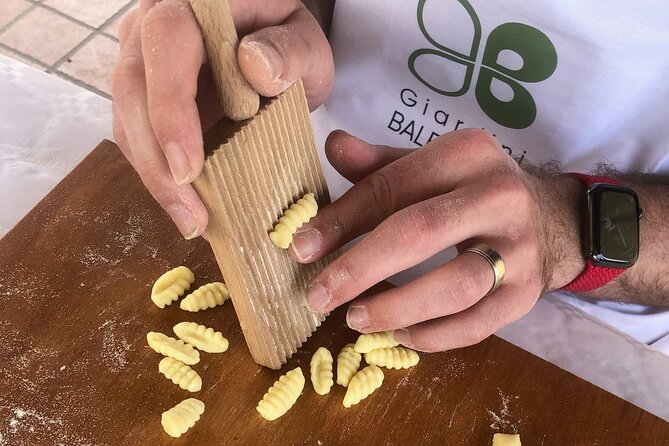
Then you move into the kitchen, where the work begins. The class focuses on handmade pasta made with flour and eggs. You’ll watch and follow Sabrina’s steps as she explains how the dough should feel and how to roll it properly.
A key detail here: pasta dough isn’t “set it and forget it.” You learn what to look for—texture, elasticity, and how it holds together when you roll. If you’ve ever had homemade pasta turn out too tough or too sticky, this is where you get the fix.
You can also read our reviews of more tours and experiences in Pompeii
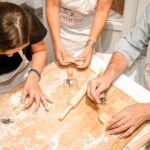
4) Main: fresh pasta (and possibly more shapes)
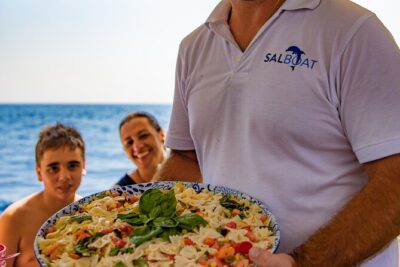
The sample menu lists fresh pasta as the main. In the accounts I saw, people often make shapes such as ravioli and fettuccini, and they learn how to use a pasta machine. Even if the exact shape varies by session, the skills you’re learning—dough handling and rolling—are the core.
5) Dessert: a sweet of home
After the main meal, you finish with a sweet of home. It’s not just a sugar token. It brings closure in a very Italian way: you cook, you eat, and you end together.
6) The meal is part of the experience
The most satisfying moment is sitting down at the table and eating the pasta you helped create. That shared meal is the reason this works. You’re not leaving with a recipe card and a vague memory. You’re tasting the result while the lesson is still fresh in your mind.
What you actually learn: flour, eggs, pasta-machine rolling, and dough feel
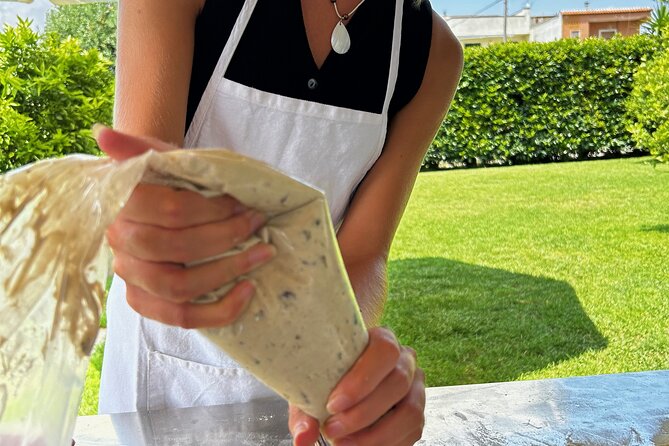
The teaching is about technique you can reuse back home. You start with two core ingredients—flour and eggs—so the learning doesn’t get buried under a long shopping list. You’re also taught to focus on what the dough tells you, not just on timing.
Here’s what you can expect to practice during the lesson:
- Mixing and building the dough until it comes together
- Learning how the dough should feel when it’s ready
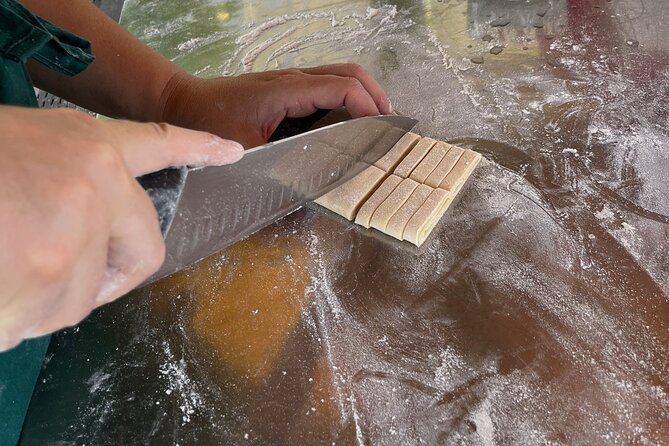
- Rolling it out correctly, with attention to thickness
- Using a pasta machine as part of the process (in sessions where it’s covered)
One reason people rate this so highly is the “feel” component. Sabrina explains that perfect dough has a specific texture, and you learn to recognize it before you keep going. That’s valuable if you’ve ever tried to copy a pasta recipe and got frustrated. You’re not just copying steps. You’re learning signals.
Food on your plate: bruschetta, fresh pasta, and a home-style sweet
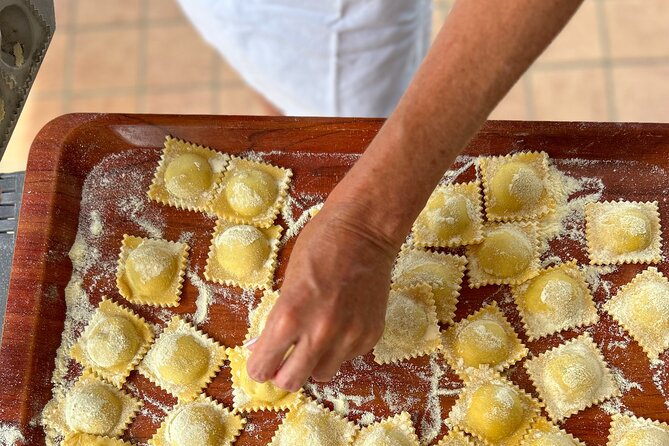
The sample menu keeps it straightforward, which is exactly what you want from a cooking class. You get three parts: starter, main, dessert. It’s also enough food to make the effort feel worth it.
Bruschetta with seasonal vegetables
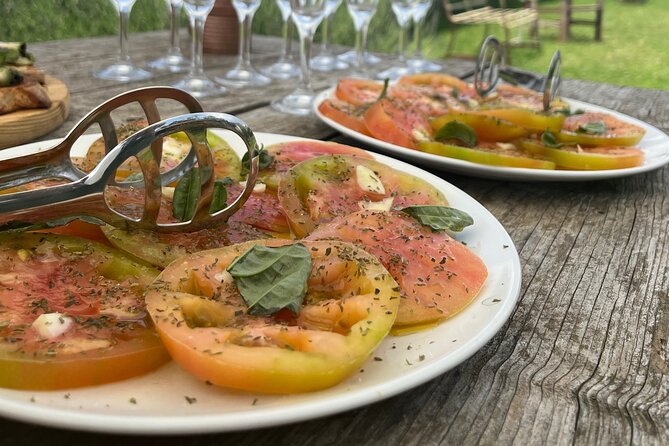
This starter works as a warm-up. You taste something light and veggie-forward first, then you shift into dough work. Since the vegetables are seasonal and connected to the garden, the flavors can vary by time of year, which makes repeat visits more interesting.
Fresh pasta as the main meal
The main is where the lesson lands. Fresh pasta tastes different because it’s made with fresh dough and cooked soon after shaping. That speed matters. The pasta won’t sit around. You cook and eat as part of the same rhythm.
In a couple of the experiences I read, people made more than one shape—like ravioli and fettuccini—and learned filling and sealing technique where relevant. If you’re curious about stuffed pasta, this is the kind of class where you can actually see the process and understand the consistency you need.
Dessert: sweet of home
The dessert is described as a sweet of home. That phrase usually means it’s simpler and more comforting than a plated fine-dining dessert. You’ll get something that fits the family style of the meal, which helps this feel like more than just a cooking workshop.
Wine, family, and the small-group advantage (max 10)
This is where the experience can feel uniquely Italian. In the stories shared by past participants, wine is served during the meal, and at least one group was introduced to Gragnano wine linked to the host’s family vineyard. You’re not meant to treat it like a formal tasting. It’s part of the table atmosphere.
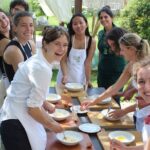
The small group size makes a real difference. With a maximum of 10 travelers, you spend more time working and less time waiting. You also get to ask questions while Sabrina is still close enough to adjust what you’re doing.
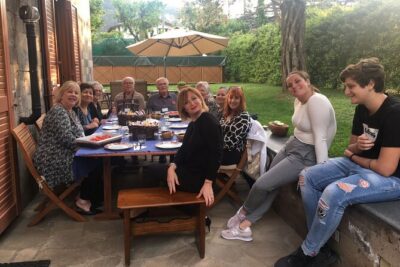
Family involvement is a consistent theme. People mention meeting Sabrina’s husband and children, and one story even includes Gary the cat as part of the household. That kind of detail isn’t about cuteness. It’s about the setting: you’re in a home kitchen, not a rented studio.
Price in context: is $94.68 worth it in Pompeii?
At $94.68 per person, this class isn’t the cheapest thing you can do in the Pompeii area. But cooking classes are value-based, not bargain-based. You’re paying for ingredients, instruction, workspace, and—most importantly—a meal that’s tied directly to what you learn.
Here’s the value math I’d use:
- You get a full meal: bruschetta starter, fresh pasta main, and dessert
- You get hands-on instruction that teaches technique, not just observation
- You get a small-group setting (max 10), so the attention per person is higher
- The experience includes a family setting that’s hard to replicate with typical tours
If you’re the type of traveler who enjoys bringing a skill home—like making dough and rolling pasta correctly—then $94.68 can feel fair. If you only want quick photos and a short stop, you may feel it’s steep.
Also, note the minimum: there’s a minimum of two people for this experience. If you’re traveling solo, you’ll want to check whether you can pair up with the right schedule or choose a different time.
Logistics you should plan for: meeting point, duration, and transfers
You’ll start at Via Messigno, 132 and return there at the end. That’s helpful because you don’t need to figure out a new drop-off point in the middle of your day.
The class provides a mobile ticket, and it’s near public transportation, which helps if you’re building a day around bus or train stops.
Transfers: transfer is not included, but you can request one. If you’re arriving late, dealing with luggage, or want to avoid local navigation stress, ask ahead and confirm options early.
Timing tip: since it’s about 3 hours, try not to schedule it too close to another long activity. You’ll want a buffer for getting there and for the “eat, relax, and linger a bit” part of the meal.
Who should book this and who might skip it
You should book if:
- You want a hands-on food activity in Pompeii instead of another history walk
- You care about learning technique you can actually reproduce
- You like small groups and conversational teaching
- You’ll enjoy eating what you make right there
You might skip it if:
- You want lots of free time for independent sightseeing during your Pompeii day
- You’re worried about getting your hands dirty or you prefer fully hands-off experiences
- You have a tight schedule where a 3-hour block would cause stress
Also, this can work nicely for multi-generational groups. One of the reviews described taking two children and calling it a trip highlight. If your family likes cooking and eating together, this tends to land well.
Practical tips so your pasta comes out better
You’ll enjoy this more if you treat it like class, not just entertainment.
A few things to do:
- Wear something comfortable that can handle flour and kitchen work
- Come hungry. You’ll eat the full menu you helped prepare
- Listen closely during the dough-feel explanations. That’s the make-or-break skill
- If you’re offered a pasta machine, pay attention to how it’s used before you crank through too fast
If you have dietary needs beyond what’s described, you’ll want to ask before booking. The provided menu is fixed as bruschetta with seasonal vegetables, fresh pasta, and a sweet of home.
If you’re bringing kids, the small group size helps. They can participate without getting lost in a crowd.
Should you book the Pompeii pasta class at Giardini Balestrieri?
Yes, I’d book it if you want a day that feels more like Italy-as-living-than-Italy-as-a-checklist. The strongest reasons are simple: you learn handmade pasta technique in a real kitchen setting, and you sit down to eat together right after you make the food.
I’d skip it only if you’re chasing a faster sightseeing-heavy day. This is a cooking-and-table experience first. It trades speed for authenticity, and that trade is exactly why it gets high marks.
If you can fit three hours into your Pompeii plan and you like the idea of starting in a garden and ending at a shared table, this is the kind of activity you’ll remember long after the ruins fade into background.
FAQ
How long is the pasta cooking class in Pompeii?
It lasts about 3 hours.
Where does the class meet, and where does it end?
It starts at Via Messigno, 132, 80045 Pompei NA, Italy, and it ends back at the same meeting point.
What is the price per person?
The price is $94.68 per person.
How many people are in the group?
The experience has a maximum of 10 travelers.
Is transfer included?
No. Transfer is not included, though you can request a transfer and ask for information.
What is included in the menu?
The sample menu includes bruschetta with seasonal vegetables (starter), fresh pasta (main), and a sweet of home (dessert).
Do I need to book for a minimum number of people?
Yes. There is a minimum experience for two people.
Is it near public transportation?
Yes, it is near public transportation.
Is free cancellation available?
Yes. You can cancel up to 24 hours in advance for a full refund.