REVIEW · POMPEII
Discover the Ancient Ruins of Pompeii: Day Trip from Rome
Book on Viator →Operated by Greenline Tours · Bookable on Viator
Pompeii is closer than you think. This 13-hour day trip from Rome combines guided UNESCO ruins with an included Pompeii entrance ticket and lunch, all wrapped in a smooth air-conditioned coach ride past classic sights like Montecassino and toward Mount Vesuvius. My favorite parts are the high-impact Pompeii stops with an archaeologist-style guide and the fact you get real structure for a very large site. One possible drawback: the full day can feel long, especially if your group is split across languages or extra route stops pop up.
If you want a turn-key day, this works. If you want lots of free time and total control of the pace inside Pompeii, you’ll need to be choosy about what you prioritize and where you sit when you’re listening to the guide repeat details.
In This Review
- Key Points You’ll Care About
- Getting Started: The 7:15 a.m. Coach Ride Out of Rome
- On the Road: Montecassino Views and the Campania Route to Pompeii
- Lunch in Pompeii: What You’re Actually Getting (and How to Not Get Burned)
- The Main Event: Archaeological Park of Pompeii and Its UNESCO Highlights
- The Two-Hour Reality Check: Making the Best of Your Time in Pompeii
- Vesuvius and the Eruption Story You Can See in Front of You
- Naples Stops: The Part That Can Help or Hurt the Day
- Listening in Two Languages: How to Make the Guide Work for You
- The “Is This Worth It?” Value Check for Your Day
- Practical Tips I’d Use Before You Go
- Should You Book This Pompeii Day Trip From Rome?
- FAQ
- How long is the Pompeii day trip from Rome?
- What language is the tour offered in?
- Where does the tour start and what time is the departure?
- What’s included in the price?
- Is lunch included, and are drinks included?
- What should I know about cancellation and weather?
Key Points You’ll Care About
- A guide-led Pompeii experience with Pompeii entry included keeps you from wandering in “guessing mode.”
- Smallish group size on a coach (max 25) makes it easier to hear instructions and meet back up fast.
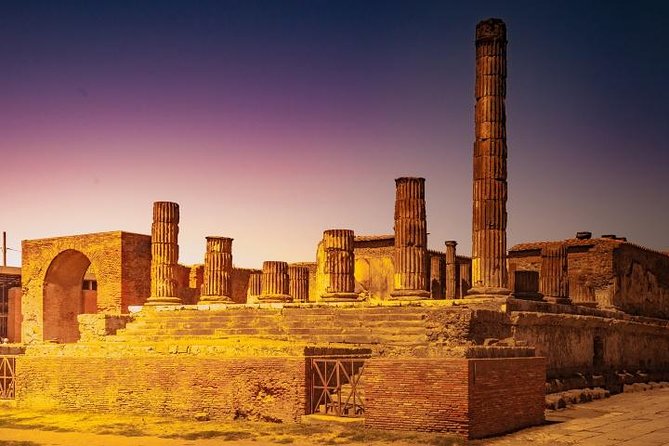
- A guided walk that hits major highlights like Villa dei Misteri, Temple of Apollo, Teatro Grande, and House of the Fauno.
- A long day with route add-ons can reduce your time for slow photos and extra questions.
- Two-language delivery is a real factor on this kind of tour, so plan to listen smart, not hard.
Getting Started: The 7:15 a.m. Coach Ride Out of Rome
The hardest part of this day trip isn’t Pompeii—it’s the early start. You’re looking at a 7:15 am start from the meeting point at Via Giovanni Amendola, 32, 00185 Rome. Depending on your booking, you may also have pickup options at select Rome hotels, but the cleanest approach is to follow the exact instructions in your confirmation so you don’t lose time.
Once you’re on the coach, you’re in “southern Italy mode.” The drive heads out from Rome into Campania, with frequent moments to orient yourself: road signs, small towns, and the gradual shift from city bustle to countryside and hill towns. It’s also where you can decide how you want to experience the day. If you’re a note-taker, this is your time to get names and dates into your head so Pompeii feels less like a blur once you arrive.
And since it’s a guided day, expect the coach ride to be part of the package, not just transport. The tour route can include a stop or pass near Montecassino, where the dramatic Benedictine abbey sits high on its hill. Even if you only get a quick look, it sets the tone: this is a region where history is stacked on history.
You can also read our reviews of more tours and experiences in Pompeii

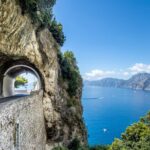
On the Road: Montecassino Views and the Campania Route to Pompeii
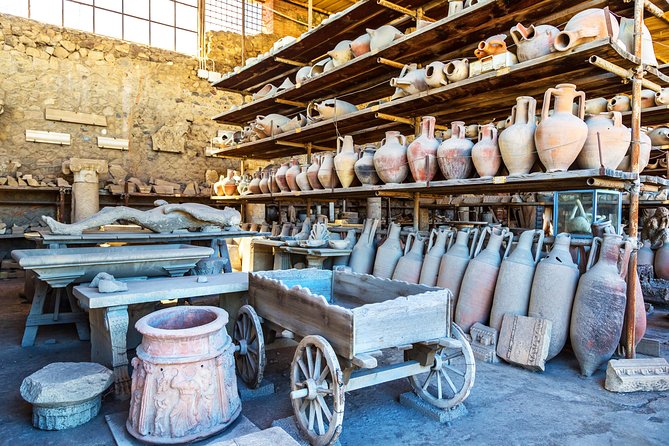
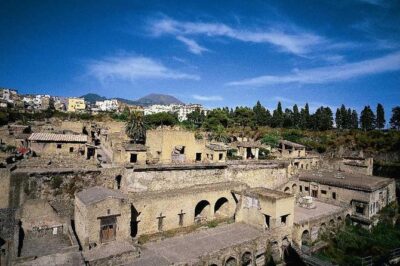
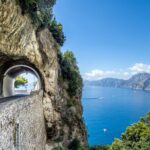
The drive south is built for people who don’t want to spend their morning figuring out trains and transfers. You’ll pass through places like Ercolano (the ancient Herculaneum), plus towns such as Torre del Greco and Torre Annunziata as you work your way toward the Pompeii area.
Here’s what I think is valuable about this approach: it turns a day trip into an “eruption corridor” story. Mount Vesuvius isn’t just a name you read on a sign. As you travel, you’re reminded that you’re moving through the same geographic zone that shaped what happened in AD 79.
Also, plan for a full-day rhythm. Several departures include bathroom and coffee stops on the way. Those are not glamorous, but they matter when you’re about to do two hours of walking in an archaeological park where shade can be limited.
Lunch in Pompeii: What You’re Actually Getting (and How to Not Get Burned)

Lunch is included, and it’s typically at a traditional local restaurant in the Pompeii area. That’s a big deal for a day trip. Without this, you’d be forced into the usual tourist-in-a-hurry plan: grab something near the ruins, eat standing up, and lose your appetite before you even start exploring.
Still, this is the part where you should manage expectations. Reviews show a wide range of outcomes: some lunches have been described as delicious, while others have flagged issues like slow service, slow food timing, or meals that didn’t match what people hoped for.
Two practical notes help you make lunch work:
- Drinks aren’t included. If you want water, juice, wine, or espresso, assume you’ll pay separately.
- If you have seafood allergies or dietary needs, don’t assume the restaurant will magically know. Even though special accommodations aren’t guaranteed in the tour details you have here, it’s smart to ask ahead of time when you book.
Some lunches may feature light entertainment at the restaurant level. That can be fun, but it also means service can run a bit differently than at a typical quick restaurant stop—so don’t plan on lunch being a 40-minute pit stop.
The Main Event: Archaeological Park of Pompeii and Its UNESCO Highlights
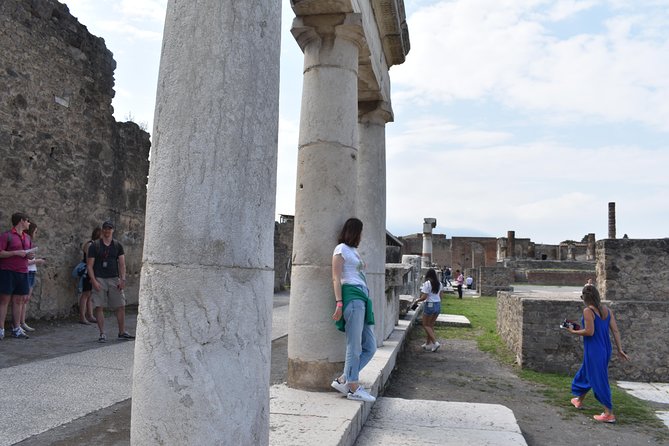
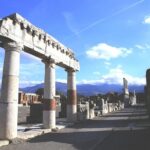
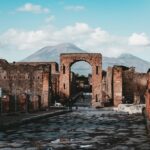
Pompeii is big. Like, really big. This is why a guided stop is so helpful. You’re going to the Archaeological Park of Pompeii, and your guided portion focuses on major sites tied to daily life in the ancient city and the shock of the Vesuvius eruption.
The highlights to look for include:
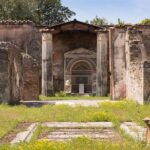
- Villa dei Misteri: a key villa with the kind of wall painting scenes you can’t fully appreciate from photos alone.
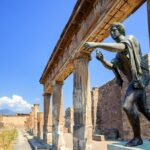
- Temple of Apollo: a strong example of the city’s religious architecture.
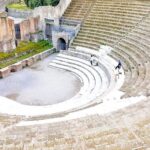
- Teatro Grande: a huge theater that shows how public life and entertainment worked at scale.
- House of the Fauno: often mentioned for what it reveals about wealth and domestic space.
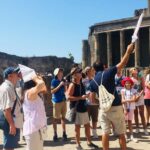
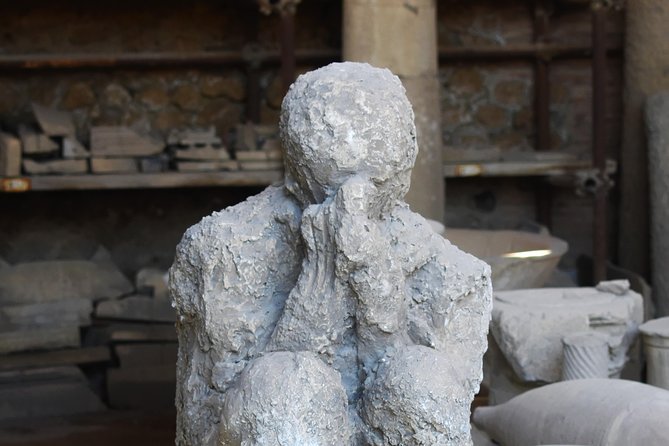
Your guide explains how the city was covered by volcanic ash and what archaeologists uncovered later. The most effective guides don’t just recite facts—they help you connect what you’re seeing to the lives that used to happen there: performances in the theater, worship at temples, movement through streets, and the shock of survival versus burial.
One thing I really like about this tour format: it’s structured enough that you can still understand what you’re looking at, even if you’re not an archaeology pro. And because Pompeii was a UNESCO-listed site, you get that sense that you’re not just checking boxes—you’re standing inside one of Europe’s most powerful time capsules.
The Two-Hour Reality Check: Making the Best of Your Time in Pompeii
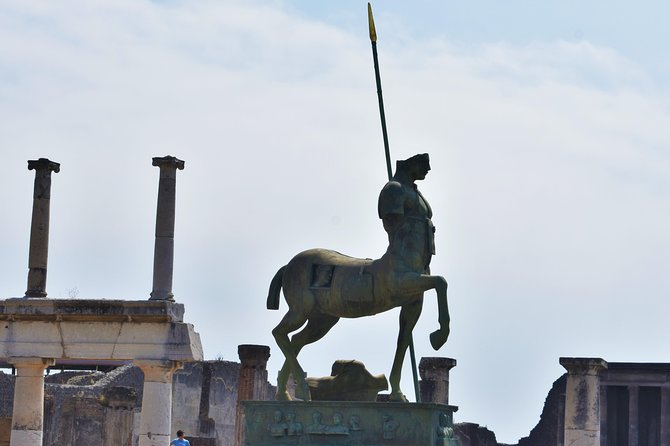
Your guided Pompeii stop is about 2 hours, and this is where you either win or lose the day. Pompeii can swallow time. In a normal situation—no tour—you could spend an entire day and still feel like you barely scratched the surface. On a day trip, you get a focused slice.
So what should you do?
- Prioritize photos, not every corner. Pick a few anchor areas you care about (for example, Teatro Grande and one major villa or temple).
- Ask one or two targeted questions early. If your guide is explaining in two languages, details may get repeated, and you’ll want your best chance at an answer while the group is still gathered.
- Plan for walking on uneven surfaces. It’s an archaeological park, not a smooth museum floor. Wear supportive shoes.
Shade is also inconsistent. Some people find enough coverage; others hit long sun stretches. If you’re visiting in warm weather, bring a hat and sunscreen even if the day starts cool.
Finally, listen smart. Several guides in the broader operation have used multilingual approaches. Some departures have also had guides like Guido handling bus narration and Nandio leading the Pompeii portion in some cases. Different accents and different language pacing can change what you catch, so keep your expectations realistic: you’re there for the site first, and the guide is there to help you read what you’re seeing.

Vesuvius and the Eruption Story You Can See in Front of You
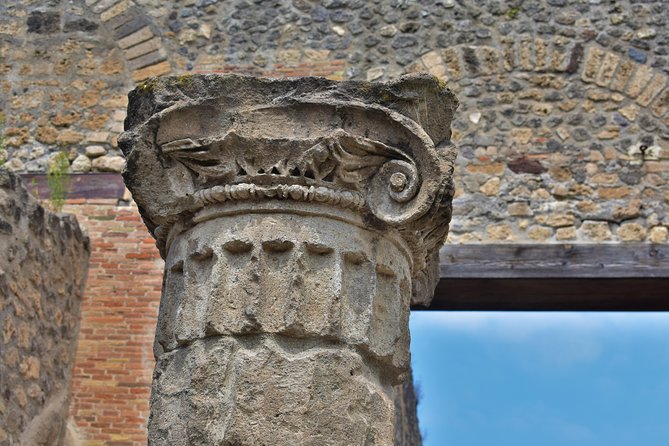
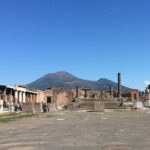
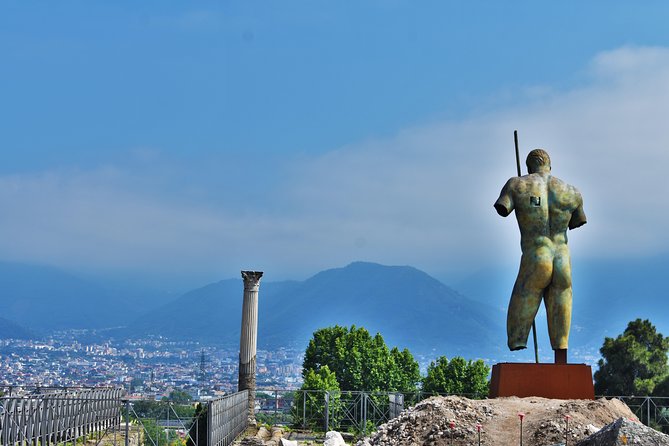
Even though your day is centered on Pompeii, the tour route builds in perspective toward Mount Vesuvius. You travel further south toward Vesuvius, and along the way you pass areas linked to ancient life in the region.
Here’s why that matters for understanding: Pompeii is not an isolated ruin. It’s part of a broader story about volcanic impact, human settlement, and what ash can preserve. When a guide describes the eruption in AD 79 while you’re actually standing among excavated buildings, the explanation stops being abstract.
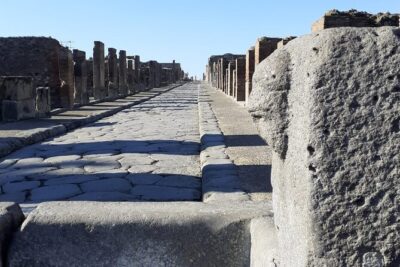
You also get a useful feeling for the scale of what happened. Pompeii was buried in volcanic material, but the street grid, the structures, and the public spaces still read like a living city—just interrupted.
If you crave a dramatic, adrenaline-focused side of Vesuvius, this specific tour doesn’t clearly promise a climb. So treat Vesuvius as an interpretive backdrop on this itinerary: approach, context, and understanding.
Naples Stops: The Part That Can Help or Hurt the Day
This tour can include a short Naples component on the way, and it’s the part that most often determines whether the day feels efficient or chaotic.
Some departures include:
- a brief panoramic drive component through Naples, and
- a stop connected to cameo or coral/cameo-style craft sales.
Here’s the key reality: if your group has split plans (for example, a portion going toward Capri), timing can shift and you may sit longer on the coach during transitions. That’s the tradeoff for convenience. You’re saving yourself planning time, but you don’t always control the schedule.
What to do if you care about this:
- If you want to maximize Pompeii, be mentally ready that Naples may be mostly about passing views rather than structured time.
- If craft shops aren’t your thing, decide in advance whether you’ll walk through briefly and then regroup quickly, or skip purchases entirely.
Some people love seeing how local goods are made. Others feel it’s a detour that sells more than it teaches. Your best bet is to treat craft stops as optional for your enjoyment level, not a requirement to validate your day.
Listening in Two Languages: How to Make the Guide Work for You
Multilingual tours can be great—until you realize how it affects pacing. When a guide repeats explanations across languages, the group may move more slowly through Pompeii. That’s especially noticeable in hot weather because every pause feels longer.
Practical fixes:
- Sit where you can hear clearly when you’re on the coach and in the early Pompeii orientation. If you’re near a speaker edge, you’ll lose fewer details.
- If you’re sensitive to audio issues, consider simple hearing support like earplugs (not noise-canceling if you’re worried about missing instructions).
- Keep your questions short. When language switching happens, long questions can stall momentum.
Also, if you really want a pure English-only experience, this is one of the first factors to verify before booking. This tour is offered in English, but it can also run multilingual. That mismatch is what causes the biggest frustrations for some visitors.
The “Is This Worth It?” Value Check for Your Day
Even without a price tag here, you can measure value in what you don’t have to do. This tour bundles:
- a local guide,
- a coach ride (air-conditioned),
- lunch,
- and Pompeii admission.
For many people, that bundle is worth it because Pompeii is hard to plan well on a tight schedule. The guided approach saves you from guessing which parts matter most. The included ticket saves you from last-minute logistics stress. And lunch being built into the schedule keeps you from losing half your day hunting for food.
But the value can shrink if you’re the type who hates:
- long driving hours,
- bilingual pacing,
- shopping-style stops,
- or limited time inside Pompeii.
In that case, it might be better to build a more self-directed day so you can spend more time where you want—whether that’s more of Pompeii itself or more time around Naples.
Practical Tips I’d Use Before You Go
Here’s how I’d set up your day so it feels smoother:
- Bring water even though lunch exists. Drinks aren’t included, and you might want more than one cup if the heat hits.
- Wear shoes made for uneven stone paths.
- Use sunscreen and a hat, especially for full-sun stretches.
- Pack a light layer. Coaches can swing from warm to chilly with air-conditioning.
- If you’re picky about audio, choose a seat that reduces noise and keep your eyes on the guide during transitions.
If you get the chance, ask how the Pompeii meeting point will work before you start walking. It’s easy to lose track on a large site when the day is moving fast.
Should You Book This Pompeii Day Trip From Rome?
Book it if you want:
- a guided, high-structure Pompeii visit with major highlights,
- included lunch and Pompeii admission,
- a simple “ride there, see the ruins, ride back” plan without train planning.
Think twice if you:
- hate multilingual pacing or need an English-only experience,
- want lots of free time in Pompeii for slow wandering and extra questions,
- dislike craft or sales-style stops,
- or have strict timing needs because Naples segments and group splits can extend the day.
If your heart is set on Pompeii, this is a solid way to do it—just go in with eyes open about the long day and the fact that you’ll get a curated slice of a massive place.
FAQ
How long is the Pompeii day trip from Rome?
It lasts about 13 hours (approx.), from the morning start to your return drop-off in Rome.
What language is the tour offered in?
The tour is offered in English, and it is also described as a multilingual tour.
Where does the tour start and what time is the departure?
The tour starts at Via Giovanni Amendola, 32, 00185 Rome, Italy, with a start time of 7:15 am.
What’s included in the price?
The tour includes a local guide, transport by air-conditioned coach, lunch, and the entrance ticket to the Pompeii ruins.
Is lunch included, and are drinks included?
Yes, lunch is included. Drinks are not included.
What should I know about cancellation and weather?
You can cancel up to 24 hours in advance for a full refund. The tour also requires good weather, and if it’s canceled due to poor weather, you’ll be offered a different date or a full refund.