REVIEW · POMPEII
Pompeii: guided tour of the ruins and cooking class fresh pasta
Book on Viator →Operated by Giardini Balestrieri · Bookable on Viator
Pompeii plus fresh pasta is a perfect pairing. I love the private ruins walkthrough that helps you make sense of the big sites fast, and I love the hands-on cooking where you use garden ingredients and make your own lunch. One thing to consider: the Pompeii entrance ticket costs extra and the day runs on a tight schedule, so you’ll want to plan ahead if you hope to linger in the ruins.
This is a small-group experience (max 10) that blends archaeology with food. You’ll visit major Pompeii landmarks with an on-the-ground guide, then head to Giardini Balestrieri for a relaxed meal experience with Gragnano DOC wine and countryside views of Vesuvius.
In This Review
- Key things to know before you go
- Private Pompeii Ruins: What You Actually Get Out of the Tour
- The Pompeii Walk: From Theaters to The Forum in Real Order
- Theaters, frescoes, and the “why this place matters” explanations
- Thermal baths: where architecture teaches everyday life
- The brothel and the forum: learning context, not just shock value
- Temples and basilica: the power centers in walking distance
- Stop 1 Logistics: Tickets, Walking Time, and Comfort
- After the Ruins: A Garden Meal With Vesuvius Views
- Cooking Class: Make Lunch From Campania Traditions (Not Just Watch)
- What you might cook (based on past classes)
- Appetizers, lunch, dessert, and the drinks plan
- Guides and Hosts: The Difference Between a Tour and an Experience
- How Long Should You Plan for After Lunch?
- Price and Value: What You’re Paying For (and What’s Extra)
- Who This Tour Fits Best
- Should You Book This Private Pompeii + Pasta Class?
- FAQ
- How long is the tour?
- Is the Pompeii entrance fee included?
- What food and drinks are included in the cooking class meal?
- What’s the maximum group size?
- Where does the tour start and end?
- What’s the cancellation policy?
Key things to know before you go
- Private guidance at Pompeii helps you focus on what matters instead of wandering among crowds and signage
- Campania cooking class in the countryside uses ingredients grown on-site, not just store-bought components
- Small group size (up to 10) makes it easier to ask questions and get real help while cooking
- A full meal setup includes appetizers, what you cook yourself, dessert, and drinks (including 1 glass of Gragnano DOC wine)
- A Pompeii plan matters because your entrance ticket is for one entry, and the schedule doesn’t pause for sightseeing detours
Private Pompeii Ruins: What You Actually Get Out of the Tour
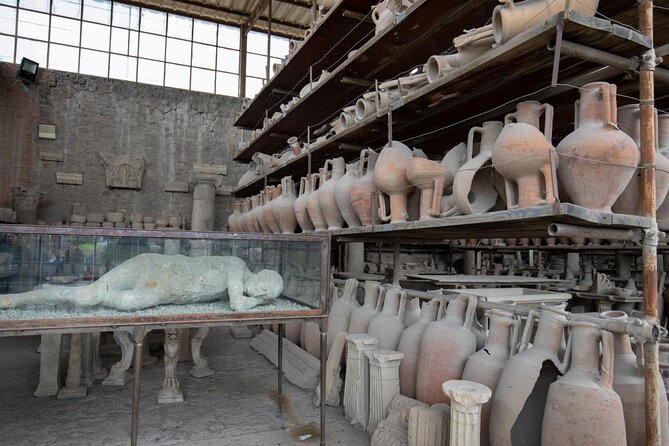
Pompeii can feel like a museum you walk through quickly—unless you have help. This tour is built around a guided route that covers the highlights you’ll otherwise miss or misunderstand. Expect a clear, step-by-step way to connect streets, buildings, and daily life in the Roman town.
I like how the pacing matches the sites. You’re not expected to read every fragment on your own. Instead, you’re guided through key areas like the forum, major temples, major public buildings, and homes with decoration worth stopping for.
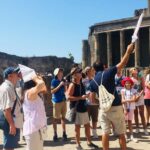
You’ll also benefit from the “small group” factor. With a maximum of 10 travelers, your guide can keep explanations moving while still answering questions without turning the day into a long lecture.
You can also read our reviews of more guided tours in Pompeii

The Pompeii Walk: From Theaters to The Forum in Real Order
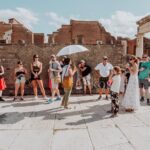
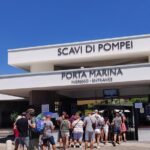
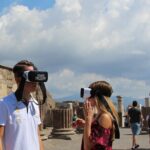
Your Pompeii portion starts at Scavi di Pompei (Viale delle Ginestre). From there, your guide leads you through a route that hits both public spaces and the more personal corners of the city.
Here’s what that journey looks like in practical terms:
Theaters, frescoes, and the “why this place matters” explanations
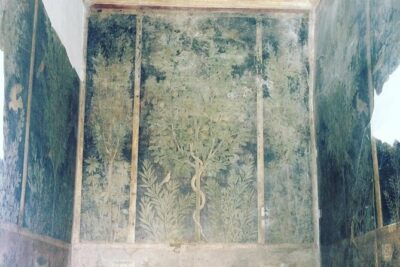
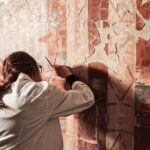
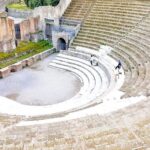
You begin with the theaters and move through areas that show how Pompeians entertained themselves and structured daily routines. Then you shift into the more visually rewarding side: houses with frescoes and decorative features. Even if you’re not a “details person,” this part helps you understand that Pompeii wasn’t only ruins—it was a living, decorated environment.
You’ll also walk along Via dell’Abbondanza, a main street lined with shops and workshops. That’s one of the best ways to get oriented fast: you see how the town functioned along a central artery, not just isolated rooms.
Thermal baths: where architecture teaches everyday life
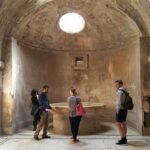
The thermal baths are one of those places where the building itself tells you the story. You’re shown the beautiful layout and key areas, so you don’t just see stone blocks—you understand the role the baths played in health, socializing, and routine.
A bonus: baths are also a good “breather” from the most crowded streets. You get a change of scenery while still staying in the Pompeii core.
The brothel and the forum: learning context, not just shock value
You’ll also visit the forum area with monuments, plus the brothel (House of Pleasure). This can be intense if you go in expecting only romance or spectacle. What makes it work on a guided tour is context—your guide helps you interpret what you’re seeing in a historical way.
When you’re on-site, keep your questions practical. Ask what the evidence indicates about daily life, not just why the site is famous.
You can also read our reviews of more cooking classes in Pompeii

Temples and basilica: the power centers in walking distance
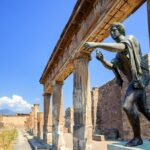
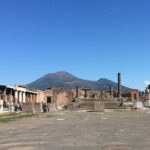
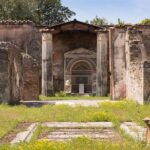
The route continues to the Temple of Apollo, the Temple of Jupiter, and the Basilica. These stops help you see Pompeii’s civic and religious importance. If you want the city’s “big picture,” this is where your understanding locks in.
Stop 1 Logistics: Tickets, Walking Time, and Comfort
The Pompeii visit is about 2 hours, and the entrance ticket is not included (listed cost: €20 per person). Plan for that extra step, because Pompeii tickets typically cover only one entry time window.
Also, Pompeii is stone, steps, and uneven ground. One of the reviews you can take seriously is the reminder that a foot injury slowed the group pace. If you have mobility concerns, consider booking earlier in the day and wear supportive shoes.
Language is English, which matters here. You’ll get more value if you plan to actively listen and ask questions as you move between major sites.
After the Ruins: A Garden Meal With Vesuvius Views
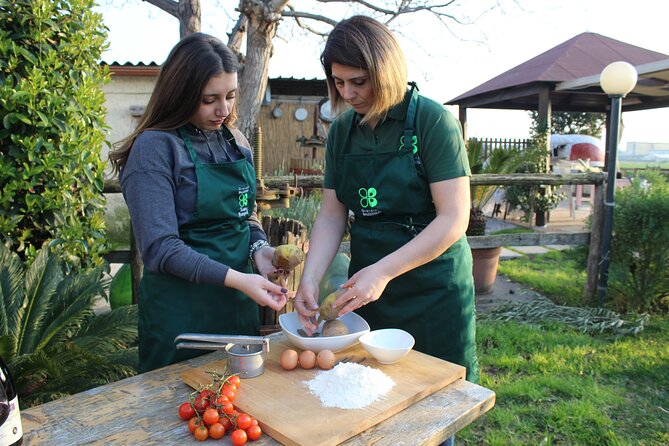
After you finish the guided ruins portion, you head out to a garden in the Pompeian countryside—Giardini Balestrieri is part of the experience name you’ll see tied to the provider. The setting is the mood shift you want after hours of history: olive and citrus trees, open air, and views toward Vesuvius and the Lattari Mountains.
This is where the “value” of the combo tour shows up. You’re not just paying for a second activity. You’re also getting a full meal built around the place you’re visiting.
You’ll prepare and enjoy lunch in this garden setting, and the meal is paired with wine from Gragnano.
Cooking Class: Make Lunch From Campania Traditions (Not Just Watch)
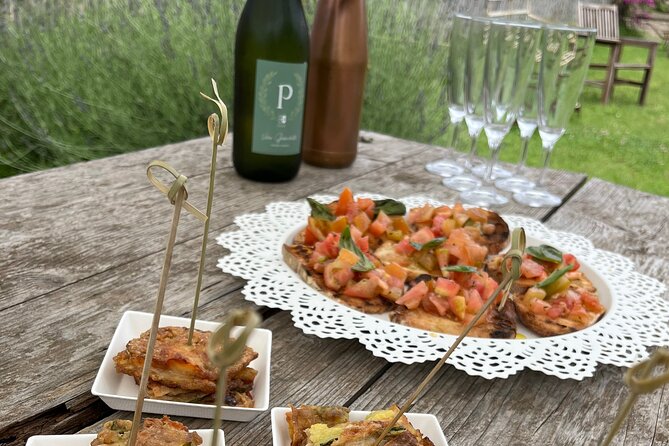
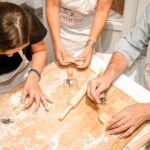
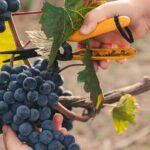
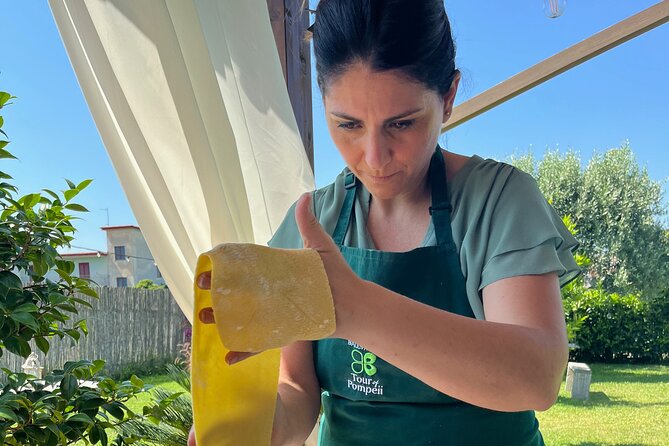
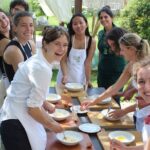
The cooking portion runs about 3 hours. You’re taught how to cook a typical dish from the Campania region, and you also use produce picked from the garden—so the “from scratch” claim here actually means something.
What you might cook (based on past classes)
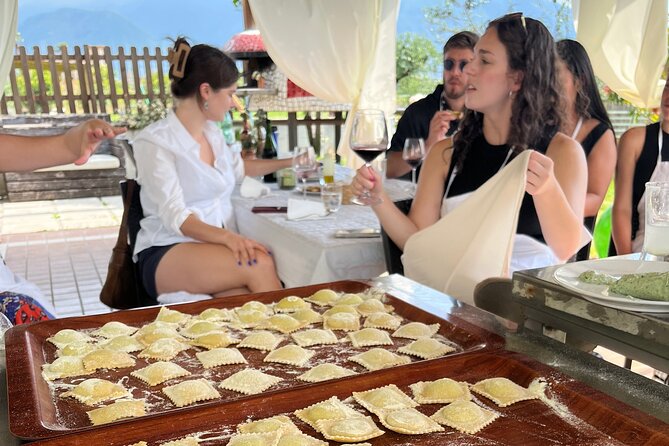
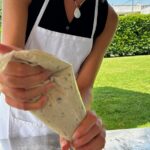
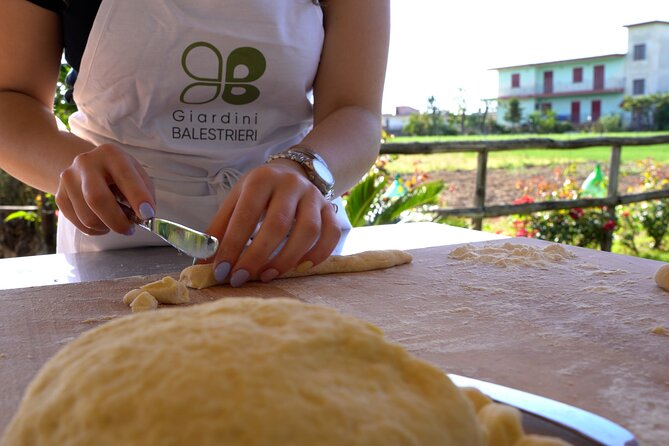
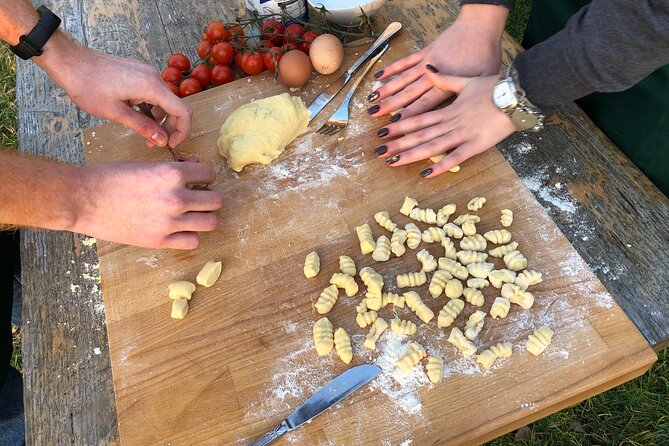
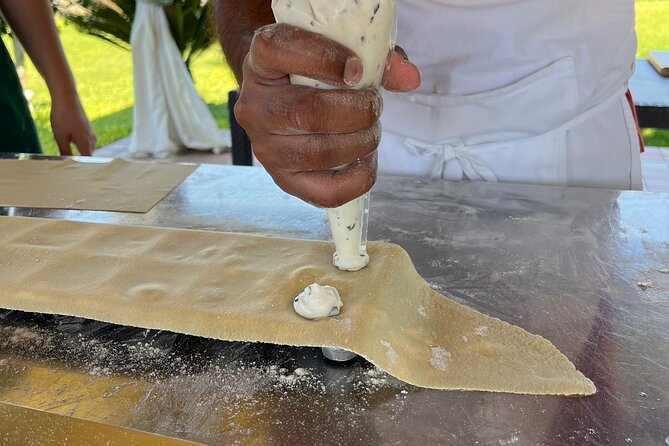
The exact dish can vary by group, and the cooking class format stays hands-on either way. Based on prior experiences shared for this activity, you may make ravioli (with a ricotta and spinach filling) or gnocchi (including potato gnocchi). You might also start with simple appetizers like bruschetta using fresh vegetables from outside the kitchen area.
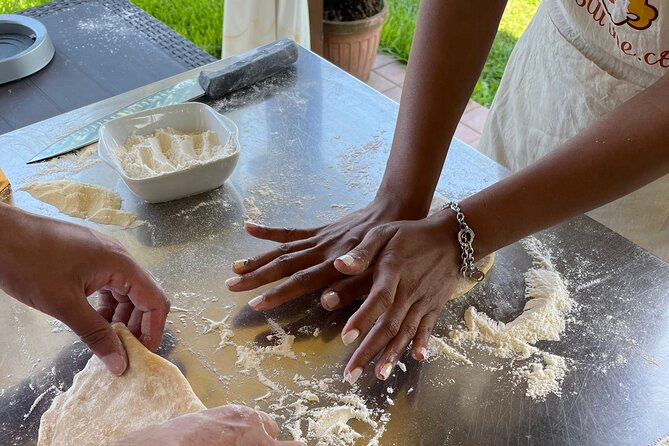
The key point for you: you’re not sitting back while someone else cooks. You’ll get tools, get a station, and make your own portions.
Appetizers, lunch, dessert, and the drinks plan
You’ll get a meal flow that feels like an Italian afternoon, not a rushed class. Expect appetizers, then your pasta or gnocchi preparation and boiling, and then a dessert. Past groups have done things like lemon cake and tiramisu, so it’s likely to be a sweet finish you can look forward to.
Drinks include soda/still and sparkling water, plus 1 glass of Gragnano DOC wine. You’ll also likely be able to ask questions as you eat—this part often turns into relaxed conversation about ingredients and techniques.
Guides and Hosts: The Difference Between a Tour and an Experience
This kind of tour lives or dies on the humans running it. The ruins guide is typically a deep explainer—one example that came up is Clelia, who led a clear, highlight-focused Pompeii walkthrough. Another example is Lello, described as an expert who helped people learn fast even without relying on maps and signs.
Then there’s the host side for the garden and cooking portion, where the host’s personality changes the energy. You may be welcomed by people like Sabrina or Rosalba, and in some cases you may meet family members involved in the meal, including Pasquale and Maria Rosaria, depending on the group and class day.
I can’t promise which names you’ll get. But I can tell you this: when your experience is run by knowledgeable guides and a real home-team, the day feels personal instead of transactional.
How Long Should You Plan for After Lunch?
The tour ends back at the meeting point. Most of the day is scheduled, and the cooking portion has a natural rhythm: prep, cook, eat, dessert. If you want extra time inside Pompeii beyond the guided route, you’ll need to think carefully.
Here’s practical advice that’s worth repeating: if you’re hoping to add extra ruins time, do it earlier in the day if your ticket is one-entry only. Otherwise, you might find you can’t just “go back later” without paying again.
Price and Value: What You’re Paying For (and What’s Extra)
At $300.40 per person, this isn’t a budget tour. But it also isn’t just a generic guided walk.
You’re paying for:
- a guided Pompeii route focused on major highlights
- private transportation
- a hands-on cooking class plus a full meal experience
- drinks, including Gragnano DOC wine
What’s extra:
- Pompeii entrance ticket: €20 per person
So the best way to view the cost is as a bundled day of two different types of guides—one for archaeology, one for food—plus transportation and a full sit-down meal. If you would otherwise do Pompeii plus a separate food experience, this combo is often the smoother (and sometimes cheaper) way to get both.
Also, the small group size matters here. With max 10, you’re not competing for attention, especially during the cooking part where you’ll want real feedback.
Who This Tour Fits Best
This tour is ideal if you want Pompeii to feel understandable, not just impressive. You’ll like it if you enjoy a mix of sightseeing and hands-on food.
It can work well for:
- couples and small groups who don’t want to merge into a large crowd
- people who like asking questions and getting clear explanations
- food lovers who want to cook something real, not just taste it
- travelers who want a countryside pause with views of Vesuvius
If you prefer highly independent travel—long unguided wandering—or you hate walking on uneven stone, you may find the schedule and terrain less comfortable.
Should You Book This Private Pompeii + Pasta Class?
Yes, if your ideal day includes a guided Pompeii route plus a real, hands-on Campania cooking class in a garden setting with wine. The format is built for value: you get expert attention in the ruins and then a home-style meal experience that doesn’t feel like a restaurant stop.
Book with caution if you’re the type who wants to spend unlimited extra time in Pompeii on your own. The entrance ticket is an extra cost, and the schedule is tight enough that you’ll want to plan your timing carefully before you arrive.
If you want a day that feels both educational and delicious, this is a strong choice.
FAQ
How long is the tour?
The total experience runs about 5 to 6 hours.
Is the Pompeii entrance fee included?
No. Pompeii ruins tickets cost €20.00 per person and are not included.
What food and drinks are included in the cooking class meal?
You’ll get soda/still and sparkling water, dessert, and lunch (or dinner). Alcohol included is 1 glass of Gragnano DOC wine.
What’s the maximum group size?
The activity has a maximum of 10 travelers.
Where does the tour start and end?
It starts at Scavi di Pompei, Viale delle Ginestre, 80045 Pompei NA, Italy, and it ends back at the meeting point.
What’s the cancellation policy?
Free cancellation is available. You can cancel up to 24 hours in advance for a full refund.