REVIEW · POMPEII
Pompeii Visit at its Most Peaceful Moment
Book on Viator →Operated by Albireo Travel · Bookable on Viator
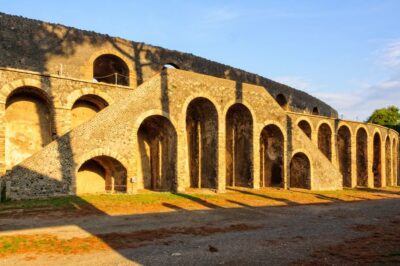
Sunset turns Pompeii into a hush. This 2-hour closing-time visit is designed so you see the UNESCO ruins when most people have already gone, with your guide taking you through the major highlights at a cooler hour.
I especially like the crowd-free feel—small group, fewer faces, and more space to think while you walk. I also like that you get a Blue Badge guide and a skip-the-line setup, so the experience starts quickly and stays focused on what you came to see.
One thing to consider: the tour length is about 2 hours, and in some seasons you can run short on daylight. If you’re visiting when sunsets happen early, you may need to accept a slightly brisk ending.
In This Review
- Key takeaways before you go
- Why after-hours Pompeii feels like the place you expected
- Meeting at Hotel Vittoria and getting in fast
- Pompeii in two hours: thermal baths, forum, theater, and more
- The thermal bath area
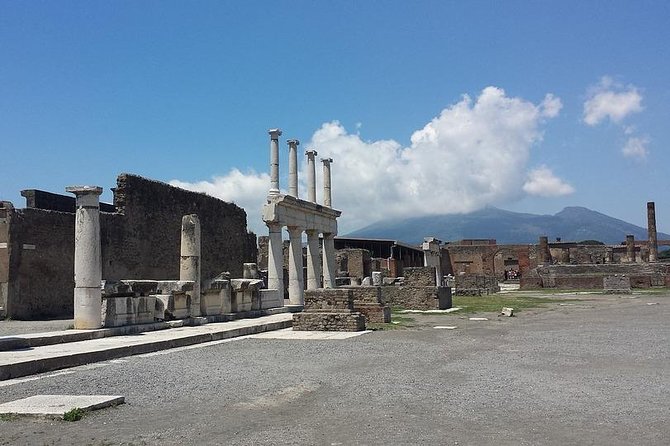
- The forum
- The theater
- What fits in the shorter window
- Sunset timing: when light can be your boss
- Small group + Blue Badge guide: how it changes what you see
- Price and entrance fees: what’s the real value?
- Who should book this peaceful-moment Pompeii tour
- Should you book this peaceful-moment Pompeii tour?
- FAQ
- How long is the Pompeii tour?
- What time of day do we visit Pompeii?
- Where is the meeting point?
- Is entrance to Pompeii included?
- How many people are in the group?
- What is the cancellation policy?
Key takeaways before you go
- After-hours timing: the ruins feel calmer, and the heat is lower than midday.
- Skip-the-line + guide: you spend more time inside and less time stuck waiting.
- What you’ll see: the thermal bath area, forum, theater, and key parts of the park.
- Small group size: capped at 15 travelers, which helps the guide keep things personal.
- Sunlight matters: sunset is a feature, but it can also limit how much you fit in.
Why after-hours Pompeii feels like the place you expected
Pompeii is famous, but daytime can feel like a checklist under pressure. This tour leans hard into the opposite idea: go late, see the ruins in softer light, and enjoy the site before it gets full again—or full at all.
That timing changes everything about the pace of your visit. You’re still looking at massive stone history, but you’re doing it when the air cools down and the crowds aren’t pressing in from every direction. It’s the kind of experience where you can actually stop and study details instead of moving only when the group moves.
And because it’s an UNESCO World Heritage Site, you’re not just sightseeing—you’re seeing a place that’s been preserved because it matters. The guide’s job is to connect what you’re looking at to how the city worked, so it stays meaningful even when you’re walking at sunset.
You can also read our reviews of more tours and experiences in Pompeii.


Meeting at Hotel Vittoria and getting in fast
You meet back at Hotel Vittoria, Piazza Esedra, 80045 Pompei NA, Italy, and the tour ends back there too. It’s a helpful setup if you want a simple start-and-finish with minimal “where do we go now?” stress.
You’ll have a mobile ticket, which is convenient if you’re already juggling train times and dinner plans. And because the tour includes skip the line, you’re less likely to waste your limited time waiting outside while the line grows.
A small-group tour also tends to move more like a guided walk than a stampede. With a cap of 15 travelers, the guide can slow down when a question matters and speed up when you’re ready. That’s a big deal at Pompeii, where stopping in the wrong spot or at the wrong moment can turn a good view into a bottleneck.
Pompeii in two hours: thermal baths, forum, theater, and more
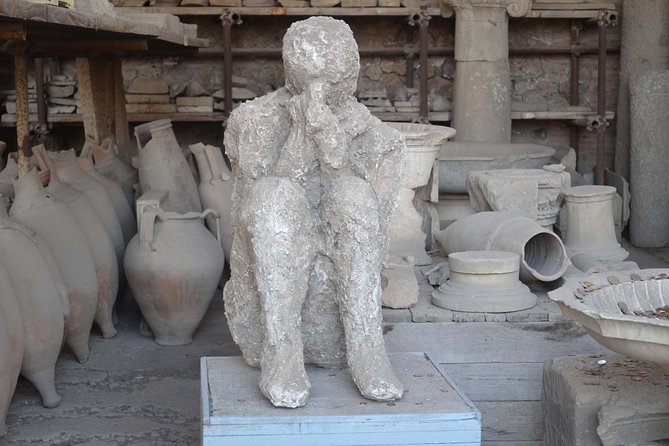
The core experience here is a guided loop through Pompeii’s key areas, paced for late-day energy. You’re at the Pompeii Archaeological Park for about 2 hours (approx.), and you’ll focus on major sights rather than trying to sprint across the entire site.
The thermal bath area
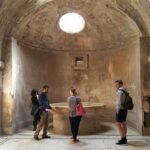
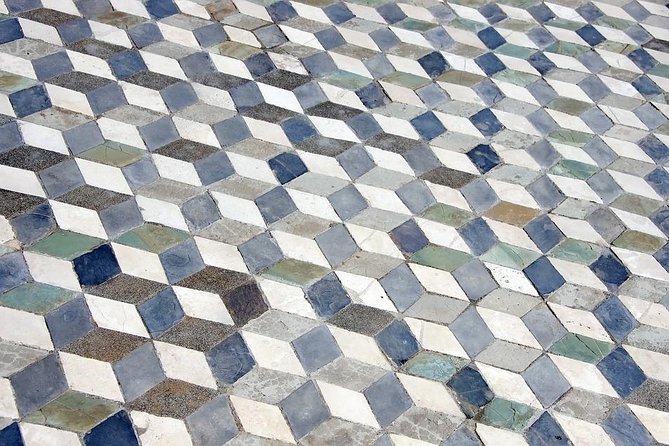
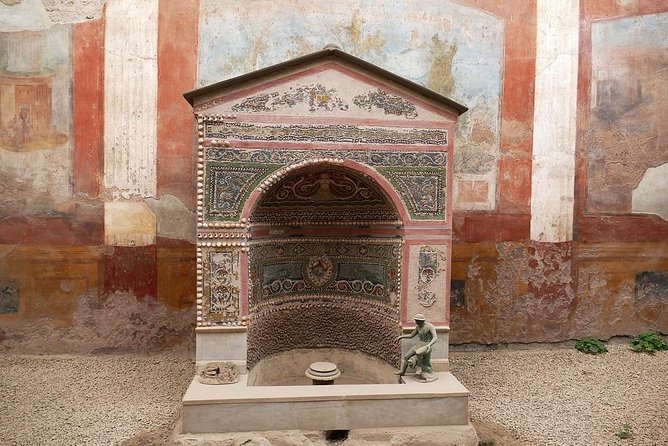
Pompeii’s bath spaces are one of the best places to understand daily life. Even if you’ve only seen photos, being there in person helps you grasp how social and practical the bathing system was.
With the guide leading you through, you’re not just looking at walls and tiles. You get interpretation that connects the layout to how people moved through the space. In a shorter tour window, that context saves you from getting lost in details that don’t automatically explain themselves.
The forum
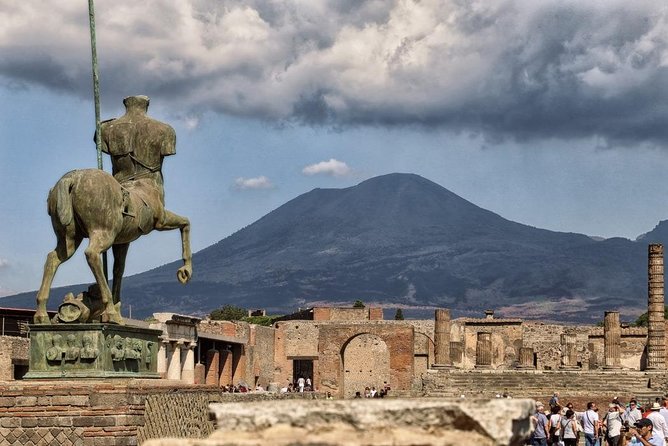
The forum is where power, commerce, and community show up in the stones. It’s also the area where the city feels most “alive” in your imagination—because it was built for public life.
A good guide helps you read the space. You learn what to look for and why certain structures mattered. That’s how the forum stops being an open plaza of ruins and becomes a real snapshot of Roman urban life.
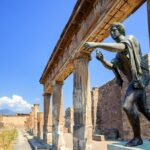
The theater
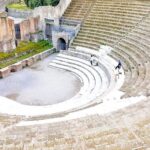
The theater adds a different flavor: performance and gathering. Pompeii wasn’t only houses and markets; it was also a cultural stage.
One highlight you may hear about during this kind of tour is how the stadium areas were used for events. Guides sometimes share stories tied to concerts and public gatherings, which helps the theater and entertainment spaces feel less like empty seats and more like places with rhythm and noise.
What fits in the shorter window
A 2-hour tour is a trade-off. You don’t see everything Pompeii has to offer, and that’s true of every shorter plan. But this one is built around the big anchors—thermal baths, forum, theater, and additional key stops—so you leave with a strong, coherent picture.
The drawback is that you might finish while you still want more time. Some visitors note the tour can wrap earlier if light fades, especially in months when sunset comes fast.
Sunset timing: when light can be your boss
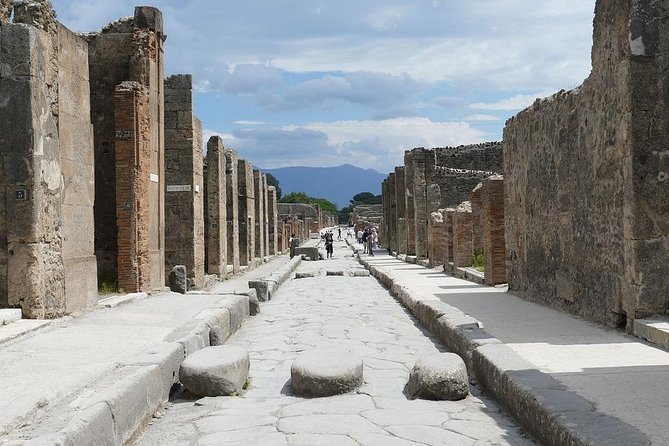
This tour is designed to start when the big crowds are gone and the temperature drops. That’s the main reason sunset tours work so well at Pompeii: you’re seeing a UNESCO site with fewer interruptions and more comfort.
Still, sunset is both the magic and the constraint. If you’re visiting in a season where sunset is early, you can run out of daylight before the full route feels complete. One practical suggestion: if you’re traveling in early fall, plan your expectations for shorter viewing time and consider arriving with a flexible schedule so you’re not forced into a rushed recovery plan afterward.
Also, sunset changes how stone looks. You’ll notice shadows carving forms that can look flat in harsh midday sun. That’s a plus—just remember that photographic light can disappear quickly, especially once clouds roll in or the clock moves faster than the itinerary.
Small group + Blue Badge guide: how it changes what you see
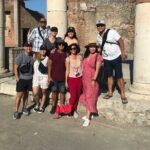
The most consistently praised part of this tour is the guide. You’ll be with a Blue Badge guide, and in the Naples/Pompeii area you might encounter guides such as Giovanni, Giovanna, or Paulo. The common thread in the experience is passion and clear explanations—so Pompeii stops being a confusing grid of ruins.
In a small group of up to 15 people, you’re more likely to get answers. The guide can point out the details that matter for understanding daily life and city planning, and you can actually hear them without fighting noise.
This is also where the skip-the-line benefit pays off. If you arrive and spend 30 minutes waiting, your energy drops before you even begin. Here, you’re starting the interpretation early, so the time you pay for feels more “used.”
One extra benefit: some guides bring out how the site was used for public gatherings, not just everyday living. If you’re interested in the human side of Pompeii—people watching events, not only people living quietly—this is a format that tends to deliver.
Price and entrance fees: what’s the real value?
The tour price is $142.42 per person for about 2 hours, with a mobile ticket, a Blue Badge guide, and skip the line included.
Where value gets a little tricky is entrance fees. The description language suggests entrance is included, but the fine print you’ll see can also indicate entrance fees are not included. Because of that mismatch, you should verify what your ticket covers before you show up—especially if you’re traveling with tight timing.
So how should you judge the price?
- You’re paying for time efficiency (skip the line).
- You’re paying for interpretation (Blue Badge guide).
- You’re paying for timing (a late-day slot that avoids the worst crush and heat).
If you’d be spending that same money piecing together your own plan, the guided structure usually wins. If you prefer independent exploration, you may feel constrained by the 2-hour duration. But if you’re the type who wants Pompeii to make sense fast, this format often feels like a good use of your limited hours in the region.
Who should book this peaceful-moment Pompeii tour
This is a strong fit if you want:
- Pompeii without the daytime stress, especially the heat and crowd squeeze.
- A guide-led route that hits the must-see anchors quickly.
- A plan that feels realistic for an evening schedule.
It’s also a good match for families, with guides known to keep things engaging for kids. If you’re traveling with younger travelers, the calmer pace at sunset can make ruins feel less overwhelming.
On the other hand, it may not be ideal if you’re the kind of traveler who wants to wander slowly for hours, taking your time in every corner. The tour is about 2 hours, and some people wish it started a little earlier or ran a bit longer when the light disappears.
And because it’s a moderately physical experience, you’ll want comfortable shoes and a willingness to walk a fair amount at the archaeological park pace.
Should you book this peaceful-moment Pompeii tour?
If your main goal is seeing Pompeii with your brain switched on—less heat, fewer crowds, more guide-led clarity—this tour is a smart choice. I like it most when you have limited time and you want the big highlights—thermal baths, forum, theater, and key ruins—without spending your day in lines.
Before you book, do one quick check: confirm whether entrance fees are covered in what you’re buying. Also look at the month you’re going. If sunset is early for your dates, treat the finish time as flexible and plan an evening with breathing room.
If you want Pompeii at its calmest, this closing-time approach is exactly the kind of practical, human-sized way to experience one of Italy’s biggest historical stages.
FAQ
How long is the Pompeii tour?
The guided visit runs for about 2 hours.
What time of day do we visit Pompeii?
It’s a late closing time tour designed so you enter when most visitors have already left and the site is cooler, often with the experience tied to sunset.
Where is the meeting point?
You meet at Hotel Vittoria, Piazza Esedra, 80045 Pompei NA, Italy, and the tour ends back there.
Is entrance to Pompeii included?
The information provided is mixed: the description says entrance is included, but the details also note that entrance fees may not be included. I recommend verifying what entrance costs are included in your booking before you go.
How many people are in the group?
The tour has a maximum of 15 travelers.
What is the cancellation policy?
You can cancel for a full refund up to 24 hours before the experience starts. If you cancel less than 24 hours before, the amount paid is not refunded.