REVIEW · POMPEII
Pompeii with an archaeologist, small group!!!
Book on Viator →Operated by Naplesprit · Bookable on Viator
Pompeii is a time machine you can walk through. This small-group visit uses an archaeologist guide to help you make sense of everyday Roman life in the city buried by Vesuvius in 79 AD. I like that the format feels built for real understanding, not just a photo stop, and you’ll cover the big-name areas fast enough to stay in the magic light.
Two things I really like: first, you’re capped at 12 people, so questions don’t get swallowed by a crowd. Second, the guide approach is tied to daily routines, so you’re not just staring at ruins—you’re learning how people lived, shopped, bathed, and relaxed.
One consideration: the tour runs about 2 hours, so it’s not meant to be a slow, linger-everywhere day. If you want to read every inscription and wander long distances on your own, you may feel a bit rushed.
In This Review
- Key things to know before you go
- Pompeii in 2 Hours: What You’ll See and Why It Matters
- Late-Afternoon Timing: Heat and Crowds, Managed
- Meet Your Archaeologist Guide: Why the Small-Group Pace Works
- The Pompeii Stop-by-Stop Highlights (and What to Watch For)
- Typical houses and their decorations
- Shops at street level
- Thermal baths (yes, this is a big deal)
- Theater and public entertainment
- The lupanary (a reminder that city life included adult spaces)
- “Moving molds” and what they convey
- Price and Value: Is $66.09 Worth It?
- Who This Tour Suits Best (and Who Might Want Something Else)
- Practical Tips for Getting the Most from Your Pompeii Walk
- Should You Book This Pompeii Small-Group Archaeologist Tour?
- FAQ
- How long is the Pompeii with an archaeologist small-group tour?
- Is the tour offered in English?
- What’s the group size limit?
- Do I need to print a ticket?
- Where does the tour start and end?
- What if the weather is poor or I need to cancel?
Key things to know before you go
- Small group (12 max) keeps the pace human and helps you actually ask questions.
- Archaeologist-led explanations connect buildings to daily Roman habits, not just dates.
- Afternoon timing is planned to reduce heat and crowds, with better light at the end of the day.
- Pompeii Express entrance is included, and you’ll use a mobile ticket.
- Highlights mix classic sights with everyday spaces like shops and homes.
- English guide keeps the experience smooth if you don’t want to translate in your head.
Pompeii in 2 Hours: What You’ll See and Why It Matters
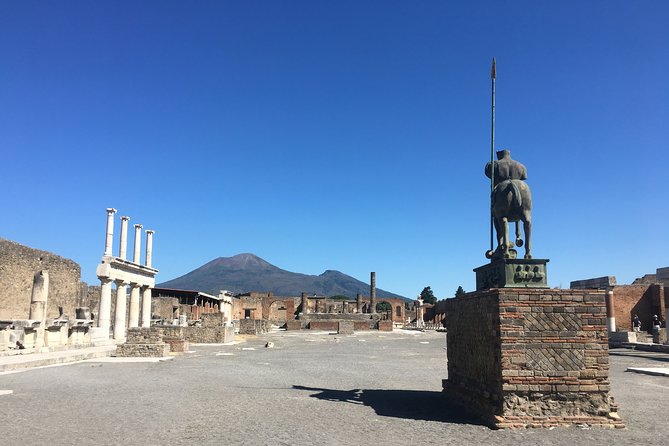
Pompeii covers about 66 hectares, and yet this tour aims to help you grasp the whole idea of the city without getting lost in a sea of stone. You’re looking at a Roman city that was buried after the eruption of Vesuvius in 79 AD, which is why Pompeii can feel so strangely complete. Instead of random ruins, you get a layout that makes sense: houses beside shops, public buildings near neighborhoods, and spaces for daily routines.
The best part of this kind of visit is learning how to read the site. A Roman house isn’t just a wall with columns; it’s a system built around how people moved, met guests, stored goods, and displayed status. Shops aren’t just “rooms you can look into”; they show how commerce worked at street level. Even the public side of town—like entertainment and bath areas—helps you understand what a day out or an evening routine might have looked like.
You’ll also get an emphasis on daily life and habits. That theme matters because Pompeii can otherwise turn into a list of pretty ruins. Here, the goal is for you to leave with a clearer picture of what ordinary life involved, not only what made the city famous.
You can also read our reviews of more tours and experiences in Pompeii.



Late-Afternoon Timing: Heat and Crowds, Managed
This is built as an afternoon tour designed to avoid the worst of the heat and the crowds. That’s a practical win in Pompeii, where weather and visitor numbers can swing your comfort fast. Even if you’re a history fan, you’ll enjoy the visit more when you’re not fighting sun fatigue every ten minutes.
The other reason the afternoon timing matters is the light at the end of the day. Roman streets and shaded courtyards look better when the sun is lower. It’s also a time when you can see details—doorways, worn steps, and textures—that get lost when everything is washed out by midday brightness.
Because the tour is weather-dependent, you should plan to stay flexible. Good weather is required, and if conditions aren’t right, you’ll be offered a different date or a full refund. That’s not just fine print; it’s directly tied to how enjoyable Pompeii will feel in real life.
Meet Your Archaeologist Guide: Why the Small-Group Pace Works
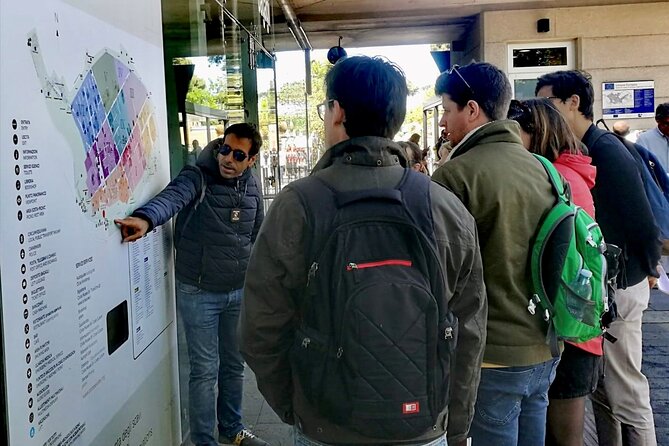
You’ll go with an archaeologist guide, and the difference shows up in the way the tour flows. An archaeologist tends to connect what you see with how archaeologists interpret evidence—how spaces were used, what might have mattered to residents, and why certain features show up the way they do. That’s exactly what you want here because Pompeii is not just scenery; it’s a preserved snapshot of a living place.
The small-group size is also a big deal. With 12 people maximum, you’re not stuck watching someone else’s back for the whole time. You’ll have more chances to ask straightforward questions and get answers that match what you’re standing next to.
One guide name came through strongly in reviews: Luca. People praised Luca as competent and friendly, and that combination matters. Pompeii is intense. If your guide is clear and relaxed, you’ll absorb more without feeling like you’re being rushed through a classroom lesson.
The Pompeii Stop-by-Stop Highlights (and What to Watch For)
This tour focuses on the most famous and important areas of ancient Pompeii, but the emphasis is on understanding rooms and functions. You’ll cover several major categories that together tell the story of Roman life.
Typical houses and their decorations
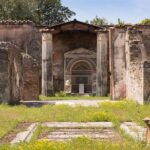
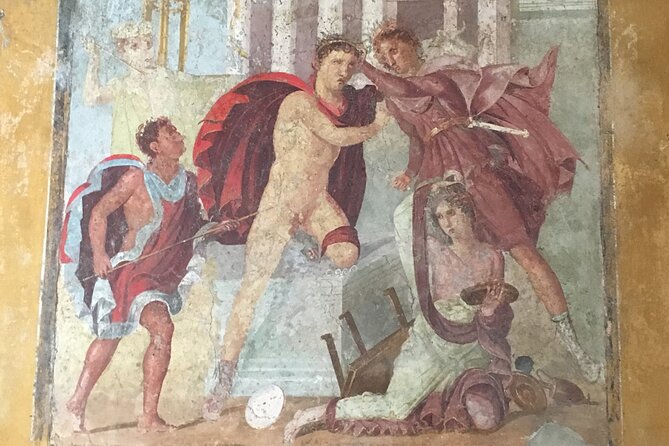
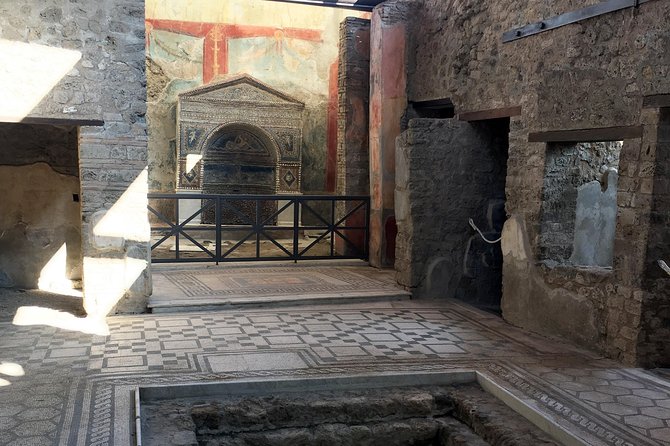
You’ll see the “typical house with its decorations,” which is the part of Pompeii that helps you understand home life and social identity. Pay attention to how decorative elements relate to everyday movement. In Roman houses, ornament usually wasn’t only for show; it often reinforced status, taste, and how residents expected guests to perceive them.
What you’ll likely find useful here is that the guide ties house features to habits—where people gathered, how interiors might have felt, and how the house worked as both private space and public-facing space.

Shops at street level
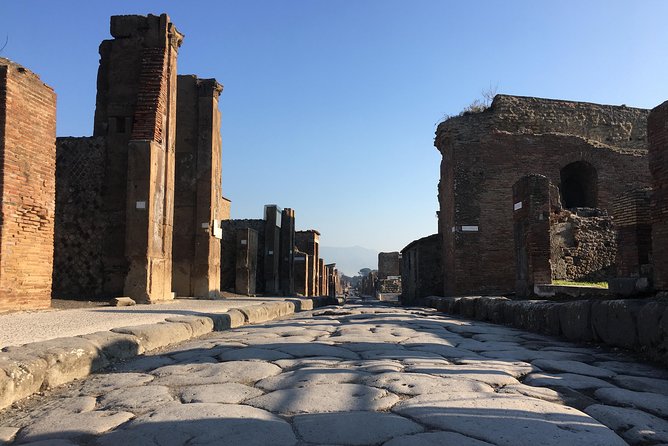
Shops are one of the best ways to make Pompeii feel like it was functioning yesterday. This isn’t just about seeing commercial space; it’s about understanding that a Roman city ran on small-scale daily transactions. Watch for the layout and the idea of a street-front business. You’re trying to picture the rhythm: residents moving through the same places where goods were sold and used.
If you like practical details—how people lived day to day—this stop is a highlight because it connects ruins to routine.
Thermal baths (yes, this is a big deal)
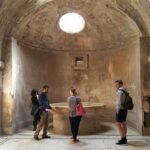
Pompeii’s thermal baths are a standout category on this route. Baths weren’t only about hygiene; they were social and part of leisure time. Even with limited time, this kind of stop helps you understand that daily life included communal spaces and set routines.
When you’re there, look at the structure as a system. Think about flow: where you might have changed spaces, how different rooms could have served different purposes, and how bath-going fit into a larger day.
Theater and public entertainment
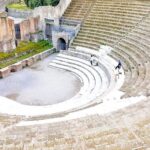
You’ll also visit the theater. This category matters because it shows how public culture worked. Pompeii’s entertainment spaces help you understand the civic side of the city—events that pulled people together and reinforced shared public life.
Even if you don’t know the performance details, the physical layout can teach you a lot. You’re basically learning how a public venue organized crowds and experience.
The lupanary (a reminder that city life included adult spaces)
The tour includes the lupanary. This is one of those stops that can shift your mood fast, because it’s not “museum-clean.” It helps you understand that Pompeii included adult venues and that Roman city life included a full range of experiences, not only the respectable postcard version.
If you’re sensitive to mature subject matter, it’s good to know this is part of what’s covered. On the flip side, if you want a straight read of daily life, this stop fits the tour’s goal.
“Moving molds” and what they convey
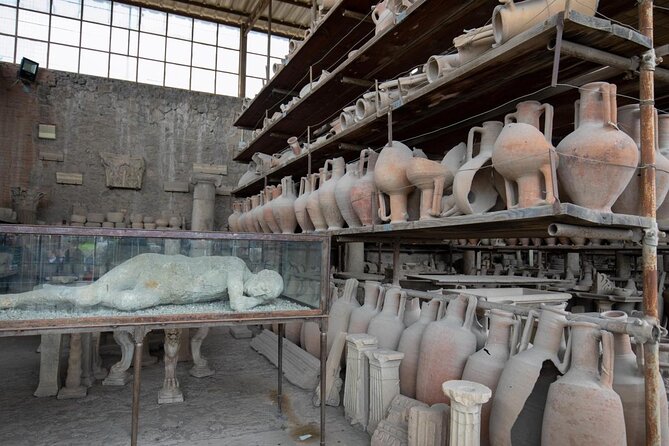
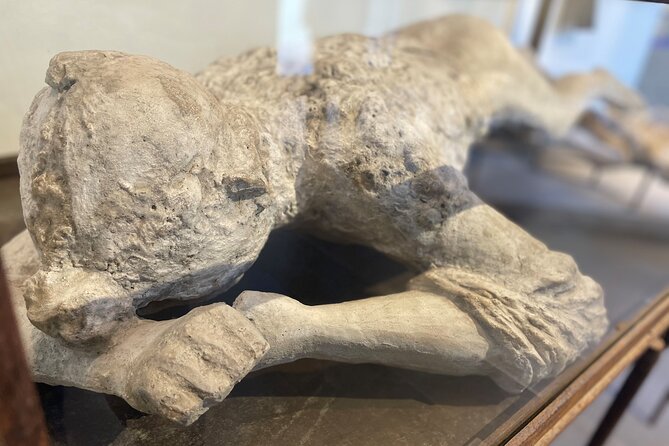
The itinerary also mentions moving molds. The key point for you is that this tour doesn’t only show architecture; it points you to features that communicate what happened during the disaster, using preserved material evidence. It’s the kind of stop that tends to stick with people because it turns a historical event into something more tangible.
You don’t need to be an expert to enjoy it. Just stay present and let your guide explain what the site is showing in that moment.
Price and Value: Is $66.09 Worth It?
At $66.09 per person for about 2 hours, the value here comes from the mix: small group size, an archaeologist guide, and an express entrance option bundled in. For Pompeii, those three ingredients add up fast if you were to do it on your own—especially the guide piece. A good guide is what turns a walk through ruins into an organized understanding.
The tour also includes a mobile ticket, which helps cut friction when you arrive. You’re not paying separately for a ticket and then piecing together your own route with uncertain timing.
What isn’t included is lunch. For a 2-hour tour, that’s usually fine, but you should plan where you’ll eat afterward. If you’re coming from a day of travel, building in time for food matters more than you’d think.
Overall, if you want a high-impact Pompeii experience without spending a full day, this price can make sense. If you’re the type who wants to wander slowly and read everything, you might compare this against a longer independent visit and decide which style fits you better.
Who This Tour Suits Best (and Who Might Want Something Else)
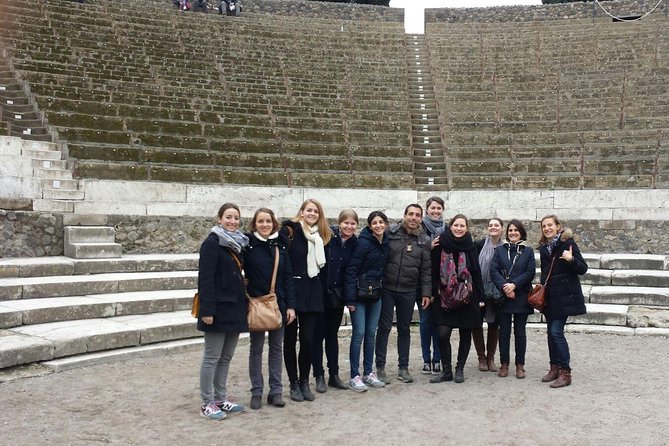
This tour is a strong fit for families, photography lovers, and people who like archaeology. Families often benefit from a guided structure—kids can get restless when the day is only wandering, but a two-hour storyline gives everyone something to track. Photography fans also tend to like the timing plan, since late-day light can help your photos.
If you’re traveling with someone who thinks Pompeii is overwhelming, this is the kind of tour that can make it click. You won’t be stuck trying to decode every building yourself.
Who might choose a different option? If you’re the type who wants to spend most of the day exploring at your own rhythm, a two-hour format could feel limiting. You’ll see key areas, but you won’t have time to do a deep, slow pass through every detail.
Practical Tips for Getting the Most from Your Pompeii Walk
You don’t need special prep, but you do need basic comfort. Pompeii is an outdoor site, and even with heat and crowd planning, you’ll still want to dress for walking. Comfortable shoes matter more than you think.
For photography, it helps to keep your phone charged and ready. The tour ends back at the meeting point, so you won’t be thinking about where to go next—you can focus on capturing angles while your guide is explaining what you’re seeing.
Also, remember the tour is in English and starts at a specific meeting location. Arriving a few minutes early helps your head settle before you start moving.
Should You Book This Pompeii Small-Group Archaeologist Tour?
I’d book this if you want a structured Pompeii experience with an archaeologist guide, a cap of 12 people, and a route designed for afternoon comfort. It’s a good match for travelers who want understanding, not just sightseeing—and the guide quality seems to matter a lot, especially with Luca being described as both competent and friendly.
You might skip it if you’re after a long, self-paced day where you can stop and read every inscription with zero time pressure. With about two hours, you’ll get the essentials and the “how Romans lived” message, but you won’t have unlimited wandering time.
FAQ
How long is the Pompeii with an archaeologist small-group tour?
It lasts about 2 hours.
Is the tour offered in English?
Yes, the experience is offered in English.
What’s the group size limit?
It’s a small group with a maximum of 12 travelers.
Do I need to print a ticket?
No. It uses a mobile ticket and includes the Pompeii Express entrance ticket.
Where does the tour start and end?
It starts at Ristorante Suisse, Piazza Esedra 10/13, 80045 Pompei NA, Italy, and it ends back at the same meeting point.
What if the weather is poor or I need to cancel?
The experience requires good weather. If it’s canceled due to poor weather, you’ll be offered a different date or a full refund. You can cancel for a full refund up to 24 hours before the start time.