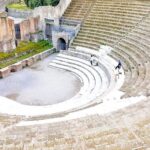
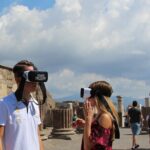
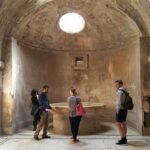
Pompeii is huge and easy to mess up. This 2-hour guided walk focuses you on the best stops, from Roman streets to the plaster casts, with help that gets you inside faster. I especially like the skip-the-line ticket element and the plain-English explanations that make everyday life and disaster feel real. One thing to watch: the Pompeii park entry ticket isn’t included, and it’s now nominative, so you’ll need your ID or passport.
If you’ve ever tried to “wing it” in Pompeii, you know the ruins can blur together fast. With a guide, you get the structure—what to see, where to stand, and what you’re actually looking at—without spending your limited time wandering for the next square or bathhouse. I also like that the tour is in English, with a pace that aims to cover the planned highlights instead of just a couple of monuments.
A possible drawback is logistics around tickets and entrances. You’ll want to plan your timing carefully, because getting the right entry ticket (with matching personal details) is part of the experience math, even though the guide covers the walking tour.
In This Review
- Key things to know before you go
- Why a guided tour makes Pompeii feel doable
- The 2-hour Pompeii route: what you’ll actually see
- Roman streets, shops, baths, and houses
- Quick reality check
- Temples, the main square, and the brothel stop
- The plaster casts: where the story gets personal
- Tickets, skip-the-line, and the nominative ID rule
- Price and value: is $120.68 worth it?
- Who should book this Pompeii tour (and who might not)
- Should you book this guided Pompeii experience?
- FAQ
- How long is the guided Pompeii tour?
- What is included in the price?
- Is the tour private?
- What language is the tour offered in?
- Do I need a ticket for Pompeii entry?
- What ID or documents do I need to bring?
- Where does the tour start and end?
Key things to know before you go
- Skip-the-line help at the entrance so you lose less time right at the start
- A focused 2-hour route through Pompeii’s biggest, most meaningful sights
- Commentary that explains daily life and the destruction of the city, not just what buildings are called
- A scheduled stop to see the famous plaster casts of Vesuvius victims
- The tour is private (only your group), which usually makes questions easier
- Pompeii park entry requires a nominative ticket plus ID/passport checks
Why a guided tour makes Pompeii feel doable

Pompeii’s not a “grab a map and wander” site. The park is sprawling, the landmarks are scattered, and signage doesn’t always tell you what matters first. For me, the biggest value here is that the guide gives you order: you’re not just walking around—you’re building a mental map as you go.
I also like that this tour is designed around time limits. You get about two hours in the ruins, so you’re moving efficiently through major areas like streets, shops, baths, houses, temples, the main square, and the famous plaster casts. That structure matters because the best sites in Pompeii can be far apart, and once you’re tired, it’s hard to enjoy the details.
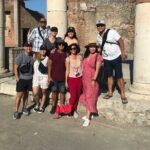
If your guide is the well-regarded Linda (mentioned frequently in experiences), you may get an approach that’s equal parts clear explanations and human tone. One helpful detail from her style: she’s described as friendly, funny, and the kind of person who asks questions to keep you engaged. That matters in a site where it’s easy to stare silently at stone and wonder what you’re supposed to notice.
You can also read our reviews of more guided tours in Pompeii


The 2-hour Pompeii route: what you’ll actually see

This is a single-stop format: you spend your time inside Pompeii Archaeological Park on a guided route designed to hit the “can’t-miss” areas. Expect the walk to cover the big layout beats—street-level life, public spaces, domestic buildings, and key religious or civic spots—then culminate at the plaster casts.
Here’s how the route tends to feel: you start with Roman streets and everyday settings, then move into places that show how people ate, bathed, shopped, and lived. After that, you shift into civic and religious areas (temples and the main square), and eventually land on the most haunting stop: the casts.
The practical advantage is pacing. A guide helps you avoid the common trap of spending the first 45 minutes only figuring out where you are. And because it’s offered in English, you won’t lose time translating or guessing what a building is and why it mattered to 79 AD residents.
One more thing: admission to the park is not included in the tour price. The guided part is what you’re paying for, plus the help that comes with entering faster—so make your plan for tickets early.
Roman streets, shops, baths, and houses
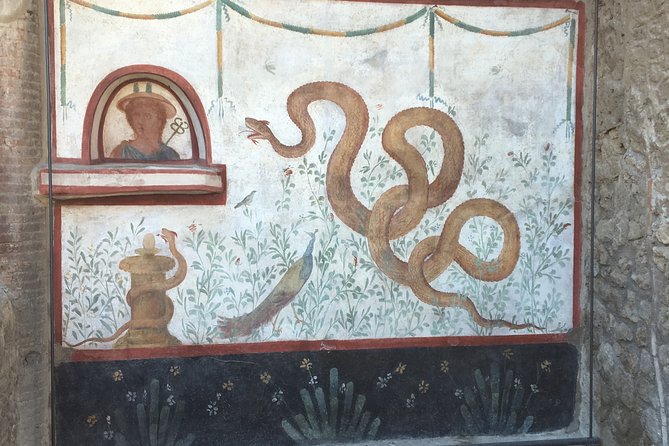
This is the part of Pompeii where it starts to click. You see the bones of daily life: street layouts, storefronts, and the kind of “city blocks” that show how people moved, traded, and socialized. Instead of just looking at columns and walls, you’re learning what these spaces were for.
You’ll also spend time around public baths and ancient houses. That’s important because Pompeii isn’t only big monuments—it’s also private routines. Baths show communal behavior and health habits. Homes show how space was organized and what residents likely valued, from room arrangement to how areas were used.
A good guide can make these details stick. The commentary on this tour is meant to explain not only what survived, but what the city functioned like before Vesuvius changed everything. If you’re someone who likes understanding context—how people lived, worked, and spent their time—this portion is where the two hours can feel most worthwhile.
Quick reality check
It’s still walking on uneven, ancient surfaces. If you’re planning for comfort, wear supportive shoes and give yourself a little buffer for slow steps between areas.
Temples, the main square, and the brothel stop
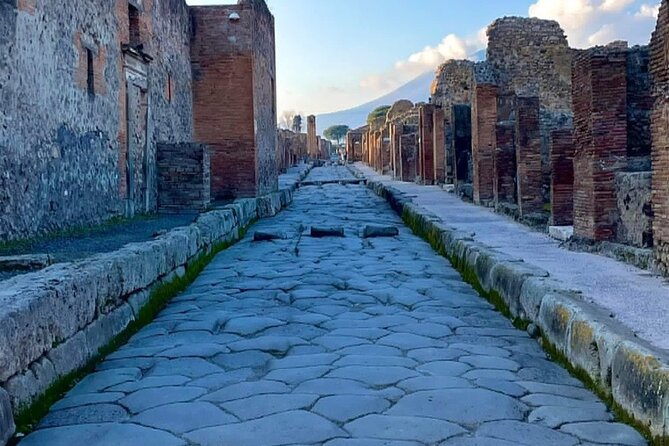
Pompeii’s civic and religious spaces help you understand the rhythm of public life. On this route, you’ll cover key temples and the main square, which together show the social side of the city—how people gathered for civic matters and why certain spaces mattered.
You’ll also see the brothel, which is one of the more talked-about stops for a reason. It offers a rare, direct look at how prostitution functioned in the city and how commercial activity operated in an urban setting. If you’d rather keep things strictly “ruins and romance,” this stop might feel a bit heavy. But if you want a fuller picture of daily life, it’s hard to skip.
This is where a guide’s job gets especially useful. You don’t want to just recognize a building type—you want to understand why that place is located where it is and what clues Pompeii preserved for us. A good explanation helps you connect the dots between street life, public gathering spaces, and the city’s economic behavior.
The tone here matters too. With guides like Linda described as personable and engaging, the explanations can feel like a conversation rather than a lecture—useful in a site that can otherwise feel like an endless stone classroom.




The plaster casts: where the story gets personal
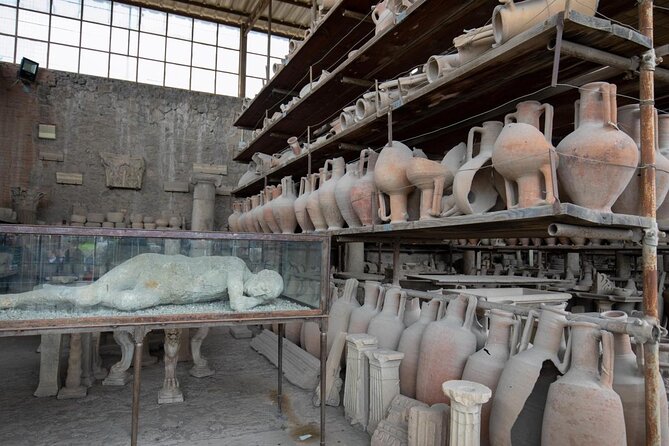
The stop at the plaster casts is the emotional center of Pompeii tours for good reason. These casts show the positions of people caught in the catastrophe, turning the disaster from an event you read about into something you can actually picture.
This is not just a photo stop. Plan to spend a few quiet minutes looking carefully and letting the shapes and placement make sense. A guide’s commentary is especially helpful here, because the casts can feel overwhelming if you don’t know what you’re seeing and why it matters.
If you’re the type who needs context before emotion, you’ll likely appreciate the tour’s explanation of how Pompeii was destroyed and what that meant for the city’s inhabitants. That background helps the casts land with more meaning and less confusion.
Just be ready for the contrast: earlier stops are about streets, shops, baths, and homes. Then the tour shifts hard into survival and loss. That emotional pivot is part of what makes Pompeii unforgettable.
Tickets, skip-the-line, and the nominative ID rule
Here’s the biggest practical point to get right: the park entry ticket is not included. And since November 2024, Pompeii park tickets are nominative, with a daily limit of 20,000 admissions.
What nominative means for you:
- When you buy your park ticket online, you should enter your personal details correctly.
- You must bring your ID or passport to show when you enter.
- If your party includes multiple people, you’ll need the ID/passport for each person tied to the ticket.
There’s also a note on what happens if you don’t have a pre-purchased ticket: you can buy at the ticket counter, but the ID/passport checks still apply, and limits still matter.
So where does the “skip-the-line” advantage come in? Your tour includes skip-the-line ticket help, and the guide can help you move through entry-related steps more smoothly. The key is to treat skip-the-line as “less waiting,” not as “no ticket requirements.” You still need your park ticket.
One practical tip that can save stress: if you’re coming from the train station area, you may find entry for ticket pickup calmer by using an entrance at the bottom of the road instead of the main station entrance—this has been shared as a way to cut down queue time.
Price and value: is $120.68 worth it?
At $120.68 per person, this tour sits in the “pay to save time and confusion” category. You’re not paying for transportation, and the Pompeii park admission is extra. But you are paying for focused guiding across the site’s main highlights in about two hours, plus help getting into the ruins faster.
Here’s the value logic I use:
- If you’re short on time in Naples/Pompeii and want to leave with a clear sense of Pompeii’s layout, a guided route usually pays off quickly.
- If you plan to visit without a guide, you’ll likely spend extra time figuring out what to prioritize and where to go next—time you can’t easily replace.
- If you like commentary—how daily life worked, what happened during the eruption—you’ll get more out of the plaster casts and street-level ruins.
Private tour format also tilts value. Because it’s private and only your group participates, it tends to feel less rushed and less awkward for questions. That matters for Pompeii, where everyone has the same problem: there’s too much to see.
I’d call it a good value if you’re the type who wants the right balance: top sights, clear explanations, and fewer wasted minutes.
Who should book this Pompeii tour (and who might not)
This works best for you if:
- You want an English-language guided experience in about two hours
- You’d rather see the major parts of Pompeii with structure than chase individual stops on your own
- You care about understanding how people lived and what Vesuvius changed
It may not be ideal if you want a long, slow day to roam every corner. Pompeii can easily eat half a day or more if you’re exploring at your own pace, reading details, and stopping often.
Also consider your ticket mindset. Because the Pompeii entry ticket is nominative and linked to ID/passport checks, you’ll want to be organized. If you’re traveling with confusion around names or documents, this adds a layer you’ll have to manage.
If you’re comfortable with practical planning and prefer guided clarity, you’ll likely find this style of tour hits the sweet spot.
Should you book this guided Pompeii experience?
Yes—if you want a straightforward, high-impact Pompeii visit where you spend your time looking at the right things. The skip-the-line help, the two-hour structure, and the focus on major ruins plus the plaster casts make it a strong choice for a first visit or a tight schedule.
I’d book it if you’re prepared for the entry ticket requirement and can bring the correct ID/passport tied to your nominative tickets. If that part feels like a hassle, you might prefer a more flexible plan where you can spend more time resolving ticket issues.
FAQ
How long is the guided Pompeii tour?
It’s about 2 hours (approx.) inside Pompeii Archaeological Park.
What is included in the price?
You get a two-hour guided tour in Pompeii. The Pompeii archaeological park admission ticket is not included.
Is the tour private?
Yes. This is listed as a private tour/activity, and only your group participates.
What language is the tour offered in?
The tour is offered in English.
Do I need a ticket for Pompeii entry?
Yes. The park admission ticket is not included with the guided tour, and since November 2024 it is nominative with a daily limit of 20,000 visitors.
What ID or documents do I need to bring?
Because the ticket is nominative, you should bring your ID or passport to show before entering. If your party has multiple members, you may need the ID/passport of each person tied to the ticket.
Where does the tour start and end?
It starts at 80045 Pompei, Metropolitan City of Naples, Italy, and ends back at the same meeting point.