REVIEW · POMPEII
Guided tour of Pompeii with a writer
Book on Viator →Operated by Morosofi Guided Tours · Bookable on Viator
Pompeii is famous, but it can also feel like a museum maze. This tour keeps your feet moving while the guide turns the ruins into people’s daily routines—homes, shops, and social life—so the site makes emotional sense fast. I like how the story stays practical, with questions worked in naturally rather than a lecture that runs out of steam.
What I really enjoy is the writer-style storytelling the guide brings. The name that shows up again and again is Sara Prossomariti, and her approach (energy, humor, and clear explanations) is built for adults and kids alike. You’ll also appreciate that the route is shaped by what’s actually accessible, since the park can close sections and the tour follows those real boundaries.
The main trade-off is simple: entrance tickets aren’t included in the price, so you’ll need to add that cost on your side. Also, you should be ready for walking on uneven ground, with the tour aimed at guests with moderate physical fitness.
In This Review
- Key Highlights You’ll Care About
- What You’re Really Buying: A Pompeii Tour With Human Stories
- Tour Price: What $173.47 Gets You (and What It Doesn’t)
- Meeting at Piazza Porta Marina: Where Your Day Starts
- Inside Pompeii Archaeological Park: Houses, Shops, a Spa, and Real Constraints
- Why this stop works for first-timers
- A word on pacing and walking
- The “Writer” Approach: How Sara’s Style Makes Pompeii Make Sense
- What You’ll Learn (Without Feeling Like It’s a Lecture)
- Private Tour Benefits: A Better Day for Families, Friends, and Question-People
- Practical Tips Before You Go
- Should You Book This Pompeii Tour?
- FAQ
- Is the Pompeii entrance ticket included?
- How long is the guided tour of Pompeii?
- Where does the tour start?
- Is this a private tour?
- Do I get a mobile ticket?
- What fitness level do I need?
- Are service animals allowed?
- When will I get confirmation after booking?
Key Highlights You’ll Care About
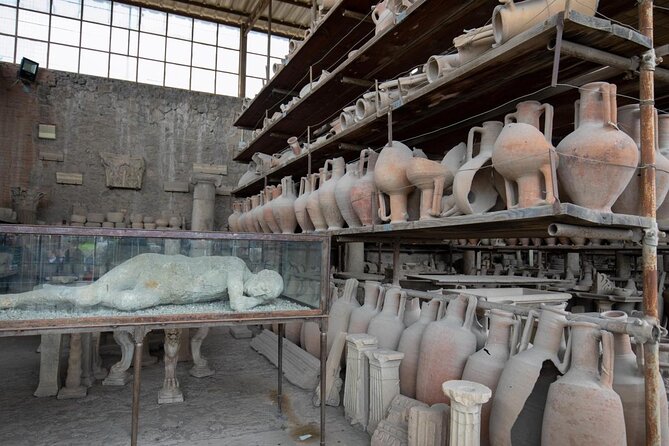
- Daily life focus, not just big monuments: you’ll look at houses, shops, and other everyday spaces through how people lived.
- Sara Prossomariti’s storytelling style: lots of humor and practical explanations that hold attention for kids and teens.
- Route adjusted to park closures: what you see depends on what the Pompeii site is allowing that day.
- Licensed guide for a smoother visit: you’re not left decoding things on your own.
- Private tour format: only your group, so you can ask questions and move at a pace that fits.
- Mobile ticket included: you handle the tour reservation with a phone ticket, while entrance tickets are separate.
What You’re Really Buying: A Pompeii Tour With Human Stories
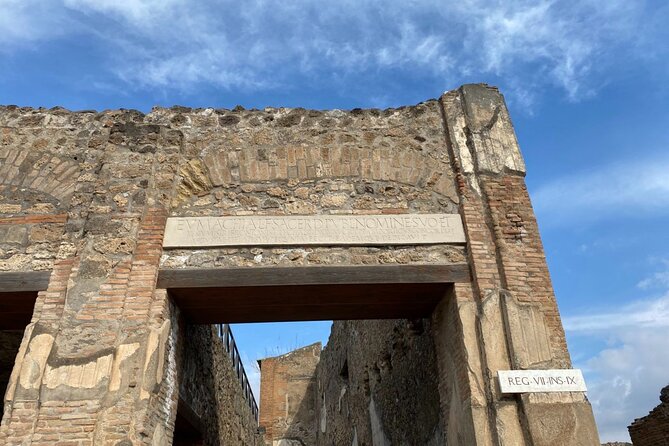
For Pompeii, the biggest value isn’t the word “ancient.” It’s context: how someone woke up, worked, shopped, cooked, visited friends, and handled daily life—then how an eruption changed everything. That’s the heart of this experience. Instead of treating the site like a checklist, the guide connects buildings to the people who used them, including details about social life and what conditions were like for women at the time of the eruption.
I also like that the tour is described as light and accessible. That matters at Pompeii, where the temptation is either to sprint through or to get stuck in slow, dense commentary. Here, you get explanations that aim to stay understandable for anyone in the group, including families.
The guide is licensed, and the format is a private tour. That small detail can change the whole day. You’re more likely to get follow-up answers, and you don’t have to stand around waiting for a large group to catch up.
You can also read our reviews of more guided tours in Pompeii


Tour Price: What $173.47 Gets You (and What It Doesn’t)
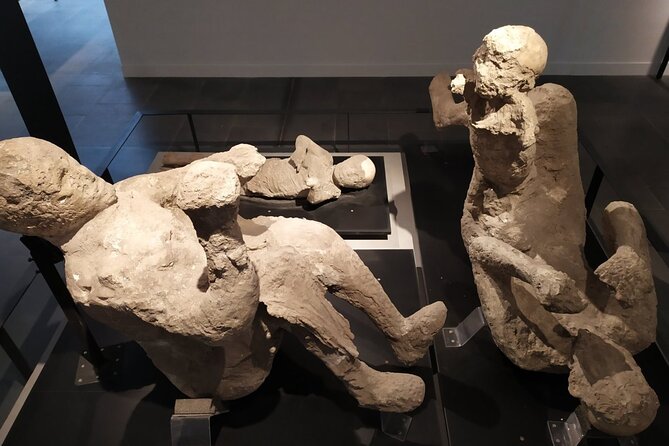
The price listed is $173.47 per person for a guided visit of about 2 to 3 hours. Here’s the honest value math: you’re paying for the guide and the structure of the visit, not for the Pompeii entry ticket.
Entrance tickets are not included. So when you budget, add the cost of admission to the headline tour price. Even so, a guided experience can still be good value because Pompeii can chew up time if you don’t know where to focus or how to interpret what you’re seeing.
There’s also a practical benefit: you’ll use a mobile ticket for the tour itself. That usually makes check-in simpler and reduces the stress of coordinating a meeting point on-site.
Meeting at Piazza Porta Marina: Where Your Day Starts
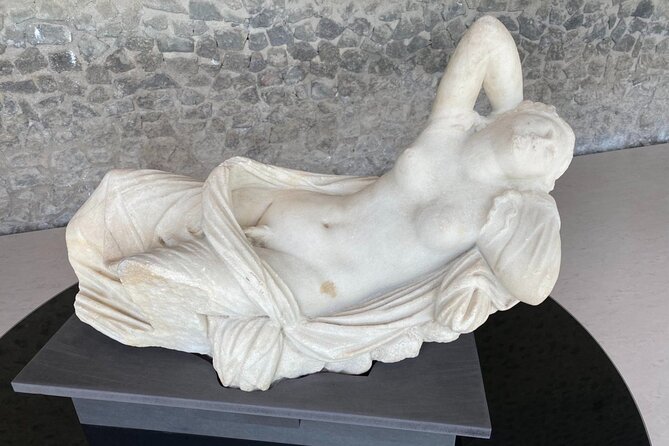
Your tour begins at Piazza Porta Marina, 80045 Pompei NA, Italy. This matters more than it sounds, because Pompeii is a big site and timing can slip when you’re trying to figure out where the group meets.
The good news: the location is near public transportation, so it’s easier to build the day around other stops in the region. The tour also ends back at the meeting point, which helps you plan lunch or onward travel without needing a complicated pickup.
Private tour plus a fixed meeting point is a solid pairing. You spend more of those 2 to 3 hours walking through Pompeii and less time “finding the group.”
Inside Pompeii Archaeological Park: Houses, Shops, a Spa, and Real Constraints
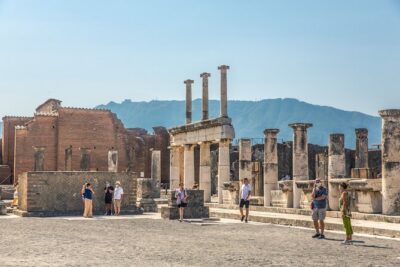
The tour’s main stop is Pompeii Archaeological Park. This is where the experience earns its keep: it’s not only about what Pompeii looks like, but what parts you can actually visit during your visit.
You can expect the guide to take you through a mix of building types, including houses and shops, and also spaces like a spa. That range is important because Pompeii wasn’t one giant ruin—it was a lived-in city with daily routines happening in many settings, from public activity to private household life.
One key detail: what you see will depend on closures imposed by the park management. That’s not a minor footnote. Pompeii often has sections closed for preservation, safety, or crowd control. A good guide works with the real access you’re given that day, rather than forcing you to stare at fences and miss the story.
Why this stop works for first-timers
If it’s your first time at Pompeii, you’ll likely notice two challenges: the site is huge, and ruins can look similar until you know what you’re looking at. A storytelling guide helps you read signs of everyday life—how rooms were used, how commerce showed up in built spaces, and how social structure appears in the city’s design.


A word on pacing and walking
The tour is designed for people with moderate physical fitness. Pompeii involves walking on uneven surfaces, and you’ll want comfortable shoes. If your group is used to slow museum days rather than outdoor sites, plan extra time and build in breaks before the tour starts.
The “Writer” Approach: How Sara’s Style Makes Pompeii Make Sense
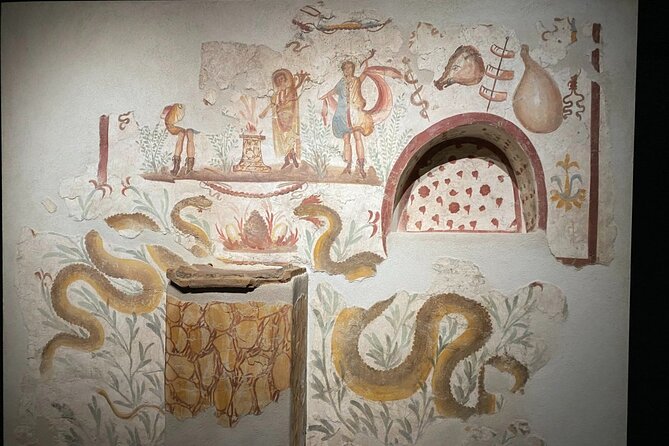
From the reviews you provided, a clear pattern shows up: Sara’s tours are described as energetic, educational, and fun. People repeatedly mention that she tells stories in a way that brings the city to life, including funny anecdotes and extra hints about social life before the eruption.
This matters for two reasons. First, Pompeii can feel heavy. When you’re staring at ash-darkened spaces, you need context to keep the emotions from turning into confusion. Second, families benefit. Multiple reviews mention that children and teens were engaged, even through explanations that could have gone over their heads.
Even better: one review notes that Sara helps groups navigate ticket purchases in advance to reduce waiting. While entrance tickets aren’t included in the tour price, this suggests the guide’s practical help can still make your day run smoother. If you want a low-stress visit, this is exactly the kind of support you should look for.
What You’ll Learn (Without Feeling Like It’s a Lecture)
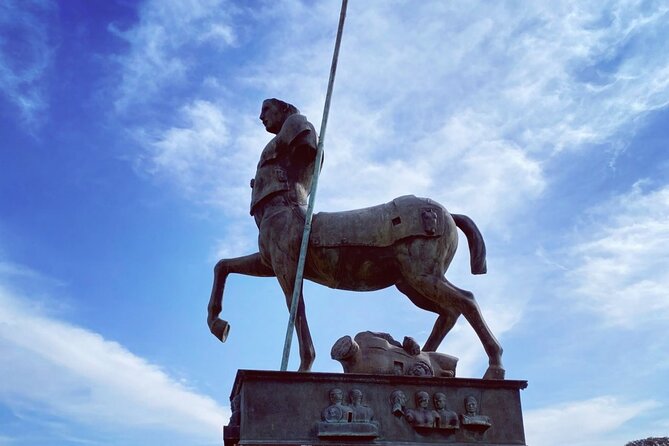
The tour is framed around how residents lived. You’ll hear answers to questions like how daily activities worked, how women experienced life in Pompeii, and what everyday spaces were for.
That topic choice is why this tour can feel different from the standard Pompeii “walk-and-point” experience. You’re not just seeing ancient walls—you’re learning how people organized their lives inside those walls.
Here are the themes you’ll probably carry home after 2 to 3 hours:
- Domestic life: how homes were set up to support daily routines.
- Commerce and neighborhoods: shops and public-facing spaces that show how people spent time and money.
- Social patterns: the city as a place where people interacted, not just a backdrop.
- The human angle of the eruption: not only what happened, but what was being interrupted.
Private Tour Benefits: A Better Day for Families, Friends, and Question-People
Because this is a private tour, you only share the experience with your group. That’s a big quality-of-life upgrade at Pompeii, where listening conditions can get worse as crowds swell.
Private also helps if:
- You’re traveling with kids. Several reviews specifically mention that the guide engaged children from different ages and kept them interested.
- You have teenagers who don’t want to sit still. The guide’s storytelling style seems built to keep attention on the move.
- You want answers. Reviews mention openness to questions and explanations that go beyond surface-level points.
And since the tour is guided by a licensed professional, you’re not relying on guesswork while walking through a site where details can be easy to misread.
Practical Tips Before You Go
These aren’t “nice to know.” They’re the stuff that makes the difference between a good day and an annoying day.
- Bring your entrance ticket plans: the tour price doesn’t include Pompeii admission, so budget and prepare for that.
- Wear grippy shoes: Pompeii is outdoors and uneven.
- Expect park-based route changes: closures can shift what you see inside the park.
- Go ready to ask questions: the format supports back-and-forth conversation.
- Use the meeting point like a starting GPS: Piazza Porta Marina is where the tour begins and ends.
If you’re also thinking about pairing this with other regional sights (like Naples or Vesuvius), the guide’s organization skills mentioned in reviews suggest the tour can fit into a bigger plan without turning your day into chaos.
Should You Book This Pompeii Tour?
Yes, if you want Pompeii to feel like real life—not just a famous pile of stone. This tour seems especially strong when you care about people-centered storytelling, and when you’d like a guide who can keep the group engaged.
Book it if:
- You’re visiting Pompeii for the first time and want direction plus context.
- You’re traveling with kids or teens and need explanations that actually land.
- You prefer a smaller, private group experience rather than a crowded, rushed tour.
Skip it (or pair it with your own plan) if:
- You strongly prefer to wander independently and don’t want to follow a guided route.
- You’re hoping the tour price includes Pompeii admission—because it doesn’t, so you’ll add that cost.
If your main goal is to leave Pompeii understanding how residents lived day to day, with a guide like Sara Prossomariti bringing the city into focus, this is a very sensible way to spend your limited time there.
FAQ
Is the Pompeii entrance ticket included?
No. The guided tour includes a licensed guide, but entrance tickets to the Pompeii Archaeological Park are not included.
How long is the guided tour of Pompeii?
The duration is about 2 to 3 hours.
Where does the tour start?
The meeting point is Piazza Porta Marina, 80045 Pompei NA, Italy.
Is this a private tour?
Yes. It’s private, meaning only your group participates.
Do I get a mobile ticket?
Yes. The tour uses a mobile ticket.
What fitness level do I need?
You should have a moderate physical fitness level.
Are service animals allowed?
Yes, service animals are allowed.
When will I get confirmation after booking?
Confirmation is received within 48 hours of booking, subject to availability.