REVIEW · POMPEII
Pompeii: Guided Small Group Tour Max 6 People with Private Option
Book on Viator →Operated by LivTours · Bookable on Viator
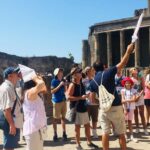
Pompeii feels close in a small group. You get skip-the-line tickets and a max-6 format with professional guidance, and guides like Mario and Francesca help you notice the baths, theatre, and house details that are easy to miss on your own. Only one caution: Pompeii is an ongoing excavation site, so the archaeologist may adjust the route that day, and this is a highlights tour, not a full-day marathon.
I like the timebox: in about 2.5 hours you can see the Forum, the theatre, and several signature houses without drifting through ruins until your feet rebel. You can also pick a morning or afternoon slot, which helps you plan around heat, Naples connections, or the rest of your trip.
At $168.17 per person, you’re paying for more than entry—you’re buying back time and buying context. If you want a quieter pace (or you’re traveling as a couple), there’s also a private upgrade option.
In This Review
- Key takeaways before you go
- Why small-group Pompeii works: max 6, not a cattle line
- Skip-the-line entry and the smart 2.5-hour format
- Pompeii Archaeological Park: the Forum and theatre stops that set the scene
- House stops that show daily Roman life: from Menander to Julia Felix
- Baths and temples: where Pompeii gets real
- Mt Vesuvius viewpoint: connecting the city to the disaster
- Price and value: is $168.17 worth it?
- Practical tips for a smoother Pompeii visit
- Should you book this Pompeii guided tour?
- FAQ
- How long is the Pompeii guided small group tour?
- Is skip-the-line entry included?
- What’s the group size?
- Where does the tour start?
- What languages are available?
- Is food included?
- Can I cancel for free?
Key takeaways before you go
- Max 6 people means you can actually ask questions and keep your bearings
- Skip-the-line entry is included, so you waste less time before the ruins
- A tight 2.5-hour highlight route covers the Forum, theatre, baths, and major houses
- You’ll see multiple house types, from grand villas to more everyday spaces
- Mt Vesuvius viewpoints are part of the experience, so the 79 BC story lands fast
- Food isn’t included, so plan water and a snack for before or after
Why small-group Pompeii works: max 6, not a cattle line
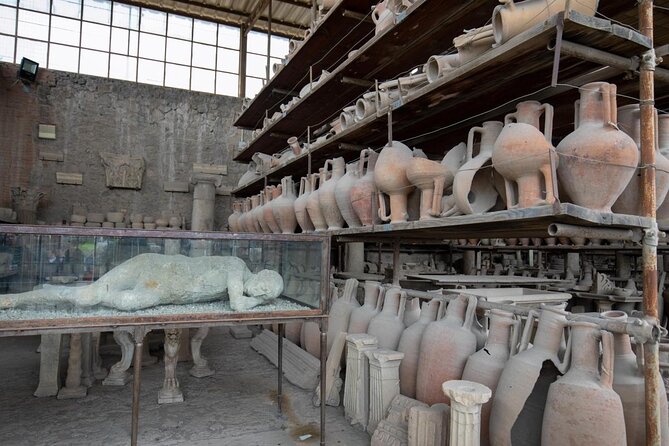
Pompeii is enormous, and it’s easy to get lost in the “pretty stones” trap. A small group helps you move with purpose. With a maximum of 6 people, you’re more likely to keep up with the guide’s thread—what you’re looking at, who used it, and what the space meant in daily Roman life.
This tour is also built for real conversation. When you’re not squeezed behind dozens of people, you can stop at details and ask follow-ups. Guides have included people like Mario, Luigi, Carla, Mariana, Fran, Imma, and Maria—names that show the experience isn’t just generic “walk and point.” And from the way the tour is described, the guides are treating it like a guided archaeology walk, not a quick stamp-and-go.
The private option matters too. If you’re celebrating, traveling with a family that needs slower moments, or you just hate group dynamics, private can turn Pompeii from a tour into something closer to a conversation with a specialist.
One practical thing to keep in mind: because Pompeii is an ongoing excavation site, your exact route may shift based on what the archaeologist can access that day. A small group makes those adjustments easier, because the guide can re-time stops without dragging 40 people around.
You can also read our reviews of more guided tours in Pompeii


Skip-the-line entry and the smart 2.5-hour format
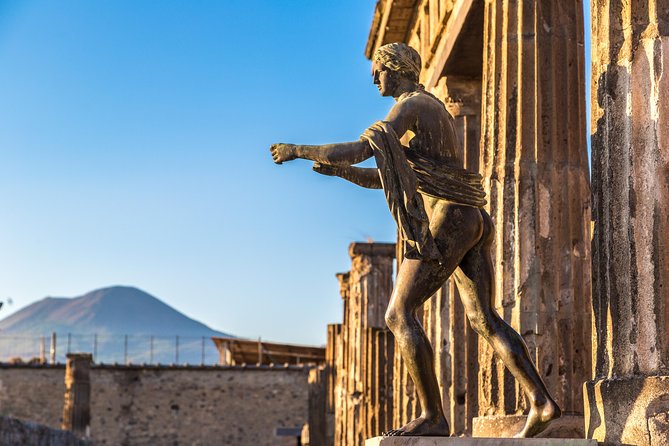
One of the best parts here is simple: skip-the-line tickets are included. When you’re visiting Pompeii, lines can eat your best energy. Saving time at the entrance means you start seeing the ruins sooner—and you’re less likely to arrive already tired.
The tour lasts about 2 hours 30 minutes, which is long enough to feel like you got Pompeii’s main “wow” moments. It’s also short enough to keep the visit from turning into a blur. Pompeii is not a place where you’ll love everything if you’re walking it for 6 hours straight. With this format, you get a guided hit list that keeps your brain engaged: Forum, theatre, baths, and several major houses.
You also get a choice of morning or afternoon timing. That’s more than scheduling convenience. It can help you plan around heat. Pompeii can feel brutal in peak sun, and a good guide will keep the group moving while still finding shade when possible. In real-world cases, guides have even checked for basic comfort things like water and hats.
At the end, the tour returns to the meeting point, which helps if you’re syncing up with a driver, train, or another stop in the area.
Pompeii Archaeological Park: the Forum and theatre stops that set the scene
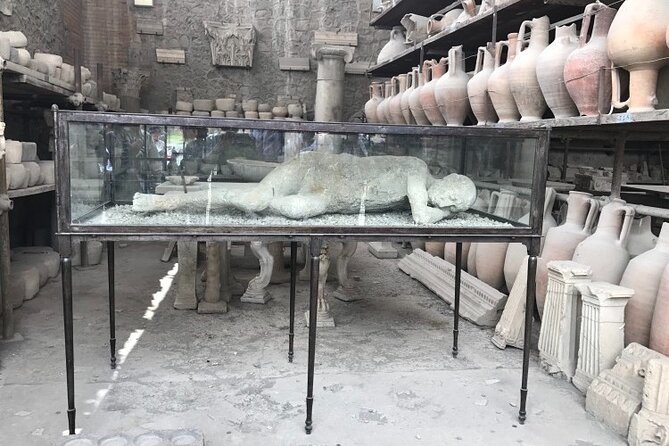
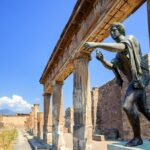
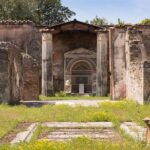
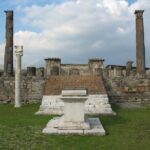
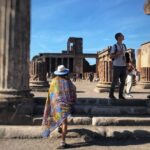
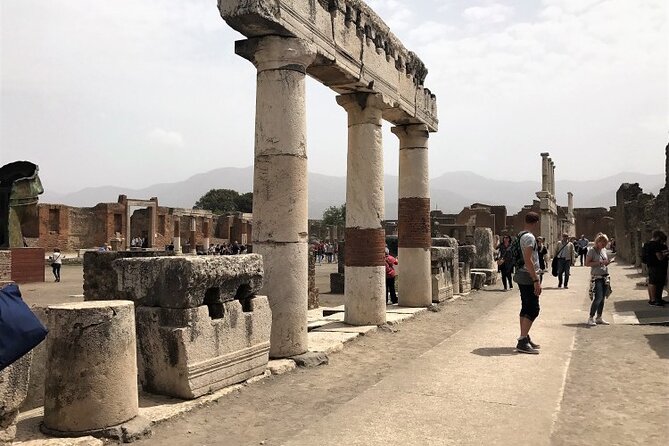
Your route begins inside the Pompeii Archaeological Park, and the backbone of the visit is what Pompeii looked like as a working city. The Forum is your first big “public life” anchor—this is where civic business, gatherings, and everyday movement all came together. Even if you’re not a Roman-history nut, the Forum helps you understand the city’s rhythm: people didn’t live in isolated villas only. They also shared public space.
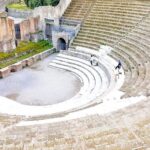
From there, you can expect a theatre stop. Pompeii’s theatre helps you connect architecture to culture. You get to see how public entertainment worked, and the guide can tie that to the social world of the city. It’s a good stop for two reasons: it’s visually striking, and it also helps you imagine what a “night out” or a community event might have felt like in 79 AD.
These public-space stops also work as navigation anchors. After you’ve seen the Forum and theatre, the houses and baths make more sense. You’re no longer looking at buildings in isolation—you’re mapping the city’s “social network” in your head.
A possible downside of any 2.5-hour highlights tour is that you won’t wander into every side street. You’ll cover key spaces, but you’ll still have to pick and choose later if you return on your own. The payoff is that you’ll leave with a mental map instead of just a folder full of photos.
House stops that show daily Roman life: from Menander to Julia Felix
The biggest reason people fall in love with Pompeii is the way the houses reveal everyday life. This tour walks you through several major villas and residences, and the guide’s job is to connect spaces to people.
You may see houses such as:
- House of Menander
- House of the Gladiators
- House of Julie Felix
- House of Loreius Tiburtinus
- House of Sallust
- House of the Tragic Poet
- House of the Vettii Lupanar
- Temple of Isis
- Roman bath spaces (including bath house areas and suburban bath references)
Two of the most talked-about stops in the included highlights are the House of Sallust and House of Julia Felix. These residences help you see how wealth, taste, and private life showed up in architecture and decoration. The guide can point out what to notice—layout clues, how rooms relate, and what daily routines might have looked like from inside the city’s social structure.
Then there are the spaces that broaden the story beyond “rich people in pretty rooms.” Places like the Vettii Lupanar connect housing with entertainment and darker corners of urban life. The Temple of Isis adds another layer: Pompeii wasn’t just Roman civic life. It was also religious variety and cultural influence.
One more practical note: walking through houses in Pompeii can feel like reading a book with missing pages—parts are damaged, and some rooms are fragmentary. A guide helps you avoid getting stuck on uncertainty. Instead of guessing, you’ll get a framework for what each space was for.
And yes, it’s a lot of walking, but it’s paced around “meaningful stops,” not just photo ops.
Baths and temples: where Pompeii gets real
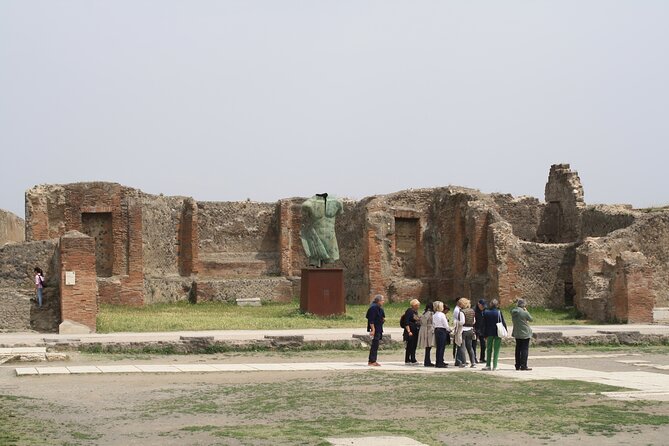
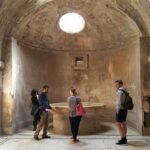
If there’s one section that tends to make Pompeii click, it’s the baths. Included in the tour are Roman bath house elements, and the itinerary also references suburban baths areas. Baths weren’t just about cleanliness. They were social space, gossip space, and part of the city’s daily schedule.
A bath stop can also be one of the best places to learn without getting lost in dates. You can see the structure and flows: how people would move, where they’d gather, and why the layout mattered. Guides have a way of turning stones into routines.
You’ll also hit religious space like the Temple of Isis. That stop helps you understand that Pompeii wasn’t one-note. People had beliefs, rituals, and a cultural mix that showed up in sacred architecture. Even if you only know the basics, the guide can help you connect the temple to what it meant for the community.
Then there’s a broader “city texture” feel. Houses, temples, baths, and public spaces all combine into a full picture of daily life. You start realizing Pompeii isn’t just ruins; it’s a snapshot of ordinary routines frozen midstream in 79 BC.
You can also read our reviews of more private tours in Pompeii



Mt Vesuvius viewpoint: connecting the city to the disaster
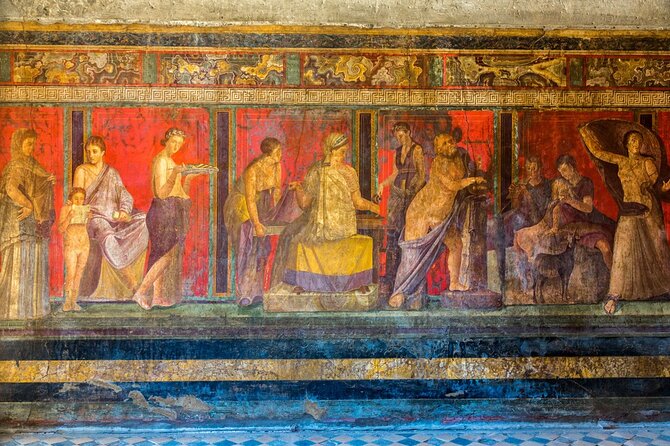
One included highlight is a Mt Vesuvius view. This part matters because it stops Pompeii from feeling like an abstract museum. When you connect the city’s geography to the eruption story, the tragedy becomes concrete.
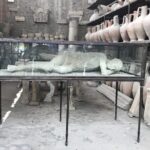
The background is that Pompeii was buried after the eruption of Vesuvius in 79 BC. The guide’s job is to keep that story grounded while you’re standing in the city itself. The viewpoint doesn’t just add drama. It helps your brain link the setting to the event.
If you’re short on time and want the key narrative in one go, the combination of ruins plus the Vesuvius connection is a smart way to get a complete “why this matters” package.
Price and value: is $168.17 worth it?
$168.17 per person isn’t low. But the value isn’t only the ticket—it’s the full bundle: professional expert guidance, skip-the-line entry, and a focused walk through high-impact stops.
Here’s what you’re effectively buying:
- Saved time at entry thanks to included skip-the-line tickets
- A guided route through major sites instead of trial-and-error mapping
- Context for what you’re seeing, so the visit sticks
- A group size capped at 6, or the option to go private
If you’re someone who likes to understand what you’re looking at, paying for a guide usually wins over wandering alone. Pompeii is one of those places where reading a few plaques helps, but a guide can turn “I saw that” into “I understand why that exists.”
Your main “extra cost” is time-related: food and drinks are not included. So plan a snack before or after. Also bring water and something sun-friendly, since Pompeii can be hot, and guides have been known to check on the basics like hats and water.
If you’re traveling in a group, ask about any group discounts listed for the experience, and consider whether private makes sense when split.
Practical tips for a smoother Pompeii visit
Pompeii is mostly outdoors and uneven underfoot. Wear shoes that handle stone paths and long walking stretches. Even with a short tour, you’ll cover ground.
Book smart too. This tour is often booked about 55 days in advance on average, which suggests it can fill up in busy seasons. If you’re traveling during peak periods, earlier booking gives you more choice in morning vs afternoon.
At the start, the meeting point is Via Villa dei Misteri, 80045 Pompei NA, Italy. The tour ends back at that point, which helps with timing if you’re arranging transport afterward.
Language matters. The tour is offered in English and also French, Spanish, Portuguese, and Italian. If you need a language other than English, you’ll want to specify it during booking notes so the operator can line it up.
Finally, keep expectations realistic. This is an “important ruins” tour in under three hours. You’ll leave with a strong understanding and a clear mental map, but you might want to return for deeper exploration if you catch the Pompeii bug.
Should you book this Pompeii guided tour?
I think this is a smart booking for most first-time visitors who want the big Pompeii hits without wasting energy. The skip-the-line part alone makes the timing feel sane, and the max-6 group size keeps the tour personal.
Book it if:
- you want Forum/theatre/baths/houses in about 2.5 hours
- you prefer an archaeology-style guide who points out details
- you hate long lines and want the day to feel efficient
- you’re traveling in a small group and might upgrade to private for comfort
Skip or rethink it if:
- you want a full-day free-roam experience with lots of unstructured wandering
- you’re only interested in a tiny subset of sites, since this is built for highlights
- you’re sensitive to heat and plan to spend extra time outside before/after the tour
If you want Pompeii to make sense fast, this format does the job.
FAQ
How long is the Pompeii guided small group tour?
It runs for about 2 hours 30 minutes.
Is skip-the-line entry included?
Yes. Guaranteed skip-the-line tickets are included.
What’s the group size?
The small group tour is limited to a maximum of 6 travelers. There is also an option to upgrade to a private tour.
Where does the tour start?
The meeting point is Via Villa dei Misteri, 80045 Pompei NA, Italy. The tour ends back at the meeting point.
What languages are available?
The tour is offered in English, French, Spanish, Portuguese, and Italian. You should specify your language preference during booking if it’s not English.
Is food included?
No. Food and drinks are not included.
Can I cancel for free?
Yes. You can cancel for a full refund up to 24 hours in advance of the experience start time. If you cancel less than 24 hours before, the amount paid is not refunded.