REVIEW · POMPEII
Private Day Tour of Pompeii, Sorrento and Positano with Pick Up
Book on Viator →Operated by A DRIVE INTO THE BLUE · Bookable on Viator
Pompeii and the Amalfi Coast in one stretch. This private day tour pairs hotel (or port/train) pickup with a guided hit list of Pompeii’s best-known ruins, then swaps Roman stone for Positano and Sorrento views. If you’re worried about logistics, I like that someone else handles the driving and timing, so you can focus on the sites.
I also like the pacing inside Pompeii: you get a solid chunk of time, then you hop between key landmarks like the Forum, baths, and big public buildings. The result is a day that feels full without feeling like you’re being dragged through everything at one speed. One consideration: Pompeii entry isn’t included, and your time inside the park is limited, so you’ll want tickets ready and a clear game plan before you arrive.
In This Review
- Key points to know before you go
- From pickup to Pompeii: how your day gets moving
- Pompeii time: what 2 hours gets you
- Inside Pompeii: Forum, gates, baths, homes, and theatres
- The Pompeii west gate and why it’s worth a quick stop
- The Forum: the daily engine room
- Thermopolium VI: a real Pompeian fast-food counter
- Homes that tell you who had power: Casa del Fauno and Casa dei Vettii
- Baths at Terme Stabiane: public routines, mapped temperatures
- The Lupanar and the Teatro Grande: entertainment and adult life
- The drive along the Amalfi Coast and Positano without the stress
- Sorrento: Piazza Tasso, shopping street, and an easy wander
- Value and costs: is $181.41 a good deal?
- Comfort, timing, and the roads (especially if you get car sick)
- Who this private Pompeii and Amalfi day trip fits best
- Should you book this day trip of Pompeii, Sorrento, and Positano?
- FAQ
- How long is the tour?
- Is Pompeii admission included in the price?
- What does the tour price ($181.41 per person) include?
- Is the tour private and offered in English?
- Will I have time in Positano and Sorrento?
- Does the tour include food or drinks?
- Where can pickup happen?
- What is the cancellation refund rule?
Key points to know before you go
- Door-to-door pickup from hotels, ports, and train stations in the Campania area
- Private experience with only your group, plus bottled water and a driver
- Pompeii entry not included (you’ll pay the park fee separately)
- A guided ruins stop is available (and sometimes the same person may handle both drive and guiding)
- Stops in Positano and Sorrento with photo pauses and time for walking
- Private car comfort on twisty roads, but motion sickness-prone passengers should plan
From pickup to Pompeii: how your day gets moving
The day starts with pickup, and that matters more than it sounds. You’re not trying to map buses or time a train connection with luggage. You meet your driver at the closest car-accessible spot to your accommodation (or at the cruise/train pickup point if you’re arriving by ship or train), then you roll toward Pompeii with the day’s rhythm already set.
The tour runs about 8 to 9 hours, which is long enough to feel like you got a real day out, not just a quick photo stop. It’s also offered daily, so you’re not forced into a single-day schedule. If you’re booking for peak season, note that this type of day trip often sells out early, so earlier planning gives you more choices.
A small but useful detail: you’ll have bottled water during the tour. On a warm day, that’s the kind of thing that quietly saves you from feeling worn out before you even hit Pompeii.
You can also read our reviews of more private tours in Pompeii



Pompeii time: what 2 hours gets you
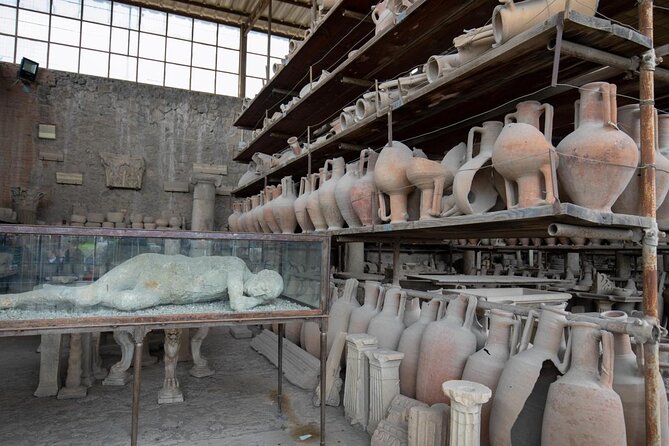
You’ll spend around 2 hours in the Pompeii Archaeological Park area. That sounds short, but it can work well—if you focus on what you want to understand. Pompeii is huge, and you can burn hours wandering without a story to connect it all. With a guide, the goal becomes direction: you see the highlights that show how daily life functioned, then you move on before your energy drains.
This is where private guiding pays off. A good guide doesn’t just point at stones. They explain what you’re looking at—why a space existed, how people moved through it, and what the eruption changed forever.
Practical note: Pompeii entry fee is not included (the park fee is €18 per person). Buy in advance so you don’t lose your limited time to ticket lines. Also, arrive with your expectations set: this day trip is a “best-of Pompeii” plan, not a slow, full-route deep exploration.
Inside Pompeii: Forum, gates, baths, homes, and theatres
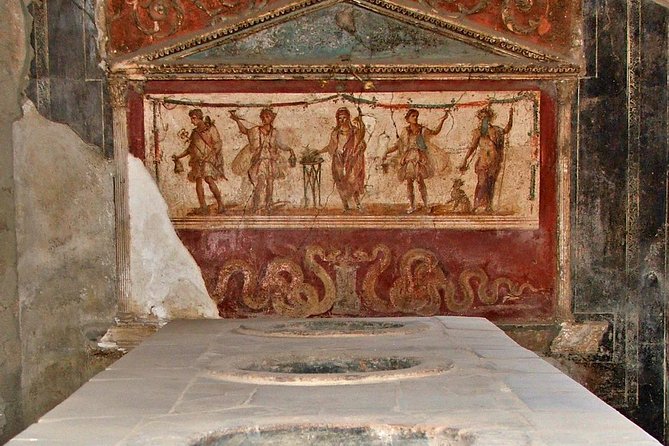
Once you’re in, you’ll bounce between stops that each represent a different slice of city life. Some stops are brief, but together they build a clear picture of how Pompeii worked—public life, commerce, food, leisure, and domestic rooms.
The Pompeii west gate and why it’s worth a quick stop
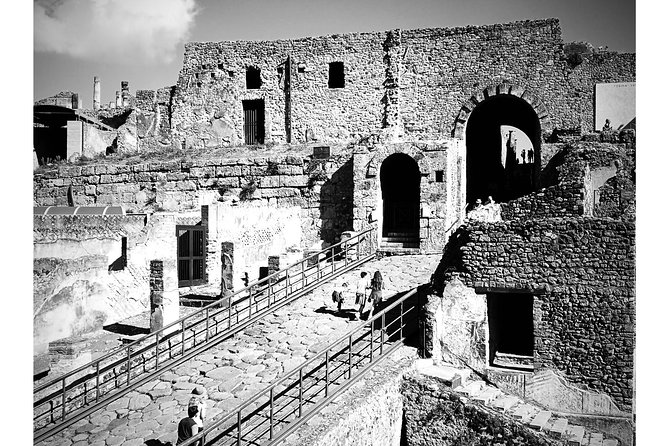
One of the early quick hits is the gate known as Hotel Vittoria. It’s described as the most impressive among Pompeii’s seven gates and gives you a sense of how entries into the city functioned. Even if you’re not a history nerd, it helps your brain orient: you start to see Pompeii as a real town with controlled access, not just ruins in a field.
The Forum: the daily engine room
Next comes the Civil Forum, the core of daily life. This is where public administration happened, where business and trade ran through markets, and where civic worship took place. If you only remember one thing about Pompeii, let it be this: the Forum tells you how people organized community life—laws, work, and religion all in one focal space.
Close by, you’ll pass the Basilica, a building used for commerce and the administration of justice, accessed from the Forum. Think of it as a civic hub where roles and rules played out.




Thermopolium VI: a real Pompeian fast-food counter
One of my favorite quick stops is Thermopolium VI, a small cook-shop where hot food was sold. It’s an easy moment to miss if you’re speed-walking. But it’s also one of the most human pieces of Pompeii. It reminds you that people ate outside the home, that food wasn’t only for special occasions, and that street life mattered.
Homes that tell you who had power: Casa del Fauno and Casa dei Vettii
Pompeii’s houses can be eye-opening because they reveal social ranking. Casa del Fauno is one of the larger homes, spanning an entire block of around 3,000 sqm, and it dates back to the 2nd century BC based on the original layout.
Then you’ll see Casa dei Vettii, a famous wealthy home protected under the theme of Priapus, the god associated with prosperity. The doorway features that symbolism, and the house is linked with brothers Aulus Vettius Restitutus and Aulus Vettius Conviva, who became rich through trade. You don’t need to memorize names. Just watch how decoration and layout signal wealth.
If you’re visiting with younger kids, you may want to skip or approach gently when your route includes adult-themed spaces later in the day.
Baths at Terme Stabiane: public routines, mapped temperatures
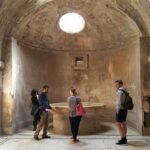
At the Stabian Baths (Terme Stabiane), you’ll see how bathing worked as a step-by-step routine. The tour description lays out the sequence clearly: dressing room (apodyterium), then cold baths (frigidarium), medium temperature (tepidarium), and hot baths (calidarium). A colonnade leads you toward the men’s quarters.
This stop is a good reminder that Pompeians weren’t simply walking to work and coming home. They had leisure, hygiene, and social habits built into public architecture.
The Lupanar and the Teatro Grande: entertainment and adult life
One stop that stands out is the Lupanar, the brothel. It’s described as having built-in bed areas and erotic wall paintings that advertised activities. It also has a two-floor layout and a latrine visible at the end of the corridor. It’s historically important because it shows how commerce and desire were expressed in built space.
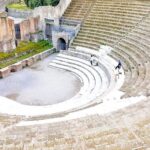
After that, you’ll reach Teatro Grande, built by using the natural slope of the hill for the auditorium. It includes corridor-based sections that shape how people moved and watched. The idea here is that Pompeii wasn’t all chores and courts—it also had public performance.
Finally, you’ll see the Roman Amphitheatre (Anfiteatro Romano), built in 70 BC just before the colony was founded. It’s noted as the oldest known Roman amphitheatre in that category, and it used initiatives tied to magistrates Caius Quinctius Valgus and Marcus Porcius.
Even with short stops, the mix helps you understand Pompeii as a living system: civic life, food, home life, leisure, and entertainment all existed in one compact place.
The drive along the Amalfi Coast and Positano without the stress
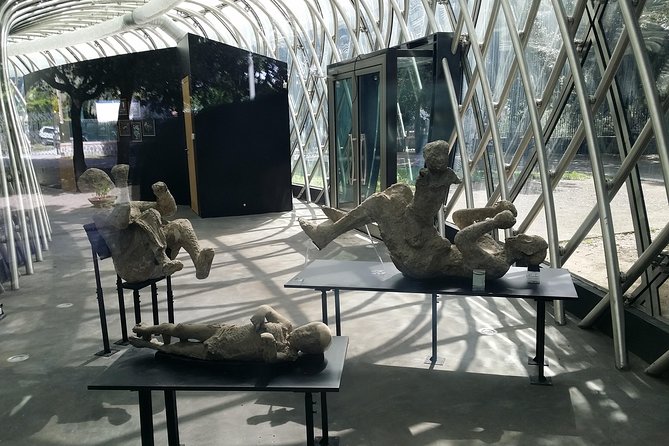
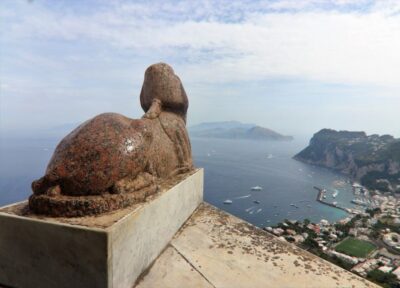
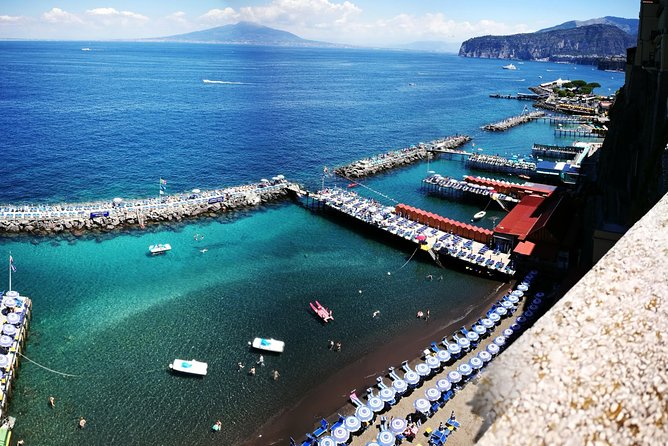
After Pompeii, the day shifts into view mode. The route along the coast is the reward—curves, sea air, and towns stacked on hillsides. With a private car, you avoid the “everyone waits, everyone squeezes in” frustration that can happen on shared tours.
Positano time is around 1 hour 20 minutes, which is enough for a real walk if you’re not trying to do everything at once. The plan includes:
- A stop area along the Costiera Amalfitana for Positano viewpoints
- Chiesa di Santa Maria Assunta (10 minutes), known for its dome made of majolica tiles and a Byzantine icon of a black Madonna
- Spiaggia di Positano Marina Grande (20 minutes), the main beach area
The beach stop is good for resets. You can cool off, look at the water, and remember why this region is famous. Just keep in mind that in summer, sand and crowds can slow you down, so your best move is to treat this as a short pause, not a long stay.
The tour also includes photo pullovers on the way, which is exactly what you want on a drive like this. You can get the classic shots without trying to stop your own car in unsafe spots.
Sorrento: Piazza Tasso, shopping street, and an easy wander
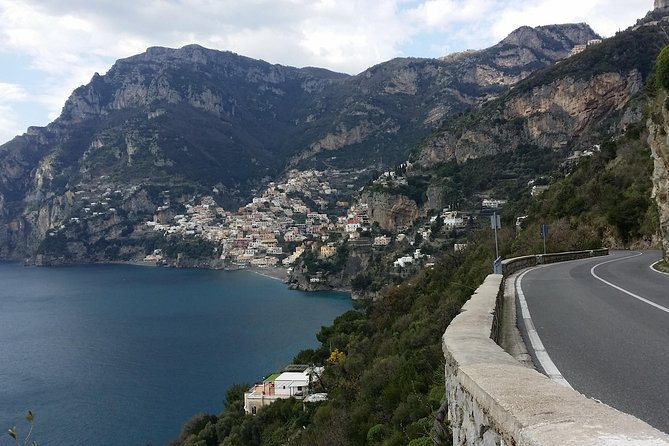
You’ll finish with time in Sorrento, about 1 hour 40 minutes at Piazza Tasso. This is where the town energy concentrates, and it’s a great place to simply walk, people-watch, and get your bearings after the ruins.
If you want a little structure, the day also includes Via San Cesareo for shopping (around 20 minutes). Think of it as time to browse for small gifts, snacks, or a last-minute souvenir that won’t weigh you down.
One practical tip: if you choose lunch on your own, aim for places close to where you’ll be walking next. This tour gives you town time, not a long sit-and-stay window. Planning ahead keeps you from feeling rushed in the final stretch.
Value and costs: is $181.41 a good deal?
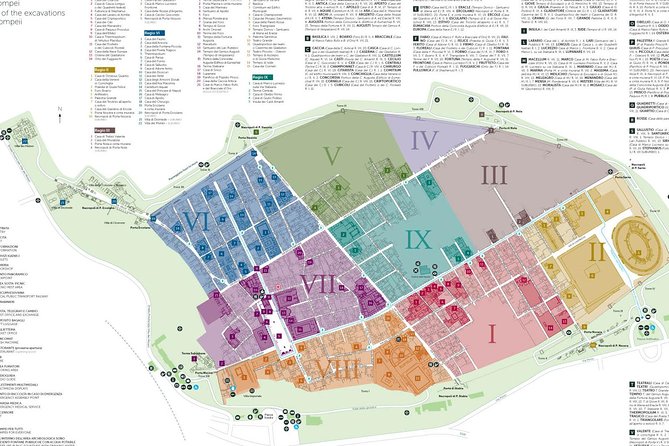
At $181.41 per person, you’re paying for the private structure: pickup, round-trip transport, a driver, bottled water, and a private-group format. That’s the real value here. Many people underestimate how costly and stressful it is to manage your own logistics across Pompeii and the Amalfi Coast in one day.
But you do have two add-on realities:
- Pompeii Archaeological Park admission isn’t included. The fee listed is €18 per person, so your day costs a bit more once you factor that in.
- Food and drinks aren’t included. You’ll need to budget for lunch and any snacks.
Where this tour can be a strong bargain is when you split the private car cost across a group. The operator also mentions group discounts, and there’s an option that requires a minimum of 4 participants for the car+driver setup. If you’re traveling as a family or group of friends, you’ll often feel that price more clearly as value than as expense.
Comfort, timing, and the roads (especially if you get car sick)
The vehicle comfort is a major part of why private works here. The Amalfi roads are twisty, and the drive can take time. In hot weather, air conditioning matters.
If you get carsick easily, plan for it. This route is scenic because it climbs, curves, and drops. That’s great for views, not always great for motion sickness-prone stomachs. Simple things help: bring a remedy you trust, sit where the view is steadier, and don’t read while the road is winding.
Also, keep your expectations lined up with timing. Pompeii is around a 2-hour block plus shorter stops. If you want to spend half a day in one house or one theatre, this won’t match that style.
Who this private Pompeii and Amalfi day trip fits best
This is a good fit if:
- You want Pompeii highlights without arranging transportation, tickets, and routing yourself
- You prefer a private day where your pace and priorities can matter
- You’re short on time and still want a taste of both Sorrento and Positano
It may not be ideal if:
- You want a long, slow, no-rush Pompeii exploration
- You’re traveling with people who find adult-themed historical sites difficult, since the route includes the Lupanar
- You’re extremely sensitive to car motion on winding coastal roads
One more practical note: the experience depends on smooth communication on ticket day. I suggest you have your Pompeii admission squared away before you’re picked up. On any private day tour, that’s the easiest way to keep your day calm.
Should you book this day trip of Pompeii, Sorrento, and Positano?
If your goal is a high-impact day—Pompeii plus coast towns—this tour is a solid choice. The combination of pickup, private transport, and guided focus is what makes it feel worth it, especially when you’re trying to cover a lot without spending your entire vacation managing transit.
Book it if you’re comfortable with a “best-of Pompeii” pace and you want a real taste of Sorrento and Positano within 8–9 hours. Skip it if you plan to treat Pompeii like a one-site marathon. In that case, you’d likely enjoy a longer, slower plan that gives you breathing room.
FAQ
How long is the tour?
It runs about 8 to 9 hours (approx.), starting with pickup and ending back at the pickup point or another requested drop-off in the area of the excursion.
Is Pompeii admission included in the price?
No. Pompeii Archaeological Park admission is not included and costs €18 per person.
What does the tour price ($181.41 per person) include?
The price includes a private tour, pickup and round-trip transport in the Campania area (hotels/ports/train station/airport pickup and drop-off), a driver, bottled water, and a professional guide at the ruins if the option is selected. Food and drinks are not included.
Is the tour private and offered in English?
Yes, it’s private with only your group participating, and it’s offered in English.
Will I have time in Positano and Sorrento?
Yes. Positano time is about 1 hour 20 minutes at the coast-town area, with additional short stops that include the church (Santa Maria Assunta), Marina Grande beach, and then you’ll spend time in Sorrento at Piazza Tasso plus a short stop on Via San Cesareo.
Does the tour include food or drinks?
No. Food and drinks are not included.
Where can pickup happen?
Pickup can be arranged from hotels, ports, train stations, or airports depending on your situation. If you’re staying somewhere not reachable by car, pickup is at the closest spot accessible by vehicle. Cruise ship passengers meet at a cruise docking point in the Naples/Salerno/Amalfi coast area.
What is the cancellation refund rule?
You can cancel for a full refund if you cancel at least 24 hours before the experience start time. Free cancellation is available up to 24 hours in advance, and the experience requires good weather; if canceled due to poor weather, you’ll be offered another date or a full refund.