REVIEW · POMPEII
Private Pompeii and Herculaneum with Wine Tasting – Full Tickets
Book on Viator →Operated by DangeloTour · Bookable on Viator
Two ancient cities, one smooth day. This private tour strings together Pompeii and Herculaneum with priority admission, plus round-trip transfers so you lose less time to logistics and more time to ruins. You also get a guided route that’s designed for real pacing, not just standing in line and hoping you remember things later.
I especially like how the Pompeii segment is focused—Forum to temples, markets, homes, and the plaster casts that make the tragedy hit harder. I also like that Herculaneum is treated as its own place, not just a smaller copy, with differences you can actually see as you walk. The main consideration: the winery lunch and wine tasting is an add-on, not included in the base tour price.
In This Review
- Key Things You’ll Notice on This Pompeii + Herculaneum Day
- Why This Pompeii and Herculaneum Plan Feels Easier Than Doing It Alone
- Getting Picked Up: The Mercedes Van Comfort That Saves Your Energy
- Pompeii in 2.5 Hours: A Route That Actually Teaches You What You’re Seeing
- The Optional Cantina del Vesuvio Stop: Wine, Lunch, and a Reset Near Vesuvius
- Herculaneum in 2 Hours: Not Just Smaller Pompeii
- Vesuvius Photos Without the Crater Drive
- Price and Logistics: Does $669.28 Per Person Make Sense?
- Who This Tour Is Best For
- Should You Book It?
- FAQ
- What ruins are included in the tour?
- Is hotel pickup included?
- Does the tour include skip-the-line entry?
- How long is the tour?
- Is the wine tasting and lunch included in the price?
- Is there free cancellation?
Key Things You’ll Notice on This Pompeii + Herculaneum Day
- Priority entry to both ruins to keep your morning moving
- A Pompeii route built around landmarks and daily life (Forum, temples, markets, homes, baths)
- Cantina del Vesuvio stop near Mount Vesuvius with a guided walk through vineyards and olive groves
- Herculaneum highlights that compare directly with Pompeii (second floors, sewer system, carbonized wood)
- A Vesuvius photo break without the crater drive—shade first, photos second
- Private transfers in a Mercedes van with AC, Wi-Fi, and fresh water
Why This Pompeii and Herculaneum Plan Feels Easier Than Doing It Alone
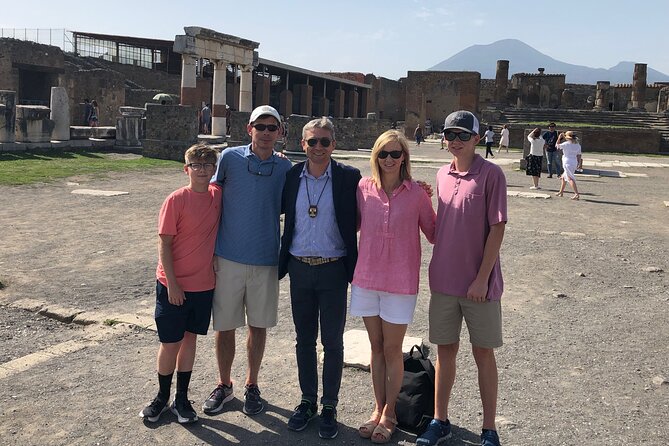
If you’ve ever toured Pompeii on your own, you know the pattern: you fight crowds, hunt for the right tickets, and then try to sort out what you’re looking at while everyone else is doing the same. This is built to avoid that. You get priority admission to both sites and a guide-led flow that helps you read what’s in front of you.
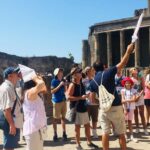
It’s also a true private format. You’re not sharing the day with a huge bus group and waiting for someone who needs one more photo of a doorway. Instead, your guide can slow down or speed up based on your interests, and you can ask questions as you move. That flexibility matters at both Pompeii and Herculaneum, where the “best stuff” is scattered across a big walking footprint.
The day runs about 8 to 9 hours, so it’s long enough to feel like a full experience but not so long that you’re staring at ancient stones by late afternoon. For a lot of people, that sweet spot is the real value.
You can also read our reviews of more tours and experiences in Pompeii


Getting Picked Up: The Mercedes Van Comfort That Saves Your Energy
You’ll start with pickup from hotels, vacation rentals, train stations, and even cruise terminals/ports. That’s not a small detail. Pompeii and Herculaneum are not “just take the train and stroll” sites unless you want to spend your trip buffering transportation schedules.
On the drive, the setup is practical: a deluxe Mercedes van with AC, free Wi-Fi, fresh water, and kept clean/sanitized. You also have a professional driver all day, which means you’re not doing the tense thing where you’re trying to read curvy roads and road signs at the same time.
This matters because your best ruins time is the hours you spend walking. A comfortable transfer helps you arrive ready to pay attention, not wiped out before you even reach the entrance.
Pompeii in 2.5 Hours: A Route That Actually Teaches You What You’re Seeing
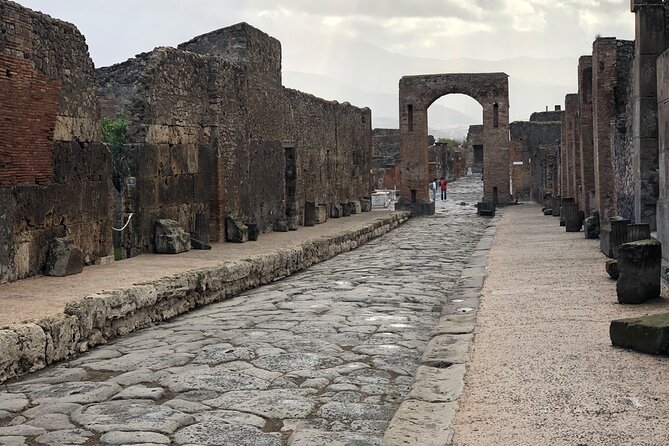
Pompeii is famous for a reason, but it’s also huge. Without a plan, you can end up bouncing between highlights that don’t fully connect. This guided route tries to create that connection for you—moving across the city so you understand how the place functioned.
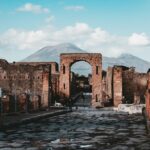
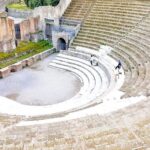
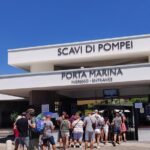
You’ll cover Pompeii from the Ancient Walls area toward the Grand Theatre, then work through key civic and religious zones. The guide focuses on the Forum as the political and religious center, and you’ll see the administrative and public buildings around it, including:
- the Basilica (palace of justice)
- the Temple of Apollo
- the Macellum (a fish, bread, and meat market)
- the Temple of Jupiter
- the Granaries
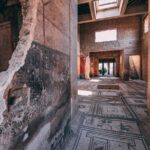
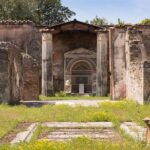
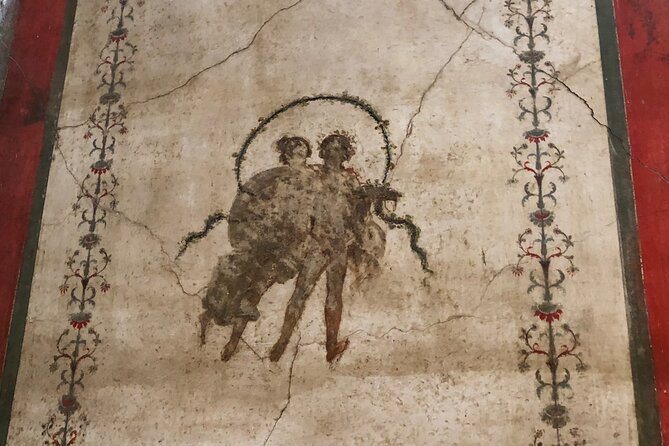
Then the tour shifts from politics and religion to lived experience. You’ll enter luxury private homes with gardens, frescoes, and mosaics. You’ll also spend time around bathhouses and ancient taverns, plus bakeries (Pistrinia) and the Thermopolium spots—those wine-and-food bar counters where daily meals happened.
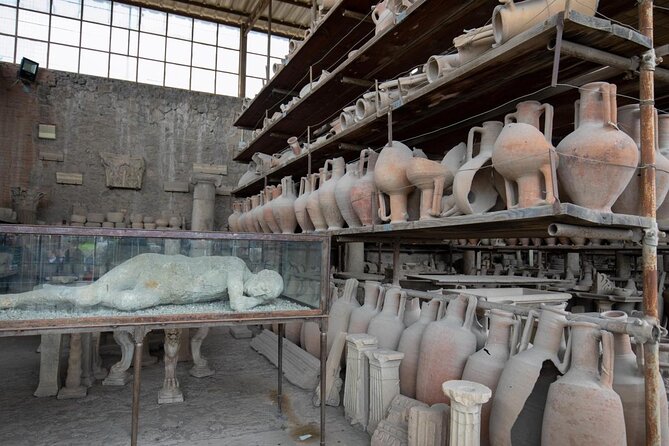
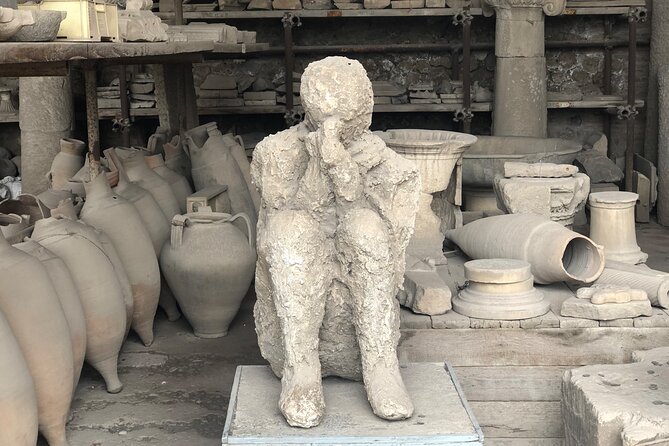
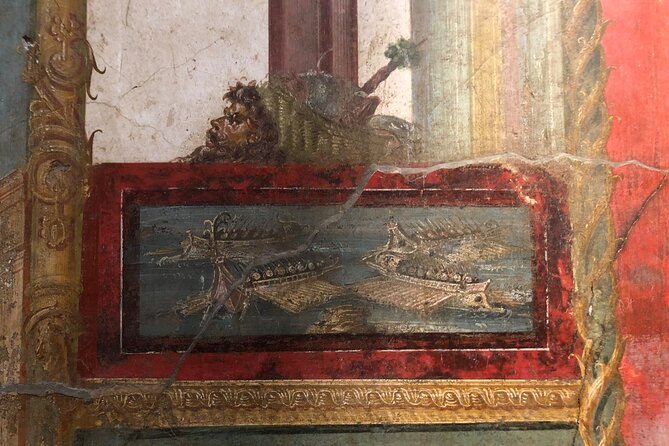
One of the most memorable parts is the connection to the eruption. There are plaster casts of victims who died during the eruption, suffocated. Seeing those makes the timeline stop being an abstract date on a sign and turns it into something heartbreakingly human.
Time-wise, Pompeii is scheduled for about 2 hours 30 minutes, with admission included. The pace is at your own speed and the route is described as flexible, which is useful when you spot something you want to linger over—like a mosaic detail or a doorway carving.
Practical tip: wear shoes you can walk in for a while. You’ll cover ground, and Pompeii rewards you for paying attention to small layout clues. This is one of those days where good footwear beats good sunglasses.
The Optional Cantina del Vesuvio Stop: Wine, Lunch, and a Reset Near Vesuvius
After Pompeii, you’ll head to the Cantina del Vesuvio winery area for a tasting experience and a set lunch. This is described as a family-run organic farm, located by the foot of Mount Vesuvius, with big views of the Bay of Naples.
You get a short guided walk to the vineyards and olive groves to see how they produce the Lacryma Christi wines and extra-virgin olive oil. That short walk is more than scenery. It helps you understand why these wines belong to this place instead of feeling like generic bottles.
Then lunch comes as a set menu, with several wines served during the meal. The menu is listed as:
- Appetizers: bruschetta, provolone cheese, salame, and capocollo cured pork
- Main: spaghetti with cherry tomatoes del Piennolo from Vesuvius
- Dessert: pastiera (wheat and ricotta cake)
Wine pours are listed as five different wines, including:
- Rosè sparkling
- White
- Rosè
- Red
- Red Riserva
- plus Malvasia, a sweet dessert wine
There’s also a special menu for kids and for vegetarians.
Money note (worth checking before you go): the winery add-on price is shown as €28 per person in the itinerary notes, but the non-included section lists €45.00 per person. Either way, you should expect to pay extra on top of the base tour price.
Is it worth adding? For me, the logic is simple. After Pompeii, you’ve just walked through a city preserved by disaster. A winery lunch gives you a change of pace and a place to decompress, with a view and a guided explanation of what’s made right there.
Still, keep expectations realistic. You’re getting a set menu. One experience in the feedback chain praised the wine but felt the food wasn’t their favorite, so if you’re picky about restaurant style meals, you’ll want to treat it as a convenient add-on rather than a guaranteed culinary best-of-the-trip. If you’re happy with regional flavors and want a relaxing break, it tends to land well.
Herculaneum in 2 Hours: Not Just Smaller Pompeii
Herculaneum is often described as Pompeii’s smaller sibling, but that idea doesn’t survive your first 10 minutes here. It was a luxury Roman resort that got swallowed by Mount Vesuvius during the eruption of 79 AD. And the site’s preserved features help you see differences clearly.
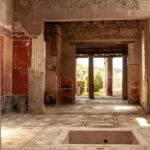
Your Herculaneum focus includes the Domus—private homes—many with intact gardens, including the House of the Deer. You’ll also see vivid frescoes in places like the House of the Skeleton, and the “glass-pasta” mosaics, including those in the House of Neptune and Amphitrite.
Here’s where your guide makes the comparison useful: Herculaneum is framed around differences you can notice on the spot, such as:
- the presence of second floors
- a sewer system
- carbonized wood
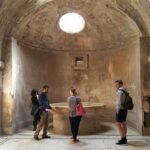
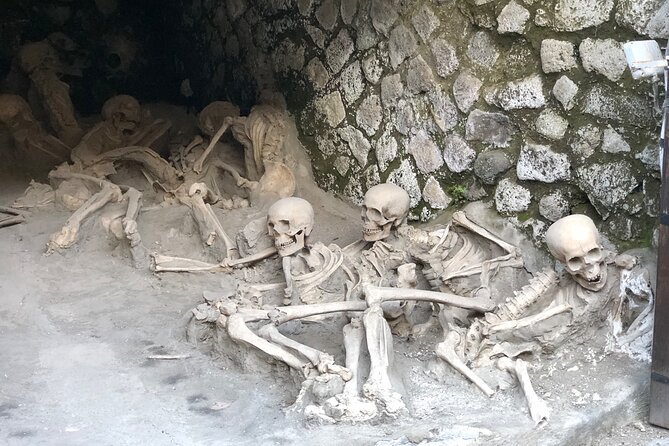
You’ll also see elements that feel familiar because people still lived around them: bath-house areas (including a female section), and the pool of the ancient city gymnasium. The tour then takes you toward the ancient city beach, where skeletons of 200 citizens are crammed into yards. It’s an intense ending to a heavy story, but the scale and setting make it unforgettable.
The Herculaneum portion is scheduled for about 2 hours, with admission included, and the pace is described as at your own speed with guidance and room for questions.
One day-of-week note to take seriously: Herculaneum closure on Wednesdays has been mentioned in the feedback you provided. So if your travel plans land on a Wednesday, confirm ahead of time so you don’t build your day around a site that might not be open.
You can also read our reviews of more food & drink experiences in Pompeii




Vesuvius Photos Without the Crater Drive
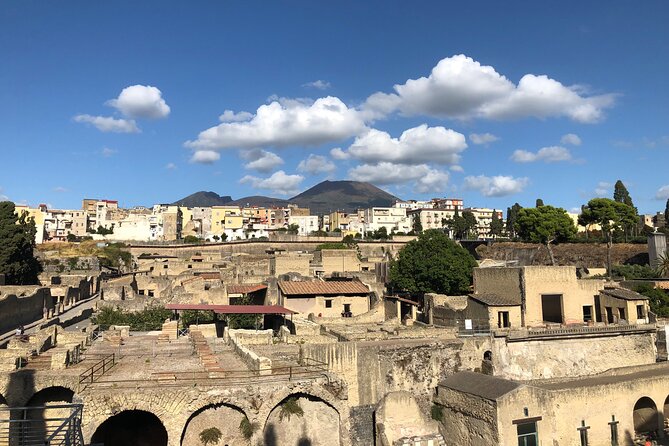
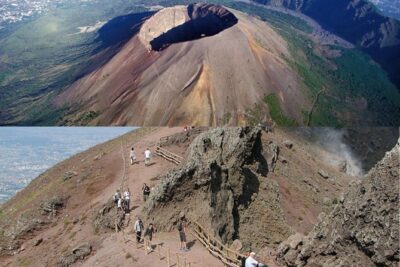
Mount Vesuvius is a constant in this whole itinerary, but the tour keeps it practical. Instead of driving all the way up to the crater, you’ll enjoy views and photos from the Pompeii and Herculaneum sites while staying in the shade of the mountain.
The guide notes that Vesuvius is about 4000 feet high and the crater drive takes too long. You still get the visual reminder of where the disaster started, without turning your day into a long transfer to a parking lot.
If you’re bringing a camera or phone, this is a good moment to get a few “day context” shots—things you can reference later when you look at your photos and think, Wait, this is why the ruins look the way they do.
Price and Logistics: Does $669.28 Per Person Make Sense?
At $669.28 per person, this isn’t a budget day trip. So the value question isn’t just “what do you get,” it’s “what does it save you.”
Here’s what your base price covers (based on the tour details you shared):
- Deluxe Mercedes van with AC, Wi-Fi, and fresh water
- a licensed tour guide for the entire experience
- a professional licensed driver for the entire experience
- priority admission tickets to Pompeii and Herculaneum
What it doesn’t cover:
- the winery tasting and typical lunch add-on
That combination is what you’re paying for. Priority tickets help you lose less time to lines at two big sites. The guide helps you avoid the common problem of wandering. And private transfers help you avoid the “work trip logistics” feeling—especially if you’re coming from Sorrento, Naples, or a cruise terminal.
If you’re traveling with a partner, friends, or a small family and you want the day to feel organized, this price can feel reasonable. If you’re solo and trying to keep costs down, you might compare against group tours and skip the winery add-on entirely to stretch value.
Also, this kind of itinerary tends to fill up. It’s noted that the average booking lead time is around 55 days, so grabbing your dates earlier usually reduces last-minute stress.
Who This Tour Is Best For

This fits you if you:
- want a private day that stays structured but flexible
- like learning while you walk, not reading alone from signs
- hate line time and prefer priority entry
- want Pompeii and Herculaneum in one day without juggling transport
It can also work well if you’re traveling with older teens or kids who respond to guided storytelling. The winery stop even lists a kid menu, which can be useful for keeping everyone fed.
If you’re the type who wants maximum free time in the ruins with minimal guidance, you might prefer a self-guided plan. But if you want the sites explained and connected, this route is designed for that.
Should You Book It?
Yes, I’d book this if your top priority is seeing both Pompeii and Herculaneum with priority entry, a guide who can point out what matters, and a transfer that keeps you from burning half your day on logistics. The winery add-on is optional, but it’s built as a genuine break after Pompeii, with vineyard views and a guided tastings-and-lunch format.
I’d double-check the day before you commit, especially if you’re aiming for a Wednesday, because Herculaneum closure has been reported. And decide in advance how you feel about the lunch: if set menus don’t work for you, treat the winery stop as a choose-by-you add-on.
FAQ
What ruins are included in the tour?
You visit the Archaeological Park of Pompeii and the Parco Acheologico di Ercolano (Herculaneum). Priority admission tickets for both are included.
Is hotel pickup included?
Yes. Pickup is offered from hotels, vacation rentals, train stations, and cruise terminals/ports. You specify the pickup place when booking.
Does the tour include skip-the-line entry?
Yes. The tour includes skip-the-line tickets to the ruins of Pompeii and Herculaneum.
How long is the tour?
It runs about 8 to 9 hours total. Pompeii is scheduled for about 2 hours 30 minutes, the winery stop for about 1 hour 15 minutes, and Herculaneum for about 2 hours.
Is the wine tasting and lunch included in the price?
No. The winery lunch and wine tasting at Cantina del Vesuvio is not included. The extra cost is listed as €28 per person in the itinerary notes, and €45.00 per person in the non-included section. Check the exact add-on price at checkout.
Is there free cancellation?
Yes. Free cancellation is offered up to 24 hours in advance for a full refund. Cut-off times are based on the experience’s local time.