REVIEW · POMPEII
Skip the Line Private Pompeii Guided Tour
Book on Viator →Operated by CIAO TOURS · Bookable on Viator
This is the fastest way into Pompeii. A skip-the-line private guided tour gets you inside quickly, then focuses on key ruins so you don’t waste a short visit stuck in queues. I like the personal guide attention and the way the route is built to hit famous stops without feeling rushed, and my one caution is the Pompeii site admission fee is not included.
You’ll choose a morning or afternoon time, meet near Pompei Porta Marina, and spend about 2 hours walking with an expert guide who can answer questions. I especially like that the guide approach is story-led, so the stone details start to make sense fast, even if you’re not a classicist.
In This Review
- Key Things You’ll Appreciate on This Skip-the-Line Pompeii Tour
- Why Skip-The-Line Matters at Pompeii
- Private Pompeii in 2 Hours: What the Pace Really Feels Like
- Your Route Through Ancient Pompeii: Stop-by-Stop Highlights
- Getting Oriented at the Pompeii Archaeological Park
- Temple of Apollo: Religion in the Middle of Civic Life
- The Forum of Pompeii: The Main Square in Stone
- Igor Mitoraj’s Sculptures at Pompeii: Contemporary in an Ancient Setting
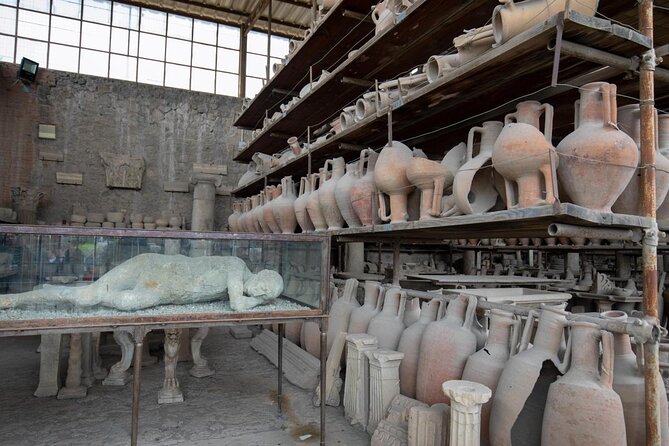
- Granaries of the Forum: Storage, Supply, and Real Life
- Terme del Foro: One of the Better-Preserved Bath Areas
- Casa del Poeta Tragico: Mosaics You’ll Remember
- Casa del Cinghiale: More Mosaics, More Personality
- Teatro Grande: Comedies, Tragedies, and Community
- Lupanar: A Window Into Pompeii’s Street-Level World
- Tempio di Venere and Tempio di Giove Capitolino: The Religious Finale
- Price and Tickets: Does $82.65 Make Sense?
- Who This Tour Fits Best (and Who Should Think Twice)
- Practical Tips for Getting the Best Out of Your Visit
- Should You Book This Skip-the-Line Private Pompeii Guided Tour?
- FAQ
- How long is the Pompeii guided tour?
- Is this a private tour?
- Does the tour include skip-the-line entry?
- Are Pompeii admission fees included?
- Where do we meet for the tour?
- Can I cancel for a full refund?
Key Things You’ll Appreciate on This Skip-the-Line Pompeii Tour
- Priority admission so you spend more time exploring and less time standing still
- Private format with time to ask questions (not just a group shuffle)
- A 2-hour highlights route designed to cover the main Pompeii “must-sees” efficiently
- Forum power stops like Apollo’s area, granaries, and the well-preserved baths
- Iconic interiors and street-life sights, including mosaics and the Lupanar
- A guide who’s known for clear explanations, with examples like Paolo
Why Skip-The-Line Matters at Pompeii
Pompeii is one of those places that looks simple on a map, then grows into a full-day reality once you’re there. The ruins spread out, paths can feel confusing, and lines can eat up time you’d rather spend reading faces in mosaics or picturing daily life in ancient streets.
This tour is built to fix the first problem: getting in smoothly. Priority admission helps you start your visit with momentum, which matters a lot when your time window is only about two hours. You’re not just saving minutes; you’re protecting your experience from the “we’re here, but we barely saw anything” feeling that ruins short trips.
The second advantage is mental, not just logistical. When a guide pulls you along a planned route, you get context as you go. Without that, Pompeii can feel like random walls and columns. With a guide, it becomes a walk through specific parts of a Roman city—religion, public life, markets, entertainment, and private homes.
You can also read our reviews of more guided tours in Pompeii


Private Pompeii in 2 Hours: What the Pace Really Feels Like
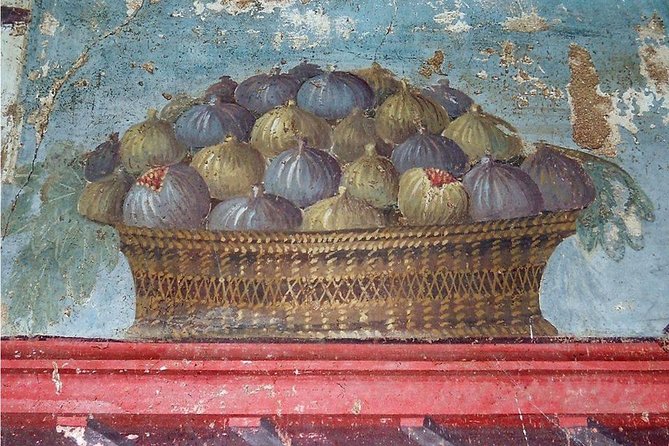
A private tour doesn’t automatically mean relaxed. The real difference is control: you’re not waiting for the slowest person in the group, and the guide can respond to what you find interesting.
Here, the pacing is designed for a short visit. In about two hours, you’ll cover a serious set of sights: temples, the Forum area, major Roman entertainment spots, and recognizable domestic interiors with standout mosaics. The itinerary is structured enough to keep you moving, but flexible enough for questions—exactly what you want when Pompeii is famous, yet overwhelming.
Also, the tour is set up as a true private experience: only your group participates. That matters if you’re traveling with kids, grandparents, friends who want to talk more, or anyone who prefers not to listen to commentary from across the crowd.
Your Route Through Ancient Pompeii: Stop-by-Stop Highlights
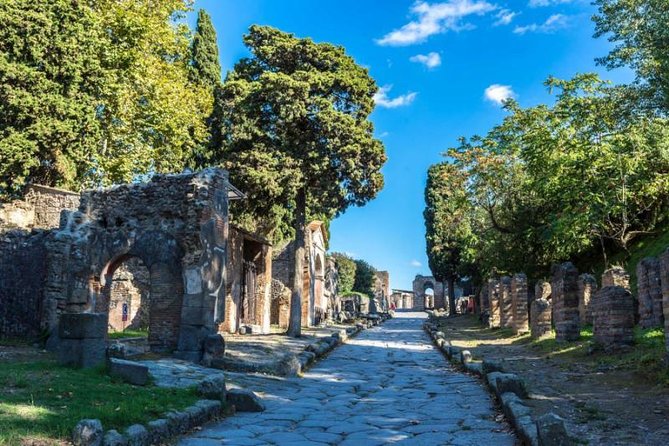
This is a highlights tour, so the goal is clarity: see what’s most important, and understand why it mattered. Here’s how the stops fit together like a Roman day-in-the-life.
Getting Oriented at the Pompeii Archaeological Park
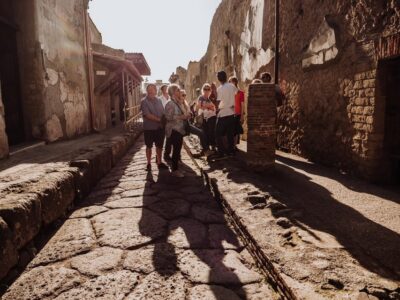
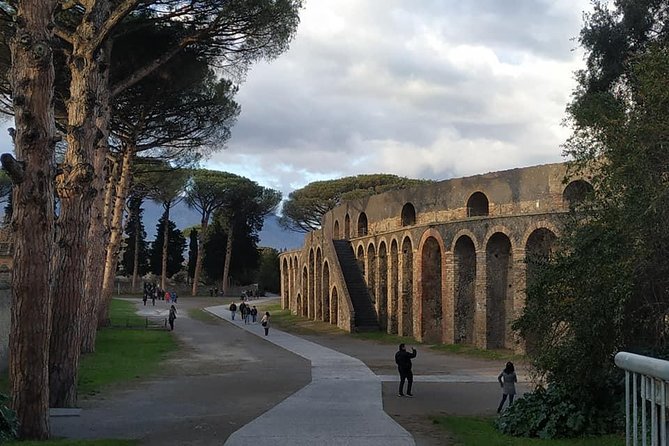
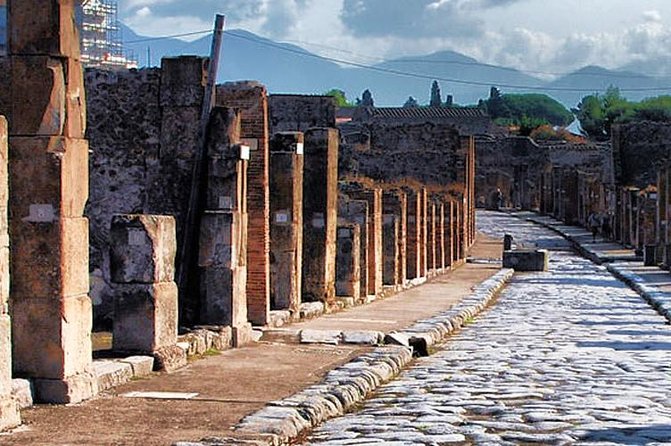
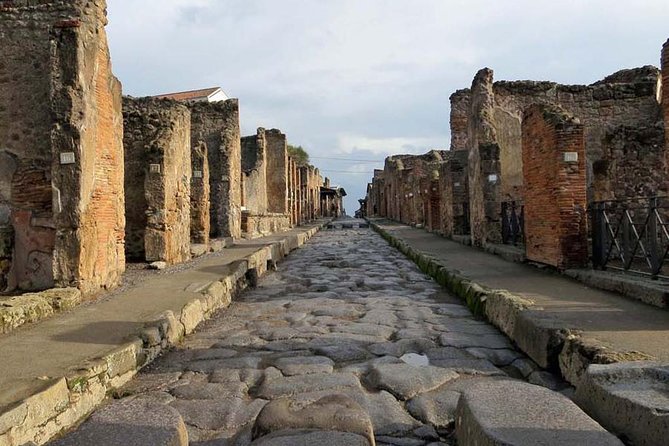
Your main stop begins at Pompeii Archaeological Park, where the guide leads you through the core layout and the big-ticket themes. Expect to move past major public spaces and structures connected to civic life—think theatres and forums—plus the kind of interiors and story points that people come to Pompeii for.
One thing I like about this part of the route is that it sets up the rest. You don’t just get a list of ruins; you get a guided sense of how the city worked: who used the public spaces, what buildings were for worship, and where entertainment and commerce fit in.
A practical note: this is the biggest walking segment. Wear comfortable shoes and plan for uneven ground. Pompeii is historic, not easy.
Temple of Apollo: Religion in the Middle of Civic Life
Next up is Temple of Apollo, a key religious site tied to the Forum area. Temples in Pompeii aren’t out on the edge—they belong to the center of community life. With a guide, you can connect what you’re seeing to how people would have used these spaces for ceremonies and public identity.
This stop is short, so it works best when you use it as an anchor point. Look around for alignments and surrounding structures, then let the guide explain what role the temple played in the city’s rhythm.
You can also read our reviews of more private tours in Pompeii




The Forum of Pompeii: The Main Square in Stone
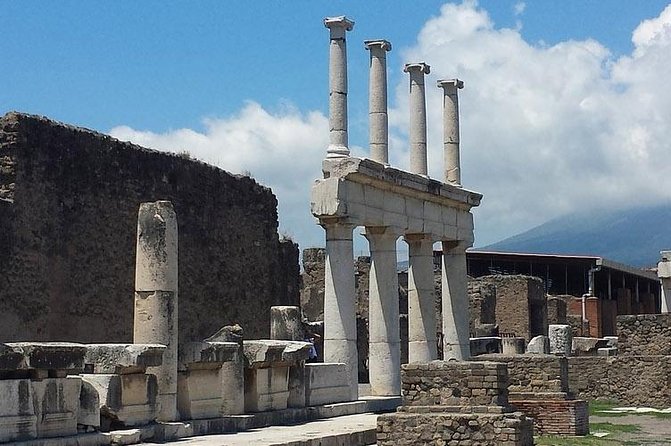
Then you head into the Forum (Foro de Pompeya), often the place where first-time visitors say: Yes, this is where it all happened.
The Forum is the city’s political and social heart—where civic life clustered. A good guide makes this area click by describing the functions behind the architecture: spaces for speeches and gatherings, places tied to religion, and nearby commerce and movement.
Even if you’re not into ancient politics, the Forum is where you’ll feel the shape of the city. It’s also where you’ll see how Pompeii’s “public” buildings connect visually.
Igor Mitoraj’s Sculptures at Pompeii: Contemporary in an Ancient Setting
A quick detour brings you to Sculture Monumentali di Igor Mitoraj, contemporary sculptures placed in the Pompeii landscape. This is short, but it’s a thought-provoking contrast: ancient stone remains, then modern art set inside the same frame.
This stop can be a nice breather. It also helps you slow down and look at the park as a space, not just a museum corridor. If you like seeing how modern culture interacts with historic places, you’ll appreciate this moment.
Granaries of the Forum: Storage, Supply, and Real Life
At the Granai del Foro (granaries), the story shifts from public spectacle to practical survival. Granaries matter because they tell you how a city fed itself—how it stored grain, planned for supply, and kept daily life running.
In a highlights tour, storage buildings might sound less exciting than theatres or houses. But this is where you get the “how did the city actually function?” perspective, which is a big part of what makes Pompeii more than just pretty ruins.
Terme del Foro: One of the Better-Preserved Bath Areas
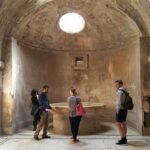
Terme del Foro is a highlight for many people because Pompeii’s baths are often among the most evocative parts of daily life. This stop is set in one of the better-preserved bath areas, which means you can still make out the flow of rooms and how bathing worked as a social routine.
Even on a short tour, this is valuable because it makes Rome feel human. Bathing wasn’t just cleaning—it was conversation, relaxation, and routine. Seeing the spaces lets you understand the rhythm of everyday Pompeian life.
Casa del Poeta Tragico: Mosaics You’ll Remember
Then comes Casa del Poeta Tragico, known for a striking mosaic. Pompeii homes can feel like stepping into someone’s personal story, but the mosaics are what often stop you cold.
A guide helps here because mosaics are full of clues—about wealth, tastes, and the kind of messaging homeowners placed in the spaces visitors would see. This is one of the places where you’ll likely find yourself taking extra time to look closely.
Casa del Cinghiale: More Mosaics, More Personality
At Casa del Cinghiale, you’ll see another home famed for mosaic work. If you like visual detail, this stop is a strong match. Homes in Pompeii weren’t just shelter; they were branding, entertainment, and art—played out in floors, courtyards, and doorways.
This is also where a guided tour pays off again. Without context, you might look at a mosaic and move on. With context, you understand why it’s there and what it tells you.
Teatro Grande: Comedies, Tragedies, and Community
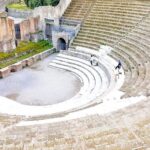
Next is Teatro Grande, the large theatre. The theatre isn’t just architecture—it’s one of the clearest reminders that Pompeii was a place where entertainment and shared culture mattered.
You’ll see a major venue for plays and public gatherings. A guide can help you picture how performances would have drawn people from across the city, and how the space shaped sound and visibility.
Lupanar: A Window Into Pompeii’s Street-Level World
The Lupanar is another stop that people talk about because it’s so distinct: an ancient house known for erotic frescoes. It’s a reminder that Pompeii’s story includes complicated, everyday realities—not just temples and big public buildings.
This stop can feel intense depending on your comfort level. If you prefer lighter topics, keep that in mind. If you want Pompeii to feel complete, the Lupanar adds that street-level realism.
Tempio di Venere and Tempio di Giove Capitolino: The Religious Finale
To close out the route, you’ll visit Tempio di Venere and Tempio di Giove Capitolino.
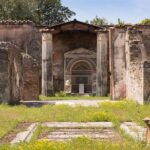
Venus is tied to early religious importance in Pompeii, while the Capitoline Jupiter temple connects you back to the Forum’s spiritual and civic center. These are brief stops, but they work like punctuation marks—helping you end with the idea that Roman public life and religion weren’t separate.
Price and Tickets: Does $82.65 Make Sense?
At $82.65 per person, this is positioned as a value option for a private Pompeii experience. The price covers the guide service and skip-the-line priority admission (so you don’t burn your short visit in a line).
What’s not included is Pompeii site admission fees. That means the total cost of your day can be higher once you add the park ticket. Still, you’re buying time and focus: in Pompeii, those are often more valuable than extra hours. A guided highlights route of about two hours means you get a lot of the big recognizable places without wandering or missing key clusters.
If you’re comparing options, think like this: if you’ll spend 30–60 minutes (or more) trying to sort out entry and your route, the “cheap self-guided” option can become expensive in experience, not money. This tour is designed to protect your time.
Who This Tour Fits Best (and Who Should Think Twice)
This tour is a smart choice for you if:
- You want Pompeii in a short time and hate lines
- You like learning while you walk, especially with a guide who can answer questions
- You’re traveling with people who want the highlights, not a long, scattered day
- You want a private experience rather than one-size-fits-all commentary
Consider another style of visit if:
- You want to linger for long periods in only one or two houses
- You prefer a full-day plan with deeper museum-style pacing
- The topic of the Lupanar may feel too personal for your comfort
Practical Tips for Getting the Best Out of Your Visit
Pompeii rewards good planning. Here are the choices that make your two hours feel like more.
- Arrive with shoes ready for uneven ground. You’ll be on historic surfaces and pathways.
- Use the guide’s answers. If something catches your eye—an inscription, a mosaic design, a room layout—ask. This tour’s value is getting meaning, not just photos.
- Pick the time of day that matches your energy. Morning and afternoon options let you avoid the worst mismatches with your schedule.
- Bring a light plan for your camera. Some stops are quick; others are where you’ll want a close look. Decide which ones you want detail shots of.
Should You Book This Skip-the-Line Private Pompeii Guided Tour?
If your goal is simple—see the best of Pompeii with a guide, avoid lines, and do it in about two hours—then I’d book it. The priority admission matters more than it sounds, because Pompeii punishes slow starts. The private format also makes a difference: you can ask questions and get a clearer sense of what you’re looking at as you go.
Add in the guide strength—like Paolo’s reputation for making the route feel complete and genuinely enriching—and this becomes a great fit for first-time visitors and repeat visitors who still want structure.
If you’re comfortable paying a bit more for time and clarity, this is one of the most practical ways to experience Pompeii without turning it into a stress test.
FAQ
How long is the Pompeii guided tour?
It runs about 2 hours.
Is this a private tour?
Yes. Only your group will participate.
Does the tour include skip-the-line entry?
Yes. Priority admission / skip the line is included.
Are Pompeii admission fees included?
No. Admission fees for the Pompeii ruins are not included.
Where do we meet for the tour?
The meeting point is Pompei Porta Marina (scavi), 80045 Pompei, Metropolitan City of Naples, Italy.
Can I cancel for a full refund?
Yes. You can cancel up to 24 hours in advance for a full refund.