REVIEW · POMPEII
Ancient Pompei in the afternoon
Book on Viator →Operated by Glauco Messina · Bookable on Viator
Pompeii feels different after lunch. With a later start, you’ll avoid the densest crush and get a more comfortable walk through the excavated city. It’s a guided route through key ruins, built for English speakers and kept to a small group size for easier questions.
I love the way your guide, Glauco Messina, turns scattered stones into a clear story of what daily life looked like. I also like the timing: an afternoon visit usually means you’re not fighting the biggest queues for every corner. One thing to keep in mind is that the admission ticket isn’t included, so you’ll want to budget time and money for entry before you meet up.
In This Review
- Key points before you go
- Pompeii After the Morning Rush: Why the 3:30 pm Slot Works
- Meeting Glauco: Small-Group Energy That Actually Stays Focused
- The Guided Route: Gymnasium, Amphitheater, Forum, and the Street Life Stops
- Gymnasium and Amphitheater: Public space with a purpose
- Abundance Road: The city’s spine
- Tavern and Thermopolium: Food and casual hangouts
- Public Spa: The social side of everyday wellness
- The Forum: The civic center mood
- Duration and Timing: How Long You’ll Be Walking
- Tickets and What You Should Plan For
- Value for $254.07 per Group: What You’re Actually Paying For
- Who This Afternoon Pompeii Tour Fits Best
- Should You Book Ancient Pompei in the Afternoon?
- FAQ
- What time does the tour start?
- How long is the experience?
- Is admission to Pompeii included?
- Where do I meet the guide?
- Where does the tour end?
- What group size should I expect?
- Is the tour offered in English?
Key points before you go
- 3:30 pm start helps you experience Pompeii after the biggest morning rush
- Small group (max 10) keeps the pace human and the explanations targeted
- Route highlights include Gymnasium, Amphitheater, Thermopolium, Public Spa, and the Forum
- English-only guided tour is designed for understanding, not just walking
- Tickets not included, so total cost is more than the listed price
Pompeii After the Morning Rush: Why the 3:30 pm Slot Works
If you’ve only seen Pompeii on the clock from the morning, you may be surprised by the difference later in the day. This tour starts at 3:30 pm, which means you’re far more likely to get breathing room on the paths and at the ruins. You’ll still be in a popular site, but the experience tends to feel less like a crowd squeeze and more like an actual walk.
There’s also the practical side. In summer especially, late afternoon can be the sweet spot for visibility and stamina. I’m not promising perfect weather, but a later start is the kind of travel math that pays off fast: fewer bottlenecks means you spend more time looking and listening, not standing still.
Another bonus is flow. Because your route is guided, you’re not spending your energy trying to piece together where to go next. You follow the plan through major areas, then you’re done before you feel totally cooked—again, depending on season and your own pace.
You can also read our reviews of more tours and experiences in Pompeii.


Meeting Glauco: Small-Group Energy That Actually Stays Focused
This experience is led by Glauco Messina, and the most consistent theme here is how well he handles real groups, not just ideal ones. The tour is in English, and it runs with a maximum of 10 travelers—a size that lets questions stay in the conversation instead of getting lost.
What I like most about a guide like this is tone. Pompeii can be overwhelming. There’s so much to see that it’s easy to leave with a fuzzy sense of what you just walked past. A strong guide gives your eyes a job. With Glauco, you’re not only moving from landmark to landmark; you’re getting the why behind what you’re seeing.
If you’re traveling with kids or teens, this style matters. The guide’s approach is specifically described as keeping younger people engaged, with explanations shaped to interests. That’s not just a nice-to-have. In a place like Pompeii, attention is the currency. When the guide helps you spend it wisely, everyone gets more out of the same ruins.
The Guided Route: Gymnasium, Amphitheater, Forum, and the Street Life Stops
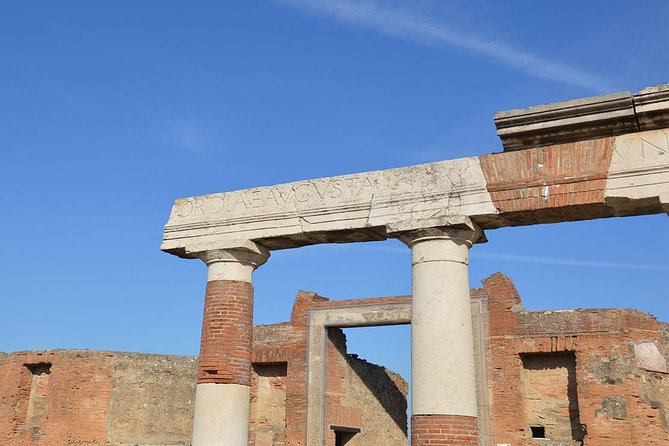
This tour is focused on Pompeii Archaeological Park, with your guided time centered on the big cluster of ruins visitors typically remember. Your listed route includes the Gymnasium, Amphitheater, Abundance Road, Tavern, Thermopolium, Public Spa, and the Forum. You’ll walk through these areas as part of a single story, not a random checklist.
Here’s what each stop is good for, and what you should watch for as you go.
Gymnasium and Amphitheater: Public space with a purpose
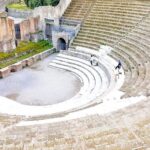
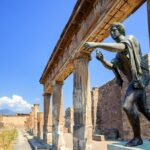
The Gymnasium and Amphitheater are the kind of stops where Pompeii stops feeling like a museum and starts feeling like a place that had routine and excitement. You’ll see remains tied to exercise and public gatherings. Even if you’re not a history nerd, these places help you understand the social rhythms of the city.
Tip for your visit: keep an eye on scale. These spots are built for crowds and activity. That helps you picture what daily life might have felt like, instead of only remembering that everything is ruins now.
Abundance Road: The city’s spine
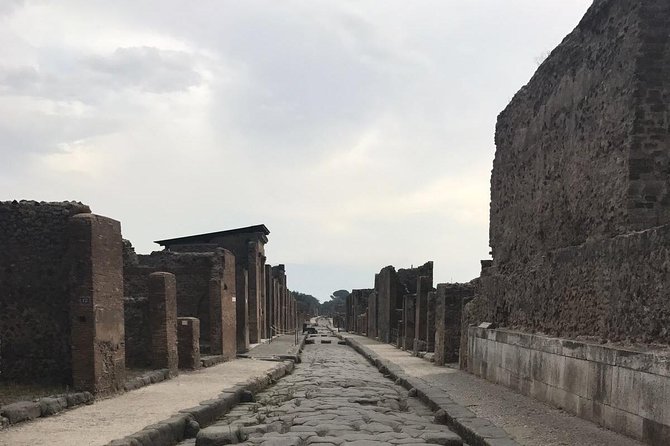
Abundance Road sounds like a name and not just a location. A street like this is where the city becomes understandable as a connected grid of movement. You’re thinking less about one building and more about how people got from one part of life to another.
I find road-and-street sections valuable because they also help your brain “map” Pompeii. After you’ve walked a main street with guidance, the rest of the park starts to feel easier to navigate on your own afterward.
Tavern and Thermopolium: Food and casual hangouts
You’ll also pass ruins labeled Tavern and Thermopolium. These are the stops that make Pompeii feel lived-in. They point to everyday routines like eating and meeting up, rather than only grand civic buildings.
Even if you don’t catch every detail, just seeing these types of spaces helps you build the mental image that Pompeii wasn’t only temples and big public squares. It was also ordinary people doing ordinary things.
Public Spa: The social side of everyday wellness
The Public Spa is one of those stops that often surprises people because it reframes what “public” meant. You’re looking at a space connected to bathing and relaxation—something that would have been part of community life.
When a guide connects the dots here, it becomes easier to understand why so many ancient cities had elaborate public bathing spaces. You start to see it as social infrastructure, not just hygiene.
The Forum: The civic center mood
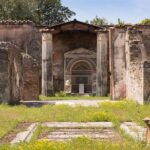
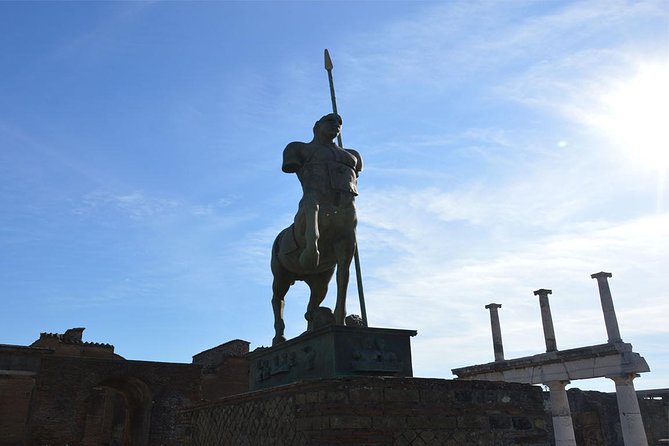
The Forum is your anchor stop. It’s where Pompeii’s public life concentrates. Even if you only remember one area, the Forum usually gives you the clearest picture of the city’s civic and political energy.
What I like about ending up in (or near) a forum-style area on a guided route is closure. You’ve spent the walk moving through social life and street life; then you reach the civic core and the picture clicks into place.
Duration and Timing: How Long You’ll Be Walking
The tour is listed as about 2 hours, but the schedule for the main stop at Pompeii Archaeological Park is shown as 3 hours. That means you should treat this as a flexible plan and come with realistic expectations for walking time.
If you’re planning your afternoon around it, don’t schedule a tight next stop. Pompeii isn’t a quick in-and-out. Even on a guided route, you’ll want a few seconds here and there to look closely, take photos, and absorb the explanations before moving on.
Also note where you start and finish. You begin at Piazza Immacolata, 80045 Pompei NA, and the tour ends at Piazza Porta Marina, 80045 Pompei NA. That end point matters. Your route is not a round trip. Build a plan for how you’ll get back from the Porta Marina side.
Finally, the meeting spot is clearly defined, and that’s a comfort in a place with lots of entrances and pathways. You’ll also have a confirmation after booking, which helps you avoid day-of uncertainty.
Tickets and What You Should Plan For
Here’s the clean part: you get a guided tour included, but tickets are not included. So your real budgeting looks like this: the tour price plus the Pompeii admission ticket(s) you purchase separately.
Because the ticket piece isn’t included, I recommend you don’t treat this as a casual drop-in. Pompeii is too popular. The more organized you are with your entry timing, the less stress you’ll feel when you’re trying to meet your guide.
If you want a low-friction day, arrive with enough buffer to handle entry and get to Piazza Immacolata on time. Then once the tour starts, you can focus on the ruins instead of logistics.
Value for $254.07 per Group: What You’re Actually Paying For
The price is $254.07 per group (up to 8), with a stated maximum group size of 10 for the activity. That tells you this is priced like a small-group guided experience, not a per-person bus tour.
Value here comes from three things working together:
- You’re buying a guide’s explanations, which is often the difference between seeing ruins and understanding them.
- Small group size helps keep the pace manageable and your questions audible.
- Afternoon timing can improve the experience by reducing the worst of the crowd bottlenecks.
One more cost factor: because admission tickets aren’t included, your total spend depends on ticket pricing for your group size. So the best value tends to show up when you have the group count that fits the pricing model and you’re not paying for extra people beyond the group size.
If you’re someone who likes to walk, look, and learn without spending the whole day stuck in lines, this price can feel fair. If you only want the simplest self-guided pass, a guided tour may be harder to justify.
Who This Afternoon Pompeii Tour Fits Best
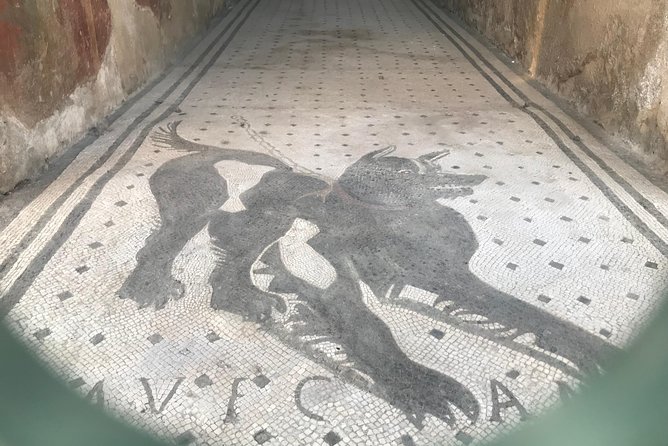
This is a good match if you want Pompeii in a tighter time window with guidance. It’s also a practical choice if you’d rather not spend hours planning a route through the archaeological park.
You’ll likely enjoy it if:
- You want English commentary and a structured path through major areas
- You care about explanations that hold attention, including for younger visitors
- You prefer a small group where you’re not constantly navigating around strangers
- You want to do Pompeii in the afternoon, at a time that’s often kinder to walking and viewing
A couple of fit notes:
- This is still Pompeii, so you should expect walking on uneven terrain through ruins.
- It’s a guided walk with a clear start and end, so plan your transport accordingly.
Service animals are allowed, and the tour notes that most people can participate—so it’s broadly inclusive from a general participation standpoint.
Should You Book Ancient Pompei in the Afternoon?
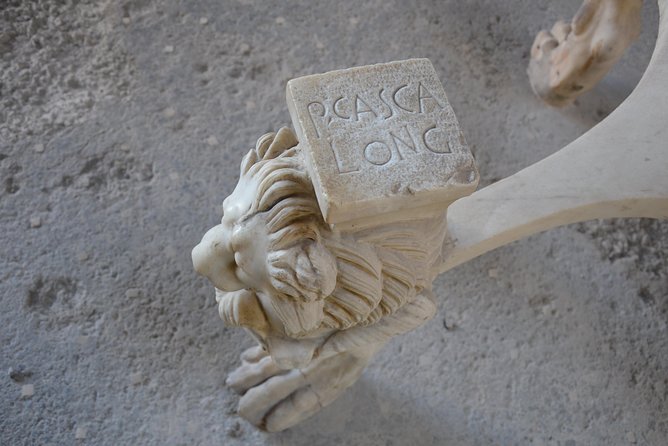
I’d book it if you want Pompeii with less crowd pressure, clear guidance, and a route that covers major anchors like the Forum, plus everyday-life stops such as Thermopolium and Public Spa. With Glauco Messina leading in English, the value isn’t only that you see the ruins—it’s that you walk away with a cleaner sense of how the city worked.
I’d hesitate if you’re planning to visit with very tight timing constraints, because the guide time at Pompeii can run long enough to make late-day plans feel rushed. Also, factor in the ticket you’ll need to buy separately.
If you’re aiming for a calmer afternoon Pompeii experience and you like learning while you walk, this is a strong choice.
FAQ
What time does the tour start?
The tour starts at 3:30 pm.
How long is the experience?
It’s listed as about 2 hours. The main time at Pompeii Archaeological Park is shown as 3 hours, so expect some flexibility.
Is admission to Pompeii included?
No. Tickets are not included, so you’ll need to purchase admission separately.
Where do I meet the guide?
You meet at Piazza Immacolata, 80045 Pompei NA, Italy.
Where does the tour end?
The tour ends at Piazza Porta Marina, 80045 Pompei NA, Italy.
What group size should I expect?
The activity has a maximum of 10 travelers.
Is the tour offered in English?
Yes, it’s offered in English.