REVIEW · POMPEII
Naples: Pompeii & Herculaneum Day Trip – Small Group Tour
Book on Viator →Operated by Worldtours · Bookable on Viator
Pompeii in a day is a lot. This small-group tour from Naples strings together Pompeii and Herculaneum with skip-the-line entry and guided context, so you’re not just wandering among stones. I especially like the round-trip transport and the way the guides help you read what you’re seeing fast. The main drawback is time: you’ll get solid highlights, but the sites are huge, so serious archaeology fans may feel rushed.
The day runs about 8 hours, starting around 8:00 am with pickup points in Naples city center. In Pompeii you’ll spend roughly 2 hours with a guide; Herculaneum is usually about 1.5 hours, and it’s easier to savor because the excavated area is smaller and more compact. You also get an included lunch option and a later winery stop for tasting (just note one guest reported the expected wine tasting wasn’t offered, so keep an eye on your confirmation details).
In This Review
- Key things that make this tour work
- Getting from Naples without turning the day into a transit lesson
- Pompeii’s two-hour sprint: what you’ll actually see
- Herculaneum in 90 minutes to savor the details
- Lunch and winery tasting: a break that keeps the day moving
- The “small-group” part: why your guide matters here
- Time management: what you gain and what you trade away
- Value check: is $160.09 a good deal?
- Who should book this Naples Pompeii and Herculaneum tour?
- Should you book this tour?
- FAQ
- How long is the Pompeii and Herculaneum day trip?
- Where does the tour start and when?
- Are skip-the-line tickets included?
- Is lunch included?
- What time is spent at each site?
- Is Mt. Vesuvius included?
- How many people are on the tour?
Key things that make this tour work
- Skip-the-line tickets to both Pompeii and Herculaneum, so your morning moves faster
- Two guided sites in one day, with guides who focus on what you can actually see in limited time
- Small group size (up to 40), which makes it easier to ask questions and stay together
- Backpack/storage reality check at Herculaneum, where you may need to use lockers
- Lunch included if selected, often a set-menu pasta-style break between ruins
- Winery stop + tasting as part of the full-day flow back toward Naples
Getting from Naples without turning the day into a transit lesson
The best part for most people is that the logistics are handled. Pickup happens at selected points in Naples city center, and you return to Naples at the end of the tour. That matters because both Pompeii and Herculaneum can feel harder to manage if you’re coordinating buses or trains on your own, especially if you want a guided experience at the archaeological sites.
This tour also runs like a plan, not a pile of loose options. Your guides meet you outside each site, and the day is built around guided time inside the excavations rather than wandering for hours. One practical bonus: several groups note the van is comfortable and has convenient parking near the entrances, which saves energy you’ll want later.
You can also read our reviews of more tours and experiences in Pompeii

Pompeii’s two-hour sprint: what you’ll actually see
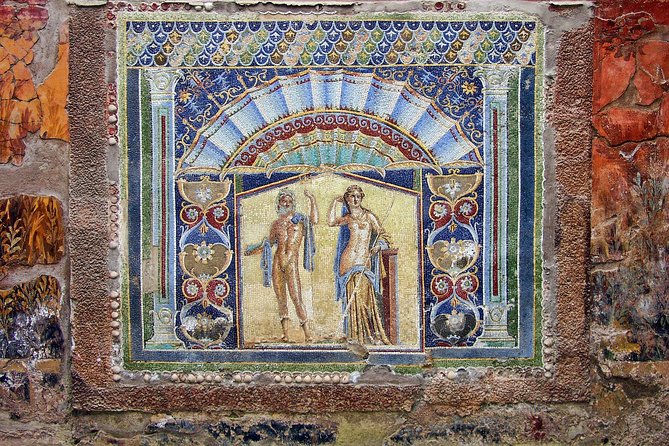
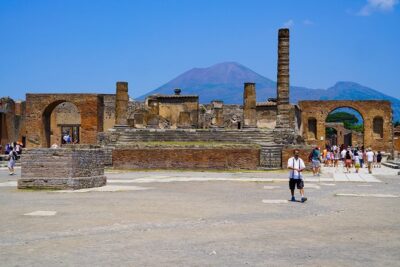
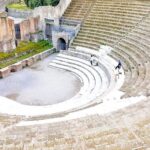
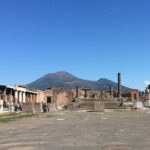
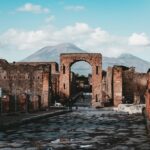
Pompeii is massive, so a guided “greatest hits” approach is the only way most visitors get meaningful context in a single day. You’ll meet your Pompeii guide outside the park and spend about 2 hours inside the archaeological area. That time limit is also the trade-off: you’ll see major highlights and learn how to interpret them, but you won’t cover the full breadth of the city.
What I like about the guide format here is how it helps you focus. Pompeii isn’t just streets and walls—it’s a snapshot of everyday Roman life frozen in time, and the guide’s job is to help you connect the dots quickly. Guides in the wild include people like Anna and Carmen (sometimes praised for storytelling and making the past feel human), and other groups have been led by Mary. Different guides bring different styles, but the goal stays the same: help you navigate the scale and choose the most important spaces.
A couple of real-world tips you’ll be glad you follow:
- Expect sun and exposure. Pompeii’s open areas can bake fast, especially in summer.
- Plan for walking on uneven surfaces. The ground can be rough and broken, even if the route is manageable.
- Bring water, a hat, and sunscreen. Even if you start early, the day heats up.
Facilities at Pompeii are reported as good near the entrance, which helps you reset before heading in. Still, the site itself is out in the open, so wear shoes that grip and keep your energy for the guided route.
Herculaneum in 90 minutes to savor the details
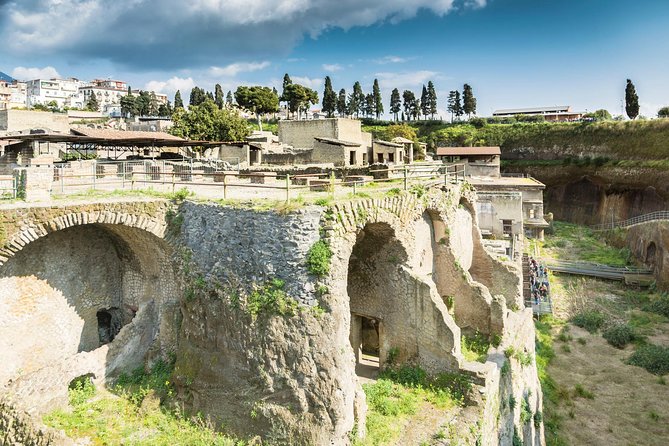
Herculaneum is the contrast act. It’s smaller than Pompeii, and that matters because it can feel more “intact” in the way you experience it. You’ll meet your guide outside the entrance again, and your visit inside is usually about 1.5 hours.
Here’s the payoff: while Pompeii gives you a broad city view, Herculaneum gives you a tighter look at houses, alleys, and the everyday texture of Roman life. People often find it easier to stay mentally engaged in less time because you’re not constantly making huge leaps across the site. One guide mentioned by name is Ravioni, and other groups have had standouts like Patricia in Herculaneum.
Practical note: Herculaneum can require you to manage belongings. One recurring detail is that backpacks may need to be placed in lockers at Herculaneum. That’s not a deal-breaker, but it does affect what you bring. Aim for a compact day bag so you’re not juggling storage needs while trying to enjoy the tour.
As you walk the excavated lanes, try to slow down just a little during the guided stops. The fun isn’t only in the big structures—it’s in noticing the way rooms, thresholds, and street layouts show how people moved and lived. The guide helps you spot what to look for, so follow that rhythm rather than trying to read everything on your own.
Lunch and winery tasting: a break that keeps the day moving
The tour structure includes a lunch option, but it only counts if you selected it. When included, expect a set-menu meal that’s practical rather than fancy—often described as pasta with dessert. If you have dietary needs, you should feel reassured: at least one group specifically noted that the team was mindful of allergies.
This is exactly the kind of meal you want between sites. You’re not going to restaurant-hunt all day, and you don’t want a long sit-down that steals time from Pompeii or Herculaneum. The pacing is built around getting you back outside in time to see the ruins while you still have energy.
After the ruins, the day includes a winery visit and tasting as part of the overall plan. That’s a nice way to make the tour feel more like a full experience than only a “ruins and done” day. That said, one guest reported that a wine tasting tied to a Vesuvius-area stop wasn’t offered or commented on. The safe move: check the exact timing and what’s included in your confirmation message so you know whether you’re getting the tasting as expected.
The “small-group” part: why your guide matters here
With up to 40 people, this isn’t a private tour, but it’s also not a herd. That balance helps in two ways: you can usually hear the guide, and you can ask questions without waiting in a maze of shoulders.
The guiding experience is the standout theme across the day. Names that popped up in accounts include Lello Paola and Carmen, plus Anna and Ravioni, plus Pompeii guide Mary and Herculaneum guide Patricia. The strongest comments focus on how guides interpret the ruins and manage the pace so you don’t feel completely lost in a place where everything looks important.
There can be differences in style and language delivery, too. One report said an English-guided segment didn’t meet expectations for language skills, while a later Spanish segment worked better. So if language clarity is a top priority for you, it’s worth double-checking your tour language expectations during booking.

Time management: what you gain and what you trade away
This is an 8-hour day trip. That means you’re buying convenience and interpretation, not unlimited time. Pompeii gets about 2 hours, and Herculaneum gets about 1.5 hours. For most first-time visitors, that’s a smart ratio: you leave with a clear picture of both sites instead of spending your day stuck in logistics.
But if you’re the type who reads every sign and wants to linger, you may feel the squeeze. Multiple comments flagged that the day can feel rushed, and at a minimum you should go in with the mindset of seeing key areas rather than trying to “do everything.” The tour itself is honest about the math: Pompeii is vast, and the only way to cover it responsibly in one day is to prioritize.
Heat also plays a role. Even with an early start, you should assume it can get hot quickly in the open ruins. The simple checklist people keep repeating is worth following: water, hat, walking shoes, sunscreen. If your schedule is flexible, aim for cooler months when possible, and don’t underestimate how tiring uneven stone surfaces can be.
Value check: is $160.09 a good deal?
At $160.09 per person, this tour sits in the mid-to-upper range, but it includes the big costs that usually add up when you DIY. You’re paying for:
- pickup and round-trip transport from Naples
- skip-the-line access to both sites
- guided time at Pompeii and Herculaneum
- admission fees for both archaeological parks
- lunch if you selected it
- a winery visit and tasting as part of the day flow
If you tried to replicate this on your own, you’d still need entry tickets, a plan for transport timing, and a way to get interpretation. In that context, the price feels more like “buy the day off your stress” than “pay for access only.”
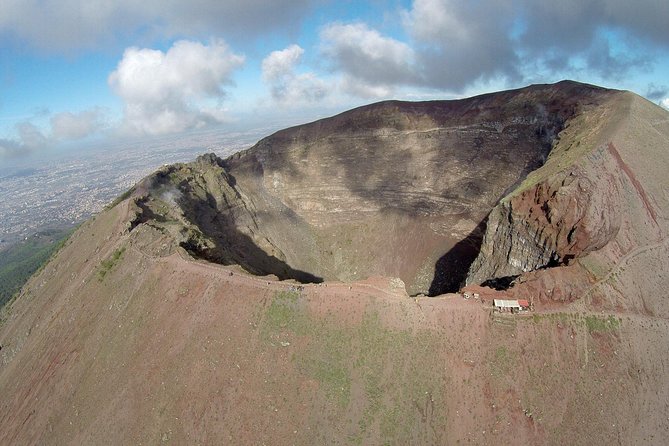
Where value can slip is if you’re expecting additional Vesuvius time or a very slow, deep, unhurried experience. The Mt. Vesuvius crater visit is not included, so build your expectations around Pompeii + Herculaneum first.
Who should book this Naples Pompeii and Herculaneum tour?
I’d point you toward this if you want:
- a first visit to both Pompeii and Herculaneum in one day
- guided context that helps you understand what you’re seeing quickly
- fewer headaches than public transportation when you’re short on time
- small-group access (up to 40) so you’re not stuck waiting for the guide every step
I’d think twice if you:
- want a long, slow “walk every corner” experience
- specifically want Vesuvius crater time (this tour doesn’t include it)
- have very strict language needs and want zero variation in guide delivery (language quality can vary by segment)
Should you book this tour?
If your goal is to get the real story of Pompeii and Herculaneum without turning the day into transport chaos, I think this is a strong choice. The best parts are the guided interpretation, the skip-the-line efficiency, and the fact that your time inside the ruins is intentional rather than random. If you can accept that it’s a highlights-focused day (not a full archaeological marathon), you’ll likely find it a great balance of learning and logistics.
Before you hit book, I’d do one quick check: confirm whether the winery stop includes the tasting you expect, since one account noted a tasting wasn’t offered as described. After that, pack for heat and uneven ground, and you’ll be set for a memorable day of Roman ruins in Naples’ orbit.
FAQ
How long is the Pompeii and Herculaneum day trip?
It’s about 8 hours total.
Where does the tour start and when?
Pickup is offered at various points in Naples city center, and the tour starts around 8:00 am. It ends back in Naples.
Are skip-the-line tickets included?
Yes. Skip-the-line tickets are included for both Pompeii and Herculaneum.
Is lunch included?
Lunch is included only if you selected it during booking.
What time is spent at each site?
You’ll have about 2 hours in Pompeii and about 1.5 hours at Herculaneum.
Is Mt. Vesuvius included?
No. The visit to the crater of Mt. Vesuvius is not included.
How many people are on the tour?
The maximum group size is 40 travelers.